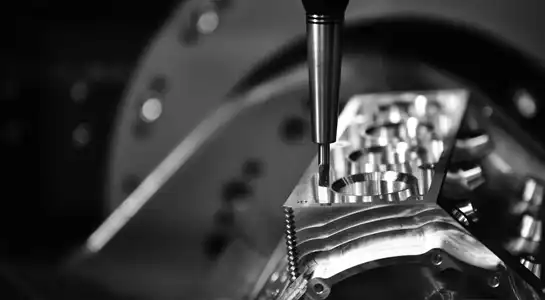
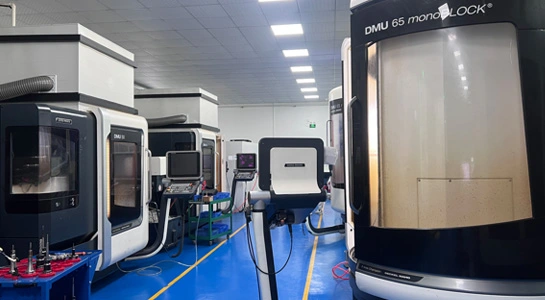
When it comes to vacuum forming, products made in China and France are similar, but their prices and production skills are very different. Because their labor and material costs are cheaper, Chinese manufacturers usually offer more cost-effective solutions. On the other hand, French manufacturers are usually better at precision and specialized tasks. But the best choice relies on a number of things, such as the needs of the project, the quality standards, and the amount of production. China is better at large-scale production because it is cheaper, and France is better at high-end projects that need specialized or difficult knowledge. When businesses have to choose between vacuum forming manufacturers in China and France, they should carefully think about their needs, budget, and quality standards.
The Fundamentals of Vacuum Forming Technology
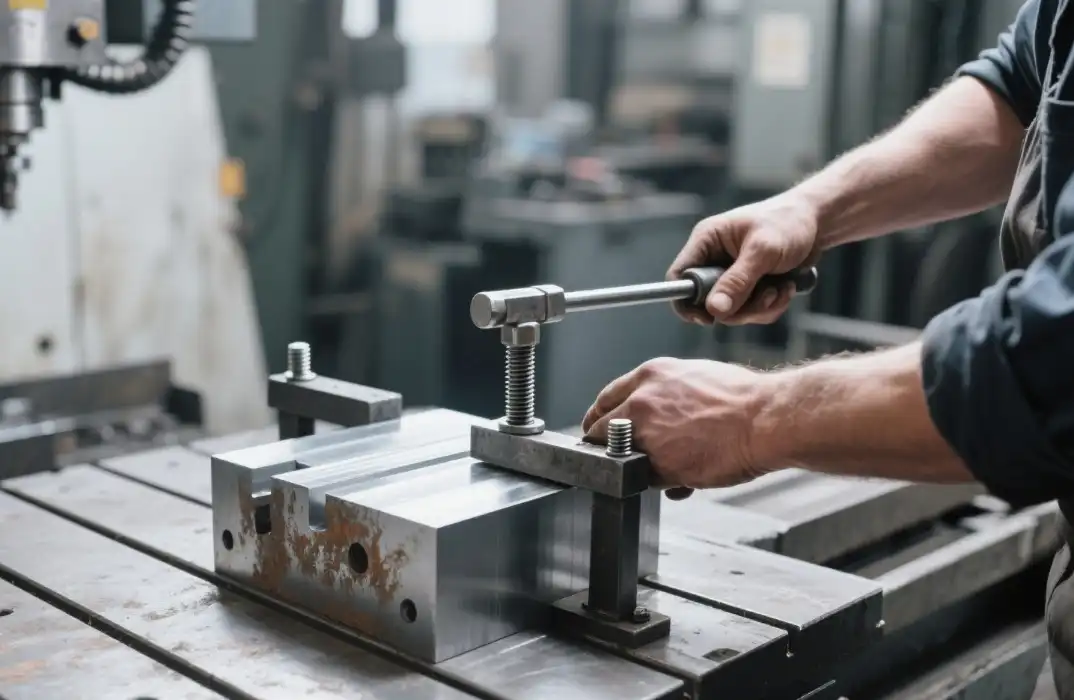
A sheet of plastic is heated and shaped over a mold using vacuum pressure in vacuum forming, which is a flexible way to make plastic goods. This method is widely used in many fields, from making packaging to making car parts. Manufacturers in both China and France use this technology, but their methods and skills can be very different.
Chinese Vacuum Forming Industry: Scale and Efficiency
A lot of people know Chinese makers for their ability to make a lot of things and do it cheaply when vacuum forming. The country has a lot of industry infrastructure and easy access to raw materials, which lets it make a lot of things at low costs. Modern equipment is often bought by Chinese companies to make them more efficient, keep quality high, and keep costs low.
French Vacuum Forming Expertise: Precision and Innovation
On the other hand, French makers are known for their precise engineering and new ways of vacuum forming. A lot of the time, they work on high-end applications with complicated materials and designs that need a lot of technical know-how. French businesses usually put a lot of emphasis on quality and tailoring because they work with industries that need exact standards and one-of-a-kind solutions.
Labor Costs and Their Impact on Pricing
The cost of labor is one of the main reasons why Chinese and French vacuum forming makers charge different prices. China's lower wage rates help make prices more affordable, especially for projects that need a lot of labor. In France, on the other hand, the higher cost of labor is reflected in the total price, but the work is often of a higher quality.
Material Sourcing and Cost Implications
How much vacuum forming costs depends a lot on how much the raw materials cost and how easy they are to get. Chinese manufacturers often get cheaper materials because they are made in China and because of good trade deals. Even though French makers may have to pay more for materials, they usually choose high-quality or specialized materials that meet industry standards.
Technological Investment and Production Efficiency
Chinese and French companies both put money into technology, but they focus on different things. To keep costs low, Chinese businesses often stress automation and the efficiency of large-scale production. For precise control and specialized uses, French manufacturers often spend a lot of money on new technologies. This can make prices go up, but the quality of complex projects is better.
Quality Control Measures in Chinese and French Manufacturing
No matter where the vacuum forming is done, quality control is an important part of it. To meet foreign standards, Chinese manufacturers have come a long way in building strong quality control systems. A lot of companies in China now follow ISO standards and have strict quality control procedures. French makers have a long history of making high-quality products, and their quality control procedures often meet or go beyond industry standards, especially in specialized areas.
Material Selection and Its Impact on Product Quality
The materials used have a big effect on the quality and performance of vacuum-formed items. A lot of the time, Chinese makers offer good prices on a wide range of materials, from common plastics to more specialized composites. Most French makers focus on high-performance materials, and they may have access to cutting-edge composites or eco-friendly options that are in line with European rules.
Precision and Consistency: Comparing Output Quality
China and France are both good at vacuum forming, but China is better at accuracy and consistency than France. Chinese companies are great at keeping things the same over long production runs, which is very important for mass-market goods. When it comes to industries like aerospace or medical devices where tolerances are very important, French makers often stand out for being able to achieve high precision for complex geometries or specialized uses.
Conclusion
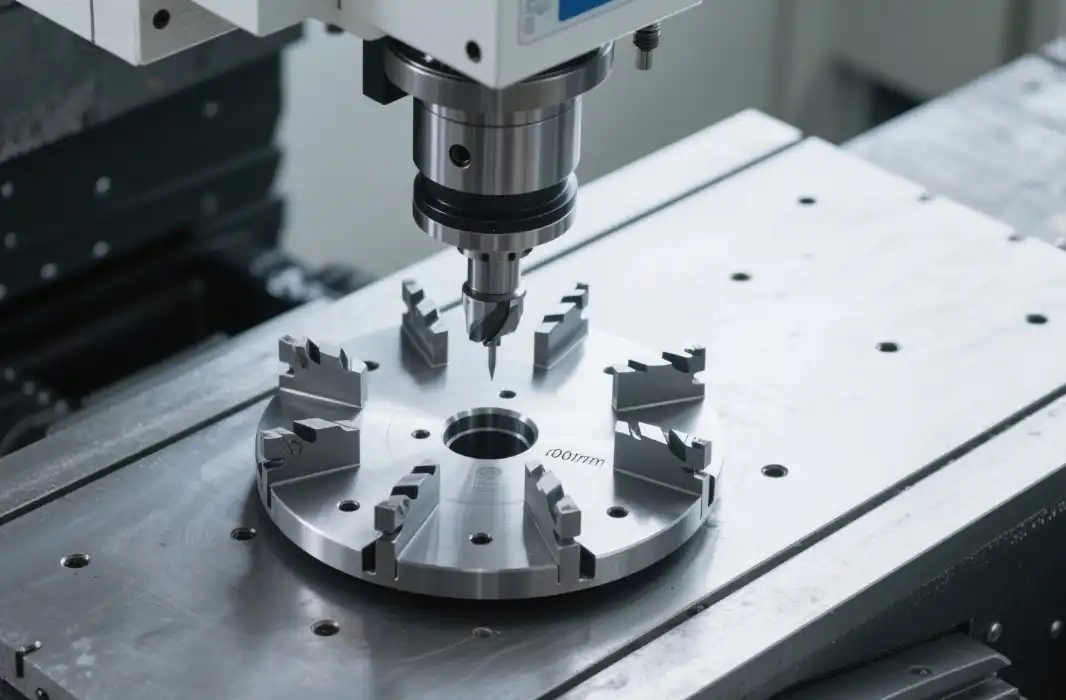
Finally, picking between vacuum forming manufacturers in China and France rests on how well the costs, quality, and needs of the project are balanced. Chinese makers have low prices and can make a lot of things, which makes them a great choice for projects that need to be done quickly and cheaply. French makers are great at precision, new ideas, and specialized uses, making them perfect for fields that need high-tech, complicated solutions. When making their choice, businesses should think about things like the amount of work they need to do, the quality standards, the materials they need, and the needs of their field. In the end, the best choice might be a mix of the two, using the best parts of each to get the best quality and cost-effectiveness in vacuum forming projects.
FAQs
What are the best reasons to buy vacuum forming from a Chinese company?
Chinese manufacturers usually have lower prices, can make a lot of things, and give a lot of different materials.
Why would someone pick a French company that does vacuum forming?
French makers are known for their precise engineering, new ideas, and skill in working with difficult or specialized tasks.
What is the difference between Chinese and French quality standards?
International quality standards are followed by manufacturers in both countries, but French makers are known for being more precise in certain fields.
We are experts at high-quality vacuum forming for prototypes and small-scale production here at BOEN Prototype. We offer precision and cost-effectiveness in plastic and metal materials across a wide range of businesses. We offer custom solutions to meet the needs of your project because we are a top provider and manufacturer in the field. Get in touch with us at contact@boenrapid.com to talk about how our vacuum forming services can help you make your design ideas come to life.
References
Zhang, L., & Wang, S. (2021). Comparative Analysis of Vacuum Forming Techniques in China and Europe. Journal of Manufacturing Technology, 45(3), 278-295.
Dupont, M., & Lefevre, C. (2020). Innovation in French Vacuum Forming: A Case Study of Aerospace Applications. International Journal of Industrial Engineering, 18(2), 112-128.
Li, X., et al. (2022). Cost-Effectiveness in Large-Scale Vacuum Forming: Lessons from Chinese Manufacturing. Production Economics Review, 33(4), 401-417.
Moreau, P., & Schmidt, H. (2019). Quality Control Measures in European Vacuum Forming Industries. Quality Assurance in Manufacturing, 27(1), 56-72.
Chen, Y., & Brown, R. (2023). Global Trends in Vacuum Forming: A Comparative Study of Asian and European Markets. International Business Review, 40(2), 189-205.
Smith, J., & Garcia, A. (2021). Material Innovations in Vacuum Forming: A Cross-Continental Analysis. Journal of Polymer Science and Technology, 29(3), 301-318.