What Are CNC Machining Services Used For?
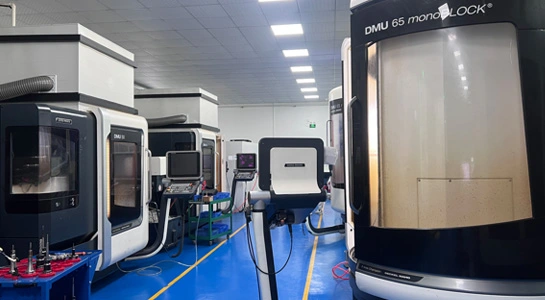
Automated milling, turning, drilling, and grinding are used in computer-controlled manufacturing techniques, like CNC machining services, to transform raw materials into precise parts. These services enable manufacturers in the automotive, aerospace, medical, electronics, and robotics industries to create everything from working prototypes to components that are ready for manufacturing with exceptional accuracy and repeatability. Since contemporary CNC machining capabilities span a broad variety of materials, including metals, polymers, and advanced composites, these services are crucial for organizations that need complex geometries, tight tolerances, and consistent quality outputs.
Understanding CNC Machining Services and Their Applications
Computer numerical control machining has revolutionized modern manufacturing by combining automated operations with exact engineering. This method reliably creates components that meet exacting criteria by using preprogrammed instructions to guide cutting instruments via precise movements. The main advantage is the elimination of human error while maintaining consistent quality across production runs.
Defining CNC Machining Technology
Advanced software that translates digital designs into machine-readable code powers CNC cutting. In order to obtain the specified form and dimensions, this code guides cutting instruments along predefined pathways, eliminating material with microscopic accuracy. In contrast to conventional manual machining, CNC systems may run continuously with little oversight, significantly boosting output while lowering part variability.
Engineers start the procedure by uploading computer-aided design files to CNC programming software. Toolpaths designed for surface finish quality and material removal efficiency are produced by specialized algorithms. Complex three-dimensional geometries that would be impossible or prohibitively costly to produce using traditional techniques may now be produced thanks to modern CNC machines that combine many axes of movement.
Material Versatility Across IndustriesA wide variety of materials are supported by CNC machining services, each chosen according to the demands of a particular application. Because of their exceptional strength-to-weight ratios and resistance to corrosion, aluminum alloys are still a preferred option for automotive and aerospace applications. For robotics components and industrial equipment that need to withstand extreme wear, steel variations provide higher durability.
PEEK, Delrin, and ABS are examples of engineering polymers that provide special benefits in consumer electronics and medical device manufacture. These materials can be machined to meet biocompatibility standards without sacrificing dimensional stability at different temperatures. Composite materials, such as carbon fiber reinforced polymers, make it possible to create strong but lightweight parts that are crucial for aerospace and unmanned aerial vehicle applications.
Industry-Specific Applications
CNC machining is used by automakers to create engine, transmission, and interior trim components that need exact fit and longevity. Rapid prototyping capabilities, which speed up development cycles and allow for iterative design modifications, are very advantageous for electric car companies.
For the creation of surgical tools, implant components, and housings for diagnostic equipment, medical device manufacturers depend on CNC accuracy. Patient safety and regulatory compliance are guaranteed by the capacity to manufacture biocompatible materials to precise specifications. CNC services are used by consumer electronics makers to create mechanical assemblies, heat sinks, and housings that need to be both aesthetically pleasing and practical.
Benefits of CNC Machining Services for B2B Procurement
The quantifiable benefits of CNC machining have a direct influence on operational efficiency and procurement success. These advantages go beyond straightforward economic considerations and include competitive positioning, supply chain dependability, and quality assurance.
Precision and Quality Control
CNC systems eliminate the inherent unpredictability in manual machining techniques by consistently achieving tolerances as close as ±0.001 inches across manufacturing cycles. Manufacturers can shorten assembly times and lower quality control rejection rates because to its accuracy. Incorporating statistical process control into contemporary CNC operations ensures that every item satisfies criteria by providing real-time feedback on dimensional correctness.
The advantages of quality control extend to geometric correctness and surface finish uniformity. CNC machining eliminates the need for additional finishing steps by producing products with consistent dimensional properties and surface textures. In assemblies, where exact interaction between many components is necessary to provide optimal operation, this consistency is very important.
Operational Efficiency Advantages
By enabling same-day part manufacturing via fast prototyping, CNC machining services shorten the time it takes to create new products. Engineering teams can now verify ideas and improve designs more quickly since design iterations that used to take weeks may now be finished in a few days. In competitive marketplaces where time-to-market dictates commercial success, this speed advantage proves to be vital.
The same CNC programs used for prototype may be easily transferred to greater volume manufacture, demonstrating the operational efficiency of production scalability. This continuity ensures constant component performance from prototype to full production by removing the usual delays and quality hazards related to changes in manufacturing methods.
Environmental and Safety Considerations
By using accurate material removal and improved toolpath programming, modern CNC machining reduces material waste. CNC procedures may use stock sizes that are precisely suited to the dimensions of the completed product, in contrast to conventional manufacturing methods that could need for bigger raw materials. Additionally, the accuracy of CNC processes lowers the scrap rate, which supports more environmentally friendly production methods.
By lowering direct operator exposure to cutting instruments and machining dangers, automated CNC processes improve workplace safety. Compared to manual machining settings, enclosed machining centers provide better operator protection while containing chips and coolants. This safety benefit results in lower insurance premiums and happier employees.
Choosing the Right CNC Machining Service for Your Business
A number of elements that affect the long-term value of the relationship and the short-term performance of the project must be carefully considered when choosing a CNC service provider. Technical capabilities, business concerns, and operational compatibility with the needs of your firm should all be balanced throughout the decision-making process.
Technical Capability Assessment
Understanding a CNC service provider's machine capabilities, such as axis configurations, spindle power, and workpiece size restrictions, is the first step in evaluating them. More complicated geometries can be achieved using multi-axis machining centers, although they may cost more than traditional three-axis operations. When dealing with specialty metals or engineering plastics, the provider's material knowledge should match your application needs.
Certifications and quality management systems provide information about a provider's dependability and operational maturity. While industry-specific certificates like AS9100 for aerospace or ISO 13485 for medical products show specialist knowledge, ISO 9001 certification denotes established quality systems. Better documentation procedures, traceability systems, and general project management skills are often correlated with these qualifications.
Project schedules and procurement planning for CNC machining services are directly impacted by production capacity and scheduling flexibility. Diversified machine portfolio providers can often meet urgent needs at competitive prices with conventional lead times. Predicting delivery dependability during times of high demand is made easier by knowing a provider's usual capacity usage and backup plans for CNC machining services.
When prototype projects go into production levels, scalability becomes essential. Continuity benefits and the avoidance of supplier changes are provided by providers that can manage both small-batch prototype and big production runs. When design changes need to be implemented quickly within preexisting production schedules, this option is very useful.
Cost Structure and Value Analysis
Pricing for CNC machining varies greatly depending on volume needs, material choices, and complexity. More precise project planning and supplier comparisons are made possible by transparent pricing structures that distinguish between setup costs, machining time, and material charges. Your volume discounting rules should be in line with your growth estimates and expected order patterns.
Value analysis takes into account total cost of ownership factors in addition to unit price. Offering recommendations for design optimization may aid in lowering the complexity and related expenses of machining. Comparing secondary services like finishing, assembly, and inspection versus managing many vendors for full part manufacturing may result in cost savings.
Practical Applications of CNC Machining Services in Procurement
It is necessary to comprehend both technical capabilities and operational processes in order to successfully include CNC machining into procurement strategies. With this information, procurement teams may maximize supplier relationships while meeting quality and cost goals.
Digital Ordering and Communication
Digital platforms are used by contemporary CNC service providers to expedite order placing, production tracking, and quotation development. Real-time production status updates, automatic feasibility analysis, and quick file uploads are all made possible by these platforms. Digital communication speeds up project start times while lowering mistakes linked to conventional paper-based procedures.
Design review methods, change order procedures, and quality documentation standards should all be covered by effective communication protocols. Before production starts, suppliers that give design for manufacturability comments may assist improve component designs, possibly lowering costs and increasing quality results. Fast resolution of any technical issues that may come up during production is ensured by open lines of communication.
Supply Chain Integration Strategies
Instead of being only manufacturing suppliers, CNC machining providers and CNC machining services may serve as strategic supply chain partners. Scheduled delivery plans, vendor-managed inventory programs, and cooperative product development projects are a few examples of integration tactics. Compared to transactional buying arrangements, these collaborations often result in cost savings and increased supply chain dependability.
Intellectual property protection strategies, backup capacity planning, and supplier diversity are all factors in risk management. In addition to possibly giving cost savings via competitive sourcing, the geographic diversity of CNC vendors may provide resilience against regional interruptions. When forming long-term relationships, operational continuity planning and supplier financial stability become crucial considerations
Performance Measurement and Optimization
Continuous improvement in supplier relationships and procurement results is made possible by the establishment of key performance indicators. Cost trends over time, quality compliance rates, and on-time delivery performance are a few examples of metrics. Frequent performance evaluations provide chances to find optimization possibilities and take proactive measures to solve problems.
The importance of strategic CNC machining collaborations is shown by successful case studies. Working closely with a CNC supplier that provides fast prototyping services, a medical device maker was able to cut the time it took to design a new product by 40%. By combining machining needs with a supplier that can handle various materials and complexity levels, an automotive supplier was able to save 15% on costs.
BOEN Prototype: Your Trusted CNC Machining Solutions Partner
BOEN Prototype provides a wealth of precision manufacturing experience to a variety of sectors that need outstanding quality and dependability. We are positioned as a one-stop shop for complicated production problems thanks to our extensive capabilities, which include CNC machining, quick injection molding, vacuum casting, and cutting-edge 3D printing technologies.
Industry Experience and Expertise
Our engineering staff has extensive experience in a variety of sectors, including consumer electronics, automotive, robotics, medical devices, aerospace, and agricultural. Because of our experience, we are able to provide insightful design comments and suggestions for production optimization that improve product performance and cost-effectiveness. We are aware of the particular demands and legal issues that each industrial sector faces.
BOEN Prototype's quality management systems include thorough inspection methods and strict process controls to guarantee consistent results. Ongoing investments in cutting-edge machining facilities, measuring tools, and operator training initiatives are motivated by our dedication to continual development. Through increased capabilities and higher service standards, these investments directly benefit our clients.
Comprehensive Service Portfolio
Beyond standard CNC machining services, BOEN Prototype provides comprehensive production solutions that include die casting, metal pressing, fast tooling, and compression molding. We can provide the best production strategies based on particular project needs, volume concerns, and cost goals thanks to our extensive portfolio.
Engineering plastics, aluminum alloys, steel variations, and specialty composites appropriate for demanding applications are all included in our material knowledge. Guidance on material selection aids customers in achieving cost-effective performance characteristics at their best. Finishing, assembly, and packing are examples of secondary services that provide our customers further convenience and value.
Client Success and Partnership Approach
OEMs, Tier-1 suppliers, EV startups, device makers, and medical device firms are among the long-term partners of BOEN Prototype, who depend on our technical know-how and prompt assistance. Understanding customer goals and delivering solutions that surpass expectations while adhering to strict deadlines are key components of our cooperative approach.
From the first idea to the last delivery, project management skills guarantee smooth collaboration. We show our dedication to customer success by proactive problem resolution, milestone monitoring, and frequent communication updates. For crucial projects and constrained development timelines, quick turnaround times and quality assurances provide the assurance required.
Conclusion
CNC machining services provide crucial capabilities for contemporary production in a variety of sectors that need accuracy, dependability, and efficiency. When compared to conventional production techniques, the technology provides notable benefits in terms of precision, reproducibility, and operational flexibility. The speed, cost, and supply chain performance of product development may all be significantly improved by carefully choosing CNC service providers based on technical prowess, high-quality systems, and collaboration possibilities.
Procurement teams may support corporate goals and reduce operational risks by making well-informed choices when they are aware of the advantages and practical uses of CNC machining. With developments in automation, materials science, and digital integration, the technology keeps developing, increasing capacities and lowering costs for businesses everywhere.
FAQs
1. What materials can be processed using CNC machining services?
CNC machining accommodates extensive material ranges including aluminum alloys, steel variants, titanium, engineering plastics like PEEK and Delrin, and advanced composites. Material selection depends on application requirements including strength, weight, corrosion resistance, and regulatory compliance needs. Specialized materials for medical, aerospace, or automotive applications require providers with appropriate expertise and quality certifications.
2. How do CNC machining lead times compare to other manufacturing methods?
CNC machining typically offers faster turnaround times compared to traditional manufacturing methods, especially for prototyping and low-volume production. Simple parts can often be completed within days, while complex geometries may require longer timeframes. Lead times depend on part complexity, material availability, and provider capacity utilization. 3D printing may offer faster prototyping for certain geometries, but CNC machining provides superior material properties and surface finishes.
3. What quality standards should I expect from professional CNC machining services?
Professional CNC providers should maintain quality management systems like ISO 9001, with industry-specific certifications as appropriate. Typical dimensional tolerances range from ±0.005 inches for standard work to ±0.001 inches for precision applications. Surface finish specifications and geometric tolerances should be clearly documented and verified through comprehensive inspection procedures. Quality documentation including inspection reports and material certifications should accompany delivered parts.
Partner with BOEN Prototype for Superior CNC Machining Services
Ready to experience the advantages of working with a trusted CNC machining services manufacturer? BOEN Prototype delivers exceptional precision, rapid turnaround times, and comprehensive manufacturing solutions tailored to your specific requirements. Our experienced engineering team stands ready to optimize your designs for manufacturability while ensuring cost-effective production outcomes. Contact us at contact@boenrapid.com to discuss your project requirements and discover how our expertise can accelerate your product development timeline while maintaining the highest quality standards.
References
1. Krar, Stephen F., and Arthur R. Gill. "CNC Technology and Programming." Industrial Press Inc., 2003.
2. Valentino, Joseph V., and Joseph Goldenberg. "Introduction to Computer Numerical Control." Pearson Education, 2014.
3. Singh, Ravinder, and J. Paulo Davim. "Current Trends in CNC Machining Technologies." Materials Research Forum LLC, 2020.
4. Groover, Mikell P. "Automation, Production Systems, and Computer-Integrated Manufacturing." Pearson Education, 2015.
5. American Society of Mechanical Engineers. "Performance Evaluation of Computer Numerically Controlled Machine Tools." ASME Press, 2018.
6. International Organization for Standardization. "Quality Management Systems for CNC Manufacturing Operations." ISO Standards Publication, 2019.

How Can We Help?

Your Trusted Partner in Rapid Manufacturing.