3D Printing Manufacturing Services in China Explained
3D printing services in China are always a good choice for global companies looking for industrial solutions that are both efficient and scalable. China has become a major center for additive manufacturing, with advanced technologies like Fused Deposition Modeling (FDM), Stereolithography (SLA), and Selective Laser Sintering (SLS) that meet a wide range of business needs. If you know what Chinese 3D printing companies offer, you can make smart purchasing decisions that balance speed, quality, and new ideas, whether you're an auto OEM testing powertrain concepts, a medical device manufacturer making prototypes of biocompatible parts, or an aerospace engineer testing UAV structures.
Understanding the Core Technologies Behind 3D Printing in China
FDM Technology for Functional Prototyping
FDM is still used by many Chinese makers because it gives accurate results for trying functionality and confirming ideas. With this technology, thermoplastics are pushed out layer by layer, making things that can handle mechanical force in the real world. Automotive companies often use FDM to make samples of interior trim and mounting pieces, and robotics companies like how it can make lightweight structural parts. Because the materials are so flexible, like ABS, nylon, polycarbonate, and custom composites, engineers can make tools that fit the needs of each application without spending a lot of money on them.
SLA Technology for High-Resolution Applications
Stereolithography works really well when correctness in the details and the finish of the surface are very important. Chinese service providers use SLA to make samples that look good, housings for lights, and complicated shapes that are hard for traditional manufacturing to copy. Brands of consumer goods use this technology to make cases with smooth surfaces that look a lot like injection-molded items. Precision from SLA helps companies that make medical devices make ergonomic testing samples or unique surgery guides. It's possible to cure photopolymer resins with exact accuracy, which lets you get feature clarity that meets strict design requirements.
SLS Technology for Durable End-Use Parts
Selective Laser Sintering is used in situations where strength and resistance to heat are very important. SLS makes parts without needing support structures by melting powder materials with laser energy. This lets complex internal channels and organic shapes be made. Aerospace teams use SLS to make parts for drones that have to withstand tough flight tests. Manufacturers of industrial equipment like how the technology can be used to make useful parts for small-batch production. Engineers can choose from a variety of materials, such as nylon blends, glass-filled polymers, and specific powders, that offer the best mix of weight, strength, and temperature performance.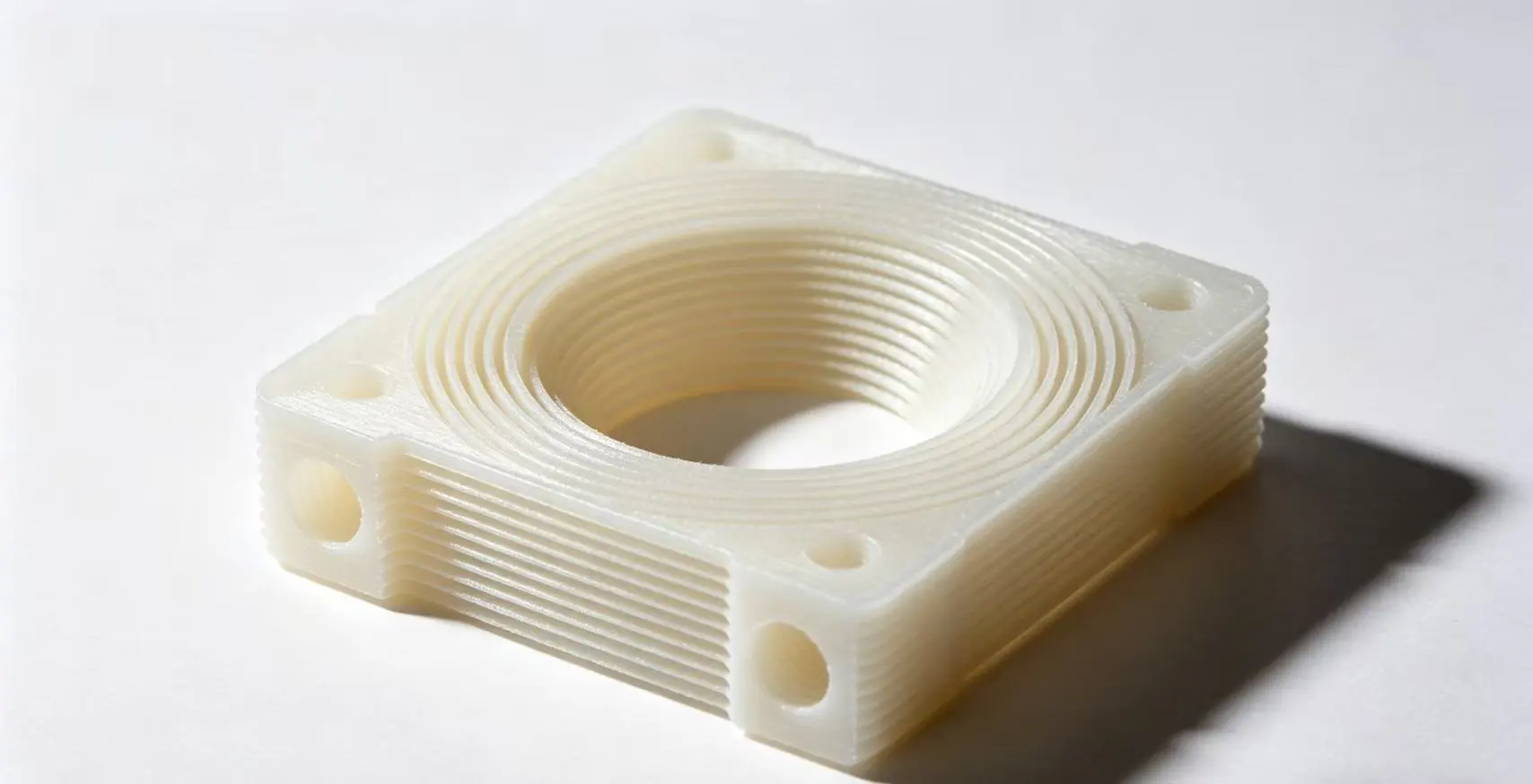
Advantages of Partnering with Chinese 3D Printing Manufacturers
There are clear benefits to manufacturing in China that go beyond just saving money. The environment backing additive manufacturing has grown up a lot, which gives benefits that engineers and procurement workers are becoming more aware of when they look at suppliers.
Industrial Capacity and Production Scalability
Chinese makers have factories with a lot of machines that can do both fast prototyping and full production runs of bridges. This feature is very helpful when time is limited for making a product or when checking the market needs hundreds of units instead of just a few. EV companies that are starting new car platforms don't have to switch suppliers between design validation and pre-production testing. Testing companies that are doing comparison studies can get to the number they need quickly. This scalability is made possible by infrastructure like climate-controlled production areas, separate offices for post-processing, and quality control tools that make sure consistency across all batch sizes.
Access to Advanced Equipment and R&D Support
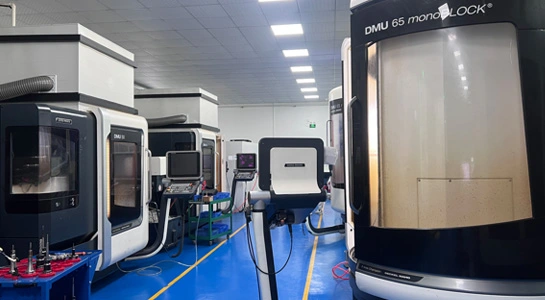
In China's industrial areas, more and more money is being put into cutting-edge additive production equipment. Modern SLA machines that can make a lot of parts at once, multi-laser SLS systems that shorten cycle times, and industrial FDM printers with hot tanks are what most established providers use now. With this base of tools, manufacturers can take on difficult jobs that need tight tolerances or unique material qualities. Chinese companies' R&D teams work directly with customers to make sure that part designs are as easy to make as possible. They do this by offering design changes that make the parts stronger, lighter, or better in terms of surface quality. This method of technical teamwork helps engineers solve common problems with additive manufacturing before they start making things.
Comprehensive Post-Processing Capabilities
Often, raw 3D printing parts need to be finished in order to meet final requirements. Chinese companies offer a wide range of post-processing services that turn printed parts into goods that are ready to sell. Surface processes like grinding, polishing, painting, and coating make things look better and last longer. Some examples of mechanical processes are CNC cutting for tight standards, tapping and threading for assembly features, and installing inserts for hardware that works. When clients use assembly services, they get subassemblies instead of loose parts, which speeds up their own production processes. This unified method cuts down on the number of suppliers you need while keeping quality control high throughout the whole manufacturing process.
Efficient Logistics and Export Infrastructure
China's export infrastructure has changed over time to support global business-to-business purchases very efficiently. Manufacturers keep in touch with foreign freight forwarders who know how to handle technical parts and make sure they are properly packaged and documented. There are different shipping choices that can be used, such as quick air freight for prototypes and cheap sea freight for bigger production quantities. Export processing zones and simplified customs procedures cut down on delays that can throw off plans for growth. Experienced sellers know the rules for international handling and take extra care to keep items safe during shipping, because they know that a perfect part that comes broken is useless.
Selecting the Right 3D Printing Partner: Decision Criteria That Matter
To pick a Chinese 3D printing provider, you need to do more than just look at websites and compare prices. Procurement teams make successful relationships when they use strict criteria that can predict long-term performance and dependability.
Technical Capability Assessment
Check to see if a possible partner's technology portfolio fits the needs of your project. Ask for full information about the machine's skills, such as its build volume, layer precision, and material certifications. Find out if the provider offers design support services and if they have engineers on staff who can look over files to make sure they can be manufactured. Ask about limits on capacity and changes in lead times during busy times. A competent seller gives clear answers and shows they are ready to talk about technical limits as well as their strengths. Being honest like this keeps you from getting shocks that throw off project plans.
Quality Management Systems and Certifications
ISO 9001 certification means that a company follows written quality management standards, but it's more important to know how inspections are done than to just have a license. Find out how the arriving materials are inspected, how the work is being watched, and how the end part is checked. Ask to see samples of inspection records or other quality paperwork that comes with shipments. Manufacturers of medical devices should ask directly about ISO 13485 compliance and knowledge with materials that are biocompatible. Customers in the aerospace industry need providers who know about the AS9100 standards and traceability processes. Consistency is directly linked to the depth of quality systems, especially when repeat orders or projects with multiple batches are put into production.
Intellectual Property Protection Measures
IP worries do legitimately affect choices about which suppliers to choose. Reputable Chinese makers know how sensitive this issue is and make following privacy rules normal business practice. Check to see if sources are ready to sign non-disclosure agreements and what specific steps are taken to keep your design files safe. Ask about data protection measures, such as controls on who can access the computer and how long files can be kept. Talk about how the seller gets rid of old parts and prototypes. Industries that have been around for a while know that protecting client IP builds long-term relationships that are worth a lot more than the short-term wins that come from design theft.
Communication and Responsiveness Standards
For teamwork to work, there must be clear ways to communicate and project management that is quick. During the first meetings, you should see how quickly providers answer technical questions and whether their answers show that they really understand instead of just making general statements. Figuring out who your main contact is and whether that person can make decisions or just pass on messages is important. Ask about how people are kept in the loop during production, such as how progress is reported and how problems are dealt with. Time zone differences don't have to get in the way of working together if your suppliers set up teams so that they work around your schedules.
Technical Optimization for Manufacturing Success
To get the best results from Chinese 3D printing services, you need to pay close attention to design factors and be proactive about how things are made. When it comes to additive manufacturing, engineers who know the limits get better results than those who just send in CAD files and hope for the best.
Design File Preparation and Format Considerations
For additive manufacturing, STL files are still the norm, but the quality of these files changes a lot. Make sure that the resolution choices for exported STL files are set in a way that captures enough information while keeping file sizes doable. Extremely high-resolution files slow down processing but don't improve the quality of the part, and low-resolution exports make surfaces with faces that look bad. STEP or IGES formats are useful for first reviews of designs because they keep the original purpose of the features and let makers suggest changes. Instead of thinking that makers will figure out these requirements from the files you send them, include key dimensions, tolerance callouts, and surface finish standards in the documentation that goes with them.
Wall Thickness and Structural Design Principles
Each 3D printing technique has minimum wall thickness rules that make sure the parts stay together. For good strength, FDM usually needs walls that are at least 1.0 mm thick. SLA can handle walls that are 0.6 mm to 0.8 mm thick in many resins, and SLS can handle walls that are 0.7 mm to 1 mm thick, depending on the material used. When you design below these limits, you end up with fragile parts that are easy to break when you use or handle them. On the other hand, SLA parts with sections that are too thick might not fix all the way through, leaving soft material inside that makes the mechanical traits worse. Chinese makers with strong technical teams bring these problems up during the design review process. However, engineers who are proactive and know these principles can speed up the project timeline by sending designs that can be made right away.
Common Manufacturing Challenges and Solutions
In FDM printing, big flat areas can warp when cooling pressures make parts curl away from the build platforms. Manufacturers try to fix this by using heated rooms, better support systems, and the right materials. Surface finish changes happen when layer lines are more noticeable than expected. This can be fixed in post-processing, but design changes, such as changing the direction of the part during printing, can lessen the effects that can be seen. Tolerance stack-up in parts needs to be carefully planned because additive manufacturing can get tighter tolerances in some dimensions than traditional methods but not so well in others. Experienced sellers help clients think about these things by telling them which standards are easy to meet and which ones need extra work.
Value-Added Post-Processing Services
Chinese makers offer more than just simple finishing. They also offer specific treatments that make parts more useful. Vapor smoothing makes the surface of ABS FDM parts better, giving them shiny ends that are good for use with consumers. Metal finishing gives SLA prototypes shiny finishes that look good and let electricity flow through them. Overmolding mixes cores that were 3D printed with soft-touch grips or covers that were injected into the cores. Painting services include simple plain colors as well as more complicated multi-tone finishes that include blocking and adding graphics. With these features, prototypes can be turned into presentation models that can be used for investment meetings, trade shows, or market research studies where how something looks affects how people feel about it.
Real-World Applications Across Industries
Chinese 3D printing services are useful in many areas, and specific uses show how flexible the technology is and how it can speed up the development of new products.
Automotive Sector Rapid Prototyping
An American car parts company that is making new cases for electric vehicle batteries teamed up with a Chinese company to make working samples for thermal testing. Because five design changes could be made in three weeks, each one using test data from the previous version, development times were cut down from months when standard testing methods were used. For actual tests, SLS nylon composites had the mechanical strength and thermal resistance needed. The manufacturer's design team also offered rib reinforcements that made the structure work better without adding a lot of weight.
Medical Device Development and Compliance
A medical device startup that makes ergonomic surgery tools worked with a Chinese company that has a lot of experience with biocompatible plastics. The maker made several handle geometries that surgeons tested during usage testing. Feedback about grip comfort and tool balance was added to each version. The supplier helped the company get FDA clearance because it knew about material biocompatibility certifications and was ready to provide supporting documents for regulatory submissions. This relationship showed that Chinese makers not only help with part production, but also with the whole process of making new products.
Aerospace Component Testing and Validation
For flight tests, an aerospace engineering team working on a new UAV body needed lightweight structure parts. Chinese SLS technology made complex internal grid structures that improved the ratio of strength to weight and let design changes be made quickly based on data from flights. Because the factory could make 20-unit batches, the engineering team was able to do thorough tests without having to wait too long. By going through loops of build, test, and modify every two weeks, this iterative method sped up the certification process and cut down on total development costs compared to more traditional manufacturing paths.
Consumer Electronics Aesthetic Prototypes
A company that makes smart home devices was introducing a new line of products and needed high-quality prototypes that looked good for focus groups and displays to store buyers. The Chinese provider used SLA technology to make cases with smooth surfaces and high resolution for small details. They then added custom color matching and images that were silk-screened. People in the focus group thought they were looking at finished goods because the samples looked so much like production injection-molded parts. This realism helped the market give useful feedback, which changed design choices before spending a lot of money on production tools.
Conclusion
Chinese 3D printing manufacturing services are very useful for businesses in the medical, aircraft, consumer electronics, automobile, and other industries. Advanced technologies, scalable capacity, full post-processing capabilities, and efficient transportation all work together to create a value offering that goes beyond just saving money. To be successful, you need to carefully choose your suppliers based on their professional skills, quality systems, and communication standards, not just price. When engineers understand the basics of additive manufacturing and work together with Chinese partners, they get the best results that speed up product development while keeping quality standards high. China's additive manufacturing ecosystem is well-developed, making it a valuable resource for businesses that want to shorten the time it takes to create new goods and get them to market faster.
FAQ
What lead times should we expect for 3D printed parts from Chinese manufacturers?
Standard prototype projects usually take between 5 and 7 working days to ship, but this can change depending on the 3D printing technology used, the complexity of the part, and any post-processing that needs to be done. Parts made with SLA that don't need much finishing usually ship in three to five days. On the other hand, complex SLS systems that need a lot of cutting may take ten to fourteen days. For extra fees, rush services can sometimes send items within 48 to 72 hours to meet urgent needs. Production numbers naturally stretch schedules by the same amount. Schedules are set by batch size and machine capacity. When you ask for quotes, let providers know what kind of timeline you need so they can commit to delivery dates that can be met instead of overly optimistic estimates that lead to sadness.
How do Chinese manufacturers protect intellectual property and confidentiality?
Reputable makers use multiple layers of IP protection, such as non-disclosure agreements that are signed, password-protected limited server access, and methods for handling private files. Instead of names that describe the object, design files are given unique identification codes. Only key employees are still allowed to access the production floor, and finished samples are shipped without copies or molds being kept. Parts that are no longer needed are destroyed safely, and proof is available upon request. Established suppliers know that protecting their clients' intellectual property (IP) is an important way to build long-term relationships and set themselves apart from less skilled competition.
Partner with BOEN Prototype for Expert 3D Printing Manufacturing
In many fields, like cars, medical devices, aerospace, and consumer electronics, BOEN Prototype specializes in fast prototyping and low-volume production. In addition to SLA and SLS 3D printing, we also do CNC machining, fast injection molding, vacuum casting, and metal processing. This means that we can offer full solutions for all of your product development needs. Because we've worked with so many OEMs, Tier-1 suppliers, device makers, and engineering teams during their development stages, we know what the technical needs are for functional validation, ergonomic testing, and pre-production parts. Our quality control systems, experienced tech support, and dedication to safeguarding your intellectual property make sure that our partnerships are reliable and get results. Get in touch with our team at contact@boenrapid.com to talk about your project needs with a reliable 3D printing company that knows both the technology and the difficulties your industry faces. Let us show you how our knowledge can shorten the time it takes to build your goods while still meeting the quality standards they need.
References
Gibson, I., Rosen, D., & Stucker, B. (2015). Additive Manufacturing Technologies: 3D Printing, Rapid Prototyping, and Direct Digital Manufacturing. New York: Springer.
Wohlers, T. (2020). Wohlers Report 2020: 3D Printing and Additive Manufacturing State of the Industry. Fort Collins: Wohlers Associates.
Redwood, B., Schöffer, F., & Garret, B. (2017). The 3D Printing Handbook: Technologies, Design and Applications. Amsterdam: 3D Hubs.
Lipson, H., & Kurman, M. (2013). Fabricated: The New World of 3D Printing. Indianapolis: John Wiley & Sons.
Sculpteo. (2019). The State of 3D Printing: Survey and Analysis of Professional Users in the Manufacturing Industry. Paris: Sculpteo Industry Report.
Campbell, T., Williams, C., Ivanova, O., & Garrett, B. (2011). Could 3D Printing Change the World? Technologies, Potential, and Implications of Additive Manufacturing. Washington: Atlantic Council.

How Can We Help?

Your Trusted Partner in Rapid Manufacturing.