Aluminum Parts Machining Guide for Precision and Strength
Cut aluminum parts for uses that need both light materials and reliable mechanics. This gives you the most accuracy and structural integrity. With this method, CNC technology, milling processes, and finishing methods are used to turn raw metal into parts that have very tight standards, generally within ±0.005mm to ±0.01mm. Some of the areas that use this method are aerospace and medical equipment. Aluminum is used because it doesn't rust, is strong for its weight, and moves heat well. Because of these qualities, it is necessary for making working prototypes, production-grade enclosures, and structural parts that need to be the right size and work the same way every time.
Understanding Aluminum Parts and Their Properties
As of today, aluminum parts are a big part of many industries, like gadgets, airplanes, medicine, and cars. Because it has a unique mix of physical qualities, builders can use it to make things that are fast without being too heavy.
Why Aluminum Dominates Multiple Industries
Metal is being used more and more in a lot of different ways. Car companies use machined aluminum to make engine housings and structural parts that meet crash safety standards and keep the weight of the car down. Aluminum is a metal that flight engineers choose for UAV frames and airplane parts when weight is very important. Medical device makers use aluminum to make the housings of non-invasive tools that need to be safe and hard to clean. Aluminum casings are used by companies that make consumer electronics because they keep heat away and block electromagnetic waves.
Material Properties That Define Performance
Aluminum weighs about 2.70 g/cm³, which is about one-third as much as steel but gives it more strength. There are different kinds of alloys that can be used for different projects. Grade 6061-T6 can be used in military settings and outside because it doesn't rust and is easy to make. Grade 7075-T6 is good for high-stress airplane parts because its yield strength is about the same as some steels. For military use, Grade 5052 doesn't rust the most when it comes into contact with saltwater.
The thermal conductivities of most metals are between 120 and 180 W/m-K. This means that heat can easily escape from power circuits and LED lighting systems. Since aluminum is a good conductor of electricity, it can be used to ground gadgets and keep them safe from electromagnetic fields. The substance is naturally not likely to rust because it has a thin oxide layer that forms when air touches it. But other things done to the top make it last longer.
Aluminum Forms and Machining Considerations
There are various kinds of raw metal, and each one cuts differently. Billet stock, which is made of solid metal blocks, lets CNC milling work with difficult forms and tight tolerances. In order to make frame and case parts, sheet aluminum can be bent, punched, and formed. Cross-sections that are always the same are made by extrusions for structural parts and frame systems. Most of the time, cast aluminum needs to be made again to get it to the exact specifications that are needed.
What tools you can use, how fast you can cut it, and how smooth the surface can be depend on the shape of the material. You can make more designs with billet cutting, but it also wastes more. The good news is that metal chips are still simple to recover. By limiting the forms that can be made, sheet metal casting cuts down on waste. It helps buying teams pick materials that fit the project's needs and don't go over budget when they know about these trade-offs.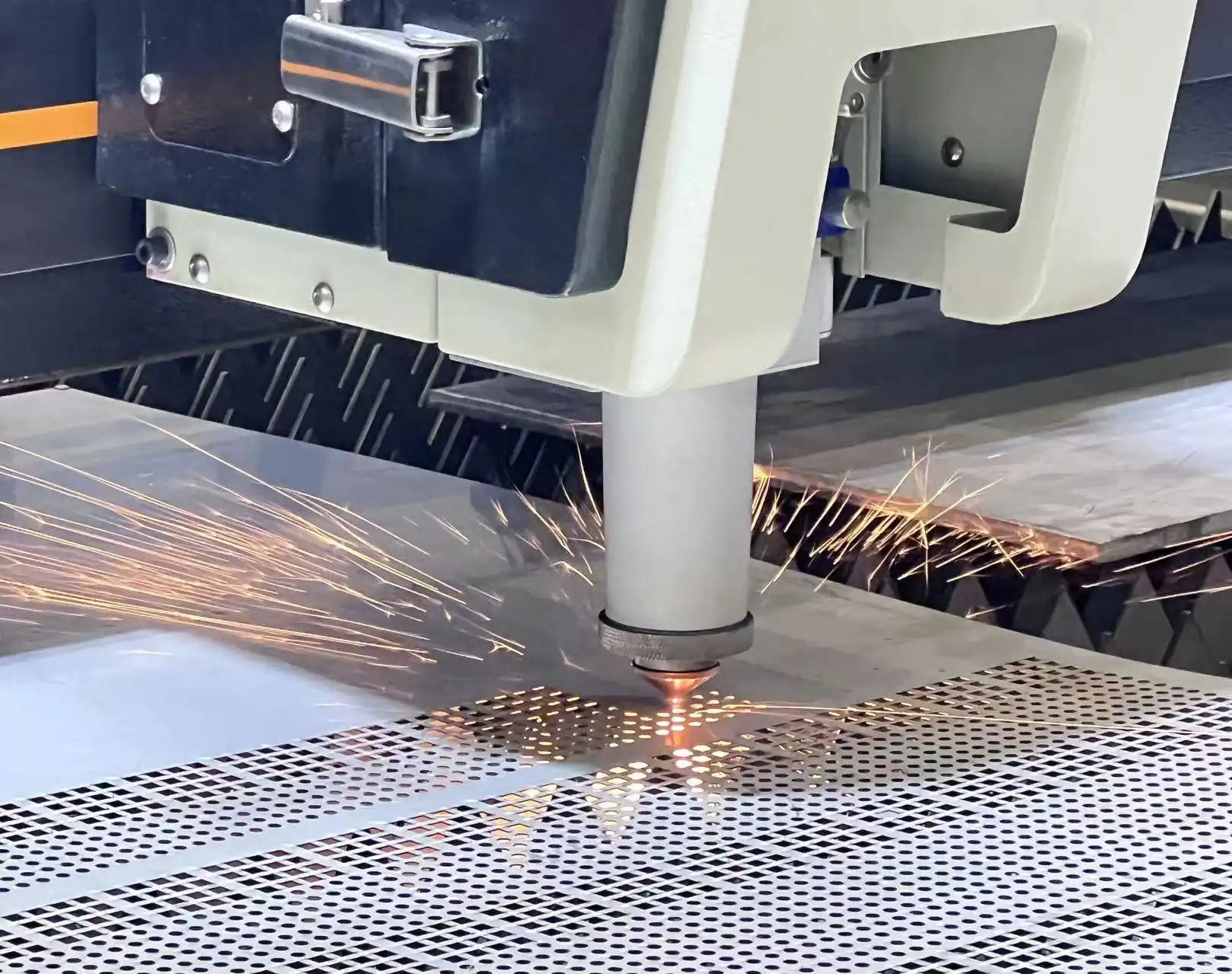
Aluminum Parts Machining Process Explained
Care must be taken to control the process and pick the right technology in order to turn raw metal into perfect aluminum parts. We now know a lot of different ways to machine things to make them look good and work well.
CNC Machining Technologies for Aluminum
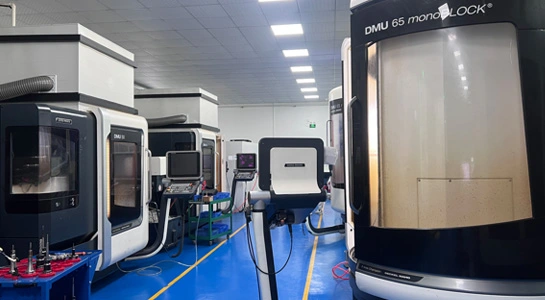
Cutting with computer numerical control (CNC) is the most important part of making small metal parts that fit together well. The three-axis milling centers do most of the general work. They make holes, pockets, and curvy areas by cutting away material from block stock. Five-axis machining centers can handle complex shapes since they can reach more than one face of a part without moving it. This cuts down on the time needed to set up and improves the quality of parts for medical devices and airplanes.
In CNC turning, parts like shafts, bushings, and threaded links are made on lathes that spin the object against cutting tools that stay in place. Swiss-style turning is a great way to make parts with small sizes that need to be very precise and are commonly used in electronics. A lot of modern machine centers have sets that can mill and turn at the same time. This gets rid of the need to make mistakes when moving between tools.
Cutting aluminum at high speeds is faster than cutting metals that are harder to work with because aluminum is easy to work with. The material is soft and has a low melting point (around 650°C), which lets it be fed and worked at high speeds without wearing out the tools too quickly. Aluminum is bendable, so workers have to be very careful when they remove chips. Chips can weld to cutting edges if there isn't enough water. Flood coolants or through-spindle coolant systems keep tools in good shape and make the surface finish last longer when they are used properly.
Achieving Precision Through Process Control
A lot of things are linked together and depend on accurate readings. How easy it is to make depends on what grade of material you choose. For instance, Grade 6061-T6 is easy to make and doesn't leave chips behind, but Grade 7075-T6 needs stronger tools and slower speeds because it is stronger. How smooth the surface is and how well it holds tolerances depend on the shape of the tool and the covering that is used. Carbide tools have polished holes that reduce friction and keep metal from building up. Tools in factories last longer when they have coats on them like titanium aluminum nitride.
The cutting factors for each step need to be made better. Spindle speeds between 3,000 and 15,000 RPM are best for milling metal. You can change the feed rates to match the tool's width and the depth of cut. Most finish passes use light levels between 0.005 and 0.020 inches, and high speeds are used to get surface finishes that are less than 32 microinches Ra. Part edges don't get as many burrs when standard climb milling is used.
More than most people think, the state of the world is important. Heat can cause metal to expand and contract, which can change the size of a part while it is being measured. In climate-controlled production areas, the temperature stays the same, and parts are left to cool to room temperature before they are checked for quality. When designing fixtures, zero-point clamping methods are used to take stress off of workpieces without deforming them so that they can expand when heated during cutting.
Surface Finishing and Protection Methods
The surface of raw machined metal needs to be cleaned to protect it from rust and make it look better. A firm layer of aluminum oxide is formed through electrochemical processes during anodization. This layer guards against wear and rust for a long time. For decorative purposes, this process can be dyed with dye. The gray anodized finish on MacBook cases is an example of how flexible it is in terms of how it looks. Type II anodizing is used for most of the time. With Type III hard anodizing, coats are harder and less likely to come off in places where they rub against other things.
These chem film treatments, which are also known as chromate conversion coats, keep the metal's electrical qualities and make it easier for paint to stick. They also stop rust. This way is good for projects that need to be finished later or where the size changes that anodizing makes are not okay. You can choose from an endless number of colors when powder coating, and it makes things like outdoor gear and market goods more durable. Polishing makes things look like mirrors and brings out the shine in metal. But these finishes need clear coats to protect them from rust and keep them from getting dull.
Selecting and Sourcing Precision Aluminum Parts for Industry
To buy successfully, you need to find sellers whose skills meet what you need for the job. Trends have helped us tell the difference between sellers who are a pain and those who are a good partner for aluminum parts.
Evaluating Supplier Capabilities and Credentials
The first parts of a production capability review are the list of tools and the specialized skills that are available. For the forms of the parts they want to make, suppliers should keep their CNC machining centers up to date with the right work area sizes, spindle powers, and axis configurations. Five-axis equipment shows that you are very good at technology, but three-axis equipment can also do many things well. You should really check the quality of your work if you have inspection tools like coordinate measure machines, visual comparators, and surface finish testers.
One objective way to show that a process is ready is to give it a certification. Getting ISO 9001 approval sets up simple ways to keep track of quality. Getting AS9100 approval shows that you meet the higher standards used in the airplane business for controlling configurations and keeping track of them. It shows that you know how to make medical products if you get ISO 13485 approval. If you are registered with ITAR, you can work with defense-related information data. You can prevent capability misrepresentation by asking for proof papers when the seller is being qualified.
There needs to be a fair way to judge lead time standards. It might only take a few days to finish rush models, but it takes weeks to get the materials, make them, finish them, and check them. When providers give too short of dates, they often deliver late or don't give good quality. We keep in touch about realistic plans that take into account the materials that are available, the way the production line is moving, and what the finishing process needs.
Custom Fabrication Versus Catalog Components
Teams of engineers have to pick between parts that are already made and parts that are made just for them. Custom production is the best way to make sure that the product meets all of its needs without any problems. This method works well for forms that are hard to understand, materials that aren't common, or patterns that need to stay secret. If you want to change the size of a part, custom cutting lets you do it without having to buy new tools each time.
Catalog parts cut down on wait times and costs when the sizes that are offered meet the needs of an application. Standardized parts save money on planning and setup costs, but if they aren't physically perfect, they might not work as well or the design might need to be changed. It's sometimes best to use a hybrid method that blends base parts from a store with custom-machined features added through later steps.
Procurement Volume Strategies
Volume changes how prices are set and which providers are picked. Because they aren't spread out over many runs, sample numbers (usually one to ten pieces) can support higher prices because they take more time and work to set up. We are experts in this area of quick development, and we can give creators functional proof samples that help them decide what to do before they go ahead with production.
Before full production, there is bridge production, which makes fifty to several hundred pieces. People can order from this range before the production tools are made, so you can test the market and get orders in early. At this point, CNC cutting is still a good way to save money since you don't have to buy pricey injection mold or die-casting tools for thousands of pieces. The cost per unit goes down as the number of items bought increases when you buy them in bulk and set up your tools to work at their best times.
Benefits and Future Trends in Aluminum Parts Machining
As technology gets better and market needs change, CNC cutting for metal also changes. It helps buying teams plan for what the supply chain will need in the future to know about these ways and how they affect aluminum parts.
Industry-Specific Advantages Driving Adoption
In order to save fuel and reduce smog, more and more aluminum parts are being used in cars. Pieces of steel or cast iron were used to make engine blocks, transmission housings, suspension parts, and building blocks. Metals made of aluminum are now being used instead. A car needs less gas and can go farther on an energy charge for every kilogram it loses. We help automakers and Tier-1 providers make limited-edition cars in small quantities and test designs quickly to make sure they work.
Aluminum's high strength-to-weight ratio is important to the aircraft and unmanned aerial vehicle (UAV) businesses. The mass, flight time, and fuel use change by one gram for every gram. Airplane structures, electronics housings, and actuator parts must be made of aluminum metals that pass strict standards for testing and keeping track of materials. Drone makers depend on made metal frames that can take hits from crashes and keep their exact shape for flying control systems.
For non-implant tools, aluminum is biocompatible. It also doesn't break down when cleaned for reused equipment, and it's lighter for small tools that are used for long processes. Samples of aluminum that have been made into ergonomic testing samples give real feedback when human factors are being studied. Diagnostic equipment housings protect sensitive electronics from electromagnetic fields that could damage them.
Aluminum is used in smart home and consumer electronics because it looks good and keeps heat in. Cases for phones and computers protect the structure and keep the engine cool. It's important for smart speaker housings to be able to move sound waves and heat. Heat sinks made of machined metal are used in LED lighting systems to keep diodes cool and make them last longer.
Sustainability and Circular Economy Contributions
More and more, caring about the environment changes the things that people choose to use. Recycling aluminum is great for the earth because it only uses 5% of the energy that is needed to make aluminum from bauxite rock. It is possible for closed-loop material flows to happen because machining chips made during the manufacturing process can be reused without losing any of their quality. This is a good trait for businesses that want to follow the ideas of sustainability and the circular economy.
The environment is becoming more and more important in lifetime cost studies. Products made from recycled metal have smaller embodied carbon footprints, which helps businesses report on their sustainability and meets buyer requests for buying things that are good for the environment. They make sure that chips and rejected parts are used again instead of finishing up in a dump. We stay in touch with recyclers who take care of machine waste.
Emerging Manufacturing Technologies
Automation changes how much it costs and how skilled the workers need to be. Robots can load and unload parts, which makes lights-out manufacturing possible. This means that work can be done overnight and on weekends without a person being there. Automated inspection systems that use machine vision can check data faster and more correctly than people can. Better quality is achieved with these technologies, which also cut down on worker costs and wait times.
Cutting settings are changed in real time by AI apps that change feeds and speeds based on how well the tool is working as shown by sound patterns and power use. Machine data is used by predictive maintenance tools to plan repair for machines before they break down. This makes them work better. Virtual models of machining processes are made by digital twin simulators. These models find possible crashes and the best toolpaths before the cutting starts.
In mixed production systems, 3D printing metal is used to make almost-net forms, and CNC machining is used to make important parts that need to be very precise and have a high level of finish. Because of this method, less wasteful material is used, and it takes less time to make forms that are complicated. We pay attention to these changes so that we can teach our clients new skills as they become effective ways to make things and get past the testing stage.
Conclusion
That being said, cutting metal can give you accuracy, strength, and efficiency at a low weight, especially when producing aluminum parts. You can make smart buying decisions that meet your performance goals and your budget if you know about the qualities of materials, how they are machined, and what providers can do. As new ways of making things are being created, aluminum is a good choice for meeting the needs of sustainability in the future. When you choose partners with the right certifications, tools, and information, you can be sure of consistent quality and stable supply lines. Machines that use AI and robotics will get better over time, making metal more precise and cheaper. This will help companies that make cars, planes, medical equipment, robots, and consumer electronics come up with new goods.
FAQ
What tolerances can precision aluminum machining achieve?
On most new CNC machines, important measures can be kept to within ±0.005mm to ±0.01mm (±0.0002 to ±0.0004 inches). When you need to be very exact with your readings, you can get even closer to ±0.0025mm limits with special tools and carefully chosen settings. How well a part can be toleranced depends on its shape, the grade of the material, and how stable the temperature is while it is being used. Meeting makers to talk about specific needs during the quote process can help you set goals that are attainable.
How does aluminum machining cost compare to steel or plastic?
A lot of the time, aluminum products cost more than regular plastics but less than specific industrial plastics. Making things out of aluminum is faster and easier than making things out of steel. This often makes up for the higher cost of the material. You should include any extra steps when you figure out the total cost. Like, you might not need to seal metal like you do steel because it doesn't rust. Injection molding plastic is a cheap way to make a lot of things, but you can't use the expensive tools for tests or small amounts.
Can small batches be machined economically?
Because it doesn't need the expensive tools needed for casting or modeling, CNC cutting is great for making small amounts. Prototypes can still be made in small batches, from one to ten pieces. This lets you test the idea before deciding to go with production. Setting up items over time is a way to keep things open when making fifty to several hundred bridge pieces in case technical changes need to be made. With this feature, you can quickly change goods and test them on the market without putting too much money at risk.
Partner with BOEN Prototype for Precision Aluminum Machining Excellence
The best thing that BOEN Prototype does is make precise aluminum parts. They can make prototypes quickly and only a few at a time for the hardest jobs. We know how to work with 6061, 7075, and 5052 metals and have modern CNC machines that we can use to make sure that your parts are exactly what you need them to be, to within 0.005mm of error. Companies that make medical devices, consumer electronics, original equipment manufacturers (OEMs) for cars, and robotics developers all come to us when they need trusted aluminum parts suppliers who can work with difficult shapes and tight deadlines. We can finish things in a lot of different ways, from anodizing to powder finishing and do a lot of different types of cutting and turning. Get in touch with our team at contact@boenrapid.com to talk about your project and find out how our quick response times and quality control measures can help you meet your testing and production goals for building a product.
References
Davis, J.R. (2001). Aluminum and Aluminum Alloys. ASM International Handbook Committee.
Stephenson, D.A. & Agapiou, J.S. (2016). Metal Cutting Theory and Practice. CRC Press, Third Edition.
Kalpakjian, S. & Schmid, S.R. (2014). Manufacturing Engineering and Technology. Pearson Education, Seventh Edition.
Kaufman, J.G. (2000). Introduction to Aluminum Alloys and Tempers. ASM International.
Machinery's Handbook Editorial Staff (2020). Machinery's Handbook, 31st Edition. Industrial Press.
Campbell, J. (2015). Complete Casting Handbook: Metal Casting Processes, Metallurgy, Techniques and Design. Butterworth-Heinemann, Second Edition.

How Can We Help?

Your Trusted Partner in Rapid Manufacturing.