CNC Machining vs 3D Printing: Choosing the Right Process
When making unique parts or new goods, choosing between CNC machining and 3D printing can have a big effect on how well your project turns out. CNC machining uses computer-controlled subtractive production to cut exact parts out of blocks of solid material. This makes the parts very strong and accurate. 3D printing, on the other hand, uses additive methods to build parts layer by layer. This gives designers a lot of freedom and lets them make changes quickly. OEMs, Tier-1 providers, medical device makers, and robots developers need to know which technology fits their production goals, material needs, and budget limits in order to stay competitive in today's market.
Understanding CNC Machining and 3D Printing
What is CNC Machining?
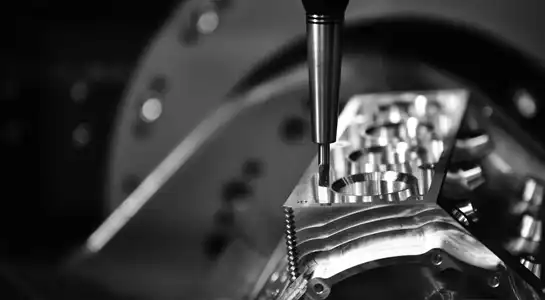
CNC stands for "Computer Numerical Control." It refers to automated manufacturing where cutting tools are guided by pre-programmed software to precisely shape raw materials. Through cutting, turning, and drilling, a CNC machine turns solid blocks or rods—usually made of metals like aluminum, titanium, or stainless steel, but also industrial plastics—into finished parts. The process carefully cuts away material by following exact directions from CAD models that have been turned into G-code files.
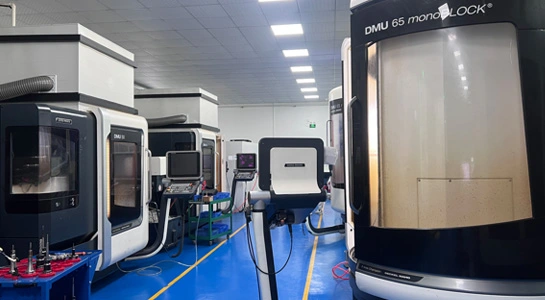
This subtractive method is great for making things with very tight tolerances; the dimensions are often accurate to within ±0.005mm. Industries that need reliable performance, like aircraft turbine blades, automobile engine components, and medical implantable devices, count on CNC machining to make sure that all of the parts have the same mechanical qualities. The technology can be used with different kinds of machines, like multi-axis mills and lathes, to do a wide range of tasks. It also lets you make complex shapes while keeping the purity of the material.
How 3D Printing Works
Additive manufacturing, which is another name for 3D printing, builds things by adding material layer by layer based on digital 3D models. Stereolithography (SLA) and Selective Laser Sintering (SLS) use lasers to cure photopolymer resins or bond powdered materials together, which lets them make parts without using standard tools. With this method, engineers can make complex internal structures, organic shapes, and consolidated parts that would be impossible or too expensive to make with traditional cutting.
The additive process reduces the amount of leftover material and gets rid of many of the setup costs that come with standard manufacturing. Product designers working on consumer goods, medical device prototyping, and robots use the speed of 3D printing to test their designs over and over again, making working prototypes in hours instead of days. In addition to basic plastics, engineering-grade polymers, composites, and even metal powders are now available as materials. However, each type of material has its own dynamic properties that sourcing teams must compare to the needs of the application.
Material Considerations for Each Technology
Material choice has a big impact on decisions about making. A lot of different metals and high-performance plastics can be worked with in CNC machining. These include aluminum alloys, titanium grades, stainless steel, brass, and PEEK, Delrin, and polycarbonate. These materials keep their full bulk qualities after being machined, so you can count on them to be strong, stable at high temperatures, and resistant to chemicals. Titanium Grade 5 (Ti-6Al-4V), which is often made for aircraft and medical OEM uses, has a tensile strength of 895 to 1000 MPa and weighs 45% less than steel.
3D printing materials are always changing, but photopolymer resins, nylon-based powders, and metal powders made specifically for industrial systems are some of the most common ones. SLS nylon parts have good mechanical qualities that make them good for working prototypes and low-stress parts, but they aren't as strong or durable as machined metal parts in most cases. Knowing these material limits helps engineers choose the right process based on the working environment, the load that needs to be handled, and the need to follow regulations in fields like testing cars and making medical devices.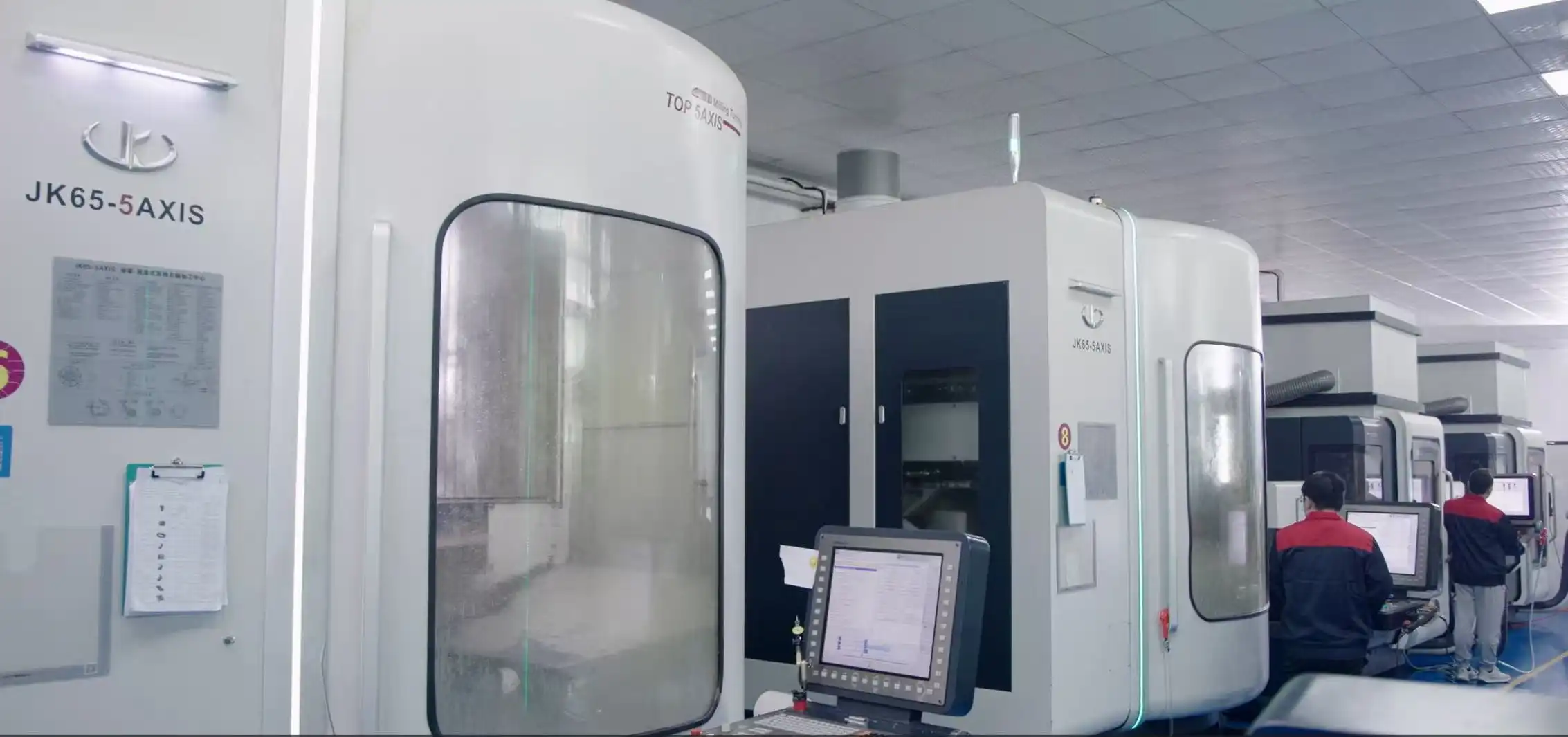
Comparing CNC Machining and 3D Printing: Advantages and Limitations
Strengths of CNC Machining
Machined parts have the best mechanical strength and accuracy in measurements, which are important for production parts that will be exposed to high stress, thermal cycles, or corrosive conditions. The subtractive process keeps the crystalline structure and mechanical qualities of the base material. This is different from some additive methods, which can cause anisotropy or need heat treatments after processing. CNC machining is the best way to make parts for powertrains in cars, parts for structures in spacecraft, and medical tools used in surgeries where failure is not an option.
Another main benefit is that it can be repeated. Once the code is set up, CNC machines make almost exact copies of the same parts during production runs. This helps with quality control in industries that are controlled. The surface finish quality that can be achieved by machining—often hitting Ra values of 0.4μm to 1.6μm—meets strict standards for both appearance and function without requiring a lot of extra work. The technology works well from small amounts for prototypes to medium-sized production runs. This gives purchasing teams a lot of options as goods move from being developed to being sold.
Advantages of 3D Printing Technology
3D printing changes the way designs can be made by making it possible to make complicated shapes that are too expensive to make with subtractive methods. Internal lattice structures, conformal cooling channels, and topology-optimized forms all help keep strength while lowering weight. This is especially helpful for robots and UAV parts where weight saves have a direct effect on performance. The technology combines multiple-part parts into a single print, which gets rid of the need for fasteners and speeds up the building process for medical device and consumer electronics housings.
In low-volume situations, speed and low costs are very appealing perks. 3D printing can make working prototypes in hours without the need for expensive tools or complicated setup steps. This speeds up the design validation process for EV companies and smart-home product makers. Design changes that would need new machine tools or updated software can be made by simply making changes to digital files and printing them again. This flexibility is very helpful during the development of a product, when engineers need quick feedback on how well it fits, works, and is ergonomically designed before they spend money on production tools.
Limitations and Trade-offs
Each technology has limitations that affect which projects are best suited to it. Because scripting and setting up fixtures cost more at the start of CNC machining, it is not as cost-effective for making very small amounts as 3D printing. Complex internal features might need multi-axis tools or more than one setup, which would make production take longer and cost more. The minimal loss of additive production is less than the waste from subtractive methods, even though most of it can be recycled.
Compared to machined metals, 3D printing has problems with the properties of the materials it uses. In some situations, layer adhesion in printed parts can lead to weak spots, and a lot of polymer materials don't handle heat as well as metals or made industrial plastics. For cosmetic purposes, the surface finish usually needs to be worked on after the fact, and while measurement accuracy is getting better, it may not always meet the tight limits that can be reached through precision cutting. The size of parts can't be too big because of limitations on build space, but CNC tools can work with bigger parts. To get the best results in manufacturing, procurement experts have to compare these factors to the needs of the project and find the best balance between performance, timeliness, and price.
Decision-Making Guide: Which Process Fits Your Project?
Volume and Production Stage Considerations
The amount of production is the main factor used to make decisions. As the number of parts made goes beyond the initial trial runs, CNC machining becomes more cost-effective. Depending on the complexity, it usually offers better unit economics for amounts over 50 to 100 parts. Before injection molding or other high-volume ways become more cost-effective, this technology can be used to make between a few hundred and several thousand parts. The precision and material options of CNC machining make it a good choice for aircraft component makers making small amounts of certified parts and automotive Tier-1 suppliers making validation test batches.
Material Property Requirements
Material efficiency needs are set by the application context. When aerospace and UAV parts work at high altitudes, they have to deal with extreme temperatures and vibrations. This means they need materials like machined aluminum alloys or titanium that can keep their shape. Biocompatible materials that meet ASTM F136 standards are needed for medical internal devices. This is usually done by carefully milling medical-grade titanium or stainless steel. Automotive engine parts that are exposed to lubricants and heat cycling need to be made of machined metals that don't break down chemically and keep their shape at different temperatures.
Tolerance and Surface Finish Specifications
The process choice is directly affected by the level of accuracy needed for measurements. CNC machining is usually needed for precision work on parts that need tolerances smaller than ±0.1mm. Machined accuracy is needed for automotive lighting housings with important lens mounting surfaces, aircraft connector blocks with exact thread specs, and medical device parts that need to fit together perfectly. Multi-axis CNC machines can consistently meet these standards while keeping the straightness, concentricity, and other geometric measurements needed for structures.
Because 3D printing can handle less precise measurements, it's good for making useful samples and parts that will be used, where small differences in size don't affect how well they work. Design mock-ups, ergonomic evaluation samples, and low-stress clamps can usually be 3D printed within a range of ±0.2mm to ±0.5mm, though this can change based on the technology used and the shape of the part. It's also important to think about the surface finish needs. CNC processes are best for uses that need smooth, machined surfaces for aesthetic reasons or to reduce friction, while 3D printing is best for parts that can accept obvious layer lines or need little post-processing.
CNC Machining vs 3D Printing: Procurement and Supplier Considerations
Evaluating Manufacturing Partners
To find suitable suppliers, you need to look at their professional skills, quality systems, and contact systems. Certified CNC machining companies should show that they follow ISO 9001 quality management standards. For medical or aircraft uses, they should also show that they have specific certifications like ISO 13485 or AS9100. Ask for proof of what the equipment can do, such as machine tolerances, testing tools, and material licenses. Reliable sellers give clear quotes that break down setup costs, machining time, and material costs in great detail, so buyers can make smart choices.
International vs. Domestic Sourcing
Cost benefits are weighed against wait time and communication issues in global buying strategies. China-based makers can offer reasonable prices because they have invested in infrastructure and labor cost structures. This is especially true for CNC machining services, where the cost of the equipment is a big chunk of capital. Many Chinese suppliers have developed advanced quality systems and technical support staff who know English. This means that buying teams that want to save money can work with suppliers from other countries. Check out suppliers by doing building audits, getting sample parts, and getting recommendations from other customers in the same industry.
Lead Time and Quote Accuracy
Setting realistic deadlines keeps projects from running late. Depending on how complicated the job is, how much material is available, and how busy the shop is, CNC machining wait times are usually between 5 and 15 working days. For pressing needs, you may be able to pay more for rush services. 3D printing usually works faster; simple items can be made in one to three days, but shipping and post-processing add to the total time it takes to get something to you. Check the prices to see if the wait times include inspection, finishing, and packaging, or if they only include production time.
How accurate a quote is shows how experienced and skilled the provider is in building. Quotes that are very specific about standards, surface finish, material grades, and testing needs show that the company really understands what the project needs. There is a chance that the parts you receive will not meet the practical requirements if the quotes you see use vague terms like "standard tolerances" or unclear material specs. To get accurate quotes, procurement workers should give detailed drawings with GD&T callouts and make sure that important features are communicated properly. Setting up master service agreements with sources that have been checked out makes it easier to order from them again, and the quality stays the same across multiple tasks.
Ensuring Quality and Safety in Manufacturing Processes
CNC Machining Quality Protocols
For precision cutting to work, there must be strict quality control throughout the whole process. Suppliers who are good at what they do use first item inspection methods to measure all the important dimensions before starting batch production. Coordinate measuring tools (CMMs) check the accuracy of geometric tolerances, and surface finish tests make sure that Ra values are within the acceptable range. Material certifications link raw materials to approved mills, making sure that the chemistry and mechanical qualities match what was designed. This is especially important for titanium parts used in aircraft or medical-grade stainless steel parts.
During cutting, process control keeps things the same from one production run to the next. Monitoring tool wear stops changes in dimensions as cutting edges wear down, and statistical process control finds patterns before parts go beyond acceptable limits. Environmental controls keep screening places at the right temperature so that thermal expansion doesn't change the accuracy of measurements. Documentation packages that come with finished parts make it possible to track them from the raw material to the final review. This helps manufacturers of medical devices and cars that need to be safe follow the rules. With these procedures, manufacturing goes from being a secret process to one that is open and controlled, and buying teams can check and audit it.
3D Printing Quality Assurance
The quality of additive manufacturing starts with how the materials are handled and how the machines are set up. Photopolymer resins need to be stored correctly so they don't harden too quickly, and powder materials need to have evenly distributed particles of the same size so that parts have the same qualities. Calibration of the machine makes sure that the laser power, scanning speed, and layer thickness stay within the acceptable ranges. This has a direct effect on the accuracy of the measurements and the strength of the machine. Reputable 3D printing services use machine qualification processes and preventative maintenance plans to make sure that the quality of the output is always the same.
Post-processing quality control takes into account the special features of additive production. When removing the support structure, care must be taken not to damage any delicate parts. Similarly, cleaning processes must get rid of any leftover glue or powder without harming the parts chemically. Using calipers and optical tools to check the dimensions of printed parts makes sure they match the design purpose within the tolerances that were set. Testing the material's properties on tensile examples shows that it fits its datasheets in terms of strength, which gives people more faith in the part's performance. Putting these quality systems in place will make sure that parts always meet useful standards as 3D printing moves from prototyping to production.
Safety Considerations in Both Processes
Safety in manufacturing protects workers and makes sure that processes follow the rules. To keep people from getting hurt, CNC machining settings need to have proper chip control, coolant management, and machine guarding. Metal chips can be sharp and hot, and cooling mists can contain allergens that need to be aired out. Suppliers should show that they follow OSHA rules and keep safety training programs for machine workers going. There are also risks that are unique to each material. For example, when working with beryllium copper or magnesium, extra care needs to be taken because they are poisonous and can catch fire.
Keeping 3D printing safe requires different things to be thought about. Photopolymer resins contain chemicals that could be annoying and need to be handled and thrown away in the right way. SLS powder materials pose a risk of inhaling, so they need dust control systems and breathing protection. Post-processing chemicals used for finishing and cleaning need to be used with the right air and safety gear. Responsible providers keep material safety data sheets (MSDS) for all of their products and follow handling rules that keep workers and the world safe. When procurement teams buy from qualified partners, they can be sure that the manufacturing processes meet safety standards. This lowers the risk of liability and helps businesses stay in business.
Conclusion
To decide between CNC machining and 3D printing, you have to weigh the technical needs, the cost of output, and the project schedule. CNC machining gives you more choices for materials, strength, and accuracy for useful parts that will be used in harsh conditions. It works well for parts for cars, medical devices, and spacecraft. Design iteration, complicated shapes, and fast testing are all things that 3D printing does very well. This speeds up the development processes for consumer goods, robots, and UAV systems. Many projects that go well use a mix of methods, starting with 3D printing to make sure the idea works and then switching to CNC machining as the plans get closer to being made. When procurement teams know what each tool can do, they can make decisions that improve quality, cost, and service.
FAQ
Can CNC machining and 3D printing be combined in a single project?
Of course. Hybrid production methods use the best parts of each technology to make new products. Teams usually start with 3D-printed prototypes to quickly test the design. Then they move on to CNC-machined parts to test their functionality in real-world settings. The freedom to design and the speed of production are both improved when 3D printing is used for complex internal features or custom tooling parts that support CNC machining operations.
What are typical lead times for each manufacturing process?
Depending on the difficulty of the part, the supply of materials, and the production queue, CNC machining usually takes 5 to 15 working days. If you need it faster, you can use our rush services. 3D printing is faster; easy parts are usually finished in one to three days, though post-processing takes longer. Lead times depend on the supplier's capabilities and present workload, so it's important to talk to production partners early on in the planning process.
How do I choose between low-volume CNC machining and 3D printing for prototyping?
Think about the material needs, tolerance standards, and testing goals. If samples need to match the qualities of production materials, like medical-grade titanium for biocompatibility testing or machined aluminum for thermal testing, CNC machining gives real material performance. When speed of design changes is most important and moderate material properties are enough for practical tests, 3D printing speeds up development cycles without spending a lot of money. Talking about application needs with manufacturing partners who have a lot of knowledge can help you figure out the best way to do things.
Partner with BOEN Prototype for Expert Manufacturing Solutions
When you work with a skilled manufacturing partner, it's easy to figure out how to use CNC machining and 3D printing. We at BOEN Prototype are experts in fast prototyping and low-volume production using both CNC machining and additive manufacturing. We help with product development from the first ideas to making sure they work before they go into production. Our combined skills, which include multi-axis CNC milling, precise turning, SLA, and SLS 3D printing, let us suggest the best process for your needs, whether you need complex robotics housings or titanium aerospace braces. Contact our engineering team at contact@boenrapid.com to talk about your project needs and get specific quotes from a reliable CNC machining provider that works with companies across the United States in the automotive, medical, consumer electronics, and industrial equipment sectors.
References
Society of Manufacturing Engineers. (2021). Fundamentals of Modern Manufacturing: Materials, Processes, and Systems. Hoboken: Wiley Publishing.
Gibson, I., Rosen, D., & Stucker, B. (2022). Additive Manufacturing Technologies: 3D Printing, Rapid Prototyping, and Direct Digital Manufacturing. New York: Springer Academic Press.
American Society for Testing and Materials. (2020). ASTM F136-13: Standard Specification for Wrought Titanium-6Aluminum-4Vanadium ELI Alloy for Surgical Implant Applications. West Conshohocken: ASTM International.
Kalpakjian, S. & Schmid, S. (2023). Manufacturing Engineering and Technology in SI Units. Singapore: Pearson Education Asia.
Groover, M.P. (2020). Automation, Production Systems, and Computer-Integrated Manufacturing. Upper Saddle River: Prentice Hall.
International Organization for Standardization. (2019). ISO 13485:2016 Medical Devices — Quality Management Systems — Requirements for Regulatory Purposes. Geneva: ISO Standards Publications.

How Can We Help?

Your Trusted Partner in Rapid Manufacturing.