Additive vs Subtractive Manufacturing: Pros and Cons
Picking between subtractive and additive manufacturing affects more than just how quickly and cheaply you can make something. It also affects how long it takes to make and how much it costs. Layer by layer, Additive manufacturing creates parts from digital files, enabling engineers to produce complicated shapes that are impossible with conventional methods. Subtractive methods, such as CNC machining, take away material from solid blocks to make things with very smooth surfaces and close limits. When buying teams know when to use each method, they can cut costs, speed up time-to-market, and get the most out of the materials they use in medical, aircraft, automotive, and electronics uses.
Understanding Additive and Subtractive Manufacturing
There are two main types of modern manufacturing, each with its own output goals and design philosophy.
What Defines Additive Manufacturing?
In accordance with 3D CAD data, Additive manufacturing creates things by layering material. Engineers can make working samples and finished parts out of materials like aluminum, photopolymer resins, titanium alloys, and nylon polymers using technologies like Selective Laser Sintering (SLS), Stereolithography (SLA), and Powder Bed Fusion. This method doesn't need any tools, so design changes can be made in hours instead of weeks. Using a layer-by-layer method lets you make internal channels, lattice structures, and biological shapes that are either not possible or would be too expensive to make the old way.
Core Principles of Subtractive Manufacturing
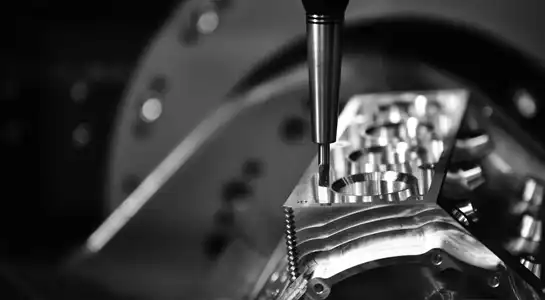
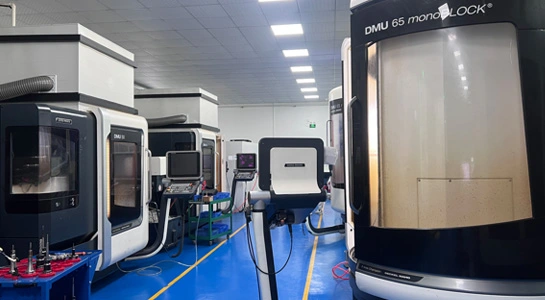
CNC milling, turning, electrical discharge cutting, and grinding are all examples of subtractive methods that take away material from solid stock. With these ways, you can make parts that are accurate to within ±0.005mm in size and have surface finishes that hit Ra 0.8μm without having to do any extra work. CNC machining can be used on metals, industrial plastics, and composites, and the material qualities are the same as when the material was in bulk, which is important for load-bearing uses. Even though it takes longer to set up and wastes materials, subtractive manufacturing is still the best way to make a lot of things because the cost per unit drops a lot after 500 to 1,000 pieces.
Material and Technology Landscape
Both methods can be used with a wide range of materials. It is possible for Additive manufacturing systems to work with thermoplastics like ABS and polycarbonate, elastomers like TPU, metals like Ti-6Al-4V and Inconel 718, and even safe resins that meet ISO 10993 standards. Subtractive manufacturing works with an even wider range of materials, such as high-temperature PEEK plastics, medical-grade stainless steel 316L, and aerospace-grade aluminum 7075. Most of the time, the decision depends on whether your application values design freedom more than material heritage with well-known mechanical qualities.
Comparing Additive and Subtractive Manufacturing: Core Differences and Benefits
Each production theory has its own benefits that are best for certain product needs and procurement goals.
Advantages of Additive Manufacturing
The layer-based building method opens up features that completely change the ways that designs can be made. Making a part with complicated cooling ducts inside takes the same amount of time and money as making a solid block of the same volume. This feature changes everything for aircraft brackets, where optimizing the shape cuts weight by 40–60% without affecting the strength of the structure. There is almost no loss because powder or plastic that isn't used in SLS or SLA systems can be used again in other builds.
Another great benefit is that revision can happen quickly. When making cases for consumer goods, design teams can try five different button positions over the course of a week by printing batches overnight, getting feedback from users, and then making changes the next day. Tooling removal gets rid of the usual barrier between testing an idea in the real world. Medical device companies use this speed to make surgery guides for each patient from CT scans in just 48 hours, which is not possible with traditional production lines.
Strengths of Subtractive Manufacturing
The relative edge of subtractive methods lies in their accuracy and high-quality surfaces. Positional accuracy of within 0.01 mm is possible with five-axis CNC cutting, and parts will be the same from one production run to the next, even if there are thousands of them. When it comes to automobile powertrain parts, where tolerance stack-up affects assembly and function, this consistency is very important. Most of the time, the finished surface finish meets the final requirements without polishing, plating, or sealing. This cuts down on the costs and wait times of post-processing.
The qualities of the material stay the same everywhere and can be tracked back to official mill test records. In contrast to additive manufacturing parts, which may have different strengths depending on the direction of the layers, machined parts always behave the same way mechanically, no matter which way the load is applied. Because it is so reliable, subtractive manufacturing is the only option for safety-critical tasks like making medical hardware and parts of airplanes that are built to strict standards like ASTM F136 or AMS 4911.
Limitations Worth Acknowledging
When it comes to build volume, Additive manufacturing technologies are limited. Most industrial systems can only make 300–400 mm cubes, and metal printers often have even smaller limits. Printing is still slower than milling for simple shapes. For example, a simple metal box could be milled in 20 minutes but printed in 8 hours. Post-processing tasks include removing supports, finishing the surface, and heating metal parts to get rid of any remaining pressures.
When subtractive methods are used to make complicated parts from solid billets, 70–80% of the material that is used ends up as swarf. Because of the need to create fixtures, program tool paths, and hold work, setup costs and wait times go up. Because of limits in the design, cutting tools can't reach certain internal features, and undercuts or re-entrant angles often require multiple setups that add to the cost.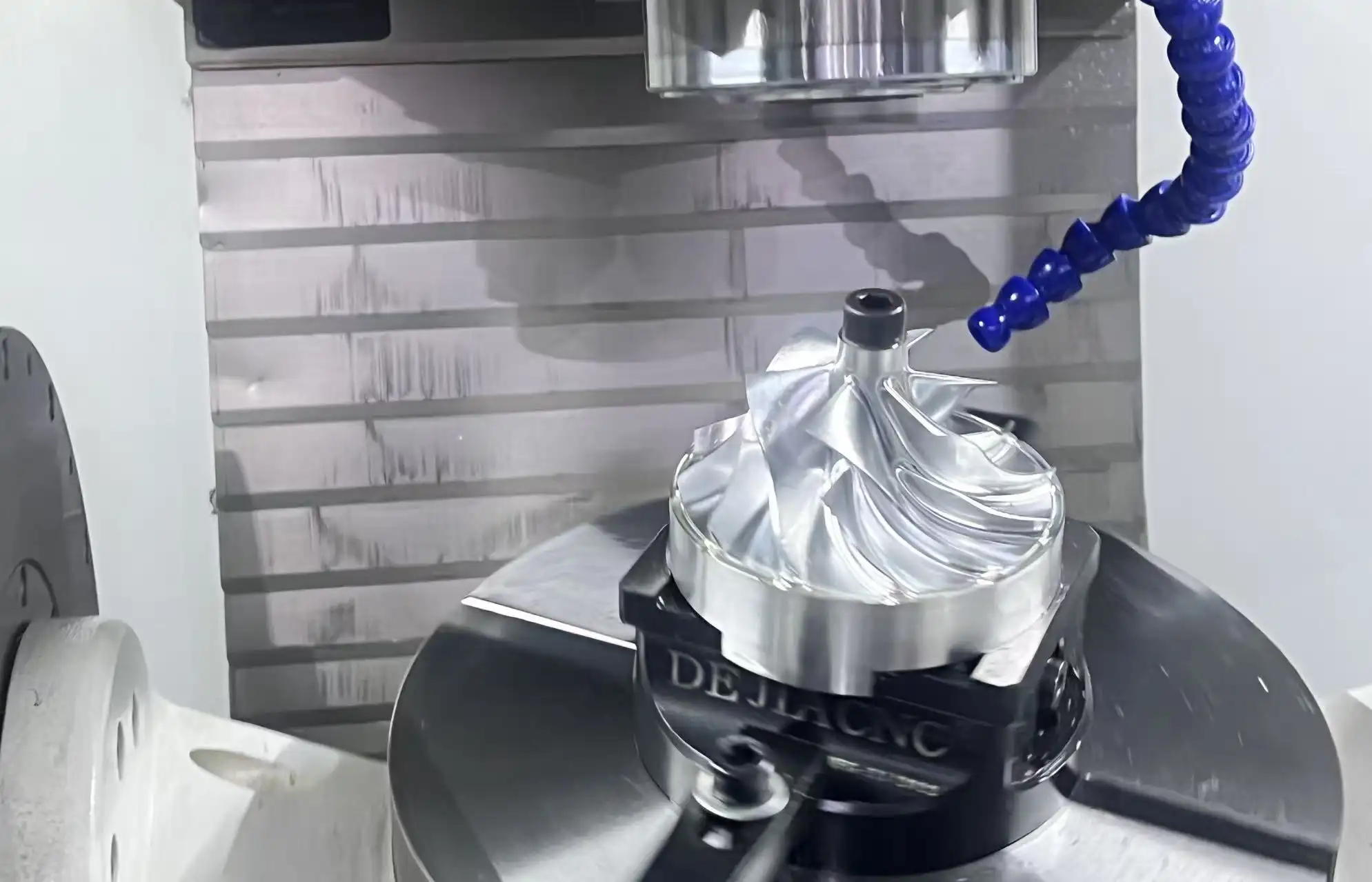
Key Factors to Consider When Choosing Between Additive and Subtractive Manufacturing
When making strategic buying choices, you need to look at more than just the cost per part.
Cost Structure Analysis
Due to machine amortization and material costs, Additive manufacturing has high per-part costs at low levels, but as numbers rise, costs stay mostly the same because no tooling is needed. Depending on how complicated the part is, the break-even point is usually somewhere between 50 and 200 units. When you use subtractive methods, the economics work the other way around. When you make more than 500 pieces, the cost of each part drops greatly because the high starting costs of fixtures and code are spread out over many production runs. For testing EV battery casings, printing five validation samples is much cheaper than machining them. However, investing in a CNC machine when going from five validation samples to 5,000 production units is a good idea.
Material Compatibility and Performance
The production method is often set by the needs of the application. Cross-contamination risks are eliminated by the biocompatible titanium print beds used in Powder Bed Fusion. This is necessary for medical devices to meet ISO 13485 standards. Also, the coefficient of temperature expansion between the build plate and part is matched, which stops warping during multi-day print cycles. Titanium Print Beds for Additive manufacturing are used by companies that make aerospace turbine blades because they keep the dimensions of thin-walled parts that are subject to high thermal cycles accurate. This is because they can achieve yield rates above 95%, compared to 60–70% when using different substrate materials.
When you use subtractive manufacturing, you can get approved material stock that has been tested for chemical composition and mechanical qualities. This ability to track back meets the rules for making medical devices, where each part has to be linked to a heat lot approval. When engineers are making industrial robot arms, they use polished aluminum 6061-T6 because its tensile strength is always 310 MPa. Printed aluminum alloys, on the other hand, can vary by 10-15% depending on how they were made and how they were processed afterward.
Production Lead Times and Customization
For customized designs, additive manufacturing shortens the lead time. It doesn't take longer to make 20 different versions of a drone frame for aerodynamic testing than to make 20 similar ones; the machine just processes the different STL files one after the other. This adaptability speeds up the development process in consumer goods, where A/B testing of different natural grip patterns helps choose the best design.
For uniform parts, subtractive methods work well at scaling. Once they are set up and tested, CNC machines make hundreds of similar lighting housings for automakers with very little help from an operator. Modular fixturing systems shorten the time it takes to switch between part numbers, but full retooling still takes hours, while Additive manufacturing allows digital file swaps to happen instantly.
Sustainability and Material Efficiency
More and more, corporate responsibility programs affect choices about what to buy. Since material utilization in powder-based systems exceeds 95%, Additive manufacturing's nearly zero waste profile appeals to groups tracking Scope 3 emissions. Cutting processes make chips and cutting fluids that need to be thrown away or recycled. Metal swarf, on the other hand, can be sold to salvage facilities and still be worth something.
The trends of energy use are very different. Additive manufacturing systems use power continuously for long builds, while CNC machines use a lot of current when they're cutting and not at all when they're not. When shipping, post-processing, and material extraction effects are taken into account, a full lifecycle study often shows similar environmental footprints.
Practical Applications and Industry Use Cases
Real-life examples show how choosing the right producing method has a direct effect on how well a product works and how well it does in the market.
Aerospace and UAV Component Development
Aerospace engineering teams use additive manufacturing to make titanium fuel nozzles with conformal cooling channels inside. These channels make burning 12% more efficient than designs that are bored normally. By combining six machining and welded parts into a single printed unit, possible leak paths are cut down and assembly time is cut by 70%. Drone uses SLS printing to make sample carbon-fiber-reinforced nylon airframes that are strong enough for flight tests within 48 hours of the design being finished.
When mill-certified stock is needed for material certification and wear performance, subtractive manufacturing is the main way that aluminum structure spars and titanium landing gear parts are made. Five-axis machining takes forged Inconel billets and shapes them into the complex shapes of turbine blades while keeping the grain structure direction that is important for high-temperature creep resistance.
Automotive and EV Development
EV companies use Additive manufacturing during the validation process to print working battery cooling manifolds in nylon PA12 to test how fluids move through them before they commit to making injection mold tools. When order amounts are less than 100 units, interior trim makers use SLA printing to make unique dashboard inserts in small quantities, saving money on the cost of making an aluminum mold.
CNC turning centers are used by Tier-1 suppliers to make aluminum transmission housings and steel gear parts. The tight hole limits of within 0.02mm ensure that the bearings fit properly. The Ra 1.6μm machined surface finish gets rid of the need for extra grinding, which keeps production on track to meet OEM delivery promises.
Medical Device and Biocompatible Components
Medical device companies use CT scan data to make titanium cranial implants that are special to each patient. These implants fit the shape of the bone within 0.5 mm, which improves surgical outcomes and cuts the time needed for each treatment by 30 minutes. Before the final injection mold designs are made, diabetes patients try biocompatible resin versions of insulin pump housings to see how well they fit their bodies. The feedback they give helps make the molds easier to use every day.
CNC machining of stainless steel 316L is used to make surgical instruments like scalpels, forceps, and retractors. The cutting performance is directly affected by the shape and finish of the edges and surfaces. The machining method keeps the material traceability needed for FDA 510(k) applications and makes sure that thousands of units are the same from batch to batch.
Robotics and Industrial Automation
Robot makers print light AGV frame parts out of carbon-filled nylon. This lowers inertia in high-speed situations while keeping the structure stiff. Custom end-effector clamps with built-in wire routing channels show additive manufacturing's benefit in design consolidation—a single printed part can replace four machined parts and two assembly steps.
System engineers make precise gearbox housings out of aluminum 7075, which stays the same size at different temperatures, so backlash doesn't build up. The machined mounting surfaces are flat within 0.01mm over 200mm widths, which is very important for keeping sensors aligned in joint robot applications.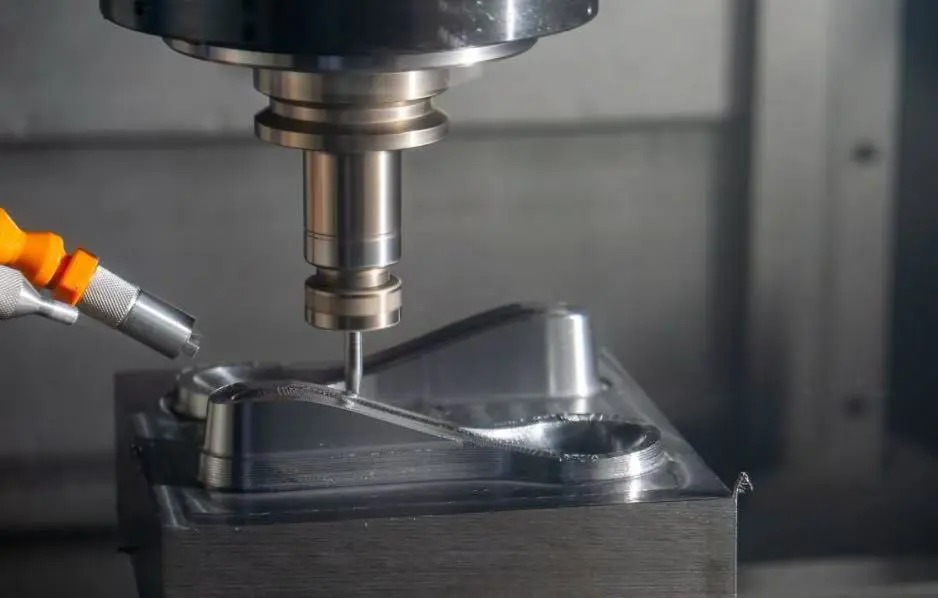
Partnering with Reliable Additive Manufacturing Suppliers
To make sure consistent results, choosing manufacturing partners takes a careful look at their technical skills, quality processes, and experience in the field.
Evaluating Supplier Capabilities
Suppliers who are qualified show that they are skilled in a number of Additive manufacturing technologies, such as SLA for making high-resolution samples, SLS for testing functionality, and metal printing for making parts that will be used in the real world. Material certifications are very important. For medical uses, providers must be registered with ISO 13485 and provide biocompatibility paperwork for materials according to ASTM F136 standards. For aerospace work, you need to be certified to AS9100 and have First Article Inspection Reports that show that you checked the dimensions using a CMM.
Professional businesses and shady service companies are separated by quality control methods. Titanium Print Bed suppliers for Additive manufacturing should provide flatness verification reports with deviations of less than 0.05 mm per 100 mm, ultrasonic flaw detection reports that show the material is solid on the inside, and chemical composition analyses through optical emission spectroscopy that meet Grade 5 standards. These checking items stop problems like machine damage, part bending, and contamination that lower the success rate of builds.
Geographic and Logistical Considerations
When weekly design reviews are based on prototype versions, it's important to have domestic providers in the United States to protect intellectual property, make communication clear, and cut down on shipping times. Lead times for printed parts, which are usually 5 to 7 working days, are better than the 3 to 4 week tooling cycles for samples that need to be made and need special fittings.
When going beyond testing, capacity planning is important. Suppliers with more than one Additive manufacturing system can work on pressing orders at the same time, while shops with only one machine slow down during times of high demand. BOEN Prototype has multiple manufacturing options, including CNC cutting, fast injection molding, and SLA/SLS printing. This way, production can continue even when equipment needs to be serviced or calibrated.
Hybrid Manufacturing Integration
To get the best results, progressive makers use both Additive manufacturing and subtractive methods. By printing a complicated titanium aircraft bracket in a near-net form and then finishing milling the most important mounting surfaces, precise interfaces are made possible with geometric freedom. When compared to fully subtractive production, this mixed method cuts machining time by 60% while still meeting the tolerance standards for useful features.
To know when to use each tool, you need to know more about manufacturing than just how to run machines. Partners like BOEN Prototype look at the shape of the part, the amount that needs to be made, the materials that are needed, and the budget that is available to figure out the best way to make it. This could be through pure Additive manufacturing, traditional cutting, or an approach that uses the best parts of both.
Conclusion
Choosing the right manufacturing method has a big effect on how quickly a product is developed, how well its parts work, and how much it costs all together, both in the testing and production stages. Additive manufacturing gives you more design freedom, faster iterations, and more complexity without increasing the cost. It's perfect for making unique medical devices, testing aircraft parts, and making small quantities of specialty parts. When you make more than a few hundred units, subtractive methods are the most cost-effective way to make high-precision car parts and consumer goods that are bought in large quantities. Smart procurement teams look at the shape of the part, the amount that needs to be made, the need for material approval, and the time frame to find the best way to proceed. They often use both technologies in a strategic way throughout the lifespan of a product.
FAQ
Can additive manufacturing scale to mass production volumes?
When the complexity of the part calls for it, modern Additive manufacturing systems can handle production rates of up to thousands of units per year. HP's Multi Jet Fusion technology makes it possible to make parts that are used in consumer goods and car interiors over and over again. However, standard ways are usually cheaper after 10,000 units of simple geometries. The crossing point is determined by the complexity, size, and material needs of the part.
How do material strengths compare between printed and machined components?
Machined parts have uniform mechanical qualities that are the same as approved mill stock. On the other hand, the strength of Additive manufacturing components can vary by 10 to 20 percent depending on the orientation of the build because of how the layers stick together. Post-processing with hot isostatic pressing and heat treatment can make printed metal parts have qualities that are almost the same as cast metal. For load-bearing uses, these things are taken into account during design by choosing the right material and making the best use of direction.
What lead times should procurement teams expect?
Within 5 to 10 business days, including finishing steps, Additive manufacturing usually provides prototype quantities. Custom fixturing or tooling takes two to four weeks for CNC machining, but common shapes can be machined faster. While rush services can shorten lead times, quality assurance and material approval take extra days when medical or aerospace uses need regulatory paperwork.
Get Expert Guidance on Manufacturing Method Selection from BOEN Prototype
To get around the complicated worlds of Additive manufacturing and CNC cutting, you need to have a lot of scientific knowledge and work experience in the field. BOEN Prototype helps automakers, medical device makers, flight engineers, and consumer electronics teams choose the best ways to make things that meet their needs for speed, cost, and performance. We can use SLA and SLS Additive manufacturing technologies, as well as precision CNC machining, fast injection molding, and die casting. This lets us help you choose the best method, whether you need five samples for testing or 5,000 parts for production.
We know how important it is to have material approval for medical ISO 13485 compliance, accurate measurements for auto assembly, and quick response times to stay ahead of the competition. Our team gives you thorough DFM analysis, help with choosing materials, and quality paperwork that meets your needs for engineering and purchasing. Get in touch with our experts at contact@boenrapid.com to talk about your project details and find out how working with a skilled Additive manufacturing source can help you speed up product development and lower your manufacturing costs.
References
Gibson, I., Rosen, D., & Stucker, B. (2021). Additive Manufacturing Technologies: 3D Printing, Rapid Prototyping, and Direct Digital Manufacturing. Springer International Publishing.
Kalpakjian, S., & Schmid, S. R. (2020). Manufacturing Engineering and Technology (8th ed.). Pearson Education.
Groover, M. P. (2020). Fundamentals of Modern Manufacturing: Materials, Processes, and Systems (7th ed.). John Wiley & Sons.
Gebhardt, A. (2019). Understanding Additive Manufacturing: Rapid Prototyping, Rapid Tooling, Rapid Manufacturing. Carl Hanser Verlag.
ASTM International. (2021). ASTM F2792-12a: Standard Terminology for Additive Manufacturing Technologies. ASTM International Standards.
Wohlers, T., & Gornet, T. (2022). Wohlers Report 2022: 3D Printing and Additive Manufacturing Global State of the Industry. Wohlers Associates.

How Can We Help?

Your Trusted Partner in Rapid Manufacturing.