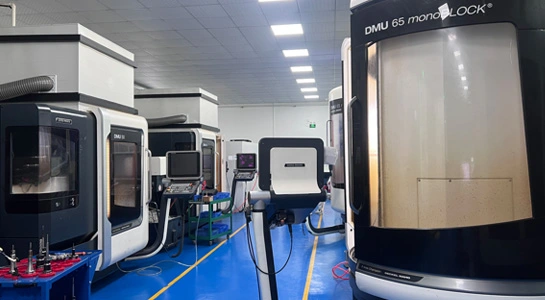
Best Manufacturing Options for Startups and SMEs
When startups and small-to-medium enterprises (SMEs) search for the best manufacturing options, they're looking for partners who can transform concepts into tangible products without draining limited resources. Manufacturing services provide specialized production capabilities—from rapid prototyping to low-volume manufacturing—that allow emerging companies to enter markets quickly while maintaining quality standards. These partnerships eliminate the need for massive capital investments in facilities and equipment, enabling businesses to allocate resources toward innovation, marketing, and customer acquisition instead.
Understanding Manufacturing Services for Startups and SMEs
What Manufacturing Services Actually Include
For businesses that hire them, manufacturing services include all the things that go into making things. Specialized companies use their knowledge, tools, and buildings to turn raw materials into finished goods. These services include quality control, labeling, packing, putting things together, and processing for a wide range of businesses. The interaction usually happens in steps that everyone works together on, such as design consultation, prototype development, production execution, quality testing, and logistics for delivery.
Different Service Models Available
Contract manufacturing lets companies hire specialized companies to make their products exactly the way the companies want them. This plan works especially well for businesses that want to grow without having to buy new facilities. Custom manufacturing lets providers change processes to meet the specific needs of each product. This encourages innovation but needs careful planning. Turnkey solutions offer full services, from helping with the design to delivering the finished product. They are great for startups that want all-around help, but they usually require bigger investments.
Key Advantages for Emerging Businesses
When companies and small businesses use outside production capabilities, they get instant access to cutting-edge technology and industry knowledge. Instead of spending a lot of money on equipment and buildings, businesses can focus on their core skills, such as developing new products and figuring out how to place themselves in the market. This method greatly lowers risk in the early, unsure stages while keeping choices for expanding as demand rises. It's easier to plan for lead times, and quality control works better when makers have used the same methods for years and gotten better at them.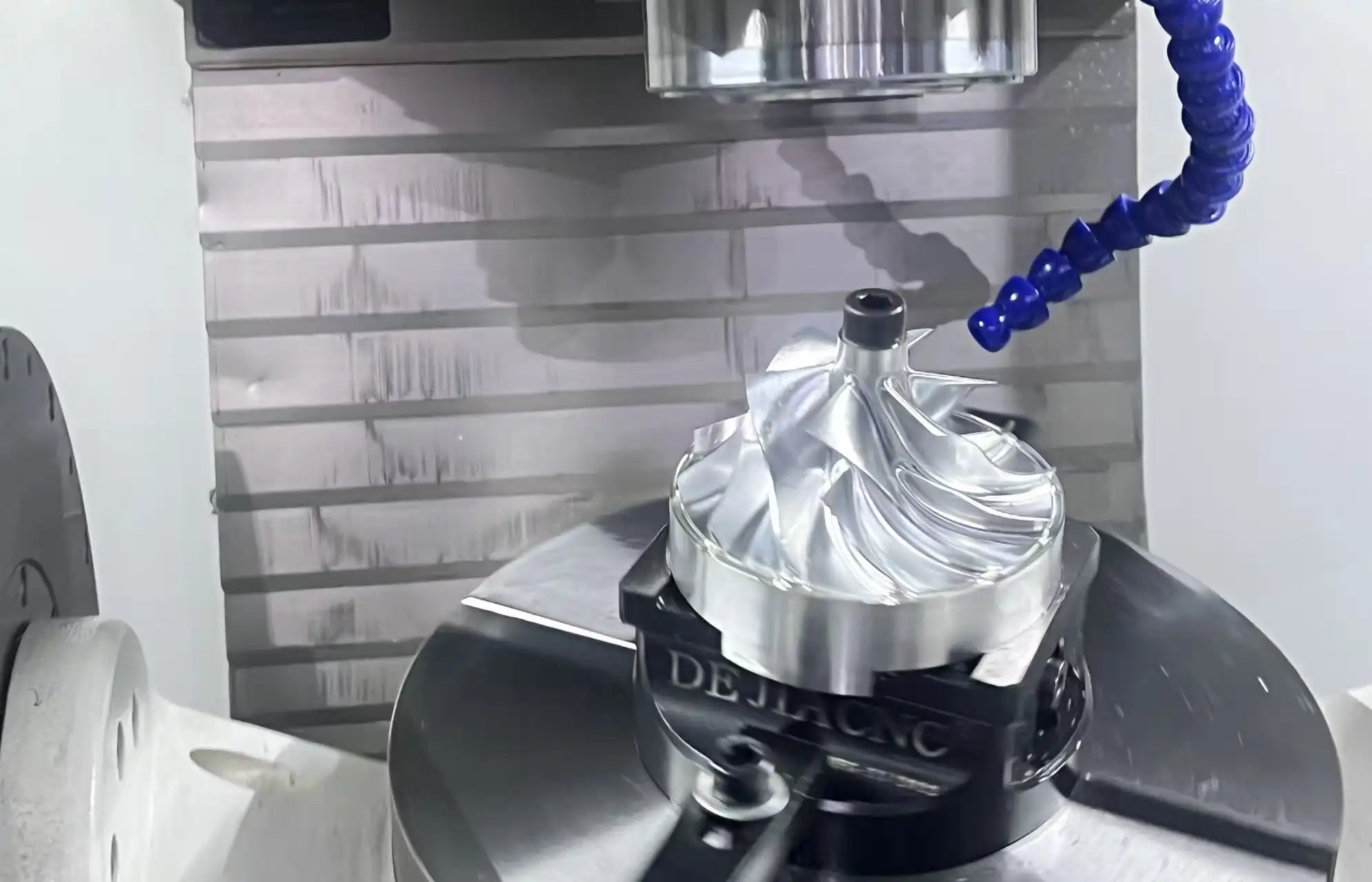
Top Manufacturing Options for Startups and SMEs: Comparing Key Solutions
Rapid Prototyping Through Additive Manufacturing
3D printing, which stands for additive manufacturing, has changed the way companies make goods and approach manufacturing services. Technologies like SLA and SLS make it possible for fast iteration processes, which cut development times by a huge amount. An electric vehicle (EV) company can make working light housings for testing in days instead of weeks. This lets the design be improved before making the production tools. You can choose from a variety of materials, from common plastics to engineering-grade resins that are good for functional proof.
This method works especially well for companies that need prototypes that look good for investor presentations or that work well for comfort testing for regulatory submissions. Due to the low setup costs, small-batch production is now economically possible, removing the need for standard minimum order quantities. Additive processes, on the other hand, are better for testing and small production runs than for mass production, where the cost per unit is still higher than with traditional methods.
CNC Machining for Precision Components
When tight specs are important, CNC machining is the best way to make metal and plastic parts. CNC machining skills are very important for companies that make robots and need exact structural parts, as well as for aircraft companies that need strong parts for approval testing. The process can handle complicated shapes and keep accuracy across production runs, which is something that additive methods don't always manage to do.
Another big benefit is that the material can be used in many different ways. CNC machining can be used on aluminum, stainless steel, titanium, industrial plastics, and specialty metals, so the qualities of the parts can be exactly matched to the needs of the application. When automakers are making parts for the engine, this material's flexibility helps them find the right balance between strength, weight, and heat properties. Modern tools have greatly shortened the time it takes to set up, which means that CNC machining is now affordable even for small amounts.
Injection Molding for Volume Production
Rapid injection molding is a great way to get from development to mass production. Once plans are stable, this technology lets companies make hundreds or thousands of units cheaply. Companies that make consumer electronics for smart home devices like how injection molding ensures uniform quality across production batches and can handle complicated features like living hinges, snap-fits, and parts made of more than one material.
The investment in tools is the most important thing to think about. While molds do cost money up front, the cost per unit drops greatly at moderate numbers. This makes the economics appealing for goods that already have a lot of demand. Medical device makers often use fast tooling methods, which lower their original investments while still meeting the quality standards needed to follow the rules set by regulators. The process works with different kinds of plastic, so you can choose the material based on its usefulness, like being biocompatible or resistant to impact, or its looks.
Metal Fabrication Processes
Pressing metal, die casting metal, and compression shaping metal all have different uses in the industrial world. Die casting makes metal parts that are very accurate in size and have smooth surfaces, which makes them perfect for consumer electronics cases and housings. Compression molding is a good way to make parts for industrial tools and car interiors out of composite materials that need to have certain mechanical qualities.
These methods usually need special tools, so they're only cost-effective when the amount of work they do justifies the investment. But because metal parts last longer and work better, these ways are often necessary, even though they cost more to set up. Die-cast aluminum parts that balance weight limits with mechanical strength requirements are often chosen by drone makers who need strong but lightweight structure parts.
Vacuum Casting for Short Production Runs
Vacuum casting is a great option for new businesses that need parts that are good enough for production but don't want to commit to large volumes. The process makes copies of master patterns out of polyurethane resins that have qualities that are very close to those of the end material. From a single mold, up to a dozen units can be made. This feature comes in handy for testing the market, showing off at trade shows, or fulfilling first orders from customers while methods for growing up are being worked out.
The surface finish is just as good as injection molding, and the range of materials includes ABS, polycarbonate, rubber-like elastomers, and clear materials. Medical device businesses that do ergonomic testing like how vacuum cast samples exactly show how the end product will feel and work. Vacuum casting is a good choice between testing and full production because it can be done quickly and doesn't cost too much.
How to Choose the Best Manufacturing Service for Your Startup or SME
Defining Your Production Requirements
Making your wants clear is the first step in finding the right manufacturing services production partners. Which processes make economic sense depend a lot on how much production output is expected. A new business that wants to test the market with 500 units needs different skills than a well-known small or medium-sized business that wants to fill an order for 10,000 units. Budget limits, the difficulty of the product, the requirements for the materials, and the need to make a choice all play a role in the decision structure.
Knowing the basic needs of your product can help you find good partners. For medical uses, biocompatible materials need different skills than automotive-grade plastics for parts under the hood. It is important to clearly write down the expected surface finish, dimensional tolerances, and mechanical property standards so that accurate capability evaluations can be made.
Evaluating Provider Capabilities
Quality badges show right away how mature a manufacturer's operations are. Industry-specific standards, such as ISO 13485 for medical devices or IATF 16949 for car suppliers, show that a company has specialized knowledge. ISO 9001 certification shows that a company has built quality management systems. These certificates aren't just pieces of paper; they show that your product is properly checked for quality in a way that protects its identity.
Lead time freedom is what sets truly responsive partners apart from rigid businesses. Startups often face chances or problems that they didn't expect, which means they have to change their plans. During important stages of development, manufacturers that offer reasonable freedom without charging too much for expedited services give strategic benefits. Clear pricing builds trust and makes it easier to plan your finances accurately. On the other hand, unclear quotes or charges that come as a surprise can mean trouble in the relationship.
Recognizing Partnership Red Flags
Several red flags should make you look closely at your partner when you're evaluating them. Not willing to give recommendations or building tours that can be checked out suggests that there may be problems with quality or honesty. Loose quality assurance statements that don't give specifics about the process show that the operation isn't fully developed yet. Communication problems that were present in the beginning talks usually get worse when there is a need to get things done, so being clear and sensitive during the courtship stages are very important.
When prices are too cheap to be true, it's often because of hidden costs, bad products, or quality shortcuts that show up later. When you add up the costs of rework, delays, and ruined image, the cheapest option is rarely the best one. It is important to pay close attention to the laws that protect intellectual property, especially when sharing secret plans or new ideas. Clear control terms and non-disclosure agreements will help you keep your competitive edge.
Industry Trends Impacting Manufacturing Services for Startups and SMEs
Digital Transformation and Smart Manufacturing
Industry 4.0 technologies are changing the way manufacturing partnerships work in ways that are good for new businesses. IoT sensors built into production tools let startups see how jobs are going in real time, so they can keep an eye on them from afar and make accurate delivery estimates. Data analytics can help find inefficiencies and quality problems in a process before they affect shipping. This cuts down on waste and improves regularity.
Automation isn't just for big jobs; it can also be used in specific output areas. Collaborative robots do boring, repetitive jobs while people work on hard problems and making sure the quality is good. Combining technology with skilled labor makes it possible for smaller production runs to be profitable, which wasn't possible before. Digital design tools make it easier for engineering teams at clients and factory partners to work together without any problems. This cuts down on communication delays that used to make development cycles take longer.
Sustainability and Environmental Responsibility
Concerns about the environment have moved from the edges of decisions to the center of them in manufacturing services. Sustainable manufacturing methods are becoming more and more important because of regulations and customer standards. Forward-thinking production partners buy equipment that uses less energy, programs that cut down on waste, and materials that can be recycled that meet these standards. Startups that want to be seen as environmentally friendly brands need production partners whose practices really reflect those values.
Material progress keeps adding more ways to make things in a way that is good for the environment. Bio-based plastics, recycled metals, and low-impact production methods make it possible for goods to meet performance standards while leaving smaller environmental effects. These skills are important not only for presenting a brand, but also for following the rules, especially in European markets with strict environmental rules.
Case Studies: Successful Manufacturing Partnerships by Startups and SMEs
Scaling an EV Component Through Rapid Prototyping and Production
An electric car startup that was making new charge port housings had to quickly test their designs and get ready for mass production. The business teamed up with a production service provider that could do everything from SLA prototyping to injection molding. Within five days, the first samples were made, which let the design be changed based on fit tests and thermal performance confirmation.
The startup used three rounds of prototypes to improve the design before switching to fast injection molding for pre-production runs. By using this method, early customer orders could be filled while performance data from the field was gathered before committing to high-volume tooling. The production partner's integrated skills got rid of the need to coordinate with multiple vendors, which cut the time it took to develop by about 40% compared to traditional methods.
Medical Device Development With Biocompatible Materials
A biotech company that was making a wearable tracking device had to meet strict government rules about the biocompatibility of the materials and the paperwork needed for production. The chosen manufacturing partner had ISO 13485 approval and knowledge of medical-grade materials. They not only had the ability to produce, but they also had legal advice that was very helpful when getting ready for the FDA application.
At first, CNC-machined versions were made so that focus groups could test how well they fit people's bodies. Before switching to vacuum casting for clinical testing pieces, feedback helped improve the design. The manufacturer's paperwork and material traceability systems directly helped with regulation submissions. This shows that the right partner can add value beyond just production services. The device got regulatory approval on the first try, in part because it had a lot of information about how it was made.
Consumer Electronics Enclosure Development
A company that makes smart-home products needed covers that looked good and would help their product stand out in a crowded market. It was very important that the manufacturing partner had experience with surface finishes, units made of more than one material, and tight tolerance standards. The first versions used SLA printing and different post-processing methods to try out different layers and finishes.
As a way to get into the market, the company started out by making only a few hundred units per month. As sales grew, the production partner's flexible capacity allowed for growth. Eventually, they were able to handle several thousand units per month without having to change the relationship or the process. This ability to grow within a single partnership made managing the supply chain easier during the crucial growth phase.
Conclusion
One of the most important choices that startups and small businesses have to make is choosing the right manufacturing partner and manufacturing services provider. The choices that were looked at, such as the fast iteration of additive manufacturing and the volume efficiency of injection molding, each have their own specific strategic roles to play in the product development process. To be successful, you need to make sure that your production processes are right for the stage of your business, the needs of your products, and your growth plans, all while keeping quality standards and costs in check.
Digital tools, environmentally friendly methods, and adaptable capacity models are changing the manufacturing scene in ways that are increasingly good for new businesses. Companies that approach manufacturing relationships carefully, with clear needs and reasonable goals, are in a good position to take advantage of these good trends. The case studies show how careful manufacturing connections and reliable Manufacturing services can shorten the time it takes to build new products, help companies follow the rules, and allow for growth that can be scaled up.
FAQ
How long does typical prototyping take with manufacturing services?
Prototyping times depend on how complicated the project is and which methods are picked. The first samples from SLA and SLS 3D printing are usually sent within 3–7 business days. Depending on how complicated the design is, CNC machining of metal or plastic parts generally takes 7–14 days. When molds are made, vacuum casting takes two to three weeks. When a job needs to be done quickly, rush services can shorten these timelines. Manufacturers can set the right priorities when they are clear about deadlines during the initial talks.
Can small businesses maintain quality with limited production budgets?
Quality and cost limitations mean that you have to find a balance instead of giving in. By choosing the right production methods for your volume needs, you can avoid paying too much for features that you don't need. Rapid production methods for injection casting lower the initial costs while keeping quality standards high. Working with ISO-certified makers guarantees consistent quality control, no matter how big or small the order is. When budget problems are openly talked about, unique solutions that protect quality while staying within budget are often found.
What contract terms should startups prioritize with manufacturing partners?
Important parts of a contract include protections for intellectual property, quality standards with clear acceptance criteria, lead time promises with ways to fix delays, price models that include any possible extra costs, minimum order amounts, and termination clauses. Before sharing specific designs, non-disclosure deals should be made. Payment terms that balance the risk of the producer with the limited cash flow of the company are good for everyone. Clear ways to settle disagreements keep small arguments from turning into fights that end the relationship.
Partner With BOEN Prototype for Your Manufacturing Needs
Startups and small businesses in the aerospace, medical devices, consumer electronics, robotics, and car industries trust BOEN Prototype to make their new ideas come to life. We can do CNC machining, rapid injection molding, vacuum casting, SLA and SLS 3D printing, compression molding, metal pressing, and die casting, and we can do all of these things under one roof to make your supply chain run more smoothly. We are experts at fast modeling and low-volume production, which lets you keep up with your development schedule without having to commit to large quantities. Our team knows the unique challenges that new businesses face and can turn work around quickly without sacrificing quality. Contact our experts at contact@boenrapid.com to talk about how our manufacturing services can help you speed up the development of your product and find a dependable manufacturing services provider who really wants to help you grow.
References
Smith, J., & Thompson, M. (2022). "Manufacturing Strategies for Emerging Businesses: A Practical Guide for Startups and SMEs." Industrial Press Publishing.
Chen, L., Rodriguez, A., & Patel, S. (2023). "Rapid Prototyping Technologies: Applications in Product Development and Low-Volume Manufacturing." Journal of Manufacturing Science and Engineering, 145(3), 112-128.
Williams, R. (2021). "Contract Manufacturing Best Practices: Building Successful Partnerships in the Modern Production Landscape." Manufacturing Management Review, 38(2), 45-67.
Anderson, K., & Liu, H. (2023). "Industry 4.0 Impact on Small and Medium Manufacturing Enterprises: Digital Transformation Case Studies." International Journal of Production Research, 61(8), 2456-2474.
Brown, E., Martinez, C., & Johnson, P. (2022). "Sustainable Manufacturing Processes for Startups: Balancing Environmental Responsibility with Economic Viability." Journal of Cleaner Production, 342, 130-149.
Davis, T., & Kumar, V. (2023). "Supplier Selection Criteria for Early-Stage Companies: Quality, Flexibility, and Partnership Considerations." Supply Chain Management Quarterly, 29(1), 78-95.

How Can We Help?

Your Trusted Partner in Rapid Manufacturing.