Best CNC Machining Services Options in China
When people from around the world look at the best CNC machining services in China, they find an industrial environment that combines precise engineering with the ability to make more. China's CNC machining industry has changed a lot in the last twenty years. It now has high-tech multi-axis machines, strict quality standards, and experts who know how to work with materials like industrial plastics and titanium metals. We have seen sourcing teams from automakers, medical device makers, and aerospace developers use China's strengths to speed up product development processes while keeping the tight tolerances needed for functional proof and certification testing.
Understanding CNC Machining Services and Their Benefits
Learn about CNC machining services and how they can help you. Computer-controlled machines use subtractive operations to turn blocks of raw materials into finished parts in an automated industrial process. The process depends on G-code writing, which reads 3D CAD models and tells cutting tools exactly how to remove material at the micron level. This method is very different from additive manufacturing because it shapes parts from solid stock instead of making them up layer by layer.
Core Advantages for B2B Manufacturing
Because CNC processes are so precise, they can be done over and over again in a way that hand machining can't. Tolerances of within ±0.005mm are needed for automotive suppliers that work on engine parts, and CNC equipment can regularly meet these standards across production runs. This stability is good for companies that make medical devices like biocompatible surgical tools because every part has to meet the same standards before it can be approved by regulators.
Speed of production is another important benefit. CNC programming can switch between different part shapes in hours, while standard tooling methods need weeks to set up. EV companies that are making battery casings often need to make quick changes to the design. CNC machining lets these changes happen without having to buy new tools, which can be expensive. Providers can work with a variety of materials, such as aluminum 6061 for lightweight drone frames, stainless steel 316L for settings that rust, and PEEK plastics for high-temperature uses.
Material Versatility in Chinese Facilities
Chinese CNC providers keep huge stocks of materials that meet the needs of a wide range of industries. Engineers in the aerospace industry use Grade 5 Ti-6Al-4V titanium for structural parts because lowering their weight has a direct effect on how much fuel they use. ABS and polycarbonate are used by people who make consumer electronics for enclosure development. This lets them try the physical feedback before they buy injection molding tools. This wide range of materials gets rid of the supply chain fragmentation that makes tactics that use more than one source harder to use.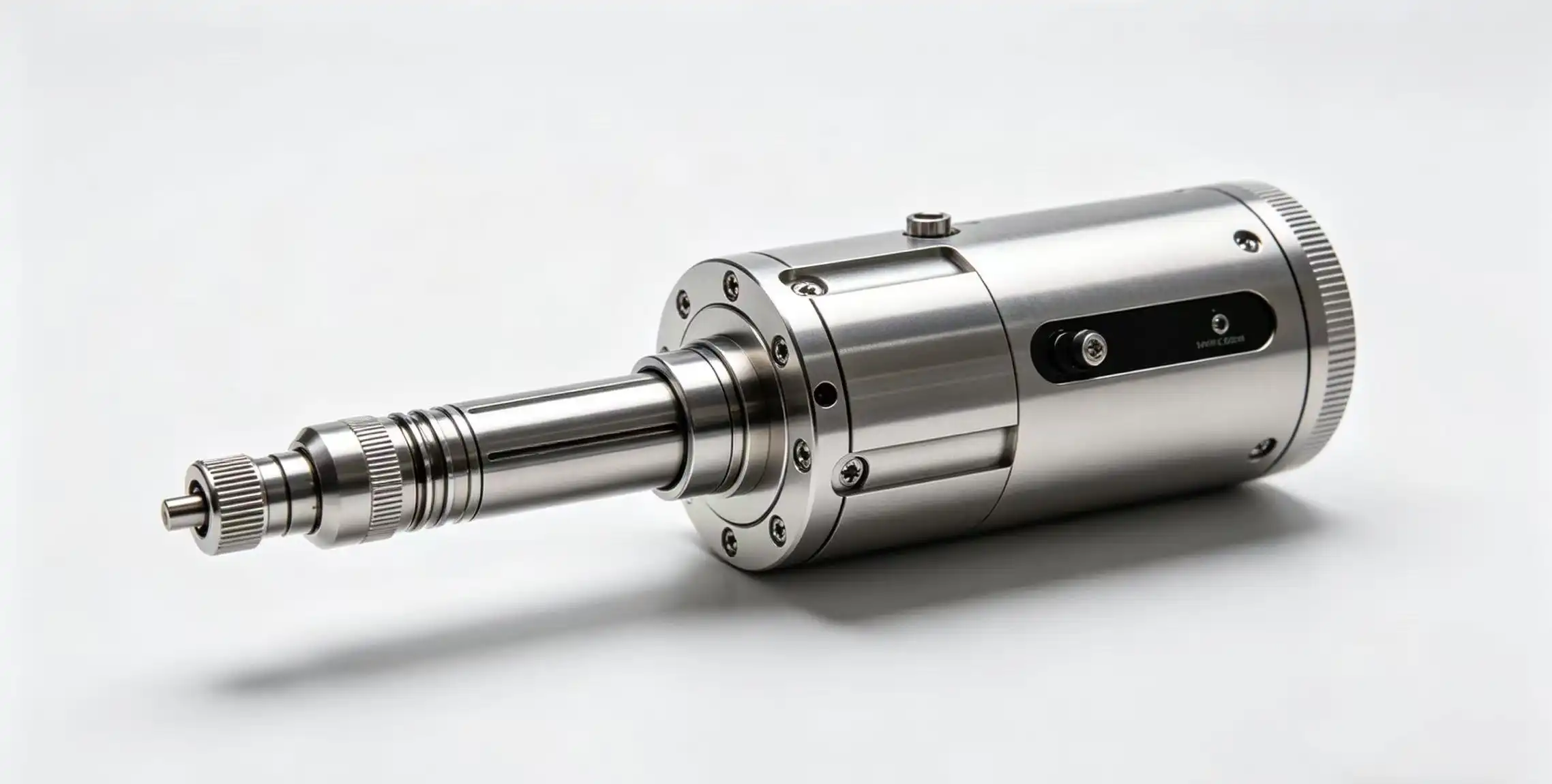
Top CNC Machining Service Types Available in China
China's CNC scene includes a wide range of specialized tools that are used to solve specific industrial problems. Knowing about CNC machining services helps buying teams match the strengths of suppliers with the needs of the project.
Multi-Axis Milling and Turning Operations
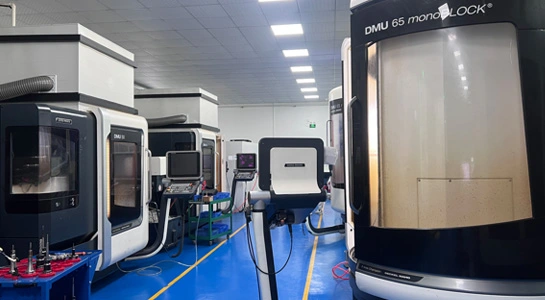
Most prismatic parts are made with three-axis milling, in which cutting tools move along X, Y, and Z axes. Manufacturers of robotics use this method to make mounting pieces and solid panels. Five-axis simultaneous machining, on the other hand, is needed for complicated shapes like turbine blades or anatomical devices. This is when the workpiece tilts and turns while it is being cut. Chinese factories have put a lot of money into DMG MORI and Haas five-axis machines, which make it possible to make undercuts and compound angles without having to set up the machines more than once.
In addition to milling, turning processes rotate cylinder-shaped workpieces against tools that stay still. CNC turning is often used for circular features on AGV wheel hubs and sensor housings. In Guangdong and Jiangsu areas, Swiss-style turning machines are common. They are great at making small parts with tight length-to-diameter ratios, like connector pins for medical tubes or precise shafts for optical assemblies.
Rapid Prototyping and Low-Volume Production
Prototyping services are a way to get from validating the concept to mass production. Industrial design firms give CAD files for working samples that are put through stress tests, thermal cycling, or studies of how to make things more comfortable for people who use them. Chinese companies usually send these samples in 5 to 10 business days, which is a lot faster than European companies.
Low-volume production, which is usually described as 50 to 5,000 units, works well for the beginning stages of a market launch when demand isn't clear. Smart home product makers who are putting out IoT devices can see if the market fits without having to spend a lot of money on high-volume tools. This level of production keeps the quality standards of bigger runs while allowing design changes based on feedback from the field.
Quality Certifications and Precision Standards
ISO 9001 approval is no longer a way for Chinese machine shops to stand out; it has become a standard requirement. Aerospace manufacturers need to be certified to AS9100 standards, which go above and beyond standard quality control by requiring material certifications and rules for tracking materials. Medical component makers need to be in line with ISO 13485 to make sure they have strict controls on contamination and proper paperwork that can be sent to the FDA. Leading Chinese factories keep these licenses up to date with yearly checks and ongoing process changes. Each package comes with an inspection report.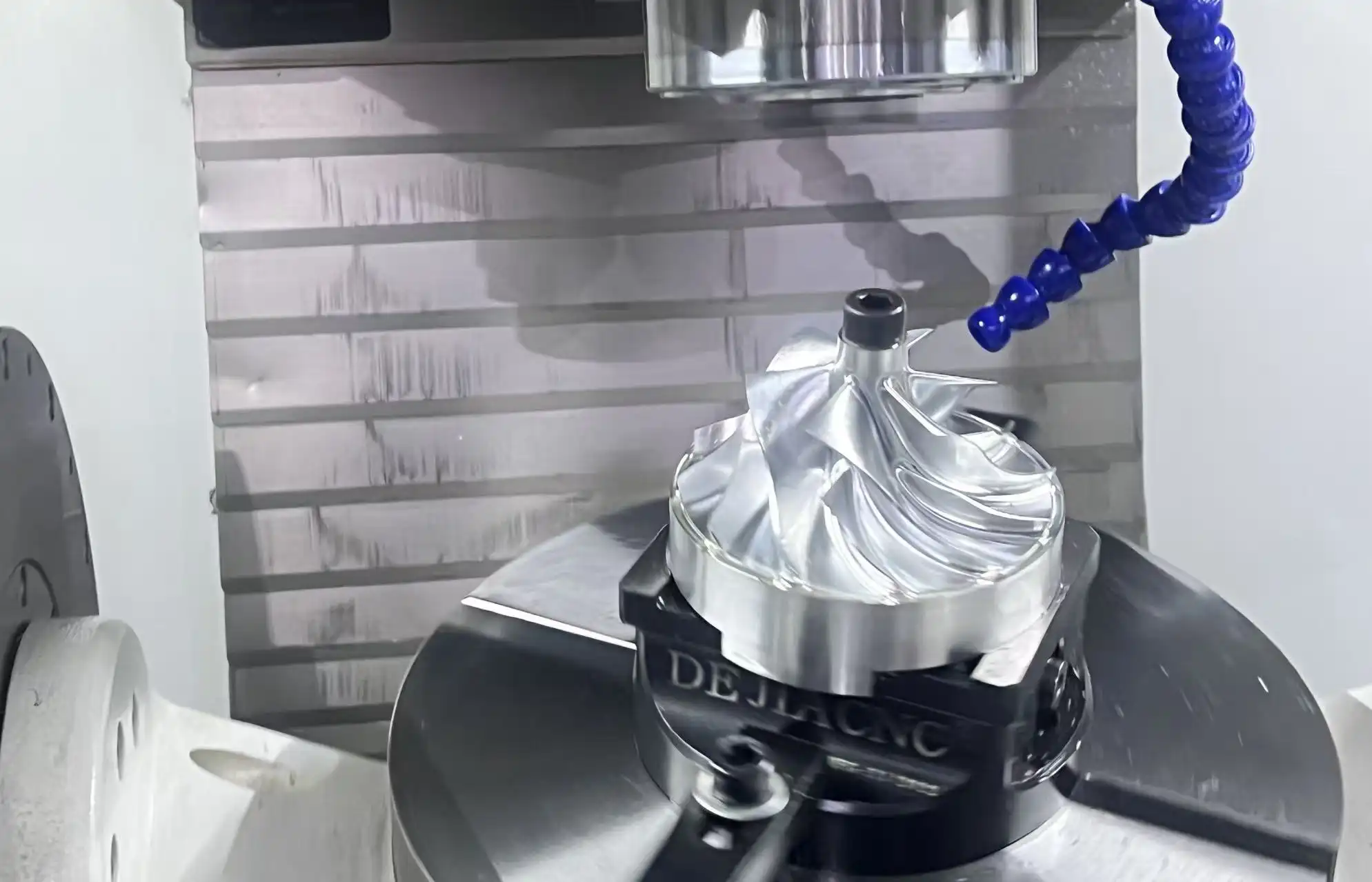
How to Choose the Best CNC Machining Services in China?
To choose a Chinese machine partner, you need to carefully look at them in a number of different ways. We've come up with a way to make decisions that takes CNC machining services expertise and operating dependability into account.
Equipment Capabilities and Material Expertise
Modern CNC shops should have a wide range of tools. A shop that only works with aluminum might not know how to make the right tools for titanium materials, where high temperatures wear down tools quickly. For cutting titanium, you need high-pressure coolant systems and special carbide plugs, which aren't always available. Ask for equipment lists that include machine names, axis configurations, and spindle power rates so you can figure out how much space you need for your materials.
Metallurgical understanding is part of material expertise, which goes beyond knowing how to use tools. Tier-1 automakers that use Grade 2 commercially pure titanium for chemical processing parts need partners who know the pros and cons of both Grade 5 metals' better tensile strength and rust resistance. This knowledge keeps expensive material swaps that hurt performance from happening.
Production Scale and Timeline Responsiveness
Check to see if sources can go from small amounts for prototypes to large amounts for production without losing quality. Testing labs might buy five validation samples at first, and then they'll need 500 units in a few months for approval testing. Suppliers with flexible schedules and capacity gaps can handle these changes better than sites that are always at full capacity.
Transparency about lead times is very important. Getting the materials, writing, cutting, and quality checking all take about two to three weeks during prototype runs. Orders for production take 4 to 6 weeks, especially when the raw materials need to be certified by AMS or ASTM. When suppliers give thorough Gantt charts with tracking of milestones, project planning is less unclear.
Cost Structure and Quality Assurance Balance
The cost of cutting in China is much lower than in the West, but the cheapest quote is rarely the best deal. Look at how the costs are broken down for things like material markup, machining hours, equipment use, and final processes. When prices are unusually cheap, it's often because of old equipment, weak quality controls, or programming by people who haven't done it before, which leads to high rates of scrap.
Reports on the first item review, dimensional checks during production, and final CMM measures should all be part of quality assurance procedures. Independent verification is provided by third-party inspection services like SGS or Bureau Veritas. This is especially helpful for aircraft parts that must have material certifications and tracking paperwork.
Comparing Leading CNC Machining Service Providers in China
In China's machining industry, there are thousands of suppliers with a wide range of skills. Leading companies in their fields have traits that set them apart from stock shops that provide CNC machining services.
Technology Adoption and Capacity Scaling
Top providers are always putting money into automation and integrating software. Facilities that use MAZAK Integrex multitasking machines can do both turning and milling in the same setting, which cuts down on mistakes and cycle times. CAM software, such as Mastercam or Siemens NX, lets you make the best toolpaths that reduce vibration and increase tool life. This is especially important when you're making thin-walled aircraft structures that are likely to bend.
Capacity growth is what sets established sellers apart from new businesses. A company with more than 50 CNC tools can handle sudden jumps in demand without messing up the schedules of current customers. This extra capacity came in very handy when there were problems in the supply chain recently and other providers weren't able to meet the high demand.
Real-World Performance Comparisons
When you compare Chinese sellers to foreign rivals like Protolabs or Xometry, you can see that each has its own pros and cons. Western digital platforms offer instant pricing and wait times of one to three days for easy geometries, but prices go up a lot for complicated parts or materials that aren't commonly used. Chinese sellers need quotes to be filled out by hand, which takes 24 to 48 hours and results in 30 to 50 percent lower prices for the same level of quality.
A European automaker recently switched the production of engine parts from a German source to a partner in Shenzhen that specializes in cutting aluminum and steel. The change lowered the cost per unit while keeping the ±0.01mm standards needed for gearbox housings. As is usual during vehicle development, the Chinese supplier was ready to make design changes in the middle of production. This gave the company more freedom than the previous vendor, whose production schedule was very rigid.
Navigating Procurement and Transaction Processes for CNC Machining in China
Structured communication and effective quality control throughout the production cycle are needed for CNC machining services procurement to go well.
Crafting Effective RFQs and Quote Evaluation
Detailed RFQs get rid of the unclear parts that lead to different quotes. Include full 3D CAD files in STEP or IGES formats, 2D drawings with GD&T callouts, material specs that use ASTM, AMS, or ISO standards, needs for surface finish, and estimates of the annual number. Make it clear if the parts need extra steps like electropolishing, anodizing, or heat treatment.
When comparing rates, don't just look at unit prices. Look at the shipping terms, tooling costs for first items, and NRE costs for special fixtures. When you look at the EXW price, it seems good until you add in the cost of foreign freight and customs fees. DDP terms give you peace of mind about the price because they include all transportation costs.
Quality Control and Inspection Protocols
Instead of depending only on final verification, use checks that are based on milestones. Before full production runs are done, first-article inspection reports make sure that the code and tooling make measurements that match the specs. Ask for material certificates that show the path from raw materials to mill test reports, dimensional reports with CMM measures for important features, and surface finish data from profilometer readings.
Third-party checks help with proof problems that come up because of distance. Inspection agencies do checks on-site using measured tools, taking pictures of problems and giving separate reports on their findings. This method was very helpful when a company that makes medical devices found differences in the anodizing thickness on metal casings. The inspection report supported warranty claims and sped up the production of replacements.
International Logistics Coordination
Timeliness and order value should be used to decide how to ship the items. Air freight can get samples to customers in 5 to 7 days, but it gets too expensive for large orders. Shipping by sea takes three to five weeks to get to places on the US West Coast, but it's a lot cheaper for large orders. When you combine packages for multiple part numbers into one, the freight costs are spread out over bigger orders.
Accurate HS codes, country of origin certifications, and business bills that list the materials used must all be included in customs paperwork. Manufacturers of drone parts found that misclassified parts caused customs holds that slowed down product starts. These problems can be avoided by working with experienced freight forwarders.
Conclusion
Global buyers are drawn to China's CNC machining services industry because it is technically advanced, cheap, and can produce large amounts of goods. It can handle a wide range of needs, from small changes to prototypes to large-scale production, and it can work with a wide range of materials, from common industrial plastics to rare titanium metals. To be successful, you need to carefully evaluate suppliers by looking at their tools, quality standards, and how quickly they respond to your messages. Leading Chinese companies show the same level of dependability as Western options while offering big cost savings. When purchasing teams take the time to carefully check out potential suppliers and set clear quality standards, they regularly get better results in terms of product development timelines and manufacturing costs.
FAQ
What are typical turnaround times for CNC machining projects in China?
It usually takes two to three weeks from the time the price is approved until the prototype is delivered. This time includes getting the materials, programming, machining, inspecting, and sending the prototype internationally. Production runs can last up to four to six weeks, especially when special materials like approved titanium billets need to be sourced. Rush services can shorten deadlines by 30 to 40 percent by buying materials faster and giving them higher priority, but they cost more.
How do Chinese CNC machining costs compare to North American and European providers?
For materials and quality levels that are the same, Chinese sellers usually charge 30–50% less than Western providers for CNC machining services. The edge comes from cheaper labor, more efficient use of tools, and easy access to cheap raw materials. But foreign shipping and possible customs duties cancel out some of these saves. There aren't as many price differences for parts that are hard to make or that need special tools or supplies.
What certifications should I verify when selecting a Chinese CNC machining partner?
ISO 9001 is a standard for quality management, while licenses specific to a field show that the company has certain skills. AS9100 certification shows that a company is competent in the aircraft industry in terms of tracking and paperwork. Getting ISO 13485 approval shows that the rules used to make medical devices meet FDA standards. ITAR registration, which isn't common among Chinese providers, lets them work on parts that are used in defense. Ask for up-to-date certificates with expiration dates and use records maintained by the granting body to make sure they are real.
Partner with BOEN Prototype for Precision CNC Machining Solutions
BOEN Prototype specializes in providing high-quality CNC machining services that help a wide range of businesses go from making prototypes to making small batches of products. Our factory in Shenzhen has high-tech multi-axis machines that can work with industrial plastics, aluminum, steel, titanium metals, and tolerances as small as ±0.005mm. We work with automakers to make motor parts, medical device makers to make biocompatible samples, aerospace teams to build UAV structures, and consumer electronics companies to make changes to enclosure designs. Our combined CNC cutting, turning, quick injection molding, and finishing processes make it easier to coordinate than when you buy from multiple vendors. As a well-known company that offers CNC machining services, we keep our ISO 9001 approval and provide full paperwork for material tracking. You can talk to our engineering team about your project needs by emailing contact@boenrapid.com. Within 24 hours, you'll get full technical reports.
References
Chen, W. & Zhang, L. (2022). Advanced Manufacturing Technologies in China's Precision Machining Industry. International Journal of Production Research, 60(8), 2456-2473.
Thompson, R. (2023). Global CNC Machining Market Analysis: Regional Capabilities and Competitive Landscapes. Manufacturing Technology Insights Quarterly.
Liu, H., Wang, S., & Kumar, A. (2021). Material Selection and Machining Strategies for Titanium Alloys in Aerospace Applications. Journal of Materials Processing Technology, 295, 117-134.
European Association of Machine Tool Industries (2023). International Standards and Certifications in Precision Manufacturing. Brussels: CECIMO Publications.
Nakamura, T. & Schmidt, P. (2022). Supply Chain Optimization in Cross-Border Manufacturing Procurement. Operations Management Review, 18(3), 342-361.
Anderson, M. (2023). Quality Assurance Protocols for International CNC Machining Services. Society of Manufacturing Engineers Technical Paper Series, MS23-198.

How Can We Help?

Your Trusted Partner in Rapid Manufacturing.