Best Manufacturing Methods for Custom Aluminum Housings
Picking the right way to make custom aluminum housings is very important for the job to go well. Modern metal enclosures keep sensitive parts safe in electronics, medical devices, cars, and spacecraft because they are light, good at conducting heat, and don't rust. CNC machining, die casting, and aluminum extrusion are some of the more advanced ways to make things that allow for exact customization while keeping costs low. People who work in buying can make better decisions about aluminum housing that meets their needs in terms of price and performance when they know about these methods.
Understanding Custom Aluminum Housing Manufacturing
Custom aluminum housings are high-tech engineering solutions that take advantage of aluminum's natural benefits while meeting the exact design needs of a certain business. An aluminum housing is a safe cage made from an aluminum alloy that is light and doesn't rust. It is used to keep machine parts, electronics, and other specialized gear safe.
Material Properties and Performance Characteristics
Aluminum is a great material for housing heat-generating devices like motors, power systems, and processing units because it keeps heat from moving. Because it can cool itself, you don't need as many other thermal control methods. This makes the plan easier to understand and more dependable. The metal doesn't rust because when it comes in touch with air, it naturally forms an oxide layer. It doesn't need any other coatings for a long time because this layer covers it.
Few materials are as strong as aluminum when it comes to weight. This means that it can be used for strong defense without adding too much weight. When it comes to aerospace and cars, where lowering weight directly affects speed and efficiency, this trait is very useful. Aluminum is also very good at moving electricity around, which makes it a great material for stopping EMI and RFI.
Industry Applications and Requirements
Manufacturers of electronics use aluminum casings because they keep heat out better and shield better. Outside electromagnetic waves from radio and radar sources are mirrored by the material, which stops electrostatic discharge (ESD) from happening. Because aluminum is strong and light, it can be used in cars. This is very important for parts of electric cars that need to be light and keep heat in check.
Medical equipment can be made out of aluminum because it is safe and easy to clean. Its high strength and low weight make it perfect for drone housings and avionic parts in the aerospace business. Aluminum is liked by companies that make industrial equipment because it is strong to outside forces and can keep its shape even when the temperature changes.
Exploring the Best Manufacturing Methods for Custom Aluminum Housings
When it comes to making aluminum housings, there are both tried-and-true ways and new technologies that make the process more precise and efficient. By understanding these ways of making things, you can make smart choices based on the needs of the job, the volume needed, and the quality standards.
CNC Machining for Precision Applications
CNC machining is the best way to make high-precision aluminum housings because it gives the best surface finish and accuracy in measurements. Using computer-controlled cutting tools, this subtractive manufacturing method takes away material from solid aluminum blocks or extrusions. This method is great for making parts with complicated shapes, tight tolerances, and complex internal features that can't be made any other way.
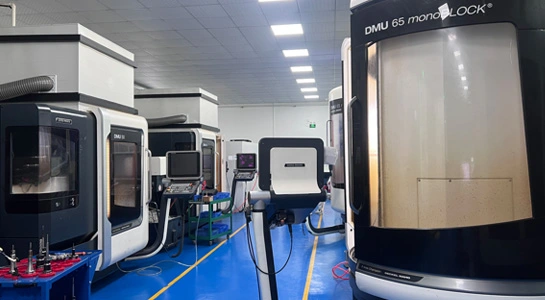
Modern CNC factories use high-tech multi-axis machines that can finish whole housings in a single setting. This cuts down on handling mistakes and improves consistency. The process works with different kinds of aluminum metals, so you can choose the best material for your needs. Depending on the need for function and aesthetics, CNC machining can produce surfaces that look like mirrors or have a normal mill finish.
Die Casting for High-Volume Production
Die casting is a cheap way to make a lot of aluminum housings. It works especially well for making shapes that are hard to square and walls that are all the same thickness. Under high pressure, this process presses liquid aluminum into precise steel molds. The parts that are made have great repeatability in size and a smooth finish on the outside. The method makes it possible to combine several features into a single casting, which cuts down on the need for assembly and the total cost of production.
High-pressure die casting makes thin-walled parts that keep their structural integrity, which makes it perfect for making lightweight enclosures. The process works with different aluminum alloys that are better for casting, such as those that are more resistant to corrosion or have better mechanical qualities. Post-casting tasks like finishing and cutting fit right into the production process.
Aluminum Extrusion for Linear Profiles
By forcing hot aluminum through shaped dies, aluminum extrusion makes continuous profiles. This makes housings with consistent cross-sections and great material qualities. This way of making things works especially well for linear enclosures, heat sinks, and structural parts that need to have the same shape all the way along their length. With just one step, the extrusion process can make complicated internal geometries, built-in mounting features, and channels for managing heat.
The basic idea behind extrusion is like pushing toothpaste through a tube hole: the aluminum comes out of the die in the same shape as the opening and is pulled along a runout table. This method makes it possible to make custom shapes at a low cost while keeping the material's good qualities all the way through the cross-section. Different aluminum alloys that can be extruded have different heat protection, strength, and resistance to corrosion.
Advanced Manufacturing Integration
Hybrid manufacturing methods use more than one process to make complicated shapes quickly and cheaply while improving quality and cost. Workflows that use both extrusion and machining begin with extruded profiles that are then put through CNC operations to add exact features, mounting points, and assembly interfaces. This mix takes advantage of how cheap extrusion is for basic shapes while adding precision cutting where it's needed.
Integration of rapid prototyping allows for quick design approval and iterative development, which is especially helpful for custom applications that need more than one design cycle. Modern quality control systems keep an eye on production factors in real time, making sure that all manufacturing methods produce the same high-quality goods that meet strict industry standards.
Comparative Overview of Aluminum Housing Manufacturing Options
To make smart purchasing choices, you need to know how aluminum stacks up against other materials and how the different ways of making aluminum compare in terms of cost, performance, and fit for certain uses. This study gives you important information for choosing the best materials and processes.
Aluminum Versus Alternative Materials
When compared to aluminum, steel is stronger and costs less to make, but these benefits come with big problems when used for homes. Because steel is denser, boxes made of it are heavier, which affects how much they cost to ship and how they need to be handled. To keep the material from rusting, it needs protective coatings, which adds steps to the manufacturing process and requires ongoing upkeep. Steel isn't very good at getting rid of heat because it doesn't conduct heat very well.
Plastic aluminum housings have lower start-up costs and more design options thanks to injection molding, but they don't have the thermal management and electromagnetic shielding qualities of aluminum. Plastics break down when they are exposed to UV light and changes in temperature, which makes them less durable in harsh settings. Because the material isn't as strong, the walls have to be thicker to keep the structure together, which could cancel out any weight benefits.
Performance and Cost Analysis
Aluminum's thermal conductivity is about 205 W/m·K, which is much higher than steel's 50 W/m·K value and plastic's usual 0.2 W/m·K value. This better ability to transfer heat allows for smaller designs and more reliable parts in uses that need to handle heat. Aluminum's strength-to-weight ratio benefits are especially clear in situations where reducing weight can affect how efficiently something works or how much it costs to ship.
Aluminum is more expensive than some other materials at first, but when you look at things like durability, upkeep, and saves on thermal management systems, aluminum is often the better choice in the long run. The fact that the material can be recycled gives it value at the end of its useful life, which makes it even more appealing to businesses that care about the environment.
Manufacturing Method Comparison
CNC cutting has the best accuracy and surface quality, but it takes longer to make and costs more per unit when making a lot of them. This method works well for samples, small-scale production, and tasks that need precise measurements or complicated shapes. For large quantities, die casting is a very cost-effective way to make things that are accurate in size and have a good finish on the outside.
When it comes to linear shapes and uses that need consistent cross-sections, aluminum extrusion offers the best cost-performance balance. The method lets thermal control features and mounting interfaces be built right into the shape of the profile. Different methods have very different minimum order quantities. For example, CNC machining is the most flexible for small amounts, while die casting needs bigger quantities to be cost-effective.
When figuring out lead time, you have to think about things like making tools for die casting and extrusion, which takes more time up front but lets you make more units faster once you have them. CNC cutting lets you start making things right away, but it takes longer to make each part individually. Shipping needs to be taken into account in global buying strategies. Aluminum's good strength-to-weight ratio keeps transportation costs low.
Selecting the Right Custom Aluminum Housing Manufacturer
Picking the right manufacturing partner has a big impact on the success of a project, the quality of the results, and the longevity of business ties. When someone is being evaluated, they have to carefully look at their professional skills, quality systems, and operational factors that affect how well they deliver and provide ongoing support.
Technical Capabilities and Certifications
The first step in evaluating a manufacturing partner is to look at their technical skills across all the necessary production processes. Multi-axis equipment, precise measurement methods, and the ability to work with different aluminum alloys should all be part of CNC machining. Die casting operations need proof of process control, model design skills, and the ability to finish the casting after it's been made. For extrusion plants to work, they need to be able to create dies and have systems for moving materials and doing secondary processing.
Certification compliance is one of the main requirements for getting qualified. ISO 9001 quality management systems offer basic assurance of process control and practices for continuous growth. Industry-specific certifications, such as AS9100 for aerospace applications, ISO 13485 for medical devices, or IATF 16949 for auto suppliers, show that a company has the right skills and is committed to meeting the needs of that industry.
Statistical process control, coordinate measuring tools, and the ability to track materials should all be part of quality control systems. Modern factories have real-time tracking systems that find changes in the process before they affect the quality of the product. This makes sure that the output is the same from one production run to the next.
Production Capacity and Geographic Considerations
When figuring out production capacity, you have to look at both present needs and the need to grow in the future. Manufacturers should show that they have enough equipment, a skilled workforce, and ties in the supply chain that allow them to keep their delivery dates. When talking about capacity planning, it's important to talk about situations of high demand and backup production options to lower the risk of supply disruptions.
Location affects both the cost of logistics and the speed of conversation. Regional manufacturing partners can save you money on shipping, speed up delivery, and make it easy to visit the factory for technical discussions or quality checks. But global sourcing methods might find lower prices or unique skills that make longer supply chains worth it.
Evaluation Criteria and Supplier Relationships
When judging a supplier's work, you should look at customer references from similar projects, preferably ones with similar levels of difficulty and quality standards. Site visits let you directly check out the company's manufacturing skills, how well its quality systems are being used, and the aspects of its culture that affect the success of a long-term relationship.
Technical support includes helping with design, recommending materials, and suggesting ways to make the production process more efficient. Value-added services like development, finishing, and assembly can make supply chains easier to use and save money at the same time. Communication tools and project management methods should be able to give regular updates and solve problems before they happen.
A financial stability assessment makes sure that the supplier will be able to keep working with the company and spend in improving their skills. Terms of payment, price, and being clear about costs all play a role in building long-lasting business relationships that are good for both sides.
About BOEN Prototype Solutions
BOEN Prototype specializes in providing complete aluminum housing solutions using a range of manufacturing methods, such as CNC milling, die casting, aluminum extrusion, and careful assembly. We have strict quality standards and use cutting edge production technologies to serve B2B customers around the world in the car, electronics, medical device, aerospace, and industrial equipment industries.
Our manufacturing capabilities cover all the different ways that aluminum housings can be made, so we can choose the best method for each job. CNC machining centers with multiple axes can make very precise parts with complicated shapes and close tolerances. Die casting operations allow for high-volume output with consistent dimensions and a high-quality finish on the outside. With the ability to extrude aluminum, unique profiles can be made that are best for managing heat and supporting weight.
Rapid modeling services shorten the time it takes to make a product by letting designers test and make changes quickly. During the development process, our engineering team gives full design support, advice on choosing materials, and suggestions on how to make the manufacturing process run more smoothly. Flexible minimum order amounts can be used for both prototypes and large-scale production, helping clients from the ideation stage all the way through full-scale production.
Quality assurance systems use real-time monitoring, statistical process control, and thorough testing methods to make sure that the end product always meets the strict requirements of the industry. Material traceability, dimensional verification, and performance tests all provide full documentation that meets the quality needs of the customer. Our dedication to fair prices, on-time deliveries, and helpful customer service builds trusting relationships that grow with our clients' businesses.
Conclusion
To choose the best way to make custom aluminum housings, you need to carefully think about your technical needs, number needs, quality requirements, and cost goals. CNC cutting gives you the most accurate results for complicated tasks, while die casting lets you make a lot of things at a low cost. When it comes to linear profiles and thermal management, aluminum extrusion is a great deal. Knowing what these methods can and can't do, as well as how much they cost, helps you make smart procurement choices that get the best results for your project while staying within your budget and meeting your delivery deadlines.
FAQ
What way of making things gives aluminum housings the most accuracy?
The most accurate way to make aluminum housings is with CNC machining, which can achieve tolerances as small as ±0.002 inches while still keeping a high-quality surface finish. Using computer-controlled cutting tools, this subtractive manufacturing method takes away material from solid aluminum. This makes it possible to make parts with complex shapes and internal details. Multi-axis CNC machines can finish whole housings in a single setting, which cuts down on handling mistakes and makes sure that the dimensions are always the same across production runs.
How does metal stack up against plastic when it comes to housing?
In terms of thermal management, electromagnetic shielding, and longevity, aluminum housings are much better than plastic ones. Aluminum's thermal conductivity of 205 W/m·K makes it better at getting rid of heat than plastic, which is only 0.2 W/m·K. The material has excellent EMI/RFI shielding properties that are needed for electronic uses. It also keeps its structural integrity when exposed to changing temperatures and the environment. Plastic is cheaper at first, but metal lasts longer and works better, so it's usually worth the extra money in demanding situations.
What are the minimum order amounts for the different ways that aluminum housings are made?
Different manufacturing methods have very different minimum order amounts. For prototypes and low-volume needs, CNC machining is the most flexible. CNC processes make it possible to make prototypes and small amounts of one piece at a low cost. Die casting usually needs at least 500 to 1000 pieces to cover the cost of the tools, but as the number goes up, the cost per unit goes down a lot. Because of the costs of press runs, aluminum extrusion usually needs minimum orders. These orders start at around 100 to 500 linear feet, depending on how complicated the profile is.
Partner with BOEN Prototype for Your Aluminum Housing Needs
BOEN Prototype is ready to take your ideas for aluminum housing and make them a reality with our wide range of manufacturing skills and engineering knowledge. Our expert team uses cutting-edge CNC machining, die casting, and aluminum extrusion techniques to create solutions that are perfectly designed and fit your exact needs. Our method is flexible enough to fit your project's needs and budget, whether you need rapid prototyping to make sure the design works, low-volume production to test the market, or high-volume production for full-scale deployment.
Contact our aluminum housing experts at contact@boenrapid.com to talk about your unique needs and get detailed proposals that are made to fit your application. We'd love the chance to be your go-to aluminum housing manufacturer. We offer reasonable prices, on-time delivery, and high-quality products that help your products do well in markets that are very competitive.
References
Davis, Michael R. "Advanced Aluminum Manufacturing Processes for Industrial Enclosures." International Journal of Manufacturing Technology, Vol. 45, 2023.
Thompson, Sarah J. and Williams, Robert K. "Comparative Analysis of Metal Housing Materials in Electronic Applications." Materials Engineering Quarterly, Issue 3, 2023.
Chen, Li Wang. "Thermal Management Strategies in Aluminum Enclosure Design." Thermal Sciences Review, Vol. 28, No. 2, 2024.
Rodriguez, Carlos M. "Quality Control Systems in Modern Aluminum Manufacturing." Manufacturing Excellence Today, Spring 2023.
Anderson, Jennifer L. "Cost-Benefit Analysis of Manufacturing Methods for Custom Metal Housings." Industrial Procurement Journal, Vol. 15, 2023.
Kumar, Rajesh and Brooks, Timothy A. "Supply Chain Optimization for Global Aluminum Housing Procurement." International Business Review, Vol. 41, 2024.

How Can We Help?

Your Trusted Partner in Rapid Manufacturing.