Best Manufacturing Processes for Rapid Prototyping Explained
Using advanced manufacturing technologies to make physical models directly from digital designs within hours or days instead of weeks, rapid prototyping is a revolutionary way to build new products. Engineers and designers can quickly try ideas, make designs better, and make sure they work with this iterative process before committing to full-scale production. Businesses can cut development times by a lot by using techniques like 3D printing, CNC machining, and vacuum casting. At the same time, they can keep precision and quality standards high throughout their innovation processes.
Understanding Rapid Prototyping Fundamentals
Rapid prototyping is a complete process that starts with Computer-Aided Design (CAD) data and ends with real, usable models that can be tested and proven. This methodical approach uses different manufacturing technologies to turn digital ideas into working prototypes. This lets teams find problems early on in the development process.
The Core Workflow Process
The process of prototyping starts with thorough 3D modeling software, which engineers use to make exact digital versions of their ideas. Before they are sent to the chosen manufacturing method, these CAD files go through preparation steps such as file optimization and material selection. With today's prototyping technologies, things can be made with amazing accuracy—often within 0.1 mm for very important uses.
Strategic Advantages for Product Development
One of the best things about current prototyping methods is that they allow for quick iteration cycles. Development teams can make many versions of a design in just a few days. This lets testing and tweaking happen quickly, whereas it would normally take weeks using standard manufacturing methods. This speeding up directly leads to shorter time-to-market and an edge in businesses that change quickly.
This faster process naturally cuts costs because teams can find and fix design flaws before spending a lot of money on expensive production tools. Early approval of form, fit, and function can help lower risk by avoiding expensive redesigns later in the development process.
Material Diversity and Applications
Modern prototyping can be done with a lot of different materials, such as engineering-grade plastics like ABS, PC, and PEEK, different photopolymer resins for fine-tuning, and metals like titanium, aluminum, and stainless steel for trying how well they work. Advanced composite materials make it possible to make prototypes that are both light and strong. These prototypes can be used in aerospace and automotive uses that need specific material properties for performance reasons.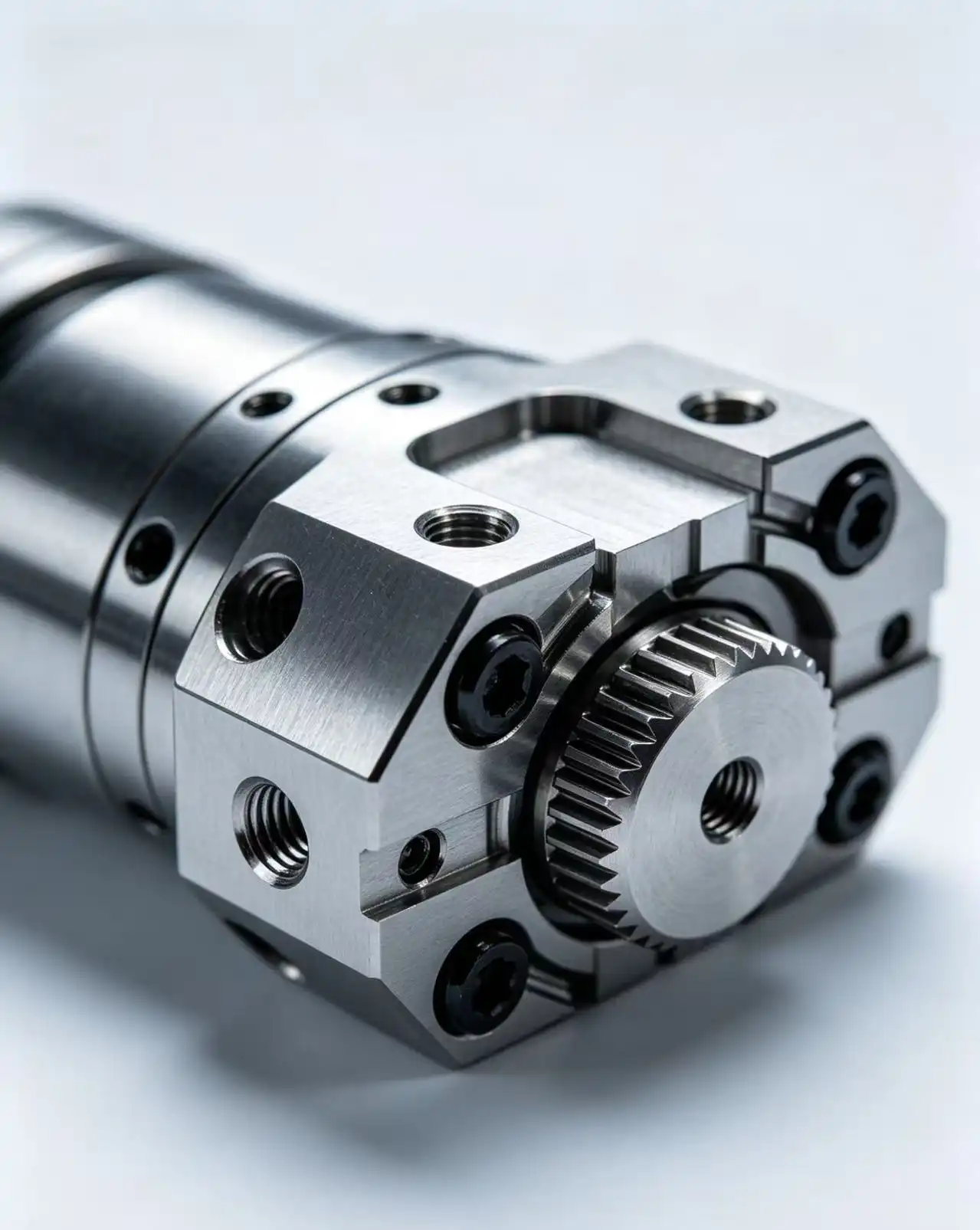
Key Manufacturing Processes for Rapid Prototyping
Additive and subtractive manufacturing are both used in modern prototyping. Each has its own benefits based on the needs of the project, the materials used, and the results that are wanted. Knowing about these technologies helps you make smart choices that lead to the best results.
Additive Manufacturing Technologies
Stereolithography (SLA) uses liquid photopolymer resins that are hardened by exact laser exposure. This method makes very detailed parts with smooth surfaces that are great for visual prototypes and complicated geometries. This technology is great at making intricate internal features and small details that would be hard to make with standard methods.
Selective Laser Sintering (SLS) uses laser energy to fuse powdered materials one layer at a time. This makes it possible to make working prototypes out of nylon, metal powders, and special composites. SLS technology doesn't need any support structures, so it can make parts with complicated shapes and multiple parts in a single build cycle.
Fused Deposition Modeling (FDM) pushes heated thermoplastic through heated nozzles to build parts layer by layer. These parts have great mechanical properties and can be used for functional tests. This technology works with engineering-grade materials and can make bigger samples more affordable.
Subtractive Manufacturing Methods
CNC machining uses computer-controlled cutting tools to take material from solid blocks. It can do this on metals, plastics, and composite materials with great accuracy and surface quality. This technology has been around for a long time and works well with production-grade materials to make sure they work right.
CNC machining is very useful for making precise parts that need to be made to very tight specs or have very specific surface finishes. Material waste is the main problem, but recycling programs help lessen the damage to the earth.
Hybrid and Specialized Techniques
Using silicone molds and polyurethane resins, vacuum casting makes many copies of a prototype. This is a way to bridge the gap between making a single prototype and making a lot of them. This method makes parts that look and feel like injection-molded ones while keeping the cost down for orders of 10 to 50 parts.
Die casting and metal pressing are ways to make prototypes out of metal that need certain mechanical qualities or surface treatments. When used in the real world, these methods help with functional validation.
Practical Applications and Industry Use-Cases of Rapid Prototyping
Rapid prototyping is used in many fields, each with its own specific needs. For example, it is used in the car industry to make powertrains and in medical devices that need to be biocompatible. Each sector uses its own unique strengths to speed up innovation and lower the risks of growth.
Automotive Industry Applications
Automakers use prototyping for interior parts, lighting housings, and engine parts that need to be tested to make sure they work in real-world situations. EV startups gain a lot from being able to make changes quickly when they are making battery housings, thermal management systems, and parts of the charging infrastructure.
Before investing in expensive production tools, engine parts go through a lot of prototyping to make sure that the cooling systems, airflow, and mounting connections work as expected. Lighting assemblies need precise optical properties that can be achieved with clear resin printing and methods for post-processing.
Consumer Electronics and Smart Devices
Electronics companies use prototypes to test the functionality of their assemblies, create their cases, and figure out how buttons work. As consumer gadgets get smaller, they need precise prototyping tools to test how well parts fit together and how the user interacts with them.
Developers of smart home devices use prototyping to test things like where to put wireless antennas, how to handle heat, and how to make the user experience comfortable. Industrial design companies make prototypes that look good for client presentations and studies to see if the product will sell.
Medical Device Development
For prototype validation, companies that make medical devices need biocompatible materials and the ability to handle them in a sterile way. Regulatory compliance testing usually starts with prototypes of parts that need to show they are safe and effective in real-life situations.
Before committing to production tooling, ergonomic testing samples let you make sure that user interfaces, grip characteristics, and operational processes work as they should. Custom surgery guides and implants made just for one patient are two growing areas that need quick turnaround times.
Aerospace and UAV Innovation
For aerospace uses, prototypes need to be strong but not too heavy so they can pass environmental tests and certification processes. Manufacturers of drones use prototypes to test the drone's aerodynamics, integrate payloads, and check its structure while it's in flight.
Critical parts can be tested for functionality using high-strength materials like carbon fiber composites and titanium metals. Rapid prototyping processes allow for weight optimization through iterative design revision.
Strategic Insights for Procurement: Selecting and Sourcing Prototyping Services
When choosing prototyping partners, procurement workers have to think about a lot of things, such as technical skills, quality certifications, cost structures, and how close the partners are geographically. Strategic relationships with suppliers allow for consistent quality and dependable arrival times.
Evaluating Service Provider Capabilities
Quality management systems like ISO 9001 and AS9100 show how to get regular results by following set procedures. Industry-specific certifications, such as IATF 16949 for car applications or FDA registration for medical devices, show that you have specialized knowledge.
Lead times, shipping prices, and how well people can communicate are all affected by where they are located. For quick iterations and face-to-face collaboration, local suppliers are better, but for specialized skills, foreign partnerships may be needed.
Cost Structure Optimization
Clear pricing models help with making accurate project budgets and comparing costs from different providers. Volume price tiers let you save money when you need to make more than one prototype or iteration.
It is important to know about the material costs, setup fees, and post-processing fees before starting a job. The ability to place a rush order and the fees that go along with it help you meet tight project deadlines.
Supply Chain Integration Strategies
By using manufacturing ideas early on in the development process, collaborative design reviews and concurrent engineering methods get the most out of rapid prototyping. Digital file management and version control tools make sure that all project teams work from the same set of files.
Some ways to lower the risk are to use qualified backup providers and make sure that the software works on multiple platforms. Procedures for quality control should be in line with internal standards and the needs of the end user.
Company Introduction and Our Rapid Prototyping Solutions
BOEN Prototype specializes in full prototyping and low-volume manufacturing services for plastic and metal materials. They help companies in the automotive, medical device, aerospace, consumer electronics, and industrial equipment industries create new products. Our integrated manufacturing capabilities include CNC machining, rapid injection molding, vacuum casting, SLA, and SLS 3D printing, so we can choose the best process for each job.
Comprehensive Manufacturing Capabilities
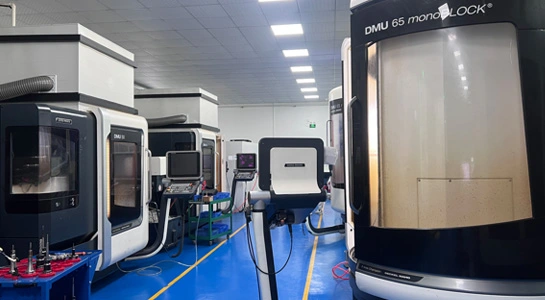
Our state-of-the-art facility has cutting-edge tools for a number of different production processes all in one place. Our CNC machining centers make precise parts out of metal and plastic, and our 3D printing options include stereolithography for parts with a lot of details and selective laser sintering for samples that work.
Using engineering-grade urethane materials and silicone tools, vacuum casting services make it possible to make large quantities of samples. Rapid injection molding helps with trial production and design validation using materials and methods that are meant to be used in production.
Industry-Specific Expertise
Our tech team has a lot of experience working on medical devices, consumer electronics, automotive systems, and aerospace parts. This information from different industries lets people make the best process and design suggestions that raise the value of prototypes while lowering the overall cost of development.
Quality management systems make sure that results are always the same and that everything can be tracked throughout the production process. Material certifications and test results are proof that you are following the rules and meeting your own quality standards.
Customer-Centric Service Approach
Help with project management includes reviewing the plan, choosing materials, and making the delivery schedule work better. Our engineering team works with clients to find possible manufacturing problems early in the design process. This keeps prototype production from being delayed and costs from going up.
We can ship items all over the world and offer fast processing choices to meet tight project deadlines. Digital project tracking and communication systems let you see the state of production and delivery schedules at any time.
Conclusion
Rapid prototyping technologies are always changing to meet the needs of businesses that need to make product development more difficult. Choosing the right manufacturing processes has a direct effect on how long it takes to make a product, how much it costs, and how successful it is. Modern testing tools make it possible to test functionality, improve designs, and lower risks in ways that older ways of developing software can't. Procurement experts who know about these technologies and how they can be used can add a lot of value by choosing the right suppliers and forming strategic partnerships that speed up innovation while keeping quality standards high.
FAQ
What distinguishes rapid prototyping from conventional 3D printing?
Rapid prototyping encompasses multiple manufacturing technologies including 3D printing, CNC machining, vacuum casting, and rapid tooling methods. While 3D printing represents one category within prototyping, comprehensive prototyping services offer broader material options, superior mechanical properties, and production-intent processes that standard 3D printing cannot achieve.
How should procurement teams select appropriate prototyping methods?
Material requirements, dimensional tolerances, quantity needs, and intended use cases drive process selection decisions. Functional prototypes requiring metal properties benefit from CNC machining, while complex geometries with fine details favor stereolithography. Vacuum casting suits projects needing multiple copies with production-like materials.
What lead times should be expected for different prototyping methods?
SLA and FDM printing typically require 3-5 business days including post-processing and finishing. CNC machining spans 5-10 business days depending on complexity and material availability. Vacuum casting projects need 7-14 days including silicone tooling fabrication. Rush processing options can reduce these timeframes for urgent requirements.
How can businesses optimize prototyping budgets effectively?
Consolidating multiple parts into single build platforms reduces per-part costs for additive manufacturing methods. Selecting appropriate tolerances and surface finish requirements prevents unnecessary premium charges. Planning iteration cycles and material requirements enables volume pricing advantages and reduces overall project costs.
Start Your Rapid Prototyping Journey with BOEN Prototype
Ready to accelerate your product development with professional prototyping services? BOEN Prototype offers comprehensive rapid prototyping solutions tailored to your industry requirements and project specifications. Our experienced engineering team provides consultation on optimal manufacturing processes, material selection, and cost optimization strategies. Contact our rapid prototyping specialists at contact@boenrapid.com for detailed project discussions and competitive quotations. Whether you need single prototypes or pilot production quantities, our rapid prototyping manufacturer capabilities deliver the quality and reliability your projects demand.
References
Gibson, Ian, et al. "Additive Manufacturing Technologies: 3D Printing, Rapid Prototyping, and Direct Digital Manufacturing." Springer Science & Business Media, 2021.
Pham, Duc Truong, and Rajkumar S. Gault. "A comparison of rapid prototyping technologies." International Journal of Machine Tools and Manufacture, Vol. 38, 2020.
Kruth, Jean-Pierre. "Material Incress Manufacturing by Rapid Prototyping Techniques." CIRP Annals - Manufacturing Technology, Vol. 40, 2021.
Levy, Gideon N., Ralf Schindel, and Jean-Pierre Kruth. "Rapid manufacturing and rapid tooling with layer manufacturing technologies." CIRP Annals - Manufacturing Technology, Vol. 52, 2020.
Chua, Chee Kai, and Kah Fai Leong. "Rapid Prototyping: Principles and Applications in Manufacturing." World Scientific Publishing Company, 2021.
Hopkinson, Neil, Richard JM Hague, and Philip M. Dickens. "Rapid Manufacturing: An Industrial Revolution for the Digital Age." John Wiley & Sons, 2020.

How Can We Help?

Your Trusted Partner in Rapid Manufacturing.