Best Materials for High-Load Mechanical Components
Engineers confront a difficult choice that affects operating efficiency and long-term maintenance costs when choosing materials for high-load mechanical components. Critical mechanical components like these need to be able to withstand huge loads, keep their shape, and not break under harsh environments. How long components last, how reliable a system is, and how well it runs are all affected by the material choice. Optimal performance and cost-effectiveness in challenging industrial settings may be achieved when procurement personnel have a firm grasp of the connection between material attributes and application requirements.
Understanding High-Load Mechanical Components and Their Material Requirements
High-load mechanical components serve as the backbone of industrial machinery, transmitting power and supporting substantial operational forces. These essential elements include gears that modify torque and speed ratios, bearings that reduce friction between moving parts, shafts that transfer rotational motion, and fasteners that maintain structural connections under stress.
Critical Material Properties for Heavy-Duty Applications
Certain material properties allow components to endure operating demands, which is crucial for high-load applications. A material's yield strength is the stress level at which permanent deformation occurs, whereas its tensile strength is the capacity to resist breaking under strain. When components are subjected to repeated loading cycles, fatigue resistance becomes critical. This is because material failure is often caused by cumulative stress rather than a single overload event.
Gear and bearing contact surfaces are especially sensitive to hardness since it determines their wear resistance and surface endurance. Important for impact-resistant uses, toughness evaluates a material's energy-absorbing capacity before breaking. Material qualities are maintained throughout temperature ranges by thermal stability, and component life is extended by corrosion resistance in hostile environments.
Load Distribution and Stress Concentration Factors
Material selection tactics are influenced by an understanding of how forces propagate across mechanical components. Localized failure sites may be caused by stress concentrators such as sharp edges, perforations, or surface imperfections, which cause stresses to exceed the material's capabilities. Ductile materials are better able to disperse stress, but brittle materials may need design changes to control stress concentrations.
Materials are already complicated enough when subjected to static loads; when subjected to dynamic loading circumstances, they must also withstand changing forces that can cause fatigue failure. When dealing with rotating gears, reciprocating systems, or changing operating circumstances, the connection between loading amplitude, frequency, and material reaction becomes crucial.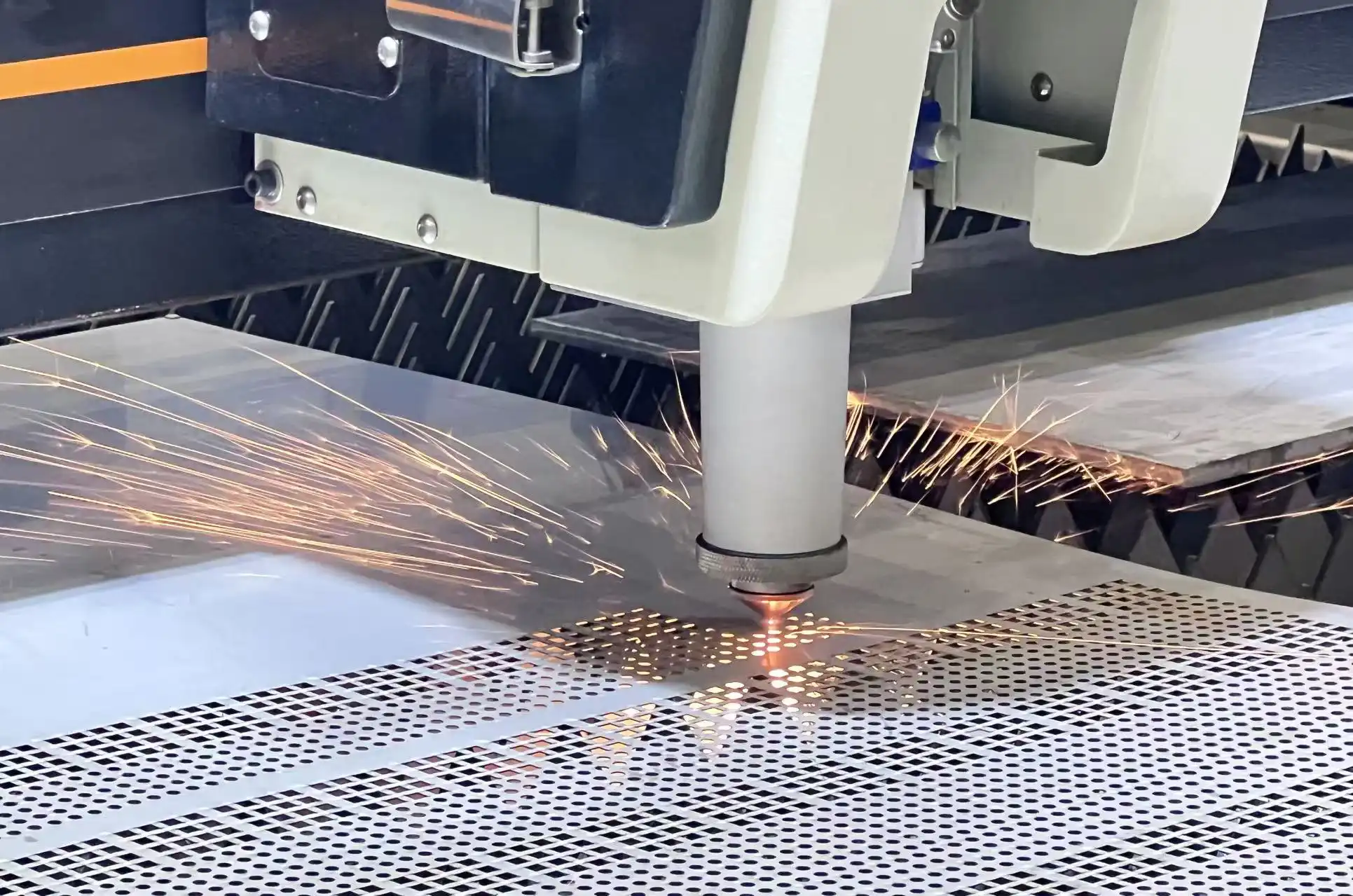
Top Materials Used in High-Load Mechanical Components
Material selection for heavy-duty applications involves balancing performance requirements against cost considerations and manufacturing constraints. Each material family offers distinct advantages suited to specific operational environments and loading conditions.
Steel Alloys: The Foundation of Heavy Industry
Because of their remarkable mix of strength, toughness, and adaptability, steel alloys continue to be the material of choice for high-load mechanical components. Carbon steels are perfect for structural components, gears, and shafts because their regulated carbon content gives them outstanding tensile strength and hardness. The formability and weldability of low-carbon steels are unmatched, but the hardness and wear resistance of high-carbon steels are unmatched.
Chromium, nickel, and molybdenum are some of the elements added to alloy steels in order to improve their qualities. Molybdenum improves creep resistance and high-temperature strength, nickel improves toughness and low-temperature performance, while chromium boosts corrosion resistance and hardenability. Thanks to these additives, steel alloys may satisfy stringent requirements in a wide range of industrial uses.
Stainless steels are ideal for parts that are subjected to high temperatures or aggressive chemicals since they are both strong and resistant to corrosion. Stainless steels may be hardened and have superior corrosion resistance in martensitic grades, whereas austenitic grades are more malleable and easy to shape.
Advanced Metallic Solutions
When it comes to mechanical components for applications that need a high level of strength-to-weight ratio and resistance to corrosion, titanium alloys are the way to go. When it comes to structural components, engine parts, and other crucial mechanical pieces where weight reduction directly affects performance and economy, the aerospace industry heavily uses titanium. Because of its moderate strength levels and great fatigue resistance, Ti-6Al-4V is still the most utilized titanium alloy.
Lightweight and resistant to corrosion and heat, aluminum alloys are a great substitute. Despite having weaker strength than steel in most cases, aluminum is a good choice for uses where saving weight is of the utmost importance due to its light weight. While still being lightweight, heat-treatable aluminum alloys may reach strengths that are adequate for moderate-load applications.
Specialized Material Options
In certain contexts, cast iron's special qualities make it preferable to steel, hence the material is still in use. Machine bases and certain gear applications may benefit from gray cast iron's high wear resistance and vibration dampening properties. The versatility of ductile iron is enhanced by its combination of gray iron's castability with increased toughness and strength, opening up new avenues for use.
In high-performance mechanical components, where conventional materials fail, composites are finding more and more uses. Though they provide great design freedom and strength-to-weight ratios, carbon fiber reinforced polymers are not yet widely used in regular industrial applications due to cost concerns.
Comparing Material Performance for Different Industrial Applications
Industrial sectors place varying demands on mechanical components, requiring tailored material selection approaches that align with specific operational requirements and performance priorities.
Automotive Industry Requirements
Finding the sweet spot between economy, light weight, and performance is crucial in automotive applications. Combustion byproducts and working fluids may corrode engine components, therefore it's important that these parts can withstand high temperatures without losing strength or dimensions. In order to withstand wear and manage shock loads, transmission gears need a combination of core toughness and high surface hardness.
In an effort to increase electric vehicles' range at the expense of structural integrity and crash safety, new material needs are emerging as a result of product development. Components and structural parts of electric vehicle chassis are increasingly made of aluminum alloys and sophisticated high-strength steels.
Heavy Machinery and Industrial Equipment
Steel alloys with exceptional strength and wear resistance are ideal for heavy equipment mechanical components because dependability and longevity are more important than weight. In order to work properly,mechanical components of mining equipment must be dimensionally accurate and resistant to abrasive environments and impact loading.
In addition to the usual problems, construction equipment must also be easily repairable and accessible in the field for maintenance. When choosing materials, it's important to think about how they'll be heat treated and what kinds of welding properties they'll need to support field service activities.
Environmental and Operating Condition Factors
Chemical exposure may quickly deteriorate components despite their mechanical strength, hence corrosive conditions play a big role in material selection selections. Materials with improved corrosion resistance are necessary for marine applications, whereas alloys designed to withstand certain chemicals may be necessary for chemical processing equipment.
Problems with material selection are exacerbated by temperature extremes. For uses at high temperatures, materials must be strong and resistant to creep deformation; for uses at low temperatures, materials must be impact tough to avoid brittle failure.
Maintenance Tips to Maximize Material Performance in Mechanical Components
Proper maintenance practices significantly extend component life and optimize material performance, regardless of the materials selected for specific applications.
Inspection and Monitoring Strategies
Preventative maintenance inspections may catch wear, fatigue, and other forms of deterioration before they cause a component to fail. Surface fractures, wear patterns, and corrosion initiation may be seen visually, but subsurface problems can only be discovered by ultrasonic testing or magnetic particle inspection, two more sophisticated methods.
Bearing health and shaft alignment problems may hasten component wear, but vibration monitoring can reveal both. Problems with lubrication or high friction between moving components may be revealed by thermal imaging's hot spots.
Lubrication and Surface Protection
Proper lubrication aids in the dissipation of heat produced during operation, decreases wear, and lowers friction in mechanical components. In order to choose a lubricant with the right film thickness and protection, it is important to think about the operating temperatures, loads, and speeds. Lubricant analysis is a good indicator of the state of mechanical components since it tracks contamination levels and degradation products.
Case hardening, nitriding, and coating applications are surface treatments that may improve wear resistance and reduce friction, which in turn increases component life. These treatments enhance performance for certain uses by modifying surface qualities while keeping the material's core features unchanged.
Installation and Handling Best Practices
Damage that might cause stress concentrations and early failure spots should be avoided by following proper installation methods. Accurate torque parameters are necessary to prevent fasteners or components from being overstressed while ensuring sufficient clamping force. Wear and fatigue may be slowed down by alignment processes, which reduce edge loading and balance out uneven stress distribution.
Installation and maintenance handling protocols protect components against physical damage and contamination, which may degrade their function. Reduced input of abrasive particles causes increased wear in clean assembly settings.
Procurement Guide: Choosing and Buying High-Load Mechanical Components
Strategic procurement of high-load mechanical components requires understanding supplier capabilities, quality systems, and market dynamics that affect availability and pricing.
Supplier Evaluation and Selection Criteria
Established quality management systems, often accredited to ISO 9001 or industry-specific standards, allow reputable suppliers to show consistent quality. The heat treatment facilities, machining accuracy, and testing gear needed to produce a product should all be in sync with the specifications of the individual components.
When choosing materials for important uses, the ability to provide technical help becomes vital. Expert metallurgical suppliers may advise on component performance-enhancing material selection, heat treatment optimization, and application-specific suggestions.
Quality Assurance and Certification Requirements
For mission-critical applications, component certification guarantees that materials and mechanical components fulfill strict specifications. Certificates from mill tests attest to the material's mechanical and chemical qualities, and further testing may confirm application-specific features.
Independent confirmation of component quality and specification compliance is provided by third-party inspection and testing services. This is of utmost importance in applications that are considered safety-critical, since any component failure might lead to serious repercussions.
Cost Optimization Strategies
Understanding market factors that influence material costs enables better procurement timing and supplier negotiations. Raw material prices, energy costs, and capacity utilization affect component pricing and availability. Long-term supply agreements can provide price stability while ensuring component availability.
Standardization efforts reduce procurement complexity and enable volume purchasing benefits. Where possible, designing around readily available materials and standard specifications reduces costs and lead times.
Company Introduction and Product & Service Overview
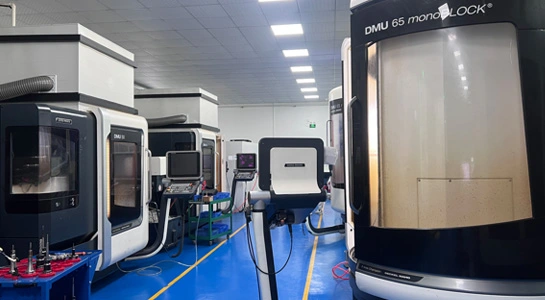
Here at BOEN Prototype, we're experts in making mechanical components for all sorts of different sectors via low-volume manufacturing and high-quality fast prototyping. Utilizing a wide range of technologies, such as computer numerical control machining, fast injection molding, compression molding, metal pressing, die casting, and several 3D printing processes, we are able to handle plastic and metal materials that are well-suited for rigorous uses.
Applications involving precise mechanical components necessitating precise specifications and dependable performance fall within our area of competence. This includes robots and the automobile industry. We assist companies that make medical devices by providing them with biocompatible materials and components that adhere to all applicable regulations. Our proficiency with sophisticated materials and stringent quality control measures allow us to meet the demanding requirements of aerospace and military applications.
Optimal solutions for complicated mechanical component issues may be recommended by integrating our manufacturing techniques with extensive materials expertise. We maintain quick turnaround times while assuring the quality of our work, whether it's designing prototypes for functional validation or manufacturing small quantities for unique purposes. Throughout the development phase, our engineering staff is available to advise, making sure that production processes and material choices are in line with performance goals and cost targets.
Conclusion
One of the most important decisions that may affect operational performance, maintenance needs, and total cost of ownership is choosing the right material for high-load mechanical components. While steel alloys are still dependable for most uses, more modern materials such as titanium alloys and composites provide performance benefits for niche applications. Optimal performance and cost-effectiveness may be achieved by well-informed procurement choices that take into account the interplay between material qualities, application needs, and environmental circumstances. Component performance and dependability in demanding industrial applications are further enhanced by strategic supplier relationships and proper maintenance methods.
FAQs
1. What are the best materials for high-stress mechanical components?
Steel alloys typically provide the optimal combination of strength, toughness, and cost-effectiveness for high-stress applications. Carbon steels offer excellent tensile strength, while alloy steels provide enhanced properties through controlled alloying additions. Stainless steels combine mechanical strength with corrosion resistance for harsh environments.
2. How do I determine the right material for specific load requirements?
Material selection should consider maximum expected loads, loading frequency, operating environment, and safety factors. Consulting with materials engineers and conducting finite element analysis helps identify stress distributions and material requirements. Testing programs validate material performance under actual operating conditions.
3. Are advanced materials like titanium worth the additional cost?
Titanium alloys provide exceptional strength-to-weight ratios and corrosion resistance that justify higher costs in weight-critical applications or corrosive environments. The decision depends on performance requirements, operating conditions, and total cost considerations including maintenance and replacement intervals.
Partner with BOEN Prototype for Superior Mechanical Components Manufacturing
Elevate your next project with BOEN Prototype's expertise in precision mechanical components manufacturing. Our advanced CNC machining capabilities, rapid prototyping services, and comprehensive materials knowledge ensure your components meet the highest performance standards. Contact our engineering team at contact@boenrapid.com to discuss your specific requirements and discover how our rapid turnaround times and quality assurance processes support successful product development. As your trusted mechanical components supplier, we provide tailored solutions that optimize both performance and cost-effectiveness for demanding applications.
References
1. Davis, J.R. "Materials Selection for Mechanical Design." ASM International Handbook of Materials Selection, 4th Edition, 2022.
2. Smith, William F. "Mechanical Properties of Engineering Materials Under High-Load Conditions." Journal of Materials Engineering and Performance, Vol. 31, 2023.
3. Anderson, Robert K. "Steel Alloys in Heavy Industrial Applications: Performance and Selection Criteria." Materials Science and Technology Review, 2022.
4. Chen, Liu Wei. "Advanced Materials for High-Performance Mechanical Components." International Journal of Advanced Manufacturing Technology, 2023.
5. Thompson, Michael A. "Fatigue Resistance and Material Selection for Rotating Machinery Components." Mechanical Engineering Design Standards Manual, 2022.
6. Rodriguez, Carlos E. "Cost-Effective Material Solutions for Industrial Mechanical Components." Industrial Materials and Manufacturing Quarterly, Vol. 18, 2023.

How Can We Help?

Your Trusted Partner in Rapid Manufacturing.