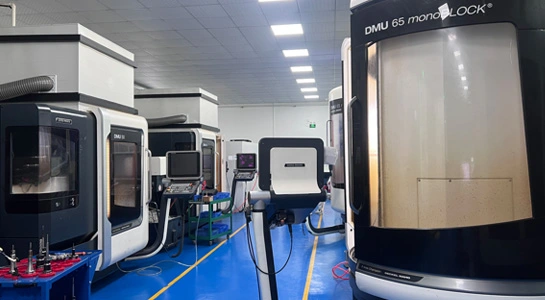
How to Select Precision Machining Suppliers for Global Sourcing
Choosing the right partner for precision machining can make or break the time it takes to build your product. When you need to keep tolerances within microns for car parts or biocompatible materials and perfect surface finishes for medical device samples, the provider you choose becomes an important part of your engineering team. Precision machining includes CNC milling, turning, and multi-axis operations, which are computer-controlled subtractive production processes that take blocks of raw material and turn them into precise parts. Not only is it hard to find a vendor with the right tools, but it's also hard to find a partner who understands the rules that apply to your industry, can communicate clearly across time zones, and can go from small prototype runs to short production runs without sacrificing quality or delivery dates.
Understanding the Precision Machining Landscape
Precision machining is the most important part of modern manufacturing because it gives working samples and production parts the exact dimensions and surface quality they need. Computer numerical control (CNC) technology is at the heart of this field. With CNC, written instructions tell cutting tools how to move through complicated three-dimensional paths. Different from additive methods that build parts layer by layer, subtractive methods start with a solid stock of aluminum, titanium, engineering plastics, or specialty metals and slowly remove material until the final shape is formed.
Core Techniques and Processes
CNC milling uses multi-flute cutters that spin to make pockets, curves, and flat surfaces. This makes it perfect for making enclosures, mounting frames, and samples that look good in consumer electronics. When you turn something, you spin it against a stationary tool to make cylindrical parts like shafts, bushings, and threaded connections that are popular in robots and automation systems. Multi-axis machining centers, which come in three- to five-axis models, let the tool move at the same time along multiple lines. This cuts down on setup time and improves accuracy for complicated shapes like turbine blades or hip implants.
Traditional milling and turning can't work on materials that are too hard or complicated for traditional tools. Laser cutting and electrical discharge machining (EDM) can. Laser systems melt metal or plastic along lines that have been pre-programmed. This makes the edges of lighting housings and internal trim panels smooth. Electrical sparks are used in wire EDM to cut through sensitive materials. For injection mold parts and precision dies, tolerances can be as tight as ±0.0001 inches.
Material Considerations in Sourcing Decisions
The choice of material has a direct effect on the plan for machining, the wait time, and the cost structure. Aluminum metals, especially 6061-T6 and 7075-T6, are strong for their weight and can be machined quickly. This makes them essential for aircraft prototyping and drone frames. Grades of stainless steel like 304 and 316 are needed for medical devices and food processing equipment because they don't rust. However, because they work harden quickly, they need carbide tools and controlled feed rates.
Engineering plastics like ABS, polycarbonate, and PEEK are used in places where chemical protection, electrical insulation, or weight reduction are more important than strength from metal. Because it is biocompatible and can be sterilized by steam, PEEK is often used for surgery tools and lab equipment. Ti-6Al-4V (Grade 5) titanium has a low density and great fatigue resistance, which makes it a good choice for high-cycle loading applications in aircraft bolts and pistons for cars. Because the metal tends to work-harden and doesn't conduct heat well, it needs special tools—often polycrystalline diamond (PCD) inserts—and careful heat control during machining to keep the dimensions from shifting and the tools from wearing out too quickly.
Industry 4.0 and Digital Quality Control
Automation and connection are changing what suppliers can do in ways that can be measured. Machine tools that are connected to the internet of things (IoT) send real-time information about things like spindle load, tool wear, and temperature expansion. This lets workers change settings before problems happen. Digital twin models can guess how layer-by-layer material removal will affect remaining stress and distortion, which cuts down on the number of trial-and-error steps needed during setup. Coordinate measuring machines (CMMs) that can scan with a laser can make full-part inspection reports in minutes. These reports show that the part meets GD&T requirements and provide tracking that meets AS9100 and ISO 13485 tests.
Statistical process control (SPC) software collects measurement data from different batches and looks for patterns that show when tools are wearing out or calibration is shifting. This predicted method lowers the amount of waste and keeps output steady even as production numbers rise. When suppliers use these technologies, it shows that they are dedicated to constant growth and lowering risk. This means that your company will have fewer line-downs and more successful product launches.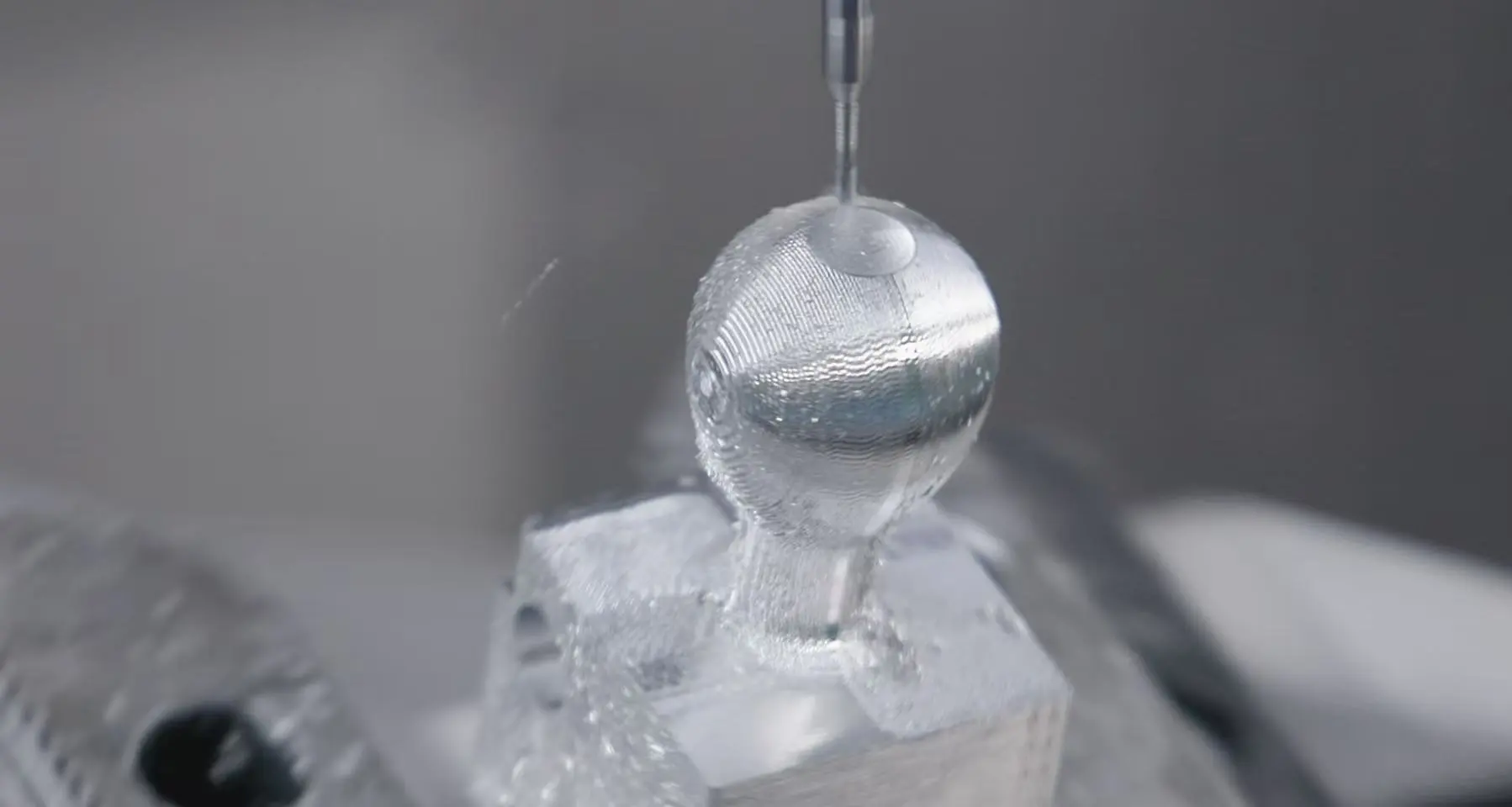
Core Criteria to Evaluate When Choosing Precision Machining Suppliers
Choosing to work with a precision machining source is more than just looking at price quotes and lists of equipment. Leaders in engineering need to check if a possible partner has the technical knowledge, good infrastructure, and industry knowledge to see complicated projects through from the idea stage to approval.
Tolerance Capabilities and Certification Standards
Tolerance correctness shows what a provider can actually do. A lot of sellers say they have "tight tolerances," but the truth is very different. Standard CNC cutting usually holds ±0.005 inches, which is fine for covers and fittings that aren't very important. For high-precision jobs like turbine housings, medical implants, and aircraft structural parts, the tolerance must be ±0.0005 inches or tighter. This can only be done with machines that are thermally stable, strict tool management, and tested measurement methods.
Certifications are an objective way to show that a company has good quality control methods and knowledge in a certain area. ISO 9001 sets the standards for quality management. These standards include controlling documents, taking appropriate action, and reviewing management. AS9100 adds these standards for defense and aerospace contractors, making sure they follow procedures for configuration management, risk assessment, and first-article inspection. ISO 13485 sets rules for companies that make medical devices. It focuses on things like tracking, design checks, and monitoring after the product has been sold. IATF 16949 is for car providers and focuses on preventing mistakes, advanced product quality planning (APQP), and production part approval processes (PPAP).
Industry Experience and Track Record
A supplier's experience in your industry shows how well they know the material requirements, regulatory paths, and failure modes that are specific to your application. A Tier-1 car provider knows that engine parts are exposed to oil-based fluids, temperature cycling, and vibration, which is why they choose heat-treated aluminum or nodular iron as the material of choice. According to ISO 10993, medical device makers know that any part that comes into touch with body fluids needs to be biocompatibility tested. This affects their choices about how to sterilize and treat the surface.
Asking for case studies, client references, and model parts is a concrete way to show that you have the right experience. If your provider has been through FDA 510(k) submissions or EASA certification checks before, they know how to do things in a way that speeds up your project and lowers the risk of not following the rules.
Advanced Technology Versus Traditional Methods
How complicated the equipment is directly impacts how efficiently it makes things, how complex they can be, and how much they can be made. Three-axis vertical machining centers can handle simple shapes, but parts with features on more than one face need to be set up more than once, which adds to the cost of work and causes alignment mistakes. Five-axis simultaneous machining centers get rid of most of the need for secondary processes. This cuts down on wait time and makes it easier to see how features fit together geometrically.
High-speed spindles (at least 20,000 RPM) allow for fine finishing passes that cut down on or get rid of the need for hand cleaning, which is important for making prototypes that look good and optical parts. Pallet-changing systems automatically load workpieces during shifts without a worker present. This improves productivity without adding more workers. Suppliers that invest in these kinds of technologies show that they can quickly scale up and keep quality high, which is very important when going from validating prototypes to bridge production.
Comparing and Selecting the Right Supplier: Key Decision Factors
Once you've found suppliers with the right skills and credentials, the next step in the decision process is to look at things like cost structures, the dependability of wait times, and operational flexibility. These are the things that decide how well a relationship will work in the long run.
Transparent Cost Structures and Pricing Models
Materials, machine time, tools, setup, finishing, and checking are all part of the costs of precision machining. Getting to know how sellers set up these parts helps buying teams plan budgets and find value. The prices of materials change with the trade markets. For example, the prices of aluminum and steel change from region to region. For specialty alloys like Inconel or medical-grade titanium, there are higher prices because of their limited supply lines.
Machine time rates show how complicated the equipment is and how much it costs to run. A five-axis grinding center is more efficient than a three-axis mill, so it often makes the total cost of a complicated part less than the three-axis mill's. Tooling costs, like carbide end mills, inserts, and coolant, add up quickly for hard materials or large orders. Suppliers who spread the cost of tooling across multiple projects or keep stock supplies can save you money.
Setup fees cover checking the program, designing the fixtures, and inspecting the first piece. These costs keep going down if suppliers keep digital setup sheets or reuse parts for repeat orders. Finishing processes like deburring, anodizing, powder coating, and measurement checking add extra costs but make sure that parts are ready to be put together when they come. Clearly listing these costs in separate items builds trust and makes it easier to compare quotes that are similar in every way.
Lead Time Reliability and Supply Chain Robustness
Suppliers must deliver parts on time for production plans to work. Accurate capacity planning, inventory control, and proactive communication are what make lead time dependability possible. Suppliers who work more than one shift, keep extra machines on hand, or use job-shop scheduling software can respond more quickly to requests without lowering the quality of their work.
Lack of materials, problems with shipping, and unstable political situations can all be lessened by making the supply system strong. Vendors who have a variety of domestic and foreign material sources are better able to handle shortages of goods. People who keep metals and industrial plastics that are used often cut down on the time it takes to get them. Being close to major shipping hubs or being able to air-freight important parts gives you choices in case of an emergency.
Scalability and Customization Flexibility
Often, projects that start as prototypes end up turning into low-volume production or series manufacturing. When you can buy anywhere from a single prototype to thousands of units, you don't have to go through the trouble of switching sellers. To make this growth possible, you need both large-scale equipment and the ability to quickly change how machines are programmed, change how tools are used for longer runs, and set up process controls that keep things the same across all batch sizes.
Design-for-manufacturability (DFM) collaboration, fast iteration rounds, and tolerance negotiation are all parts of customization flexibility. When suppliers look at CAD models before giving quotes, they can see problems that might arise during machining, such as undercuts, thin walls, or standards that can't be met. They can then suggest design changes that lower costs without affecting usefulness. With this consultative method, sellers become development partners, which speeds up the time it takes to get a product to market and makes it more durable.
Navigating the Supplier Selection Process: Step-by-Step Guide
A organized selection process lowers the risk of buying and builds a base for long-term relationships that work well. Taking a thorough approach will help you get the information you need to make smart choices.
Drafting Precise Technical Requirements
Start by writing down the technical details of your project in an extensive RFQ package for precision machining. Include 3D CAD models (in STEP or IGES format), engineering plans with GD&T callouts, material specs (grade, heat treatment state, certifications), surface finish requirements (Ra values, aesthetic standards), and ranges of quantities (prototype, pilot, production). List the requirements for review, how to package the goods, and when they need to be delivered. Clear paperwork cuts down on misunderstandings and lets sellers give accurate, comparable quotes.
Make a list of any certification or legal needs right away, like FDA registration, RoHS compliance, or conflict minerals reports. Suppliers who aren't familiar with these duties may not realize how complicated the project is, which could cause delays or cost overruns in the future.
Researching and Shortlisting Credible Suppliers
Use trade shows, industry directories, word-of-mouth from other people in the same field, and online platforms that focus on factory sources to find possible business partners. Check the websites of potential suppliers to see if they have appropriate experience, lists of tools, certifications, and case studies. Recent investments, changes in leadership, or customer success stories can be seen in LinkedIn profiles and business news areas. These things can be signs of stable operations and growth.
During the first contact, ask for capability statements and quality guides. These papers describe the machines, the tools used for inspection, the rules for the process, and the areas covered by the approval. Check the stated certifications against registry databases. ISO certificates can be searched by anyone, and aircraft and military accreditations name approved suppliers.
Evaluating Sample Parts and Conducting Audits
Before agreeing to full-scale orders, ask for first-article samples or run pilot amounts. Check the dimensions of the parts by using precise measuring tools like micrometers, calipers, and CMMs. Check the surface shine, the sharpness of the edges, and the way the item looks in general. Test useful parts like threads, press-fits, and connecting surfaces in settings that are similar to how they will be used.
On-site checks give you a clear picture of how things are done in operations. Visit the factory rooms to see how machines are maintained, how well the floors are cleaned, and how skilled the workers are. Check quality records like inspection reports, nonconformance logs, and evidence of corrected actions. Talk to people who work in engineering and quality to get a sense of their professional knowledge and how they solve problems. Video trips from afar are convenient, but visits in person show details that affect part quality, such as shaking, temperature control, and storage conditions.
Negotiation Best Practices and Contract Finalization
Talk about terms that are fair in terms of cost, quality, and who takes on the danger. Talk about payment plans that fit the project's cash flow, such as fees, milestone payments, and net terms. Make it clear who owns the intellectual property, and make sure that your ideas are kept secret and not used without your permission. Set acceptance criteria that include checking methods, sample plans, and ways to fix parts that don't meet the standards.
Include terms about guaranteeing wait times, paying extra for speedy service, and events beyond your control. Set up rules for how to communicate, like how often to report progress and how to take problems to the next level, and give each side a point of contact. A well-written contract protects both sides' interests and sets up a way for disagreements to be settled without going to court.
Conclusion
To find the best precision machining provider, you need to carefully look at their expert skills, quality systems, pricing, and ability to adapt to changing business needs. Procurement teams find partners who can help with difficult projects during the prototype and production stages by carefully looking at things like tolerance accuracy, certifications, industry experience, and investments in technology. Over time, open communication, clear performance goals, and aggressive risk management keep these relationships going. Over time, sellers become strategic partners who help make products successful and give companies a competitive edge. Carefully choosing a provider pays off in the form of less rework, more regular lead times, and the knowledge that your parts will always meet the highest standards.
FAQ
What certifications should I prioritize when selecting a precision machining supplier?
Certifications validate a supplier's commitment to quality and sector-specific requirements. ISO 9001 shows basic quality management methods that can be used in any business. For aircraft and defense projects, AS9100 is a must, as it requires setup control and risk management. ISO 13485 sets rules for making medical devices, with a focus on design limits and tracking. IATF 16949 is for car providers and focuses on making sure mistakes don't happen and approving production parts. Before giving out contracts, make sure that the certifications are real by checking them on official sites that are in line with the rules in your industry.
How do I balance cost and quality when sourcing globally?
When you source widely, cost and quality don't have to be at odds with each other. Instead of just looking at part prices, you should also look at the total cost of ownership, which includes material, cutting, finishing, inspection, shipping, and any possible repairs. Low-bidders who don't understand how complicated the project is are often less valuable than suppliers who offer clear itemization and DFM comments. Before committing to large orders, ask for samples of the parts to make sure they are of good quality, and try to negotiate terms that reward on-time delivery and first-pass return over lowest price.
What lead times are typical for precision machined prototypes?
Lead times depend on how complicated the part is, how plentiful the materials are, and how busy the seller is. Including programming, machining, finishing, and checking, making a simple three-axis sample out of a common aluminum alloy usually takes one to two weeks. It could take three or four weeks to make complicated five-axis parts out of specialty metals or that need a lot of secondary processes. Timelines can be cut down to days with expedited services, but they cost more. When quoting, talking about reasonable plans and keeping lines of communication open during production help avoid surprises and allow for planning for what could go wrong.
Partner with BOEN Prototype for Precision Machining Excellence
At BOEN Prototype, we understand the pressures engineering leaders face when selecting a trusted precision machining provider. Our building has advanced CNC milling, multi-axis turning, fast injection molding, vacuum casting, and SLA/SLS additive technologies all in one place. This lets us work with a wide range of materials, from safe PEEK to aerospace-grade titanium, and deliver parts with tolerances as tight as ±0.0005 inches. In the automotive, consumer electronics, healthcare, and aerospace industries, we work with OEMs, Tier-1 suppliers, EV startups, medical device manufacturers, and robotics developers. We do this by offering rapid prototyping, functional validation parts, and low-volume production with full documentation and industry-specific certifications.
During the whole development process, our engineering team works closely with your creators and provides DFM ideas that improve the product's ability to be manufactured, lower costs, and speed up time-to-market. Our flexible capacity and dedication to quick turnaround will keep your project on track, whether you need a single sample to test an idea or a bridge between production numbers while tooling ramps up. When speed, quality, and technical know-how are important, picking a dependable precision machining company like BOEN Prototype can turn your buying problems into competitive benefits. Get in touch with us at contact@boenrapid.com to talk about your next project and see what a real development partner can do for you.
References
Society of Manufacturing Engineers. (2021). Precision Machining Technology: Processes, Materials, and Economics. SME Publishing.
Kalpakjian, S., & Schmid, S. R. (2020). Manufacturing Engineering and Technology (8th ed.). Pearson Education.
Groover, M. P. (2019). Fundamentals of Modern Manufacturing: Materials, Processes, and Systems (7th ed.). Wiley.
American Society for Quality. (2022). Quality Management Systems for the Aerospace Industry: AS9100D Explained. ASQ Press.
International Organization for Standardization. (2023). ISO 13485:2016 Medical Devices – Quality Management Systems Requirements for Regulatory Purposes. ISO Standards Catalogue.
National Institute of Standards and Technology. (2022). Dimensional Metrology and Measurement Uncertainty in Manufacturing. NIST Technical Series Publication.

How Can We Help?

Your Trusted Partner in Rapid Manufacturing.