Best Manufacturing Processes for Custom Mechanical Components
Choosing the best manufacturing process has a direct effect on how well a product works, how long it takes to develop, and how much it costs to make. Precision bearings, actuators, structural housings, and working samples are just a few examples of the custom mechanical components that require production methods that strike a balance between material qualities, dimensional accuracy, and scalability. With the right process, CAD models can be turned into real parts that can survive mechanical stress, harsh environments, and the needs of operations in medical, consumer electronics, aircraft, and cars.
Understanding Custom Mechanical Components and Their Manufacturing Needs
Defining Custom Mechanical Components
Specially built parts called custom mechanical components are made to do particular jobs in machines and industrial systems. While off-the-shelf hardware is ready to use, these parts are custom made to fit specific load requirements, space limitations, and operating conditions. Input forces are changed by linked parts like gears, springs, bearings, fasteners, and structure supports. This lets machines do precise work. Engineers use CAD to make precise models that include measurements, geometric limits, material grades, and surface finishes. Every choice made during production is based on this digital blueprint, which makes sure that it works with other hardware and meets system-level speed goals.
Material Selection and Its Manufacturing Implications
Material choice has a big impact on which production methods can be used and are worth the money. Alloys of aluminum, steel, and titanium have high strength-to-weight ratios and are easy to machine, which makes them perfect for CNC work and casting. Titanium metals like Grade 3 and 6Al-2Sn-4Zr-6Mo are very good at resisting corrosion and working well at high temperatures. This makes them ideal for use in aircraft structures, turbine blades, and hydraulic systems. Through injection molding and additive production, polymers and industrial plastics make design more flexible, protect against chemicals, and speed up the prototyping process. Composites are made up of fiber support and resin structures. They make solutions for drone frames and robotic arms that are both light and strong. The density, heat conductivity, tensile strength, and ductility of a material determine which method—casting, machining, or additive—will best meet the needs for margins and surface quality.
Critical Design Principles Driving Process Selection
The manufacturing strategy is directly affected by the complexity of the design, the accuracy standards, and the production volume. Additive manufacturing is good for parts with complicated shapes, internal channels, or grid structures because it makes material layer by layer without having to use special tools. Tolerances that are very close, often within micrometers, require precise CNC cutting that can work on more than one axis. When a lot of units need to be made, methods like die casting or injection molding are best because the initial costs of the tools are spread out over thousands of units. Designers often use 3D printing or vacuum casting to test shape, fit, and function of prototypes before investing in expensive tools because they need to be made quickly. Engineers use stress analysis, torque calculations, and finite element analysis (FEA) to make sure that parts can handle working loads. This helps them make choices about materials and processes that balance performance with ease of production.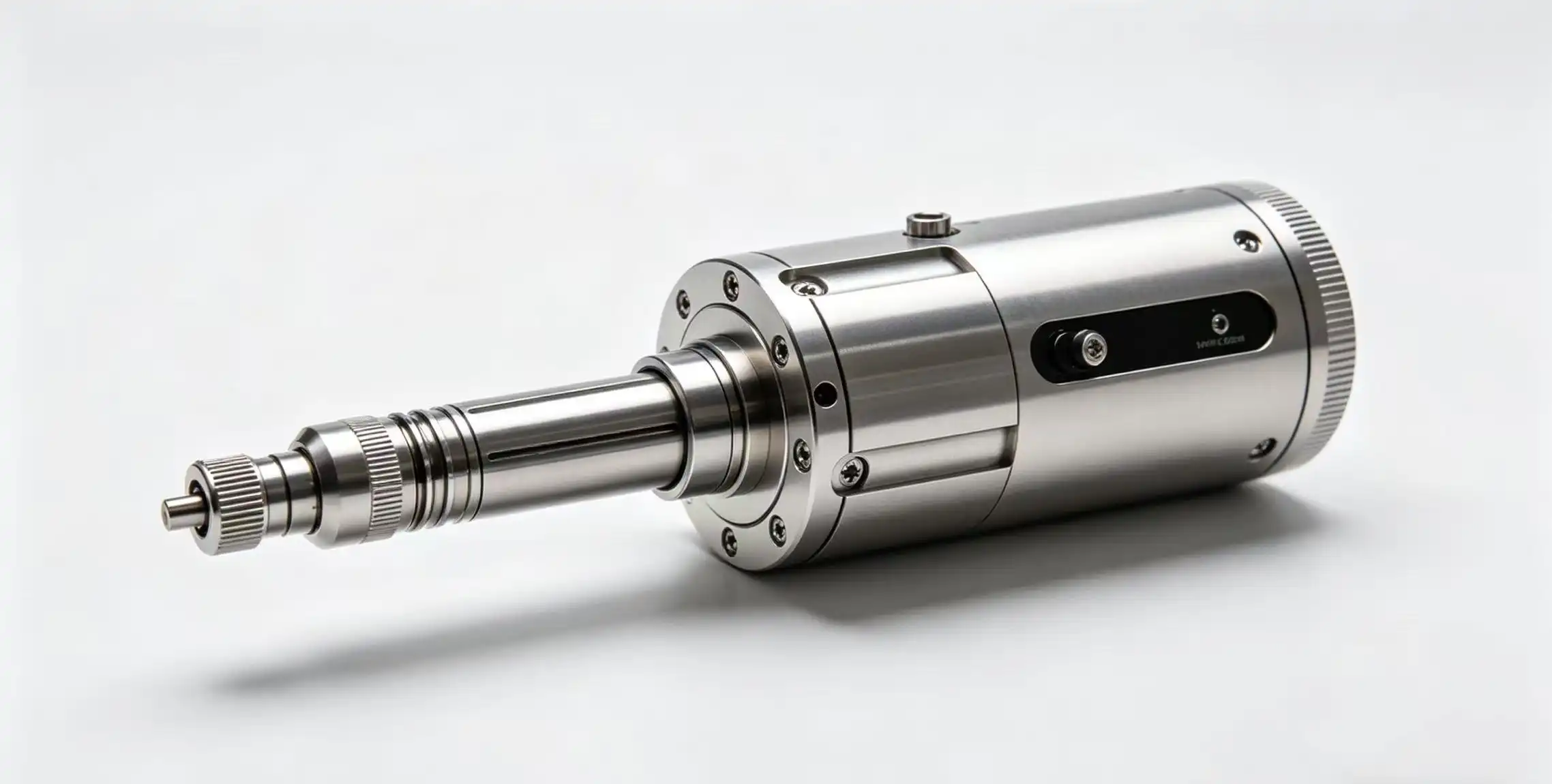
Overview of Best Manufacturing Processes for Custom Mechanical Components
Conventional methods are still the best way to make large quantities of lasting, cost-effective items and mechanical components. Lathes, mills, and drills are used in machining to take material from solid stock. This process gives you great control over the dimensions and shape of the surface. When you cast something, you pour molten metal into molds. This lets you make complicated forms with less waste, but it can be hard to get the tolerances just right. Forging is a way to shape hot metal by applying compression forces. This improves the metal's grain structure and mechanical strength, making it perfect for high-stress parts in cars and airplanes. Stamping uses dies to quickly cut and shape sheet metal, which makes it possible to make a lot of brackets, casings, and fixings. When output rates are high enough to cover the cost of tools and when the properties of the material match up with standard methods, these methods work great. But they might make a lot of waste, need longer lead times for tooling, and have trouble with very complicated or custom shapes.
Traditional Manufacturing Techniques
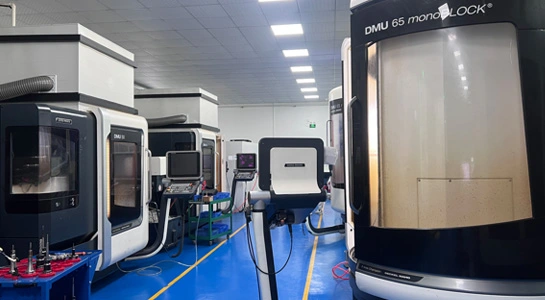
Modern technologies for making things open up new ways to customize, speed up, and be precise. CNC cutting uses computer-controlled multi-axis mills and lathes to make parts that are accurate to the nano level. It can work with a wide range of materials, from aluminum alloys to titanium alloys. This method can be used for both testing and small to medium-sized production, so there are no delays caused by making tools. Additive manufacturing, which includes SLA and SLS 3D printing, builds parts layer by layer from digital models. This lets designers use complex shapes, internal lattices, and make many changes quickly. Material extrusion, resin curing, and powder sintering make it possible for engineers to try working samples in just a few days, which speeds up the process of making new products. Powder metallurgy grinds and sinters metal powders into almost net-like forms. This cuts down on waste and makes it possible to mix materials in ways that aren't possible with traditional casting.
Advanced Manufacturing Technologies
Quality, speed, and cost are all improved by combining different technologies. Manufacturers use both additive and subtractive techniques, printing near-net forms and then CNC finishing important areas to very close tolerances. This combination approach cuts down on the time needed for machining while keeping the accuracy of the dimensions. Rapid tooling, which are 3D-printed molds for injection molding or vacuum casting, is a way for auto suppliers to make working samples out of production-grade materials without having to commit to steel tooling. Robotics companies use a combination of metal pressing and CNC post-processing to make AGV frames and actuator housings that are strong and have smooth surfaces. These methods strike a good mix between speed, customization, and scalability. They let businesses try ideas, see if they're a good fit for the market, and move smoothly into mass production.
Hybrid Manufacturing Approaches
Modern technologies for making things open up new ways to customize, speed up, and be precise. CNC cutting uses computer-controlled multi-axis mills and lathes to make parts that are accurate to the nano level. It can work with a wide range of materials, from aluminum alloys to titanium alloys. This method can be used for both testing and small to medium-sized production, so there are no delays caused by making tools. Additive manufacturing, which includes SLA and SLS 3D printing, builds parts layer by layer from digital models. This lets designers use complex shapes, internal lattices, and make many changes quickly. Material extrusion, resin curing, and powder sintering make it possible for engineers to try working samples in just a few days, which speeds up the process of making new products. Powder metallurgy grinds and sinters metal powders into almost net-like forms. This cuts down on waste and makes it possible to mix materials in ways that aren't possible with traditional casting.
How to Choose the Right Manufacturing Process for Your Custom Mechanical Components
Matching Processes to Production Volumes
Scale of production is a key factor in determining whether a method can work, especially for mechanical components. Because prototypes need to be made quickly and with a lot of design freedom, additive manufacturing and CNC cutting are the best options. These methods don't need much setup, so engineers can make changes to designs based on feedback from stakeholders and useful tests. Rapid tooling methods, such as silicone molds for vacuum casting or aluminum tooling for injection molding, can help with low-volume production (usually less than 1,000 units). These methods balance cost and quality without the need for expensive hardened steel molds. High-volume methods like die casting, forging, and injection molding are used in mass production. This is because the prices of the tools are spread out over tens of thousands of parts, which lowers the cost per unit by a large amount.
Industry-Specific Standards and Compliance
The medical, aircraft, and automotive industries have strict rules about material approvals, tolerances for size, and tracking. Auto OEMs and Tier-1 suppliers need to make sure that their providers follow IATF 16949 standards. This makes sure that the quality of engine parts, lighting housings, and internal parts stays the same. AS9100 certification and material pedigrees are needed for aerospace uses, especially for high-strength titanium structural parts and UAV systems that have to work in harsh circumstances. Medical device makers need safe materials that meet FDA and ISO 10993 standards and have full paperwork for ergonomic testing samples and pre-production parts. Choosing factory partners with the right certifications and quality management systems lowers risk, makes sure compliance, and makes it easier for regulators to give approvals.
Evaluating Cost, Lead Time, and Scalability
To find the best balance between cost, speed, and future growth, you have to weigh the upfront costs of tools against the costs and delivery times for each part. Additive manufacturing doesn't need any tools, but each part costs more, so it's only good for samples and small amounts. CNC machining has low setup costs and great scalability into middle numbers, which is great for precision parts that need to be made to very tight standards. Injection molding and die casting require big investments in tools, but they make it possible to make a lot of parts at a low cost per piece, which makes them perfect for making frames and cases for electronics. Lead time is very different. 3D printing can deliver parts in days, but tooled methods may need weeks to make a model. Suppliers with a wide range of skills allow for phased strategies: use additive methods to make a sample, CNC to test it, and then molding or casting to make it on a larger scale.
Procurement Best Practices for Custom Mechanical Components
Leveraging Digital Platforms and Supplier Networks
Digital catalogs, online quoting tools, and supplier lists are used in modern buying to make shopping easier and more open. B2B marketplaces and manufacturer websites give you fast access to information about skills, material choices, and wait times. This lets you compare quickly and make an informed decision. Engineers post CAD models to get automated quotes, check to see if the ideas are possible, and talk about prices before agreeing to orders. This digital method shortens the buying process, lowers the cost of administration, and makes it easier to find sellers of specialized mechanical components around the world. Setting up accounts with makers that offer full services, from helping with design to finishing, saves time and makes planning easier.
Building Long-Term Supplier Partnerships
When you have good ties with your suppliers, you can be sure of consistent quality, predictable wait times, and quick help after the sale. Long-term partnerships make it easier for everyone to work together to solve problems. For example, suppliers may suggest design changes, material swaps, or process tweaks that lower costs or improve performance. Preferred providers often give established clients priority when it comes to capacity. This makes sure that deliveries happen on time even when demand goes up. When looking at possible partners, you should look at their certifications (ISO 9001, AS9100, IATF 16949), production skills, knowledge of the materials, and location. European and U.S. makers offer better communication, better safety for intellectual property, and easier shipping, all while keeping high quality standards.
Ensuring Compliance and Quality Assurance
Clear requirements are the first step in quality assurance. Inspection, testing, and paperwork are the next steps. In purchase contracts, you should include acceptance criteria such as allowed limits for size and finish, material certifications, and testing procedures. Ask for first-article checks (FAI) of important parts to make sure they are conformant before production runs. Use coordinate measuring tools (CMM) and optical comparators to check the measurements and quality of the surface during the incoming inspection process. Keep track of things with batch numbers and material certifications, which is very important in controlled industries. Strong quality management systems from suppliers include inspection reports, material test certificates, and compliance paperwork. This lowers the risk of buying and helps get ready for audits.
Case Studies: Successful Applications of Manufacturing Processes in Custom Mechanical Components
Automotive Precision Machining for Powertrain Components
An electric vehicle (EV) company working on a new engine needed handmade metal housings with very tight tolerances and great thermal management. Forging was too expensive for small quantities at first, and traditional casting wasn't accurate enough for important connecting areas. The technical team worked with an expert in CNC machining to make working samples out of billet metal in just two weeks. With multi-axis machining, bearing seats and mounting surfaces were made with micron-level accuracy, ensuring a good fit and little friction. Anodizing processes made the surface harder and more resistant to rust. The maker switched to aluminum die casting for mass production after validation testing proved performance goals. CNC was used as a bridge technology to speed up development and lower the risk of entering the market.
Medical Device Prototyping with Additive and Traditional Methods
A company that makes medical devices was working on ergonomic surgery tools and other mechanical components and needed biocompatible samples to try in people. The first designs had complicated ergonomic shapes and tubes inside for watering. Rapid iteration of form factors was possible with SLA 3D printing, which let doctors get physical feedback on grip shape and balance. The team used CNC machining to make samples out of medical-grade stainless steel and PEEK polymer, which can be sterilized and come into touch with patients. When precision machining is used for functional prototypes and additive methods are used for design validation, development processes are cut from months to weeks. This speeds up regulatory applications and clinical trials.
Robotics Structural Parts with Hybrid Manufacturing
An AGV maker needed chassis parts that were both light and strong for mobile robots that would work on their own in stores. Structural sections were made from aluminum extrusions, but special joints and brackets needed to be made with great accuracy and quickly. The maker used SLS 3D printing to make the first plans for the brackets, making sure that the load distribution and mounting connections worked as planned. Moving from metal plates to CNC machines gave the power and finish needed for production. Covers made of sheet metal were pressed, and guards and protected housings made of polyurethane were cast in a vacuum. This mixed strategy found a good balance between speed, strength, and cost. It helped the company get products to market quickly while keeping quality high and making the strategy flexible for future production growth.
Future Trends in Manufacturing for Custom Components
Automation, smart manufacturing, and environmental concerns are changing the way things are made. Collaborative machines and automatic material handling cut down on the cost of labor and make things more consistent. IoT-enabled machines allow for tracking in real time, planned repair, and process optimization based on data. New materials like carbon fiber composites, metal alloys, and elastomers are making additive manufacturing more useful in more ways. Sustainability programs encourage the use of recycled materials, methods that use less energy, and the ideas of the circle economy. This lowers the damage to the environment while keeping performance standards high. These trends give buying teams a chance to work with forward-thinking providers who invest in technology to stay ahead of the competition and offer new solutions that meet the changing needs of the market.
Conclusion
Understanding material properties, design complexity, output quantities, and industry standards is necessary for choosing the best manufacturing process for unique mechanical components. Traditional techniques like cutting, casting, and forging have been shown to be reliable and cost-effective on a large scale. New technologies like CNC machining, additive manufacturing, and mixed approaches allow for greater flexibility, accuracy, and speed. To make sure compliance and performance, good procurement uses digital tools and long-term relationships with suppliers to keep costs, quality, and lead time in check. Case studies from real life show how choosing the right strategic process speeds up development, lowers risk, and helps companies in the automobile, medical, and robotics sectors launch great products.
FAQ
What factors determine the best manufacturing process for custom mechanical components?
For special mechanical components, what factors define the best manufacturing method? Production output, material needs, limits for dimensions, geometric complexity, and industry-specific standards are some of the most important factors. CNC cutting or additive manufacturing are good for prototyping and small runs because they have low setup costs and quick turn-around times. When making a lot of things, methods like injection molding or die casting work best because the costs of the tools are spread out over a lot of pieces. Material qualities, such as strength, resistance to high temperatures, and biocompatibility, help choose the right process to make sure that the materials work well together. Precision machining is needed for tight standards, while 3D printing or a mix of the two may be needed for complex shapes.
How do CNC machining and additive manufacturing compare for producing custom parts?
CNC cutting takes away material from solid stock, which gives you very accurate measurements, a smooth surface, and a wide range of materials to choose from. It works for trials to medium-sized production runs without having to wait for tooling delays. Layer-by-layer building is possible with additive manufacturing, which allows for complicated shapes, quick design changes, and little waste. It's great for making prototypes and unique parts, but the cost per part is usually higher. When you print near-net forms and then use CNC to finish critical areas, you get the best speed, accuracy, and cost for tough jobs.
What certifications should I look for when sourcing custom mechanical components?
Certifications depend on the business. ISO 9001 shows the basics of quality control in all fields. Automotive suppliers need to make sure that their processes are uniform and can be tracked back to IATF 16949. Aerospace companies need to be certified to AS9100, which has strict guidelines for quality and paperwork. Manufacturers of medical devices look for ISO 13485 and material certifications that meet the biocompatibility standards of ISO 10993. Check that your suppliers keep the right certifications, do frequent audits, and give you material test certificates and inspection records to help with compliance and tracking all the way through your supply chain.
Partner with BOEN Prototype for Superior Custom Mechanical Components
Precision-engineered mechanical components made of plastic and metal are the specialty of BOEN Prototype, which also offers low-volume production. Our wide range of services, such as CNC machining, rapid injection molding, compression molding, metal pressing, die casting, vacuum casting, SLA, and SLS 3D printing, help automakers, medical device makers, robotics developers, and aerospace engineers quickly bring new products to market. We promise quick response times and high quality, whether you need working prototypes, biocompatible testing samples, or high-strength structural parts. Get in touch with a seasoned maker of mechanical components who knows the specific needs of your sector. Get in touch with us right away at contact@boenrapid.com to talk about your project needs and find out how our combined production processes can help you with your toughest technical problems.
References
Smith, J. R., & Anderson, L. M. (2022). Advanced Manufacturing Processes for Precision Mechanical Components. Industrial Press.
Chen, W., & Rodriguez, P. (2021). Material Selection and Process Optimization in Custom Component Manufacturing. Journal of Manufacturing Science and Engineering, 143(8), 081-095.
Thompson, K. A. (2023). CNC Machining and Additive Manufacturing: A Comparative Guide. Society of Manufacturing Engineers.
Patel, R., & Nguyen, T. (2022). Quality Assurance Standards in Automotive and Aerospace Component Procurement. International Journal of Production Research, 60(12), 3847-3862.
Martinez, S. D. (2021). Hybrid Manufacturing Technologies: Integrating Traditional and Advanced Processes. Springer.
Williams, B. E., & Cooper, H. J. (2023). Sustainability and Innovation Trends in Mechanical Component Manufacturing. Manufacturing Technology Today, 18(3), 22-35.

How Can We Help?

Your Trusted Partner in Rapid Manufacturing.