CNC Machining vs 3D Printing: Which Is Better for Your Project
Which one you choose between CNC machining services and additive manufacturing relies on the needs of your project. CNC machining works best when exact specs, material strength, and surface finish are required. This makes it perfect for making useful metal parts for cars and airplanes. On the other hand, 3D printing gives you more design freedom and faster development, especially for shapes that aren't simple. At BOEN Prototype, we've helped a huge number of OEMs, EV startups, and medical device makers make this choice by looking at six main factors: the level of accuracy needed, the amount of parts that need to be made, the specs of the materials used, the budget, the expected lead time, and the needs for post-processing.
Understanding CNC Machining and 3D Printing Technologies
What Is CNC Machining and How Does It Work?
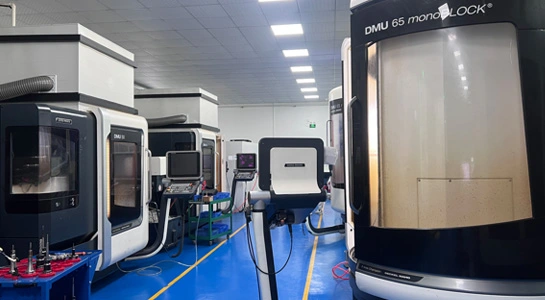
CNC cutting uses automated subtractive processes that are handled by G-code software to turn solid blocks of material into finished parts. A 3D CAD model is used to start the process. End mills are then used to remove material until the desired shape is achieved. This way of making things uses different kinds of machines, like wire EDM systems, vertical and horizontal milling centers, and multi-axis turning tools. Each type of machine is best for making different kinds of complicated parts.
We've seen that buying teams don't realize how flexible modern machining tools are. Five-axis CNC machines can make complex shapes in a single setup, which cuts down on handling mistakes and improves the accuracy of measurements. You can choose from aluminum alloys, different types of stainless steel, titanium, brass, engineering plastics like PEEK and Delrin, and even rare metals that are needed in flight uses.
Fundamentals of Additive Manufacturing Technologies
Additive manufacturing uses digital files to build parts layer by layer, making it possible to make shapes that couldn't be made any other way. In industry, three main technologies are used: Fused Deposition Modeling (FDM) melts thermoplastic filaments, Stereolithography (SLA) uses UV lasers to harden liquid resin, and Selective Laser Sintering (SLS) joins nylon or polyamide powder particles together.
The features of the materials are very different between these methods. Smooth surfaces can be made with SLA materials, which are good for making samples that look good and housings for consumer electronics. For checking samples in robots and automation projects, SLS nylon is strong enough to do the job. However, their mechanical qualities are still not as good as those of machined metal parts, which limits their use in situations where stress-stressed structure stability is important.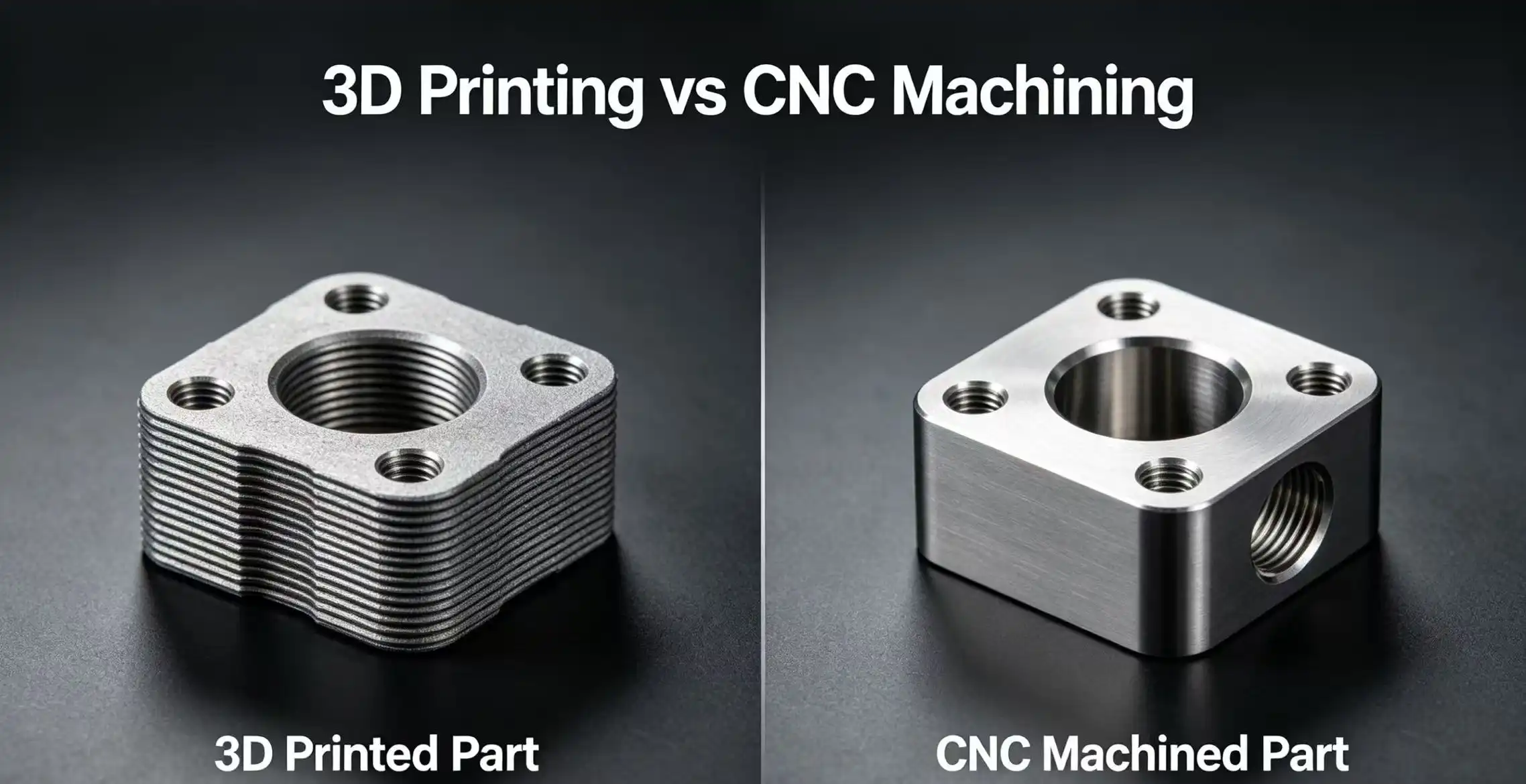
CNC Machining vs 3D Printing – Core Differences and Advantages
Precision, Tolerances, and Surface Quality
Tolerances are always kept within ±0.005 inches with CNC cutting, which meets the strict standards needed for parts of cars and medical devices. Surface roughness values can be Ra 0.8 microns or lower if the right tools are used and the cutting settings are set correctly. We've made tens of thousands of functional validation parts for Tier-1 car makers that had to meet these requirements.
Tolerances for additive methods are usually around ±0.010 inches, which is fine for checking the design but usually needs CNC machining services afterward to get the final measurements. Layer lines that come with 3D printing make surface textures that need extra finishing, like sanding, vapor smoothing, or painting, especially for lighting housings and prototypes for market goods that are meant to look good.
Production Speed and Scalability Considerations
When design changes need to be made quickly, 3D printing works great for rapid testing. Overnight builds let EV companies improve the shapes of battery enclosures and smart-home developers check that physical factors are correct the next day. Since no fixtures or tools are needed, setup time is kept to a minimum.
Scalability benefits of CNC machining go beyond sample sizes. After setting up the code and fixtures, it is possible to make mid-volume production runs. We've helped medical device companies go from testing 50 units at a time to pre-production runs of 500 units without having to retool, and the quality stayed the same the whole time.
Material and Mechanical Property Spectrum
The wide range of materials that can be machined meets the needs of many different industries. Aluminum 7075-T6 is what aerospace customers ask for when they need high strength-to-weight ratios for UAV structure parts. Companies that work with biotechnology need surgical tool samples made of biocompatible titanium Grade 5. Hardened tool steels are used by companies that make industrial equipment to make parts that don't break down easily.
Additive materials keep getting better, but they have limits. Metal 3D printing technologies do exist, but most prototyping funds can't cover the cost of the tools and the difficulty of handling powdered metal. Machined industrial plastics are better at withstanding high temperatures, working with chemicals, and lasting longer than regular polymer printing materials.
Cost Structure Analysis Across Project Lifecycles
Understanding what causes costs helps buying teams make the best use of their funds. With 3D printing, you don't have to pay for tools, so making a single sample is cheap. However, the price per part stays pretty much the same no matter how many are bought because each one needs its own full build time.
CNC machining requires inputs in code and fixtures up front, but as the number of parts made goes up, the cost per part goes down a lot. When there are more than 25 to 30 similar parts, machining is often cheaper than printing, especially when better material qualities and accuracy in measurements are taken into account.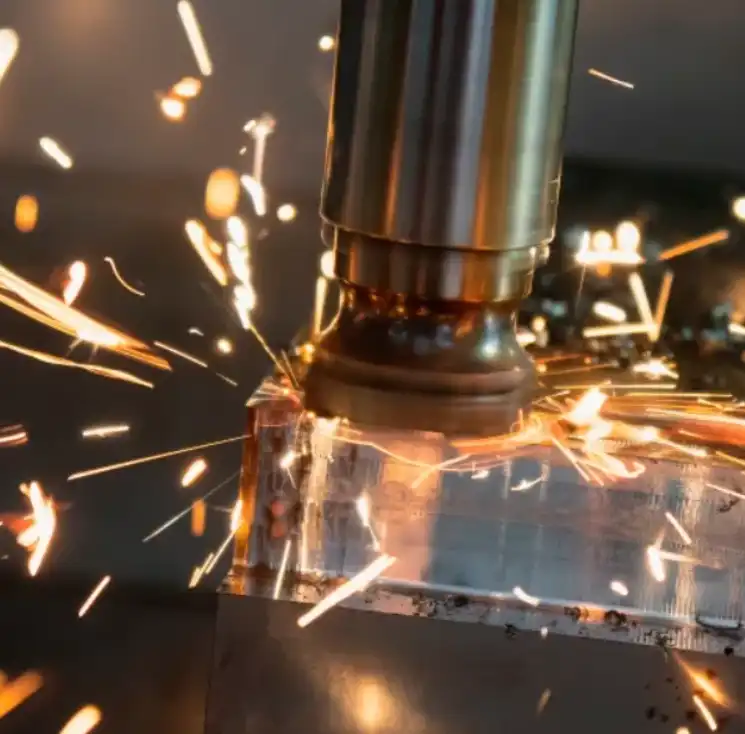
How to Decide Which Manufacturing Method Fits Your B2B Project Needs
Defining Project-Specific Requirements First
Clarity is the first step to a successful production relationship. Before asking for quotes, engineering teams should write down six important details: the required tolerances for dimensions, the expected production amounts, the material specifications with performance requirements, the budget, the project timeline goals, and any industry certifications that are needed.
When testing labs certify interior parts for cars, they need to think about different things than when military teams approve flight-critical parts. We suggest making a needs grid that shows how important each factor is for your application.
Evaluating Lead Time and Cost Efficiency Metrics
Expected lead times are very different for each technology. For simple shapes, SLA printing can deliver prototypes in three to five work days. CNC-machined metal parts usually take 10 to 15 work days, which includes getting the materials, setting up the machines, and following the rules for quality control.
Cost effectiveness is more than just the price at the beginning. Parts that have been machined usually don't need any extra finishing. They come ready to be put together and tested, and their mechanical qualities are right for their final use. Before they can be put into production, printed samples might need to have their surfaces treated, made stronger, or even replaced with machined versions.
Supplier Capabilities and Certification Requirements
People who work in procurement should make sure that their business partners have the right quality standards. Prototypes of medical devices usually need to be compliant with ISO 13485, aircraft parts might need to be certified to AS9100, and suppliers to the car industry usually expect IATF 16949 registration.
Evaluating technical skills is also very important. Can the provider handle both technologies and allow hybrid methods with CNC machining services when they make sense? Do they give design for manufacturability (DFM) reviews that make sure the shape of a part is perfect before it is made? These things set true production partners apart from transactional providers.
When Hybrid Manufacturing Approaches Optimize Outcomes
Smartly mixing both tools is good for strategic projects. We've helped drone makers 3D print aerodynamic fairings with organic shapes and CNC machine metal motor mounts that need to fit perfectly around bearings. This method uses the best parts of each approach instead of pushing people to settle.
Robot makers often print complicated sensor housings to make sure they fit and look right. They then machine the final production versions out of engineering-grade ABS to make them more resistant to impact. This step-by-step method strikes a balance between the speed of growth and the needs for useful performance.
Real-World Case Studies & Testimonials
CNC Machining Delivering Precision and Cost-Effectiveness
A Tier-1 car supplier came to us and asked for 200 aluminum gearbox housings to be tested to make sure they were correct. The first prices for 3D printing on metal were much higher than what was possible within budget. We suggested CNC cutting from 6061-T6 aluminum, which would allow important mounting areas to have ±0.003-inch tolerances. The project was finished on time and on budget, and the machined samples had mechanical qualities that were the same as the production parts. This meant that they could be used for validation without having to be made again.
A group of flight engineers needed titanium Grade 5 brackets to place payloads on UAVs. The design had spaces that kept the structure strong under 8G acceleration loads while cutting weight. The parts made by CNC machining met AMS standards and had material certificates that could be shown. This was something that additive methods couldn't promise on time.
3D Printing Enabling Rapid Prototyping and Complex Geometries
A client in consumer goods who was making a smart speaker needed 15 design changes to get the best sound quality and look. Using SLA printing and CNC machining services, we made several sample enclosures in just a few days, which allowed for quick testing runs. Because it was so hard to set up, the complicated internal rib structure that held the speaker parts in place would have been too expensive to make.
A medical device company that was making an ergonomic handle for a surgery tool had to test it on people with different-sized hands. Within a week, SLS nylon printing made working prototypes that let doctors give comments during development. Compared to standard methods of cutting, this quick cycle of iterations cut their time-to-market by several months.
Practical Tips for Working with CNC Machining Service Providers
Requesting Accurate Quotes and Avoiding Common Pitfalls
Detailed specs lead to accurate prices and keep delays from happening. Include 3D CAD files in either native or STEP format, 2D drawings with GD&T callouts for important features, material specs such as grade and temper, number needs with possible future volumes, lead time needed, and any certifications that are needed.
Some common mistakes are not giving enough information about tolerances, leaving out standards for surface finish, and not separating useful surfaces from aesthetic surfaces. There have been times when projects were held up for weeks because the buying team thought that standard limits applied when they actually did not.
Design Optimization for Manufacturability and Cost Savings
Costs go down a lot when you use design for manufacturability concepts. Custom tooling costs are eliminated by standard end mill shapes. Corner curves that are just right keep tools from breaking and make the surface finish better. By making features easy to reach, setups can be kept to a minimum. This cuts down on writing and handling time.
We offer free DFM reviews that find chances before work starts. Simple changes, like changing pocket corners to fit available tool radii or hole sizes to standard drill lengths, can often lower costs without affecting usefulness.
Expectations from Full Turnkey CNC Machining Services
Professional makers offer a wide range of services, not just cutting metal. You can expect to get materials with approved mill test reports, have strict quality checks using precise measuring tools, get detailed first article inspection reports that show compliance with dimensions, and get parts carefully packaged to protect them during shipping.
BOEN Prototype is certified with ISO 9001 and all of its projects meet quality standards for aircraft. When asked, our inspection records include measurements for important features, material certifications that go back to the original mill heats, and measures of the surface finish. This paperwork gives buying teams the proof they need for their own validation processes.
Conclusion
Choosing between CNC machining and additive manufacturing depends on how well the needs for precision, material performance, output numbers, and project timelines can be balanced. CNC machining services offer the highest level of precision, versatility in materials, and mechanical qualities that are necessary for practical testing and small-scale output. 3D printing works best early in the design process, when speed of iteration and complexity of the shapes are most important. Strategic makers know that these two technologies work together, not against each other, and use each one where it can best help the project reach its goals. When buying teams know these differences, they can make choices that improve quality, timeliness, and budget all at the same time.
FAQ
Can CNC machining and 3D printing be combined in a single project?
Of course. Hybrid methods use the best features of both technologies in a smart way. When we machine base plates and structural parts that need to be very accurate and strong, we often use 3D printing for things like complex covers or decorative parts where design freedom is more important than material qualities. This mix gets the best cost-to-performance ratio across all parts.
What are typical lead times for CNC machining versus 3D printing?
Depending on the difficulty of the geometry and the print technology chosen, 3D printed prototypes usually ship within 3 to 7 working days. CNC-machined parts usually take 10 to 15 working days, which includes getting the materials, setting up the machines, and checking the quality. When a job needs to be done quickly because of its importance, rush services can shorten these timelines.
How do I ensure quality when sourcing parts internationally?
Make sure that providers have at least ISO 9001 certification, as well as industry-specific certificates that meet the needs of your application. Before full production, you should ask for inspection records of the first item that show that the dimensions are met. Set clear rules for communication and quality acceptance right away, and if needed, think about using third-party inspection services for important parts.
Get Started with Your Next Project at BOEN Prototype
Choosing the right CNC machining services provider can make or break a project, and delays can cost a lot of money. BOEN Prototype supports your entire product development journey by combining powerful multi-axis machining with a wide range of additive manufacturing technologies. Our engineering team helps with DFM, choosing materials, and making sure that quality control methods meet the highest standards in the business. We have the skills and dependability that your projects need, whether they need fast development to make sure the design works or precise manufacturing for functional testing. Get in touch with our team at contact@boenrapid.com to talk about your unique needs and get a full quote.
References
Kalpakjian, S., & Schmid, S. R. (2020). Manufacturing Engineering and Technology (8th ed.). Pearson Education Limited.
Gibson, I., Rosen, D., & Stucker, B. (2021). Additive Manufacturing Technologies: 3D Printing, Rapid Prototyping, and Direct Digital Manufacturing (3rd ed.). Springer.
Groover, M. P. (2019). Fundamentals of Modern Manufacturing: Materials, Processes, and Systems (7th ed.). John Wiley & Sons.
American Society of Mechanical Engineers. (2018). ASME Y14.5-2018: Dimensioning and Tolerancing. ASME International.
Deutsches Institut für Normung. (2019). DIN 4760: Geometrical Product Specifications—Surface Texture. Beuth Verlag GmbH.
SAE International. (2021). AMS 4911: Titanium Alloy, Sheet, Strip, and Plate 6Al-4V Annealed. SAE Standards Publications.

How Can We Help?

Your Trusted Partner in Rapid Manufacturing.