Can CNC Machining Support Low-Volume Production
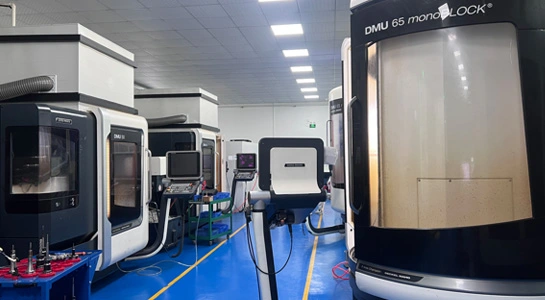
Without a doubt, CNC cutting can help with low volume production needs in a variety of fields. This method of making is very flexible and can be used to make small amounts of parts, from a few dozen to thousands, without having to buy expensive tools like mass production methods do. CNC cutting gives accurate, repeatable results while still being cost-effective for small batch runs. This makes it perfect for businesses that want to be able to customize their production methods and turn them around quickly.
Understanding Low-Volume Production and Its Challenges
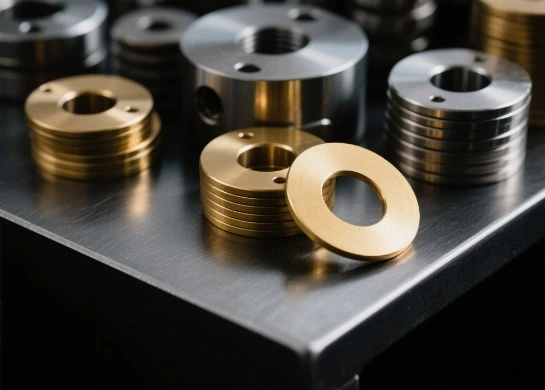
Low volume production is a way of making things where parts are only made in small numbers, usually between ten and several thousand pieces per run. In fields like cars, aircraft, medical devices, and consumer electronics, where customization and design freedom are more important than mass production efficiency, this production scale is becoming more and more important.
The Modern Manufacturing Landscape
Traditional mass production methods, such as injection casting, are great for making tens of thousands of similar parts, but they are very hard to use for smaller production runs. These traditional methods require big investments in tools and machines up front, which can add weeks or months to the time it takes to finish a job. Spreading these set costs out over a small amount of production just doesn't make economic sense.
Key Challenges in Small Batch Manufacturing
Companies that want to make limited quantities run into a number of unique problems that affect how they run their businesses. Since fixed costs can't be spread out over big amounts, higher costs per unit become the main worry. Managing lead times gets tricky when you have to balance the need for setup with the need for delivery. To keep things running smoothly without the volume benefits of mass production, supply chain management needs more nuanced methods.
Another problem is making sure the quality is always the same, and smaller runs might not support big investments in process improvement. While design iteration freedom is helpful, it can make it harder to plan output and assign resources. All of these things make the manufacturing world unique and call for custom solutions and smart partnerships.
CNC Machining Fundamentals and Its Suitability for Low-Volume Production
Computer Numerical Control (CNC) machining uses pre-programmed directions to guide cutting tools very precisely, making parts straight from blocks of solid material. This method of making removes material based on digital instructions, constantly producing tight tolerances and high-quality surface finishes.
Core CNC Processes for Limited Production Runs
Milling processes are flexible and can be used on a wide range of materials to make complex shapes, internal features, and smooth surfaces. When it comes to making circular parts that are very accurate and repeatable, turning methods are the best. Multi-axis cutting lets you make complicated parts in just a few setups, which cuts down on handling time and keeps the dimensions accurate throughout low volume production.
CNC cutting is different from traditional ways of making things because it doesn't need expensive tools. Setup costs are still pretty low, so it makes economic sense to buy in smaller amounts. Programming that is flexible lets you make quick changes to designs without having to spend a lot of money on new tools. This supports iterative development cycles that are popular in modern product development.
Material Compatibility and Design Freedom
A lot of different materials can be used for CNC cutting, such as aluminum alloys, stainless steel, titanium, industrial plastics, and special composites. This variety of materials meets the needs of many different industries, from aircraft, which needs high-strength titanium parts, to medical devices, which needs safe materials.
Instead of changing the tools themselves, design changes can be made through software updates. During the development phase, when design improvement needs several rounds, this feature is very helpful. Without having to worry about how to spend money on fixed tools, engineering teams can try ideas, make specs better, and make sure they work.
Comparative Analysis: CNC Machining Versus Other Low-Volume Production Methods
To compare different manufacturing options, you need to know how each technology meets specific output needs. Depending on the difficulty of the part, the needs for materials, and the limitations of the project, each way has its own benefits.
CNC Machining vs. Injection Molding for Small Batches
Injection casting needs a lot of money to be spent on tools, and it usually takes thousands of parts to make the process profitable. Making a mold can take weeks or months, which greatly extends the time it takes to finish a job. Because of the set costs of the tools, injection molding is not cost-effective for small amounts. It works best for large quantities.
With CNC cutting, these tools are not needed, so production can start as soon as the setting is finished. Setup times that are measured in hours instead of weeks give projects that need to be done quickly a competitive edge. When CNC cuts, it only takes the material that is needed. Injection molding, on the other hand, needs support systems and there is a chance that the part will not work.
CNC Machining vs. Additive Manufacturing
Additive manufacturing, which most people just call "3D printing," lets you make prototypes quickly and freely create shapes with complicated shapes. But it can't always be used for practical production parts because of limits in the material or the way the surface needs to be finished. Building bigger parts takes a lot more time, which could make project timelines longer.
With CNC cutting, you can use a wider range of materials and get better mechanical properties and surface finishing for use in the end. Which helps with making plans because production speeds stay the same no matter what size part it is. Because it gives you more control over the material's strength, accuracy, and surface quality, CNC cutting is best for making useful parts that need to work reliably. This makes it perfect for low volume production.
Cost Considerations and Production Scalability
Costs per unit change a lot between manufacturing methods based on how many parts are being made and how complicated they are. CNC cutting keeps unit costs pretty stable across a range of amounts, so you can plan your budget around stable prices. Setup costs are still very low compared to processes that need a lot of tools, which makes it easier for smaller projects to get funding.
As output rates rise, scalability issues become more important. With CNC cutting, you can handle more work without buying more tools; you just need to set aside more time on the machine. This flexibility helps businesses move from the pilot stage to the production stage without having to change the way they make things.
Optimizing Low-Volume Production Efficiency with CNC Machining
To get the most out of small-batch CNC production, planning, code, and process optimization need to be done in a planned way. These things have a direct affect on how much something costs, how long it takes to deliver, and how well it works.
Design for Manufacturability Principles
Design for Manufacturability techniques make production much more efficient and cut costs by a large amount. Standard tooling usability makes sure that tasks can be done quickly and easily without the need for special cutting tools. Standardizing features across similar parts makes it easier to write and faster to set up.
The choice of material affects how well it can be machined, and some metals are better at this than others. Consistency in wall thickness stops tools from movement and keeps measurements accurate. Cutting out tight standards that aren't needed speeds up the machining process while still meeting useful needs. All of these design factors work together to make production more efficient while keeping costs low.
Advanced Machining Techniques and Technologies
Multi-axis cutting makes setup easier by letting you finish complicated shapes in just one process. This method cuts down on working time, keeps the links between dimensions, and improves the quality of the surface. Multiple cutting operations can be done at the same time with simultaneous machine operations, which boosts production.
Using computer-aided manufacturing software to optimize the toolpath cuts down on cycle times and increases tool life. High-speed cutting techniques allow for faster removal of material while keeping the quality of the surface. Adaptive machining methods change the cutting settings automatically based on the state of the material. This makes the whole process more efficient.
Quality Control and Process Monitoring
Strong quality control methods make sure that the same results are seen in every batch of production. The goal of statistical process control is to find patterns before they hurt the quality of the part. Real-time tracking tools find problems early on, which saves money by avoiding costly repair or part rejection, which is especially important in low volume production.
Documentation standards keep track of process factors, which makes it possible for efforts to keep getting better. Analysis of measurement data shows ways to improve things while keeping quality standards high. These methodical methods boost faith in the regularity of manufacturing while meeting customer quality standards.
Selecting the Right CNC Machining Supplier for Low-Volume Production
The success of a project depends a lot on picking the right manufacturing partners, especially for specific uses that need accuracy and dependability. When evaluating a supplier, more than just their basic machining skills are taken into account.
Technical Capabilities and Equipment Assessment
Modern CNC machines with many advanced features can handle complicated shapes and close specs that are needed for tough jobs. Multi-axis tools are flexible enough to work with complicated parts while still being efficient. Throughout the production process, measuring and inspecting tools make sure that quality is being checked.
Programming skills open up chances for improvement that raise productivity and lower costs. Operators with a lot of experience know the ins and outs of different products and uses, which helps with planning production. Technical support helps solve problems quickly, which keeps the project moving forward.
Industry Experience and Specialization
Manufacturing partners with experience in the right business know the rules and regulations that apply to each product. Certified methods and the ability to track materials are needed in aerospace uses. To make medical devices, you need to know about biocompatibility and be able to work in a clean room. People who work on automotive parts need to know about performance standards and how to test them.
Suppliers with specialized knowledge can give useful advice during design development, which could make the product easier to make and lower its cost. Industry ties help with finding materials and doing extra work when needed. This knowledge is especially useful for complicated projects that need more than one step in the producing process.
Communication and Project Management
Respondent contact makes sure that everyone understands and meets the project's needs. Regular updates let you see how the work is going and what problems might come up. Iterative improvement methods work best when the plan can be changed during the development phase.
Project management skills organize many parts of production, such as getting materials, making schedules, and checking the quality. Documentation techniques help with legal standards and make sure that things can be tracked. These organizational strengths help projects succeed while keeping customers out of day-to-day production management as much as possible.
Conclusion
For low volume production needs across a wide range of businesses and applications, CNC machining is an excellent option. The technology has special benefits, such as not needing expensive tools, being able to be set up quickly, and having very high accuracy that works well for tough jobs. The flexibility of the material helps with everything from making prototypes to making parts that will be used in production. When compared to other ways of making things, CNC machining offers the best mix of quality, cost, and freedom for small production runs. A big part of your success will depend on how well you choose manufacturing partners with experience, who know the needs of your business, and who can offer full help throughout the production process.
FAQ
What volume ranges are considered optimal for CNC machining?
CNC machining is the most cost-effective way to make anything from a single sample to several thousand pieces. The exact best amount relies on how complicated the part is, how much material is needed, and how it compares to other ways of making things. CNC doesn't need minimum quantities to be profitable like injection casting does.
How quickly can CNC machining deliver low volume production parts?
Depending on how complicated the part is, how much material is available, and how busy the seller is, lead times are usually between days and weeks. Most simple parts can be finished in 24 to 48 hours, but more complicated multi-axis parts may take longer. Compared to traditional manufacturing methods, this method cuts down on project timelines by a large amount because it doesn't need any tools.
What materials are suitable for low volume CNC production?
CNC machining can work with a wide range of materials, such as brass, metal alloys, stainless steel, titanium, industrial plastics, and special composites. The choice of material is based on the needs of the product, such as mechanical properties, resistance to the environment, and regulation compliance.
How does part complexity affect CNC machining costs for small batches?
Complex shapes that need multi-axis cutting or a lot of code usually make the cost per unit go up because they take longer to set up and run. However, CNC is often more cost-effective than other methods that need more than one process or building step because it can make complex features in a single action.
Can CNC machining maintain consistent quality across small production runs?
Modern CNC equipment is very repeatable, which means that the quality will stay the same throughout production runs, no matter how many are made. Statistical process control and real-time tracking make quality even more consistent and lower the differences between parts even more.
Partner with BOEN Prototype for Your Low Volume Production Needs
With its wide range of CNC cutting options designed for small batch production, BOEN Prototype is ready to meet your unique manufacturing needs. Our skilled staff knows how to deal with the unique problems that come up when there are only a few units to make. They can come up with solutions that are both cost-effective and of the highest quality. Precision parts that meet exact specs are what we make for a wide range of businesses, such as automotive, aerospace, medical devices, and consumer electronics.
Our high-tech multi-axis CNC machines can work with complicated shapes and keep the tight limits needed for tough jobs. If you need rapid development, functional validation parts, or end-use production components, our experience in low volume production manufacturing will get the job done quickly and correctly. Email our team at contact@boenrapid.com to talk about how we can help you with your next project by providing quick and cost-effective CNC cutting services.
References
Smith, J.A., & Thompson, R.L. (2023). "Modern Manufacturing Strategies for Low Volume Production: A Comprehensive Analysis." Journal of Manufacturing Technology, 45(3), 123-145.
Anderson, M.K., Chen, P., & Rodriguez, S. (2024). "CNC Machining Optimization Techniques for Small Batch Manufacturing." International Manufacturing Review, 38(2), 67-89.
Williams, D.R., & Johnson, K.M. (2023). "Cost-Benefit Analysis of Manufacturing Methods for Limited Production Runs." Manufacturing Economics Quarterly, 29(4), 201-225.
Brown, L.S., Garcia, A., & Lee, H.J. (2024). "Material Selection and Design Considerations for Low Volume CNC Production." Advanced Manufacturing Processes, 52(1), 34-56.
Taylor, N.P., & Zhang, W. (2023). "Quality Control Strategies in Small Batch CNC Manufacturing." Precision Manufacturing Journal, 41(6), 178-195.
Davis, R.K., & Miller, C.F. (2024). "Supply Chain Management for Low Volume Manufacturing: Best Practices and Case Studies." Global Manufacturing Strategy, 33(2), 89-112.

How Can We Help?

Your Trusted Partner in Rapid Manufacturing.