How to Evaluate a Contract Manufacturing Partner?
Choosing the right contract manufacturing partner requires a systematic evaluation process that balances cost, quality, capability, and strategic alignment. Contract manufacturing involves outsourcing production to specialized third-party providers who handle everything from component fabrication to complete product assembly. This strategic approach allows companies to focus on their core competencies like research, development, and marketing while leveraging external expertise for manufacturing needs. The evaluation process encompasses technical capabilities, quality systems, financial stability, communication protocols, and long-term partnership potential to ensure optimal outcomes for your business objectives.
Understanding the Role of Contract Manufacturing in Modern Procurement
Contract production is now a big part of how people buy things these days. In a lot of different areas, it helps businesses run more smoothly while staying ahead of the competition. Businesses can use this business plan to hire expert makers to handle their production needs. These companies know what they're doing, have the right tools, and can make high-quality things quickly.
The fundamental idea behind contract manufacturing is strategic resource sharing. Companies can put their internal resources to work on important jobs like research and development, building brands, and growing their markets. Partners who are great at making things can then take over production. In industries like cars, planes, medical devices, and consumer goods that need to spend a lot of money on specialized manufacturing skills and following government rules, this method works really well.
Comparing Manufacturing Models and Market Trends
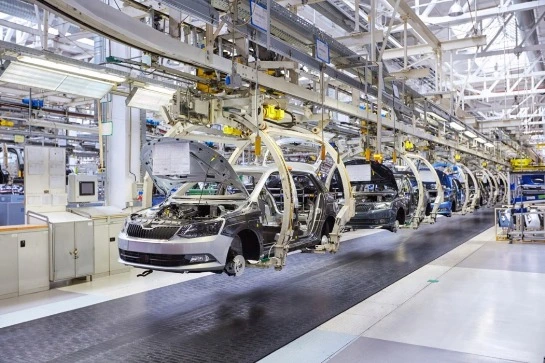
If you know about the different ways things are made, you can decide when contract manufacturing is the best choice. It costs a lot to buy the right tools, build the right buildings, and hire the right people when you make things in-house. First Equipment Manufacturing, or OEM, is the process of making things that are sold under someone else's brand name. On the other hand, private label manufacturing makes things that shops will sell under their own names. Goods made by white label production can be sold by more than one business under a different name.
In business, automation technologies, better quality control systems, and ways to make things that are better for the environment are all becoming more common. Technologies from Industry 4.0, like IoT devices, predictive maintenance, and real-time tracking systems, have changed how things are made and how quality is checked. Companies want to work with partners that care about the environment and treat their workers properly. Being environmentally friendly in the supply chain is becoming more and more important.
Strategic Benefits in Diverse Industries
Outsourcing production can be good for a lot of different types of businesses. Automakers get help from contract workers with making unique parts, making fast prototypes, and making sure that parts work. Companies that make medical equipment can benefit from knowing about regulations, biocompatible materials, and sterile buildings. People who make consumer goods use contract manufacturing to quickly change plans, make samples that look good, and make more of their products without spending a lot of money.
In the robots and automation industries, contract makers who can make exact parts out of light materials and tight standards are very valuable. For aircraft uses, specialized makers can provide high-strength materials and strict quality standards for less money than aerospace companies that make things themselves.
Core Criteria for Evaluating a Contract Manufacturing Partner
To find the best manufacturing partner, you need to think about a lot of things that will directly affect how well the project goes. Making a list of what you need, how much you want, quality standards, and time limits is the first step in the review process. This base gives you a useful way to compare possible business partners and makes sure they are in line with your business goals.
Technical Capabilities and Manufacturing Processes
The ability to make is the most basic way to judge someone. Your partners need to show that they know how to do the things that your products need, like CNC cutting, injection casting, 3D printing, or special ways to put things together. These days, additive manufacturing techniques like Stereolithography (SLA), Selective Laser Sintering (SLS), and Fused Deposition Modeling (FDM) make it easy to quickly make samples and forms that are hard to describe.
Cutting metal with subtractive methods like CNC milling, turning, and EDM cutting makes the pieces very exact and gives them great surface finishes. The tools your partner gives you should be able to work with the materials you need and the size caps you set. Things are more consistent, worker costs go down, and production goes faster and better with automated systems in contemporary workplaces.
Also, knowing a lot about the materials is very important, especially when you need safe plastics, metals made for aircraft, or polymers that can handle high temperatures. Partner should show that they know a lot about the qualities of the material, how it is processed, and the methods used after processing that affect how well the final product works.
Quality Systems and Certifications
Methods for quality checking are what keep ties between manufacturers strong. Partners should stay up to date on certifications such as ISO 13485 for medical goods, AS9100 for airplanes, and ISO 9001 for quality management. It's clear from these certificates that the company plans to keep up with high standards, grow, and follow the rules.
Checking new materials as they come in, keeping an eye on work in progress, testing the finished product, and keeping track of where the goods came from are all parts of full quality systems. Some more advanced quality control methods are statistical process control, coordinate measuring machines (CMM), and the ability to test the product without breaking it. If a partner wants to guarantee quality, they should show inspection records, licenses for materials, and data from measurement analysis.
It's very important for the business to care about quality. When partners spend money on training their staff, putting in place programs to improve quality, and keeping up with customer feedback systems, they usually get better results and can stop problems before they happen.
Communication and Project Management Capabilities
Rules for good communication keep projects on track and cut down on mistakes that can slow work or lead to poor quality that costs a lot of money. Partners should be able to easily talk to each other, get good customer service, and get regular reports on the project. Digital project management systems let partners in modern manufacturing see in real time how production is going, how quality is being checked, and when deliveries are due.
It's very helpful to be able to speak more than one language and understand other countries when dating someone from another country. Partners should give you project managers who are knowledgeable about your business and can help engineering teams talk about tech problems. Regularly going over the design, the prototype, and the production goals keeps the project moving forward and makes sure it stays in line with what was asked for.
Risk Management and Quality Assurance in Contract Manufacturing

When you handle risks well, they don't hurt your business and keep things like product quality and shipping performance the same. In contract manufacturing relationships, there are risks that need to be identified, evaluated, and managed in order to maintain business continuity and protect intellectual property.
Identifying and Mitigating Common Risks
The biggest risk in industrial relationships is poor quality control, which can cause customers to return goods, problems with following the rules, and problems with making money. Lots of the time, these mistakes happen because the rules for the process aren't good enough, the workers aren't trained enough, or the design and production teams can't talk to each other. Strong quality deals with clear specs, testing criteria, and acceptable standards can help you avoid quality problems.
It is very important to protect intellectual property when you share hidden ideas, manufacturing methods, or technical specs with outside partners. Data that should be kept secret is protected by non-disclosure agreements that cover everything, methods of limited access, and safe data sharing systems. Partners should show that they have policies in place to protect intellectual property (IP) and give cases of other clients whose valuable technologies have been safely kept safe.
If there are problems in the supply chain, it can affect the products that are available, the work plans, and the promises to deliver. Partners who have a lot of different sources, know how to keep track of their stock well, and are ready for the worst can handle problems better when they appear out of the blue. Part of figuring out how reliable a partner's supply chain is is looking at how they approve sellers, find backup suppliers, and keep track of their stock.
Establishing Comprehensive Quality Protocols
To make sure quality control is done right, you need to be clear about the materials that will be used, their sizes, and the performance standards that must be met. Partners should show they can usually meet these needs by making sure processes are valid, equipment is calibrated, and workers are trained. Each step of the production process should have its own set of rules for what paperwork is needed and how often it should be checked.
With statistical process control, you can find changes in the process early on, before they have a chance to affect the quality of the end product. Partner should use control reports, capacity studies, and trend analysis to keep the process stable. Regular quality checks should be done both inside and outside the company to make sure that quality standards are being met and to find ways to keep getting better.
Third-party tests and licenses are another way to make sure of quality, especially in businesses that have to follow rules. Partners should stay in touch with testing and licensing groups and approved testing labs that do business with yours. These links make it simple to follow the rules and get proof from a third party that the product is safe and of good quality.
Real-World Case Studies and Best Practices
You need to look at both good and bad examples in the manufacturing business to learn how to handle risks well. Pharmaceutical companies have very complicated ways of checking out possible providers. Some of these are audits of buildings and quality processes, as well as ongoing tracking of performance. Returns for poor quality and problems with following the rules have gone down a lot because of these thorough review systems.
Companies that make electronics have set up multi-sourcing plans and partner growth programs to keep costs low and make the supply chain more stable. Partners are able to change to changing market and technology needs by regularly looking over their providers' work, guesses about how well they can do things, and efforts to make things better.
How to Build a Strong, Long-Term Partnership with Your Contract Manufacturer
To keep a manufacturing relationship going, both companies need to agree on strategies, invest in each other, and work together in a way that adapts to changing business needs. These relationships are more than just business deals; they become strategic alliances that help each other come up with new ideas, work more efficiently, and stay ahead of the competition.
Strategic Alignment and Capability Development
When two people are in a long-term relationship, they are most likely to work together to reach their goals and help each other get better. If the two companies want to work together, they need to know each other's goals, problems, and ways of measuring success. Because of this, both groups can work together to fix issues and choose how to spend money in a way that benefits both.
Work with a partner on projects like co-development, shared technology investments, or joint training programs that make it easier for them to change to your changing needs. This will help them get better at what they do. Partners who are ready to spend money on the right tools, training, or certifications for your needs are often more useful in the long run than partners who only want to save you money. This is especially true when it comes to contract manufacturing.
At regular business reviews, people can talk about things like market trends, new technologies, and planning for capacity, which helps make sure that everyone is on the same page with their plans. Because of these talks, changes can be made ahead of time to production skills, quality methods, and service offerings. This keeps the relationship strong even when business conditions change.
Communication Excellence and Performance Monitoring
The key to making relationships last is to have clear conversations. Setting up regular times to talk, like once a week to talk about production, once a month to talk about performance, and once every three months to plan the strategy, helps everyone stay on the same page and finds problems early. When you work as a team, digital tools help you share data, manage papers, and keep track of projects all at the same time. This makes it easier to talk to each other.
Those that track success should keep an eye on important things like shipping times, quality levels, cost trends, and customer happiness scores. Partners should keep each other up to date on how things are going and work together to improve things when numbers don't meet expectations. This is a full way to judge a relationship: balanced scorecards have both numbers and words that describe the connection.
You can deal with disagreements in a healthy way and keep your relationship strong by using conflict resolution methods. Small problems can't ruin a relationship in the long run if there are clear ways to raise them, objective mediation options, and ways for both people to work out their issues.
Innovation and Continuous Improvement Initiatives
Projects to improve things and come up with new ideas help both sides keep their relationships fresh. People with different skills work together on joint development projects to make new products, improve existing ideas, or find better ways to make things. When people work together, they often agree to share ideas and money and invest in business together.
Small changes that make things better in terms of quality, speed, and cost-effectiveness are what continuous improvement projects are all about. Partners need to show that they are committed to following the ideas of lean production, trying to cut down on waste, and making processes better. Regular best practice sharing, growth classes, and idea programs keep the momentum going for growth that never stops.
People don't have to spend a lot of money on new tools for making things when they work with technology usage partnerships. Partners who buy cutting-edge robots, machines, or digital technologies for making things can give you an edge in the market and make your goods better.
Conclusion
For proper evaluation of contract manufacturing partners, you should look at their technical skills, quality systems, ways of communicating, and how likely they are to help you reach your strategic goals. When people find the best relationship, they get a good deal on price, good service, and the chance to work together for a long time. A modern production company should be judged on how well it uses technology, how well it follows rules and risk management systems, and how well its culture fits with others', as this helps build long-term business relationships. Businesses that take the time to carefully choose their partners and form partnerships with them usually end up with better products, lower costs, and faster reactions to changes in the market.
FAQ
What are typical lead times for contract manufacturing projects?
Lead times are very different based on the job's difficulty, how it will be made, and the number of things that need to be made. Making a sample can take anywhere from one to three weeks, while making tools for mass production can take anywhere from four to eight weeks. It can take anywhere from two to six weeks for production runs, depending on how many and how complicated they are. Rush services can usually meet these goals faster, but they generally cost more.
How can companies protect intellectual property when working with contract manufacturers?
There are many legal forms that you need to sign in order to protect your intellectual property. These include non-disclosure agreements, work-for-hire terms, and IP ownership specs. Some basic ways to keep information safe are to control who can see it, send data securely, and check your IP address regularly. When picking a partner, you should give more weight to companies that have strong IP protection policies and good examples from clients who are like you.
What quality control standards should companies seek in manufacturing partners?
ISO 9001 recognition for general manufacturing, ISO 13485 approval for medical goods, and quality standards set by the customer are all important quality standards. Partners need to show that they can use statistical process control, carry out full checks, and have quality management systems that are written down. Making sure that standards are always met is done through regular quality checks and performance tracking.
Partner with BOEN Prototype for Your Manufacturing Excellence
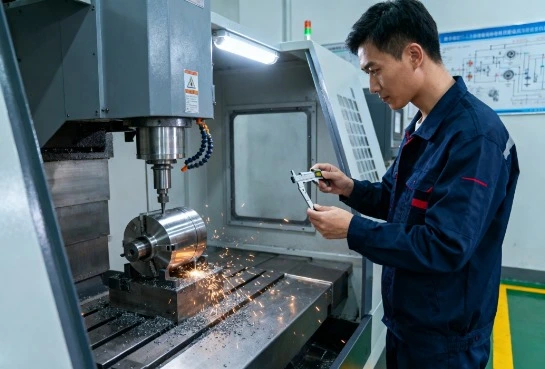
In addition to high-tech development, BOEN Prototype also offers reliable small-scale production as part of its contract manufacturing services. A lot of different businesses need advanced production methods like CNC machining, fast injection molding, 3D printing, and more. We know how to use these methods to make things for medical devices, consumer electronics, cars, and planes. When it comes to making, we know how important quality, accuracy, and on-time delivery are.
Quick testing with SLA and SLS technologies, as well as accurate CNC machining, vacuum casting, and compression molding are all part of our uniform method. They can all help you get your product to market faster. We can help you with working proof samples, design changes, or low-volume production runs. Our skilled team can find solutions that meet your needs and meet your quality standards.
Are you ready to find out if BOEN Prototype can give you reliable contract manufacturing? Contact our team at contact@boenrapid.com to talk about your project and find out how our advanced production can help you reach your goals for innovation with quick response times and high-quality results.
References
Smith, J. & Anderson, K. (2023). "Strategic Contract Manufacturing: Modern Approaches to Supplier Selection and Partnership Development." Industrial Manufacturing Review, 45(3), 78-92.
Chen, L. et al. (2024). "Risk Management in Global Manufacturing Partnerships: A Comprehensive Framework for Quality Assurance." Journal of Supply Chain Management, 38(2), 156-171.
Rodriguez, M. & Thompson, R. (2023). "Evaluating Manufacturing Partners: Critical Success Factors for Long-term Collaboration." Procurement Strategy Quarterly, 29(4), 203-218.
Williams, D. (2024). "Regional Manufacturing Capabilities: Comparative Analysis of Global Production Hubs." International Manufacturing Journal, 52(1), 34-48.
Johnson, P. & Lee, S. (2023). "Quality Systems in Contract Manufacturing: Best Practices for Partner Assessment and Management." Quality Engineering Today, 31(6), 112-127.
Brown, A. et al. (2024). "Technology Integration in Modern Manufacturing Partnerships: Trends and Strategic Implications." Advanced Manufacturing Research, 18(3), 89-104.

How Can We Help?

Your Trusted Partner in Rapid Manufacturing.