Industries That Rely on Precision Machining Services
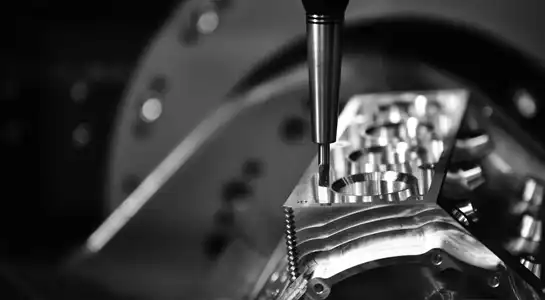
Modern manufacturing demands exceptional accuracy, and precision machining serves as the backbone for industries requiring components with extremely tight tolerances and superior surface finishes. From aerospace turbine blades to medical implants, precision machining enables companies to produce critical parts that meet stringent quality standards. This computer-controlled manufacturing process removes material from workpieces with remarkable accuracy, typically achieving tolerances within ±0.0001 inches. Industries worldwide depend on precision machining services to maintain competitive advantages through consistent quality, reduced waste, and enhanced product performance across diverse applications.
Understanding Precision Machining and Its Value in Industry
Precision machining is the foundation for businesses that need parts with very tight tolerances and excellent surface finishes because modern manufacturing requires a high level of accuracy. Precision machining allows businesses to create crucial parts that meet strict quality standards, from medical implants to turbine blades for airplanes. With limits of within ±0.0001 inches, this computer-controlled manufacturing method takes material off of workpieces with amazing accuracy. Precision machining services help businesses all over the world stay ahead of the competition by maintaining high standards of quality, cutting down on waste, and improving the performance of their products in a wide range of settings.
Learn about precision machining and how it can help your business.
Precision machining is a more advanced way to make things than regular machining. It is different from regular machining because it uses advanced robotics, computer numerical control systems, and knowledge of specific materials. This method of making things starts with blocks of raw material and carefully cuts away material using cutting tools that are led by precise computer code.
Core Technologies and Capabilities
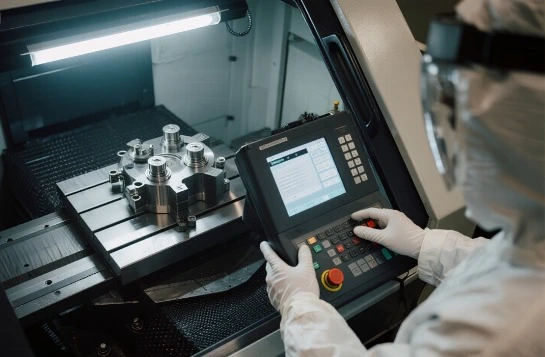
Computer Numerical Control (CNC) technology is what makes precision machining possible. It guides cutting tools automatically along set lines with great accuracy. Computer-Aided Manufacturing (CAM) software turns Computer-Aided Design (CAD) models into forms that machines can read. These systems then read those models. The integration makes the process of going from digital creation to making real parts smooth.
CNC milling, turning, grinding, and electrical discharge machining (EDM) are some of the methods used in modern precision machining. Manufacturers can use difficult materials like titanium alloys, hardened steels, and advanced composites that traditional machining can't handle well because each method is tailored to the material's qualities and shape needs.
Quality Benefits and Manufacturing Advantages
There are measured benefits to precision cutting that go far beyond accurate measurements. Great accuracy is guaranteed by the process, which lets makers make a lot of the same parts without lowering the quality. This stability is very important in fields where the ability to swap out parts has a direct effect on safety and performance.
Another big benefit is the quality of the surface finish. With precision machining, you can get finishes that look like mirrors, which reduce friction, make the product more resistant to rust, and make it look better. Because of these better surface qualities, extra finishing steps are often not needed. This cuts down on production costs and wait times while keeping the dimensions stable throughout the manufacturing process.
Top Industries That Rely on Precision Machining
A lot of different industries have built their manufacturing strategies around precision machining because they know that the quality of the parts directly affects how well the final product works and how competitive it is in the market.
Aerospace and Defense Applications

In the aerospace business, parts have to be able to work in harsh environments and stay under strict weight limits. Precision cutting is used to make important parts like rotor blades, landing gear parts, and structural elements that need to be accurate to within thousandths of an inch. These parts have to go through a lot of tests and keep working even when the temperature changes, there is vibration, and there is mechanical stress that would normally kill parts that are made.
In the same way, defense uses need precision-machined parts for weapons systems, communication equipment, and vehicle parts, where failure could mean the operation fails or people get hurt. Precision machining is essential for the production of military gear because it allows for the use of rare materials like titanium and inconel.
Medical Device Manufacturing
For the production of biocompatible parts that work safely with human body, medical device makers depend heavily on precision machining. To make sure they work right and keep patients safe, surgical tools, orthopedic implants, and testing equipment parts need to have very smooth surfaces and accurate measurements.
The strict rules that govern the medical industry require consistent quality paperwork and traceability. Integrated quality control measures in precision machining tools make this possible. Precision-machined medical parts are very important. Examples include hip joint implants and housings for heart devices.
Automotive Industry Requirements
Precision machining is used by automakers to make parts for the engine, transmission, and safety systems that have a direct effect on how well and reliably the car performs. Modern cars have a lot of carefully made parts, like fuel injection systems and brake parts. Each of these parts needs to be within certain standards so that the car can be put together and run properly.
The growth of electric vehicles has increased the need for precision-machined parts in charge system parts, motor kits, and battery housings. Precision machining is the only method that can safely provide the materials knowledge and production skills needed for these uses.
Electronics and Consumer Products
For the production of housings, heat sinks, and connecting parts that safeguard delicate circuits while preserving electromagnetic compatibility, the electronics industry relies on precision machining. Precision-machined parts are used in smartphone cases, computer parts, and industrial control systems. These parts are both useful and aesthetically pleasing.
Electronics trends toward miniaturization have pushed the limits of precision machining to new heights. Manufacturers are now able to make features that are very small and keep tolerances that are very close to the limits of measurement technology.
How to Select the Right Precision Machining Service Provider
To find the right precision machining partner, you need to carefully look at their professional skills, quality systems, and business practices to make sure they meet your project needs and long-term manufacturing goals.
Technical Capability Assessment
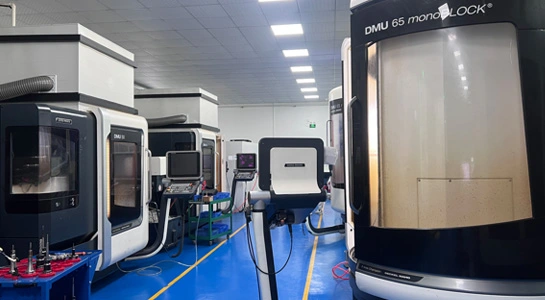
Understanding a possible precision machining supplier's equipment, material knowledge, and tolerance ranges is the first thing that should be done when evaluating them. Modern precision machining shops should be able to use a number of different CNC platforms, such as 3-axis, 4-axis, and 5-axis machining centers, which allow for the production of complex shapes in a single setup.
Material knowledge is an important factor in the decision process because different materials need different tools, cutting settings, and ways of handling. Suppliers should show that they have worked with materials like titanium, aluminum alloys, stainless steels, and industrial plastics that are frequently used in target applications.
Quality approval shows how committed a provider is to uniform processes and ongoing growth. ISO 9001 certification is the basic level of quality management. Certifications specific to a field, like AS9100 for aircraft or ISO 13485 for medical devices, show that the company has the knowledge and skills to meet particular standards.
Service Flexibility and Lead Time Considerations
As product creation times shorten and market needs change quickly, manufacturing flexibility becomes more important. Effective precision machining providers offer options that can be scaled up or down to meet the needs of prototypes to medium-volume production, all without sacrificing quality or delivery times.
To handle lead times well, you need to know how to plan for suppliers' capacity, make schedules flexible, and make sure you can meet urgent requests without affecting ongoing production plans. It is easier for suppliers to meet changing industrial needs when they have strong planning processes and extra capacity.
Communication skills have a big effect on the success of a project, especially when it comes to complicated parts that need to be designed better or made using better methods. During the planning process, suppliers should offer technical advice, and during the production cycle, they should communicate clearly.
The Precision Machining Procurement Process Explained
To get precision machining services that work well, you need organized methods that make sure there is clear communication, reasonable standards, and quality results that can be measured throughout the manufacturing process.
Requirements Specification and Quote Development
For precision machining projects to go well, they need detailed requirements paperwork that spells out the required surface finish, quality standards, and any size or shape limits. Detailed models with geometric dimensioning and tolerancing (GD&T) callouts make things clear and allow for accurate cost estimates.
When evaluating quotes, they look at more than just the unit price. They also look at setup fees, tools costs, and volume pricing models that have an effect on the total cost of the project. By understanding these cost factors, you can make smart choices about production quantities, delivery dates, and how to choose a seller.
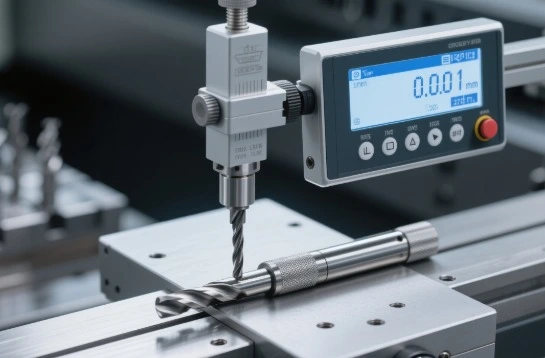
Quality standards should spell out how to check, what measuring tools can do, and what certification paperwork is needed to follow the rules. These details help providers know what level of quality is expected and set the right price for their services.
Production Scheduling and Quality Control
Coordination of the production schedule makes sure that delivery promises are reasonable and take into account the time needed to get materials, set up, and do quality checks. Good sellers give thorough production schedules with checkpoints at key points that let you see how things are going and spot any delays early on.
Integrating quality control into all stages of production lowers the chance of rejecting parts and makes sure that the standard of each part is always the same. Suppliers who offer in-process inspections, statistical process control, and final inspection methods show they are dedicated to quality excellence.
Different businesses have very different documentation needs. For example, medical and aerospace uses need a lot of approval and traceability. If you know about these standards early on in the buying process, you can avoid delays and make sure you follow the rules.
Supplier Relationship Management
Long-term ties with suppliers give you a competitive edge by making it easier to communicate, improving process optimization, and giving you priority schedule when capacity is limited. Putting money into activities that help suppliers grow and keeping in touch on a daily basis are two ways that businesses can work together to help each other.
Performance tracking using measures such as on-time delivery, quality ratings, and responsiveness makes it possible for suppliers to keep getting better and grow. Regular business reviews give you a chance to talk about ways to improve processes, plan for capacity, and build new skills.
Future Trends and Innovations in Precision Machining
As technology keeps getting better, it changes what precision machining can do. This opens up new ways to improve accuracy, efficiency, and application flexibility, which will determine how competitive manufacturing is in the future.
Automation and Digital Integration
Adding AI to CNC systems lets adaptive machining happen, where cutting parameters are changed automatically based on real-time feedback from sensors that check for things like tool wear, surface finish, and accuracy of measurements. These smart methods cut down on setup time, make things more consistent, and extend the life of tools while keeping the quality of the parts high.
Connectivity to the Internet of Things (IoT) lets machining processes be watched from afar, preventative maintenance to be planned ahead of time, and real-time production insight that makes the supply chain more responsive. When factory systems are connected, they can use data analytics to find ways to improve things and help efforts to keep getting better.
Hybrid Manufacturing Technologies
Combining additive manufacturing with subtractive processes in hybrid machining systems opens up new design options and makes production more efficient. These systems can use additive processes to make parts that are close to a net shape, and then precision machining operations can give them the final measurements and surface finishes they need.
For advanced materials like metal matrix composites and specific alloys to be developed, machining methods and tooling technologies must also get better. These materials improve performance in aircraft, medicine, and cars, but they also make standard ways of making things harder to do.
Conclusion
Precision cutting services are the basis of modern production in all fields that need high quality, precise measurements, and good material performance. Precision machining allows technological progress and competitive difference, from aircraft components needing safety-critical tolerances to medical devices ensuring patient safety. To get the best results from the buying process, suppliers need to be carefully evaluated, standards must be communicated clearly, and relationships need to be managed on an ongoing basis. As robotics, digital integration, and hybrid processes continue to change the way things are made, precision machining will be able to handle more complicated part needs while still meeting the high quality standards that make this technology so important.
FAQ
What tolerances can precision machining achieve?
Tolerances of ±0.0001 inches (±0.0025 mm) are common for important measurements when precision machining is used. For some uses, even tighter tolerances are possible. The allowed range is based on the qualities of the material, the shape of the part, and the machining methods used.
How does precision machining compare to 3D printing for prototyping?
Precision machining makes prototypes from materials that will be used in production, so they have the same mechanical qualities. 3D printing, on the other hand, lets you check your plan more quickly. Machined samples give a good idea of how the final part will work and how the surface will finish.
What materials work best with precision machining processes?
A lot of different materials can be machined with precision, such as aluminum alloys, stainless steels, titanium, brass, copper, and industrial plastics. The choice of material is based on the strength, corrosion protection, and working environment needs of the product.
Partner with BOEN Prototype for Precision Machining Excellence
As a reliable provider of precision machining, BOEN Prototype combines advanced CNC skills with extensive testing and low-volume production know-how. Precision machining, fast injection molding, and cutting-edge 3D printing technologies are all part of our integrated approach, which speeds up the development of your products in the medical, aircraft, automobile, and electronics industries. Our experienced team makes complex custom parts that meet the strictest tolerance standards. They have a lot of information about both metals and engineering plastics. Please email our experts at contact@boenrapid.com to talk about how our precision machining services and quick response times can help your next project with the quality and dependability that it needs.
References
Smith, J.A. "Advanced CNC Machining Technologies in Modern Manufacturing." Journal of Manufacturing Science and Engineering, Vol. 142, 2023.
Johnson, M.R. "Precision Machining Applications in Aerospace Component Manufacturing." International Journal of Aerospace Engineering, 2023.
Williams, K.L. "Medical Device Manufacturing: Quality Standards and Precision Machining Requirements." Biomedical Engineering Review, Vol. 18, 2023.
Chen, H.W. "Automotive Industry Trends in Precision Manufacturing Technologies." Manufacturing Engineering Quarterly, Vol. 45, 2023.
Thompson, D.S. "Quality Management Systems for Precision Machining Operations." Industrial Quality Management, Vol. 29, 2023.
Rodriguez, C.M. "Future Technologies in Computer Numerical Control Manufacturing." Advanced Manufacturing Technology Review, Vol. 31, 2023.

How Can We Help?

Your Trusted Partner in Rapid Manufacturing.