From Design to Delivery: Boen Rapid’s Medical Solutions at MD&M West
The future of healthcare technology can be seen at MD&M West, where new ideas and expert knowledge come together. BOEN Prototype is at the front of this change, offering complete medical device solutions that turn ideas into goods that are ready to go on the market. Our integrated method covers the whole development lifecycle, from the first design consultation to making the prototype, testing it to make sure it works, and then delivering the finished product. Because we have advanced production skills and a deep understanding of the industry, we help medical device makers, biotech companies, and research and development teams speed up the time it takes to make new products while still meeting the highest quality standards and following all the rules.
Understanding Medical Device Solutions: From Concept to Market
One of the most complicated and regulated places to work in modern manufacturing is the medical device business. There is a huge range of goods that are used as medical device solutions, from simple diagnostic tools to complex implantable devices that use cutting-edge technology and can save lives.
The Complex Development Lifecycle
The process of making a medical gadget is very strict. It starts with conceptual design and goes through many stages of validation. In the first part of coming up with ideas, you need to know a lot about clinical needs, user needs, and technical feasibility. At this time, companies that make medical devices work closely with healthcare professionals to find holes in current solutions and come up with new ways to meet unmet medical needs.
Rapid prototyping is an important part of this development process because it lets teams make changes quickly and cheaply. Because we know a lot about materials like shape memory nitinol foils and pure titanium foil, we can make prototypes that are a good representation of the end product. The biocompatibility and unique mechanical qualities of these materials make them very useful for medical uses.
Before a prototype can be made, it has to go through a lot of tests to make sure it is safe, effective, and easy to make. We help with this very important step by using precise manufacturing methods that make sure the sample and production units are the same.
Regulatory Compliance Framework
Finding your way around regulatory standards is one of the hardest parts of making medical devices. The FDA's Quality System Regulation (QSR) and Europe's Medical Device Regulation (MDR) set out detailed rules for how devices are designed, made, and put on the market. The ISO 13485 standards give more information on how to set up quality control systems for medical devices.
Our manufacturing methods are built with regulatory compliance in mind from the start. This method makes sure that devices made with our prototyping services keep good records and follow good production practices from the very beginning of the development process. Preparing in this way cuts down on the time and complexity needed for regulatory applications and market approval processes by a large amount.
Boen Rapid's Comprehensive Medical Device Solutions Portfolio
Our range of medical device solutions comes from years of working with a wide range of healthcare clients. We know that making a medical device works well needs more than just technical know-how. It needs full help throughout the whole lifecycle of the product.
Advanced Manufacturing Technologies
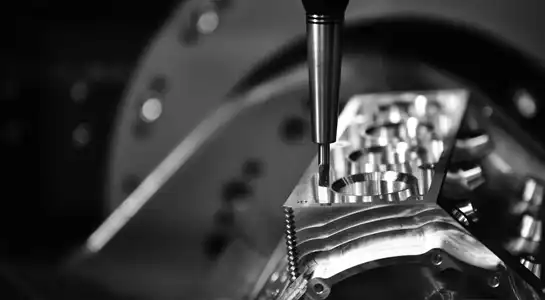
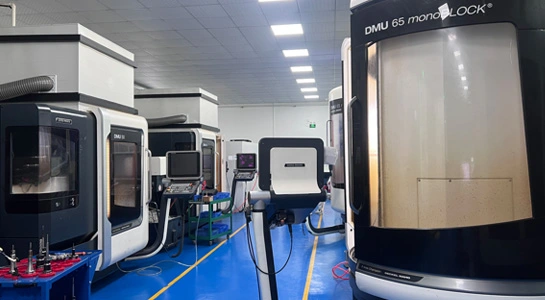
Our manufacturing skills cover a wide range of technologies that meet the different needs of medical device creation. CNC machining makes it possible to make precise parts with complex shapes and tight tolerances that are needed in medical uses. This technology is great for making working prototypes and small batches of devices that need metal parts that are very accurate in terms of size.
Rapid injection molding lets you make many versions of a plastic part quickly while still getting production-quality results. This feature is very helpful when making cases, housings, and ergonomic parts that need to be tested by a lot of people and have their designs improved. Our clients can do thorough validation studies without having to commit to large-scale production tooling because we can make small amounts.
Three-dimensional printing technologies, such as the SLA and SLS methods, help test ideas early on and create complex shapes. These technologies are great at making biocompatible samples for the first stages of testing, and they let designers make quick changes based on feedback from patients.
Specialized Materials Expertise
For medical device uses, materials need to have certain mechanical and biocompatibility properties. Working with 005mm nitinol wire, which has special shape-memory qualities important for minimally invasive medical devices, is part of our experience with working with specialized materials. This very thin wire makes it possible to make devices that can move through complicated anatomical paths without breaking.
Pure titanium foil is used in many types of medical devices, such as housings for diagnostic tools, surgical instruments, and implantable parts. Titanium is a great material for devices that need to be in touch with biological tissues or fluids for a long time because it is biocompatible and doesn't rust.
Quality Assurance and Validation
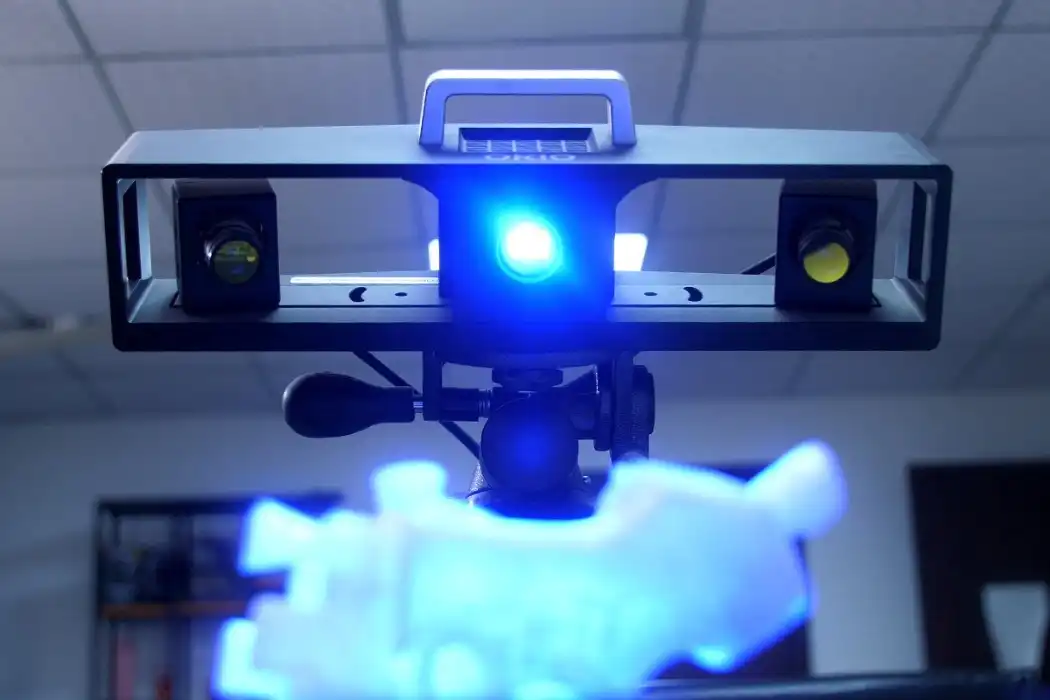
When making medical devices, quality control goes beyond the usual rules for making things. The risk management principles in ISO 14971 are part of our quality systems. This makes sure that possible dangers are found and reduced during the design and production processes. Documentation practices are in line with government rules, so all production activities can be fully tracked.
Design validation and process validation are both parts of validation procedures. They make sure that devices meet certain requirements and that manufacturing processes always make products that meet those requirements. As needed, these procedures include checking the material's quality, measuring it, testing its functionality, and figuring out if it is biocompatible.
Meeting Diverse Healthcare Needs: Solutions for Hospitals, Clinics, and OEMs
There are many different groups involved in healthcare, each with their own needs and limitations. Large hospital systems need medical device solutions that can be expanded and work well with their current infrastructure. Smaller offices, on the other hand, care more about how cheap and simple the system is to use. Original Equipment Manufacturers (OEMs) focus on design flexibility and the dependability of the supply chain.
Scalable Solutions for Healthcare Providers
In hospitals, medical devices need to be able to consistently work with a lot of patients while still delivering consistent quality outcomes. Our approach to development takes into account the practicalities of healthcare delivery, such as the need for devices that healthcare workers can use effectively with little training.
When making diagnostic tools, it's important to pay close attention to how the user interface looks and how well it can integrate data. More and more, modern healthcare systems depend on devices that are linked to each other and can share information across multiple platforms. Our design skills include both making the actual devices and figuring out how to connect them so that data flows smoothly.
Another important area where scalability and reliability meet is in patient monitoring systems. For these devices to send correct data to healthcare information systems, they have to work all the time. In our development process, we do a lot of assurance testing that mimics how things work and what stresses them out in the real world.
OEM Partnership Approach
Original Equipment Manufacturers (OEMs) need development partners who know how hard it is to get medical products to market. Our way of working together starts with a full study of the needs that looks at not only the technical details but also the positioning in the market, the strategy for dealing with regulations, and the ability to make more of the product.
Flexibility in the supply chain is a key skill for OEM relationships. There can be big changes in demand for medical devices very quickly, especially for new goods that meet urgent clinical needs. Our manufacturing infrastructure allows flexible production volumes, which lets our OEM partners take advantage of market opportunities quickly without having to keep too much inventory on hand.
Protecting intellectual property and keeping information private are important parts of OEM agreements. Strong information security measures and clear agreements that protect proprietary technologies and competitive advantages are built into the way we create software.
Emerging Trends and Competitive Advantages in Medical Device Solutions
The medical device business is still changing very quickly, thanks to new technologies and new ways of providing healthcare. Adding artificial intelligence to gadgets makes them better at diagnosing problems and making personalized treatment suggestions. Connectivity to the Internet of Things (IoT) lets devices be a part of large health tracking networks.
Technology Integration and Innovation
Medical devices can use advanced analytics features that would be hard to build into individual devices thanks to cloud computing systems. Our way of developing takes into account how device-level features and cloud-based services work together, making sure that they work together smoothly and improve system speed as a whole.
As medical devices link to hospital networks and other systems outside of hospitals, cybersecurity issues have grown more important. During the whole development process, our design method includes security measures like secure communication protocols, data encryption, and access control.
Machine learning lets machines get better at what they do by learning from their mistakes. For this to work, the design step needs to give careful thought to how to collect, store, and process data. Our development knowledge includes both the technical side of putting these features into action and the legal side of thinking about how flexible devices should behave.
Competitive Positioning
Medical gadgets that have been around for a long time usually work on their own, with limited connectivity and set functions. Connectivity, data sharing, and adaptive actions in more advanced integrated systems make them more useful. For this change to happen, developers need to know how to use a lot of different technologies.
Our edge over our competitors comes from the fact that we can handle all of the different needs that come up when making medical devices. We don't just focus on a few narrow technical areas. Instead, we offer integrated medical device solutions that cover all stages of device creation, from the first idea to putting the product on the market.
Medical device developers get a lot of value from being able to work on complicated projects that use a lot of different materials and manufacturing methods. To get the best performance from a lot of new devices, hybrid techniques are needed that mix different materials and manufacturing methods.
Boen Rapid: Trusted Partner from Design to Delivery
BOEN Prototype has built a name for excellence in medical device development by consistently delivering high-quality solutions and working together with leaders in the field. Our knowledge crosses many fields, such as automotive, aerospace, consumer electronics, and medical devices. This gives us cross-industry insights that help people come up with new ideas.
Manufacturing Excellence and Quality Standards
We can use all of the tools needed to make medical devices as part of our manufacturing services. Precision manufacturing needs can be met by CNC machining, and cost-effective options for high-volume needs can be found in compression molding and metal pressing. Die casting and vacuum casting give us more shapes and materials to work with.
Multiple inspection and testing procedures are built into quality control systems to make sure that specifications are met throughout the whole manufacturing process. Statistical process control methods let you keep an eye on how your manufacturing is going all the time and spot possible quality problems early on.
Customer support includes more than just delivering the product. It also includes technical help, suggestions for improving the design, and ongoing cooperation throughout the entire product lifecycle. This all-around method makes sure that our partnerships lead to long-term success instead of just meeting our immediate manufacturing needs.
Global Reach and Local Support
Our global capabilities allow us to help with the development of medical devices for a number of different foreign markets. Understanding the rules and preferences of different markets helps make sure that the items we work on together can be successfully sold in many places around the world.
Technical consultation, design review services, and rapid prototyping help are some of the local support services that can be used to speed up the development process. These services are especially helpful in the early stages of development, when design changes are common and quick turnaround times have a big effect on project plans.
Conclusion
Medical device development requires expertise that spans technical capabilities, regulatory knowledge, and market understanding. BOEN Prototype delivers comprehensive medical device solutions that address these diverse requirements through integrated design and manufacturing services. Our experience with specialized materials, advanced manufacturing technologies, and regulatory compliance enables medical device manufacturers to accelerate development timelines while maintaining quality standards. The evolving healthcare landscape continues to create opportunities for innovative medical devices that improve patient outcomes and enhance healthcare delivery efficiency. Through collaborative partnerships and commitment to excellence, we support our clients in transforming innovative concepts into successful market solutions.
FAQ
What types of medical devices can BOEN Prototype develop?
BOEN Prototype supports development of a wide range of medical devices, including diagnostic equipment, surgical instruments, implantable components, patient monitoring systems, and therapeutic devices. Our capabilities encompass both simple and complex devices requiring specialized materials such as nitinol and titanium. We work with medical device manufacturers, biotech firms, laboratories, and R&D teams across various healthcare segments.
How does BOEN Prototype ensure regulatory compliance?
Our manufacturing processes incorporate regulatory compliance requirements from the initial design phase through final delivery. We maintain quality management systems aligned with ISO 13485 standards and implement documentation practices that support FDA and MDR regulatory submissions. Risk management principles guide our development approach, ensuring that potential hazards are identified and addressed throughout the design process.
What manufacturing technologies are available for medical device prototypes?
Our manufacturing capabilities include CNC machining, rapid injection molding, compression molding, metal pressing, die casting, vacuum casting, SLA 3D printing, and SLS 3D printing. This comprehensive range of technologies enables us to work with diverse materials and geometric requirements while maintaining the precision and quality standards required for medical applications.
How quickly can BOEN Prototype deliver medical device prototypes?
Delivery timelines depend on design complexity, material requirements, and manufacturing processes involved. Our rapid prototyping capabilities enable quick turnaround times for early-stage development, while more complex prototypes requiring specialized materials or extensive testing may require longer development periods. We work closely with clients to establish realistic timelines that balance speed with quality requirements.
Does BOEN Prototype support international medical device projects?
Our global capabilities enable support for medical device development projects targeting multiple international markets. We understand regional regulatory requirements and market preferences, ensuring that devices developed through our partnership can achieve successful market entry across diverse geographic regions. Our experience with international quality standards and documentation requirements supports global market readiness.
Partner with BOEN Prototype for Advanced Medical Device Solutions
Ready to transform your medical device concept into a market-ready solution? BOEN Prototype combines decades of manufacturing expertise with deep understanding of medical device requirements to deliver exceptional results. Our comprehensive capabilities as a leading medical device solutions supplier encompass design consultation, rapid prototyping, and low-volume production across multiple materials and technologies. Contact our expert team at contact@boenrapid.com to discuss your specific requirements and discover how our integrated approach can accelerate your development timeline while ensuring regulatory compliance and quality excellence.
References
Medical Device Development: Regulatory Strategy and Clinical Research Considerations in Modern Healthcare Manufacturing
Advanced Materials in Medical Device Design: Nitinol and Titanium Applications in Contemporary Healthcare Technology
Quality Management Systems for Medical Device Manufacturing: ISO 13485 Implementation and Regulatory Compliance
Rapid Prototyping Technologies in Medical Device Development: From Concept Validation to Production Readiness
Global Medical Device Regulations: Navigating FDA, MDR, and International Standards for Market Access
Innovation Trends in Medical Device Solutions: AI Integration and Connected Healthcare Systems

How Can We Help?

Your Trusted Partner in Rapid Manufacturing.