CNC Machining Solutions in China for Global Buyers
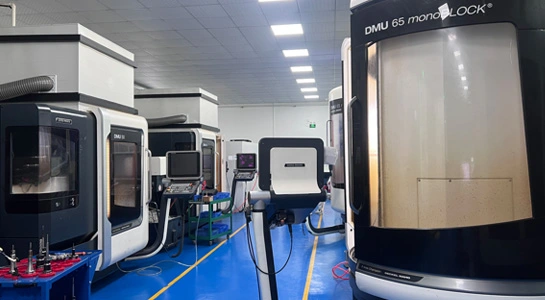
Buying CNC machining services from China has become a strategic benefit for companies around the world in the medical, consumer goods, aircraft, and car industries. China's industrial environment has high levels of automation, low prices, and quick turnaround times that are hard for other markets to match. Chinese suppliers make everything from usable samples to mid-volume production runs, and their dimensional tolerances often reach ±0.005mm. This is possible thanks to Computer Numerical Control technology, which makes it possible to make complex shapes precisely and consistently. China is an essential partner for procurement workers looking for scalable, cost-effective manufacturing solutions because of its advanced technology and high level of operating efficiency.
Understanding CNC Machining and Its Advantages for Global Buyers
What CNC Technology Actually Means for Your Production Needs
Computer Numerical Control (CNC) is the use of pre-programmed software to make exact moves that are controlled by machines instead of people. This technology runs tools like routers, milling machines, lathes, and turning mills that use solid blocks of material to cut, shape, and make parts. Using end mills and G-code directions to remove material from CAD models turns the process into making real parts. Unlike traditional ways of making things, this method gets rid of the variation caused by human mistake while still allowing complicated shapes that would be impossible or too expensive to make by hand.
Core Processes Available Through Chinese Service Providers
China's CNC machining scene has a wide range of features that can be used for many different types of cutting. Rotary cuts remove material from fixed workpieces during milling operations to make features. This method is perfect for making parts for the inside of cars and cases for consumer electronics. When you turn something, you move it around against a fixed cutting tool. This is great for parts that are cylinder-shaped, like parts for cars and robots. Multi-axis machining centers can move in five directions at the same time, which makes it possible to make prototypes of complicated medical devices and aircraft parts with complex shapes. Wire EDM services work with tough metals and small gaps to make housings for lights and precise instruments. With this wide range of skills, buyers can combine their many manufacturing needs with a single seller, which makes transportation and quality control easier.
Material Versatility That Matches Industry Requirements
Chinese sellers have huge libraries of materials that meet the needs of a wide range of industries. Because they are strong for their weight, aluminum alloys like 6061 and 7075 are used a lot in aircraft and unmanned aerial vehicles (UAVs). Engineering plastics, like ABS, PEEK, and polycarbonate, are used to make samples of consumer goods and medical devices that need to be biocompatible or look good. Titanium grades like Ti-6Al-4V can work in harsh conditions in medical implants and parts of airplane engines. Stainless steel versions can support food-grade robots and industrial equipment that doesn't rust. Because the material is flexible, OEMs and Tier-1 suppliers can test designs across functional needs without switching manufacturing partners.
Why Global Buyers Choose China for Precision Manufacturing
There are benefits for foreign buying teams that go beyond just saving money. China's production infrastructure allows for quick changes from single prototypes to thousands of units without having to retool. This is very important for EV startups and gadget makers who need to make changes to designs quickly. Lead times often shorten to 3–7 days for samples and 2–3 weeks for production runs, which is a lot faster than options made in the United States. Chinese factories often have newer five-axis machines and automatic checking systems that are the same as those in the West because they have invested in more advanced equipment. The ecosystem of suppliers offers a range of services that work together, such as surface treatments, assembly, and quality paperwork that is in line with ISO 9001 and other industry standards. When you put these things together, they make strong value offers for testing labs, R&D teams, and product design companies that have to stick to tight development schedules.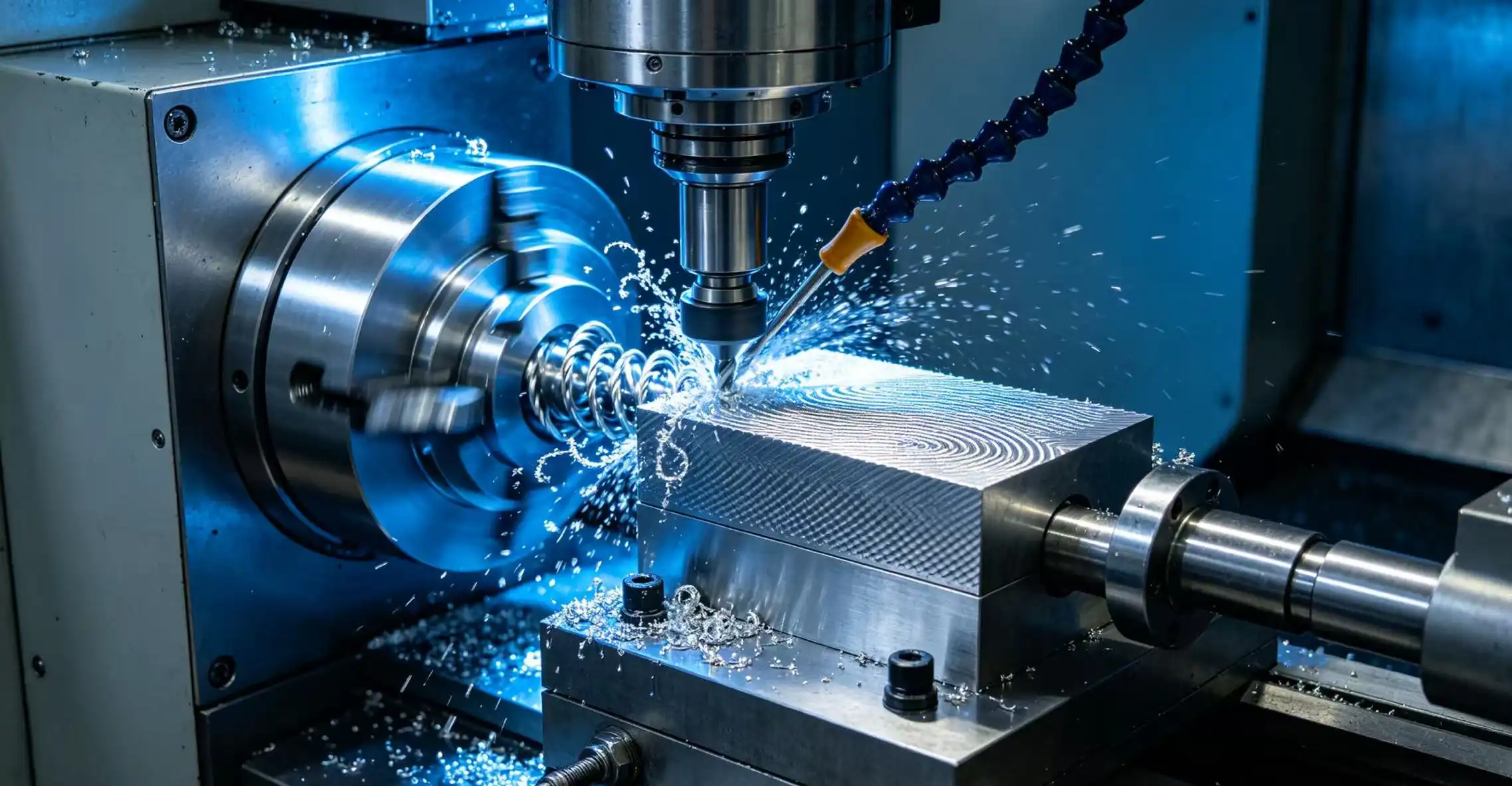
Comparing CNC Machining Solutions: China vs Other Markets
Precision and Quality Standards Across Manufacturing Regions
Chinese CNC machining skills are now on par with those in established industrial hubs when it comes to accuracy and quality of the finish on the surface. Leading suppliers regularly reach standards of ±0.01mm and surface finishes as low as Ra 0.4μm, which meets the needs of aircraft and medical devices. This success is the result of big investments in German and Japanese machines and tough training programs for the people who work with them. People used to think that Chinese makers didn't always make good products, but now they do. To make sure their products meet Western quality standards, they use statistical process control and coordinate measuring machine proof. The practical difference lies not in achievable precision but in supplier selection—vetted partners demonstrate quality consistency comparable to North American or European alternatives at significantly reduced costs.
Speed and Cost Performance Analysis
The way prices and production schedules are set in China show how competitive the country is. When you work with Chinese providers, you can often finish prototype development in five days instead of two weeks, because they have more open schedules and workers who are available. Cost advantages are usually 30–50% less than Western prices for the same specs. This is because of economies of scale, lower labor costs, and integrated supply lines that lower the cost of materials. These savings are especially helpful for robot and AGV developers who make custom structural parts in small enough numbers that they can't be made as cheaply with injection molding but also not too few for testing. The mix of speed and cost lets designers make more changes within set budgets, which speeds up the time it takes for consumer electronics and smart-home product makers to get their products on the market.
Technology Integration and Manufacturing Sophistication
China's factory sector has quickly embraced Industry 4.0 technologies that make operations run more smoothly. Automated loading systems cut down on mistakes made by people handling things and allow drone part makers who need regular overnight runs to work without lights. Real-time monitoring networks let buyers see how production is going and find problems early on. This is especially helpful for biotech companies and labs that have to keep track of legal paperwork requirements. A lot of places now use digital twin models to guess how metal will turn out before they cut it. This cuts down on waste when making expensive titanium aircraft parts. This technology equality with Western facilities lets buyers from around the world use cutting-edge production methods without having to pay more. This is good for companies that make flight parts and manage complex assemblies.
How to Select the Best CNC Machining Supplier in China for Your Business
Essential Certification and Quality Standards to Verify
Professionals in charge of buying things should give preference to sellers who have the right certifications for their business. ISO 9001 approval shows basic quality management systems that are used as standards for projects involving consumer electronics and industry equipment. For aircraft and UAV uses, AS9100 certification is necessary to make sure that providers know the quality standards and traceability rules that apply to flight. ISO 13485 approval is important for companies that make medical devices and research and development teams because it verifies biocompatibility practices and cleanroom capabilities. Even though it's not very widespread, ITAR registration lets aircraft engineering teams work on some defense-related projects. In addition to certificates, you should ask for process capability studies (Cpk values) that show statistical control over important dimensions and look over inspection reports that include records of how the measuring tools were calibrated. These standards for documentation set professional activities apart from less reliable ones.
Production Capacity and Technical Capability Assessment
By matching a supplier's skills to the needs of a project, costly misalignments can be avoided. Look at the machine park's specs and make a note of the axis configurations, spindle speeds, and work area measurements that are important for the sizes of your parts. OEMs in the automotive industry that make big lighting housings need different tools than medical device OEMs that make tiny surgery instruments. Check the shop's experience with the material in question—some that are good at working with aluminum aren't so good with titanium or engineering plastics, which need different tooling techniques and process settings. Ask for model parts that are similar to the ones you need for your uses. Use your own inspection tools to check the surface finishes, edge quality, and accuracy of the dimensions. Planning for capacity is just as important. Suppliers who have a lot of big clients may not give as much attention to smaller orders during busy times, which can cause shipping problems for testing labs and design studios that have set project deadlines.
Risk Mitigation Through IP Protection and Communication Protocols
First-time buyers often don't work with Chinese makers because they are worried about intellectual property. Reliable providers are happy to sign non-disclosure agreements and keep client projects separate from other work in the same production setting. Before giving out specifics, you might want to file Chinese design patents for important new ideas. Separate information into smaller pieces by only giving necessary geometric data instead of full assembly settings that show product strategies. Set up rules for communicating that take into account differences in language and time zones. Devoted project managers who speak technical English well can help avoid mistakes about specifications that lead to extra work. Instead of just exchanging emails, set up video calls to have in-depth conversations with annotated drawings. Set up payment terms that are tied to review goals. This will protect your finances and encourage good work. These useful steps greatly lower the risks of sourcing for EV companies and industrial design teams that want to protect their own designs.
Insights into CNC Machining Technology Trends and Innovations in China
Automation and IoT Integration Transforming Production Efficiency
Chinese companies quickly adopt robotic technologies that change the costs and benefits of CNC machining. With robotic loading systems, workpieces don't have to be moved by hand, which cuts down on labor needs and makes 24-hour unmanned production useful for Tier-1 suppliers who have to meet regular volume promises. IoT sensor networks keep an eye on vibration, temperature, and tool wear in real time, which leads to preventative maintenance that stops problems before they happen. This is especially important for companies that make aircraft parts because machine downtime delays approval dates. Global buyers can get real-time updates on the progress of their orders, information on quality, and the ability to track their deliveries through secure websites that are based in the cloud. These digital features are similar to how Industry 4.0 is used in developed markets. They show that China is committed to modernizing its industry, which is good for foreign clients who want to see how things are run.
Advanced Multi-Axis and Hybrid Manufacturing Techniques
Chinese providers' technical skills keep growing as their equipment gets better. Five-axis simultaneous machining is becoming more common instead of specialized. It makes it possible to make complex undercuts and compound angles, which are needed for parts of UAV airframes and robotic joint housings. Manufacturers can 3D print near-net shapes and then machine critical areas to tight tolerances using hybrid machines that combine additive and subtractive processes. This makes the best use of material for expensive titanium aircraft parts. High-speed machining centers remove material quickly, which is very important for companies that make consumer products and need to make samples quickly that look good and have lots of small details. Turn-mill combination machines can make complicated parts in a single setup, which cuts down on mistakes caused by moving and shortens lead times for industrial equipment shafts and parts for cars and trucks. These improvements in technology directly lead to more design freedom for engineering teams and lower costs by combining processes.
Sustainability Initiatives and Eco-Friendly Machining Solutions
China's manufacturing methods are becoming more environmentally aware, which is good for buyers whose companies have to be sustainable. Closed-loop coolant recycling systems are used in modern buildings to reduce the amount of toxic waste that needs to be thrown away. This is important for medical device labs and biotech companies that need to keep their environmental permits. Using equipment that uses less energy lowers the carbon footprint of production, which is important for customer brands that need to keep track of Scope 3 emissions across supply lines. Near-dry grinding methods that use little to no oil are better for the environment and for worker safety. Some providers try to get ISO 14001 environmental management approval, which shows that they take a planned approach to protecting resources. These projects give people who work in procurement recorded sustainable measures that help with corporate responsibility reporting. They also often lower operational costs, which helps keep prices low.
Troubleshooting and Maintenance Tips for CNC Machined Parts and Services
Common Quality Issues and Supplier Solutions
Knowing about common flaws in CNC machining helps buyers work with Chinese partners to find ways to avoid them. Inconsistent surface finishes are often caused by cutting tools that are too worn or that aren't set up correctly in terms of speeds and feeds. This problem can be avoided by having professional suppliers watch tool life and set up automatic replacement plans. Dimensional drift during production runs usually means that the process isn't being controlled well enough or that thermal expansion is having an effect. To keep conditions stable, quality-conscious makers use in-process checking procedures and temperature-controlled settings. Tool path programming choices can leave burrs and sharp edges. Skilled machinists know how to improve exit strategies and add deburring tasks to regular processes. When the specs list dimensions that are necessary for the function, you should ask for full dimensional verification in the first article inspection report before allowing production amounts. When customers and sellers work together, they set clear quality standards for each other. This keeps expensive rework from having to be done by AGV developers and system integrators who have to manage parts with tight stack-up tolerances.
Proactive Maintenance Practices Extending Equipment Performance
The success of a long-term partnership depends in part on how reliable the supplier's equipment is. Professional Chinese makers use routine maintenance plans that check for alignment issues, lubrication, and the state of the spindle bearings before they break. Regularly calibrating measuring tools makes sure that they work correctly during production runs and during inspections. This is especially important for aircraft engineering teams that need to be able to prove their measurements. The tool condition tracking systems find patterns of wear that tell you how much longer the tool will be useful. This stops catastrophic failures in the middle of production that hold up medical device prototypes while they wait for regulatory submissions. When unexpected downtime happens, backup machine capacity in supply facilities gives makers of robots that work with assembly line plans choices for how to keep their delivery promises. When buyers are vetting suppliers, they should ask about repair procedures because taking care of tools is directly linked to consistent quality and on-time delivery.
Collaborative Communication Strategies Ensuring Project Success
Clear conversation about specifications is the first step to working together as a buyer and a seller. Instead of using nominal measurements, give detailed technical drawings with geometric dimensioning and tolerancing (GD&T) callouts. This will keep aviation component makers who need AS9100 paperwork from making mistakes when figuring out what the drawings mean. Talk about the reasons for choosing a material, taking into account its mechanical qualities, how it will be used, and any government rules that need to be followed. This is especially important for biotech companies that are making biocompatible samples with certain material grades. Set inspection standards that tell the difference between critical dimensions that need to be checked 100% of the time and non-critical features that can be checked with sampling plans. Set up regular quality reviews to look at trends in defects and the process's ability to work. This will encourage ongoing growth, which is good for everyone. With this partnership mindset, transactional relationships turn into strategic ties where providers invest in knowing your applications. This leads to better solutions for product design companies that have to handle the needs of a wide range of clients in many industries.
Conclusion
China's CNC machining ecosystem is a great deal for people around the world who want to find precise manufacturing solutions in the robotics, aircraft, medical, consumer electronics, and car industries. Advanced tools, low prices, quick turnaround times, and better quality systems all work together to meet the important purchasing needs of OEMs, Tier-1 providers, and R&D teams around the world. When choosing a provider, it's important to be careful about certifications, skills, and communication methods. However, carefully chosen Chinese partners can offer strategic benefits that are hard to get from domestic options. As technology gets better and more environmentally friendly practices become more common, China's place as a top source for machining gets stronger. It offers global buyers scalable solutions that support innovation processes and time-to-market goals that are necessary in today's competitive global markets.
FAQ
What lead times should I expect for CNC machining projects from China?
Lead times depend on how complicated the job is and how many are being ordered. Usually, simple samples are finished in three to five business days. More complicated multi-axis parts may take seven to ten days. Depending on how many are made, production runs usually take two to three weeks. It takes an extra one to two days to talk about specs and get approval for the first items. It takes 3–5 days to ship by fast courier, but it takes 4–6 weeks to ship by sea for bigger amounts. Setting clear deadlines during quote keeps things from going wrong.
Can Chinese suppliers handle aerospace-grade precision and documentation requirements?
A lot of well-known Chinese companies work with aerospace clients and keep their AS9100 approval, which shows that they follow quality system requirements. These sources regularly meet tight tolerances of ±0.005mm or better and offer material certifications, first item inspection reports, and full paperwork for tracking. Because different suppliers have very different abilities, it is important to check the sellers' certifications and evaluate sample parts during the approval process. When aerospace engineering teams work with properly approved factories, they can get parts from China without any problems.
How do I protect intellectual property when working with Chinese machinists?
Put in place a number of safety measures, such as non-disclosure agreements, files for Chinese design patents for important new ideas, sharing information in separate areas, and separate production arrangements. Suppliers with a good reputation know about IP issues and follow safe procedures. Building ties with well-known makers that serve customers around the world lowers the risks compared to doing business with unknown companies. Legal agreements offer options for action, and real operating security keeps people from being exposed.
Partner with BOEN Prototype for Expert CNC Machining Solutions
When you work with experienced partners who know both Western quality standards and Chinese manufacturing realities, it's much easier to find your way around China's CNC machining landscape. BOEN Prototype focuses on precise prototyping and low-volume production in plastic and metal. They work with companies in the automotive, medical device, aerospace, consumer electronics, and robotics industries and can do a lot of different things, like multi-axis CNC machining, rapid injection molding, vacuum casting, and metal pressing. Our team has a lot of experience choosing the right materials, making designs work better, and following quality control procedures to make sure that your parts meet all of your needs, whether you're making working samples or mid-volume production runs. We are a reliable CNC machining provider that can meet your needs for quick turnaround times without sacrificing quality or surface finish. Contact our engineering team at contact@boenrapid.com to talk about your unique project needs and get thorough quotes that take advantage of our integrated manufacturing skills to get the best results in terms of both cost and performance.
References
Manufacturing Engineering Society of China. (2023). Advanced CNC Technologies and Applications in Modern Manufacturing. Beijing: Industrial Press.
Chen, W., & Liu, Y. (2022). Precision Machining Quality Control Systems in Chinese Manufacturing. International Journal of Production Research, 60(14), 4321-4338.
Wang, H. (2023). Industry 4.0 Implementation in Chinese CNC Machining Facilities. Shanghai: Technology Publishing House.
Zhang, L., & Anderson, M. (2022). Global Supply Chain Strategies for Precision Component Sourcing. Journal of Manufacturing Systems, 58, 112-127.
Li, X., Kumar, S., & Thompson, R. (2023). Comparative Analysis of International CNC Machining Capabilities and Cost Structures. Manufacturing Review, 10(2), 89-104.
Global Manufacturing Institute. (2023). China Manufacturing Technology Assessment Report 2023. Singapore: Asia-Pacific Industrial Research Foundation.

How Can We Help?

Your Trusted Partner in Rapid Manufacturing.