SLA vs SLS vs SLM: Which 3D Printing Technology Should You Choose
The decision between SLA (Stereolithography), SLS (Selective Laser Sintering), and SLM (Selective Laser Melting) technologies is largely influenced by your particular application demands, material requirements, and production objectives. SLA is perfect for precise visual models and concept validation because it produces high-resolution prototypes with flawless surface finishes utilizing photopolymer resins. SLS is ideal for small-batch manufacturing and functional prototypes because it provides adaptability in materials like nylon and composites without the need for support structures. SLM is an expert in metal additive manufacturing, producing high-quality components with remarkable mechanical qualities for use in automotive, medical, and aerospace industries. Making educated choices for your 3D printing projects is made possible by being aware of these basic distinctions.
Understanding the Core 3D Printing Technologies: SLA, SLS, and SLM
With three unique paths that meet various industrial objectives, modern additive manufacturing has completely changed the way we approach prototyping and production. Though their methods, materials, and applications vary greatly, each technology offers a distinct way to construct components one layer at a time.
Stereolithography (SLA): Precision Through Light-Curing
In stereolithography, liquid photopolymer resins are selectively cured into solid plastic using ultraviolet laser beams. A laser marks the cross-section of each layer on a build platform that is immersed in a vat of liquid resin at the start of the procedure. The laser rapidly polymerizes the resin as it passes across its surface, producing solid shapes with amazing accuracy.
Intricate features and flawless surface finishes that match injection molding are made possible by the technology's exceptional ability to produce products with layer heights as thin as 25 microns. Standard resins, harsh resins, flexible materials, and biocompatibility-specific formulations are examples of common materials. SLA is used in a variety of industries, from jewelry creation to medical device prototype, because of its capacity to capture intricate details and complicated geometries.
Selective Laser Sintering (SLS): Powder-Based Versatility
A powerful laser is used in SLS technology, a kind of 3D printing, to fuse powdered materials—typically nylon—into solid structures without the need for liquid binding agents. Using digital cross-sections as a guide, the laser selectively burns powder particles within a heated chamber. There is no need for further support structures since unfused powder serves as a natural support material.
This method makes it possible to produce useful components with superior mechanical qualities, such as longevity and resistance to chemicals. Material possibilities include glass-filled composites, different grades of nylon, and specialty polymers made for particular uses. The technique is especially useful for consumer items, automotive components, and aerospace parts that need to be both strong and sophisticated.
Selective Laser Melting (SLM): Metal Manufacturing Excellence
Using strong lasers to totally melt metal powder particles and produce fully dense metal products, SLM is the ultimate in metal additive manufacturing. Inert gas atmospheres are used throughout the process to avoid oxidation and guarantee ideal material qualities that are on par with or better than those of conventionally made components.
Numerous metal alloys, such as titanium, aluminum, stainless steel, and exotic materials like Inconel, are supported by the technique. Because of these qualities, SLM is essential for applications in aerospace that call for robust but lightweight parts, medical implants that need biocompatibility, and automotive parts that require outstanding performance qualities.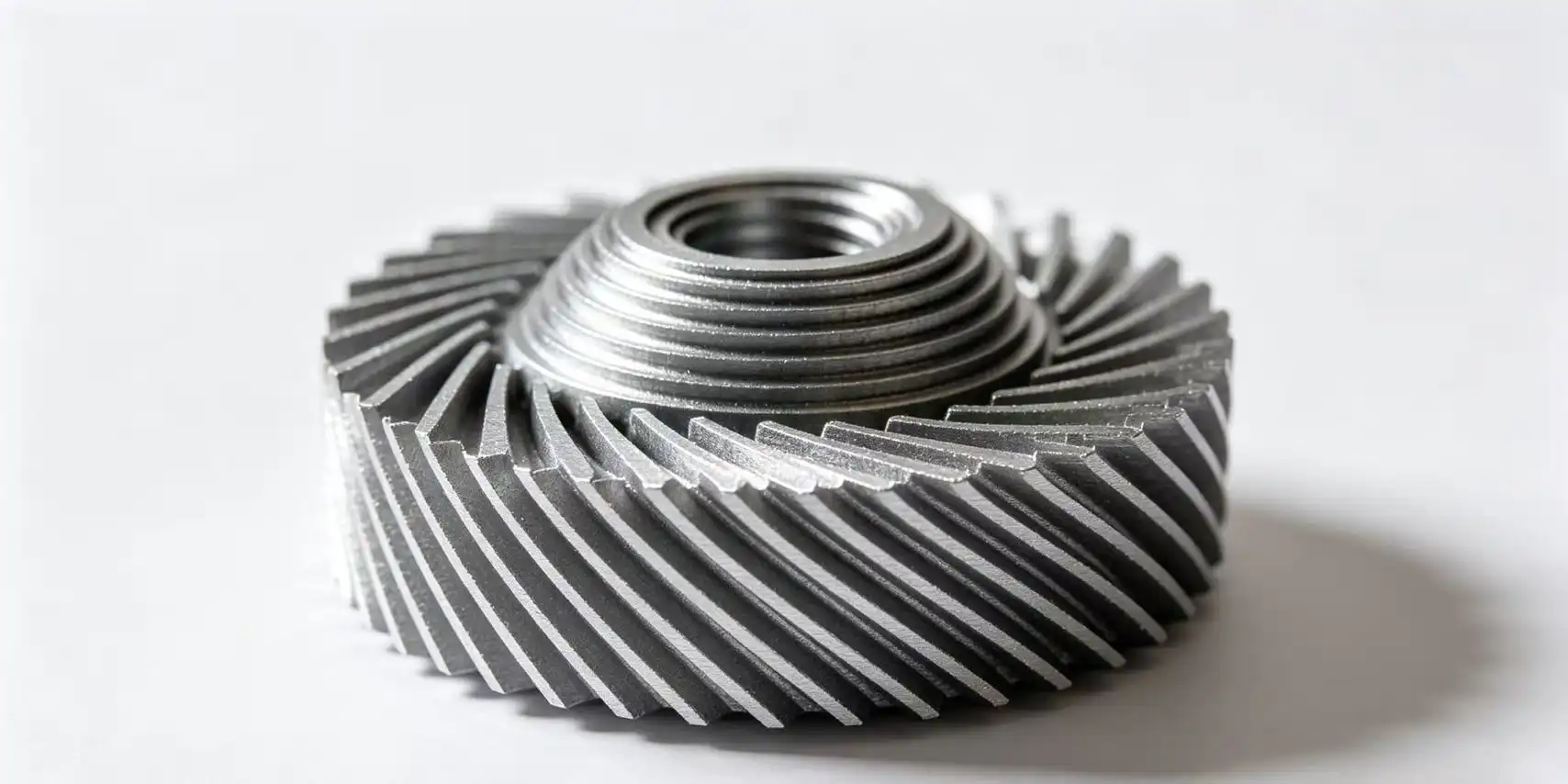
Comparing SLA, SLS, and SLM: Performance, Capabilities, and Limitations
Understanding the performance characteristics of each technology allows for better alignment with specific project demands and corporate objectives.
Precision and Surface Quality Analysis
SLA provides excellent surface finish quality directly from the printer, with surface roughness values often less than 1 micron Ra and typical layer lines hardly noticeable. For visual prototypes and beautiful models, its outstanding finish minimizes the need for post-processing. However, since certain photopolymer materials are fragile, the technology has to be handled carefully.
Because SLS is a powder-based process, it generates parts with somewhat rougher surfaces and usually requires little post-processing, such as media blasting, for better aesthetics. Surface texture issues are offset by the intrinsic strength of sintered nylon components, especially in utilitarian applications where mechanical performance is more important than aesthetics.
Out of the three methods, SLM produces components with qualities similar to those of wrought metals and achieves the best mechanical strength. The properties of the powder and the laser settings affect the surface quality, which often necessitates machining for precise measurements and smooth surfaces.
Production Speed and Scalability Considerations
Depending on the size requirements and part complexity, build time varies greatly across technologies. Layer height and cross-sectional area determine how long SLA processing takes. Typical vertical build speeds range from 10 to 50 mm per hour. Smaller batches of intricate items are better suited for this technique than large-scale manufacturing.
Because several pieces may be effectively packed inside the powder bed without the need for support structures, SLS technology in 3D printing provides benefits in batch production. In 3D printing, build speeds are generally between 10 and 30 mm per hour and are dependent on layer thickness and laser power. For medium-sized manufacturing runs, 3D printing technology scales effectively.
Because SLM demands precise heat control and full powder melting, it takes the longest to process. Depending on the density of the material and the component, build speeds might vary from 5 to 20 mm per hour. However, lengthier processing periods are often justified by the high value of metal components.
Cost Structure and Investment Requirements
SLA systems provide the lowest entry point for professional applications, while equipment prices vary significantly between technologies. Although customized formulations fetch higher pricing, photopolymer resin material expenses are generally a modest continuous expenditure.
Due to the need for laser power and powder management equipment, SLS systems demand a larger initial expenditure. The cost of nylon powder is comparatively constant, and the benefit of powder recyclability greatly reduces material waste.
Because SLM systems need complex laser systems, inert gas handling, and powder management equipment, they require the most capital expenditure. Despite the high value of completed parts, metal powder prices are substantial continuing expenditures that can provide positive economics for certain applications.
Matching 3D Printing Technologies to Your Business Needs
It is necessary to carefully consider application requirements, production quantities, and performance expectations across various industrial sectors when choosing the best additive manufacturing technology.
Automotive Industry Applications
The automobile industry has a wide range of needs, from low-volume manufacturing and functional testing to concept validation. Design verification, interior component prototypes, and lighting housing development—where surface polish and visual correctness are crucial—benefit greatly from SLA. Rapid iteration cycles, which are necessary for competitive product development timescales, are made possible by the technology.
Functional validation requirements for engine components, under-hood components, and structural elements needing mechanical durability are met by SLS technology. Complex interior geometries typical of automotive applications are made possible by the ability to create components without support structures, while nylon materials provide chemical resistance against vehicle fluids.
Specialized automotive applications requiring metal components are served by SLM, especially in the development of electric vehicles where robust but lightweight components optimize range. SLM-produced titanium and aluminum alloys allow for weight-loss techniques without sacrificing structural integrity.
Medical Device and Healthcare Solutions
Strict adherence to regulations and high standards of quality are required in the production of medical devices. Ergonomic testing and design validation for surgical tools and patient-specific devices are made possible by SLA technology's support for biocompatible prototypes with approved resins. For complex medical components that need precise tolerances, the precision capabilities are crucial.
Medical applications that need for sterile materials and functioning test samples are addressed by SLS 3D printing. Nylon components have mechanical qualities appropriate for testing fixtures and prosthetic parts, and they can endure sterilizing processes. Complex geometries that are often needed in the creation of medical devices are supported by the technology.
Using titanium alloys that encourage osseointegration, SLM technology transforms the manufacturing of medical implants. An important improvement over conventional manufacturing techniques is the ability to design patient-specific implants with internal lattice structures that maximize weight and biological compatibility.
Aerospace and Defense Requirements
Outstanding strength-to-weight ratios, regulatory compliance, and performance dependability in harsh environments are requirements for aerospace applications. SLA provides wind tunnel testing and design verification models where aerodynamic performance is influenced by surface quality and dimensional precision. Rapid design iterations, which are necessary for aerospace development cycles, are made possible by the technology.
For cabin components, brackets, and non-critical structural elements where weight reduction and complicated geometries provide benefits over conventional manufacture, SLS technology offers working prototypes. Advanced nylon composites' material qualities allow for design flexibility while satisfying a number of aircraft standards.
Critical aerospace applications that need for certified metal components are addressed by SLM technology. SLM-produced titanium and Inconel parts have qualities that make them appropriate for structural brackets, engine parts, and lightweight substitutes for machined parts, often with better performance attributes.
Procurement Insights: Buying vs Outsourcing in 3D Printing
Strategic procurement decisions regarding additive manufacturing capabilities require careful evaluation of internal capabilities, volume requirements, and long-term business objectives.
In-House Equipment Investment Analysis
Acquiring in-house additive manufacturing capabilities offers control over production schedules, intellectual property protection, and the ability to iterate rapidly without external dependencies. SLA systems provide the lowest barrier to entry, making them attractive for companies beginning their additive manufacturing journey or focusing on design validation activities.
The decision to invest in SLS equipment makes sense for organizations with consistent medium-volume requirements and the technical expertise to manage powder handling and post-processing operations. The technology requires dedicated facilities and trained operators but offers significant per-part cost advantages at appropriate volumes.
SLM system investment represents a major strategic commitment requiring substantial capital, specialized facilities, and expert personnel. Organizations considering this path typically have high-value applications, regulatory requirements favoring internal production, or strategic initiatives centered on additive manufacturing capabilities.
Service Provider Partnership Benefits
Outsourcing additive manufacturing provides access to multiple technologies without capital investment, enabling companies to evaluate different approaches before committing to specific equipment. Professional service providers maintain equipment at optimal performance levels while offering expertise in material selection, design optimization, and post-processing techniques.
Quality service providers offer advantages including bulk material purchasing power, established quality systems, and experience across diverse applications such as 3D printing. These capabilities prove particularly valuable for companies exploring additive manufacturing or requiring occasional access to specialized technologies like SLM.
Risk mitigation represents another significant advantage of outsourcing, as service providers absorb equipment obsolescence risks, maintenance costs, and technology evolution challenges. This approach enables organizations to focus resources on core competencies while accessing cutting-edge manufacturing capabilities.
Supplier Selection Criteria
Evaluating potential service providers requires assessment of technical capabilities, quality certifications, and business stability. Key considerations include equipment portfolios, material options, post-processing capabilities, and quality management systems relevant to specific industry requirements.
Communication capabilities and project management expertise significantly impact partnership success. Providers demonstrating clear communication channels, proactive project updates, and collaborative problem-solving approaches typically deliver superior results and long-term value.
Geographic proximity and logistics capabilities influence delivery times and shipping costs, particularly for iterative development projects requiring rapid turnaround. Balancing cost considerations with service quality and delivery performance ensures optimal supplier relationships.
Our Expertise in 3D Printing Solutions
BOEN Prototype stands as a trusted partner in advanced additive manufacturing, delivering comprehensive solutions across SLA, SLS, and SLM technologies. Our extensive experience serving automotive OEMs, medical device manufacturers, aerospace companies, and consumer electronics developers provides deep understanding of industry-specific requirements and quality standards.
Our technical capabilities span the complete spectrum of additive manufacturing technologies, enabling optimal technology selection for each unique application. Whether projects require the precision of SLA for detailed prototypes, the versatility of SLS for functional parts, or the strength of SLM for metal components, our expertise ensures successful outcomes.
The integration of additive manufacturing, including 3D printing, with our comprehensive prototyping services, including CNC machining, injection molding, and vacuum casting, provides clients with complete product development support. This holistic approach enables seamless transitions from initial concepts through production-ready designs while maintaining consistency in quality and communication.
Our commitment to rapid turnaround times, competitive pricing, and exceptional quality has established long-term partnerships with industry leaders across multiple sectors. Technical consultation services help clients navigate technology selection, design optimization, and material choices to achieve optimal results for their specific applications.
Quality management systems ensure consistent results meeting strict industry standards, while our experienced team provides guidance throughout the entire development process. From initial concept evaluation through final part delivery, BOEN Prototype delivers the expertise and reliability essential for successful product development initiatives.
Conclusion
The choice between SLA, SLS, and SLM 3D printing technologies ultimately depends on balancing performance requirements, material needs, and economic considerations specific to each application. SLA excels in high-precision prototyping with exceptional surface quality, SLS provides versatility and functionality for complex geometries, while SLM delivers production-grade metal components with superior mechanical properties. Understanding these fundamental differences, along with careful evaluation of in-house versus outsourcing strategies, enables informed decisions that optimize both technical outcomes and business objectives. Success in additive manufacturing requires not just technology selection, but partnership with experienced 3D printing providers who understand industry requirements and can deliver consistent, high-quality results that support your product development goals.
FAQ
1. Which technology offers the best surface finish quality?
SLA technology consistently delivers the smoothest surface finish among the three options, with layer lines often barely visible and surface roughness values below 1 micron Ra. This exceptional quality makes SLA ideal for visual prototypes, aesthetic models, and applications where appearance matters. SLS produces slightly rougher surfaces due to its powder-based process, while SLM surface quality varies depending on powder characteristics and may require post-machining for critical surfaces.
2. How do material costs compare across these technologies?
Material costs vary significantly based on technology and application requirements. SLA photopolymer resins offer moderate ongoing costs with specialty formulations commanding premium prices. SLS nylon powders provide cost advantages through recyclability, reducing material waste substantially. SLM metal powders represent the highest material costs but deliver exceptional value for high-performance applications requiring metal properties.
3. What factors should influence the decision between buying equipment or outsourcing?
Key considerations include production volume consistency, capital availability, technical expertise requirements, and strategic importance of additive manufacturing to your business. In-house equipment provides schedule control and IP protection but requires significant investment in equipment, training, and facilities. Outsourcing offers access to multiple technologies without capital commitment while providing expert support and risk mitigation.
4. Which technology works best for complex geometries?
SLS excels for complex geometries due to its ability to produce parts without support structures, enabling intricate internal features and overhanging elements. SLA can achieve complex shapes but requires careful support design and removal. SLM handles complex metal geometries well but may need support structures for overhangs, with the added benefit of producing fully dense metal parts with exceptional mechanical properties.
Partner with BOEN Prototype for Advanced 3D Printing Solutions
BOEN Prototype delivers comprehensive additive manufacturing expertise across SLA, SLS, and SLM technologies, supporting your product development from initial concept through production-ready parts. Our experienced engineering team provides technology selection guidance, design optimization recommendations, and rapid turnaround times that accelerate your development cycles while maintaining exceptional quality standards. As a leading 3D printing supplier, we combine cutting-edge equipment with deep industry knowledge to deliver results that exceed expectations. Contact our team at contact@boenrapid.com to discuss your specific requirements and discover how our advanced manufacturing capabilities can transform your product development process.
References
1. Gibson, Ian, David Rosen, and Brent Stucker. "Additive Manufacturing Technologies: 3D Printing, Rapid Prototyping, and Direct Digital Manufacturing." Springer Science & Business Media, 2021.
2. Ngo, Tuan D., et al. "Additive Manufacturing: Current State, Future Potential, Gaps and Needs, and Recommendations." Journal of Manufacturing Science and Engineering, 2018.
3. Wohlers, Terry, and Tim Caffrey. "Wohlers Report 2022: 3D Printing and Additive Manufacturing State of the Industry." Wohlers Associates, 2022.
4. Bourell, David L., et al. "Materials for Additive Manufacturing." CIRP Annals - Manufacturing Technology, 2017.
5. Kruth, Jean-Pierre, et al. "Consolidation Phenomena in Laser and Powder-Bed Based Layered Manufacturing." CIRP Annals - Manufacturing Technology, 2007.
6. Sing, Swee Leong, et al. "Laser and Electron-Beam Powder-Bed Additive Manufacturing of Metallic Implants: A Review on Processes, Materials and Designs." Journal of Orthopaedic Research, 2016.

How Can We Help?

Your Trusted Partner in Rapid Manufacturing.