Data Center Optical Interconnects: 2026 Technology Trends and Procurement Guide
Optical interconnects are now essential for high-speed transmission because data centers are changing to meet bandwidth needs that have never been seen before. These high-tech parts make it possible for data to move smoothly between edge networks, hyperscale facilities, and cloud computing settings. More and more, advanced CNC machining techniques are used to make housings, brackets, and precise alignment structures for optical interconnects. These techniques provide the tight margins needed for the best signal integrity. Understanding the technology trends that will shape 2026 and making good buying plans can help your company do well in a world that is changing quickly.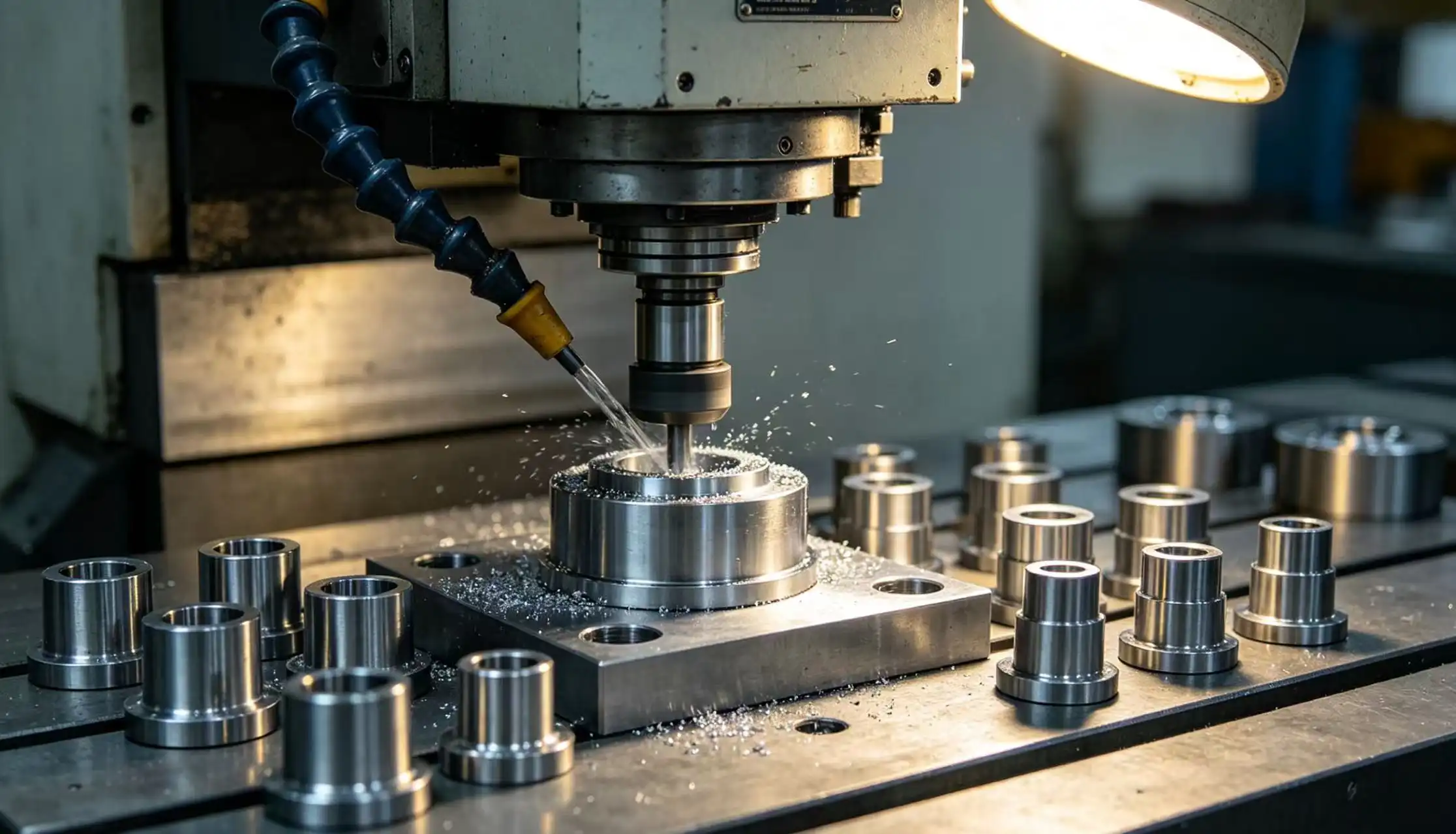
Understanding Data Center Optical Interconnects: Fundamentals and Evolution
Data center optical interconnects are the main ways that data gets sent between computers, switches, and storage systems. Instead of electrical currents, they use light signs. This technology solves the main problem of moving huge amounts of data at speeds that copper lines can't handle.
From Copper to Optical: The Technology Shift
Copper-based interconnects have been the norm in data centers for decades because they are easy to set up and use. But as the need for speed grew beyond 100 gigabits per second, copper's physical limits became clear. Signal loss over long distances, electromagnetic interference, and heat buildup all caused problems that optical solutions neatly fixed. Optical cables send information as light, which means there is no electrical resistance and the signal can be sent over longer distances without losing quality. This change has completely changed how we design network systems in modern buildings.
Types of Optical Interconnects and Their Applications
There are different optical interconnect types that can be used in different application situations. MPO/MTP (Multi-fiber Push-On/Multi-fiber Termination Push-On) links group several fibers into a small space. They allow for parallel transmission topologies that work well with spine-leaf network designs. QSFP (Quad Small Form-factor Pluggable) modules put transceivers right into switch ports, making it easy to do repair work by letting you swap them out while they're still hot. New Active Optical Cables (AOC) blend fiber and transmission technology into a single assembly. This makes installation easier while still meeting performance standards.
Precision Manufacturing Requirements
Extreme accuracy is needed for the mechanical parts that support optical interconnects. To keep signals from being lost at connection points, alignment plates, connector housings, and mounting mounts must all stay within micron-level standards. For reliable production of these parts, subtractive manufacturing methods using computer-controlled tools have become necessary. How well you can make special materials like ceramic ferrules, titanium housings, and precision-engineered plastics has a direct effect on how reliable the whole optical route is.
Key 2026 Technology Trends Impacting Optical Interconnects
The optical connection industry is constantly coming up with new ideas because bandwidth needs are always growing and new applications are being created. The market will be shaped by a number of major trends through 2026 and beyond.
Ultra-High-Speed Standards: 400G, 800G, and Beyond
Network engineers now usually ask for 400-gigabit Ethernet links for backbone infrastructure, and companies that want to be ahead of the curve are testing 800G implementations. Not only do these speed improvements need better optoelectronics, but they also need more advanced mechanical systems to keep signals safe and control heat. Connector designs need to be able to handle more power loss while also keeping sensitive light parts safe from the outside world. Many times, multi-axis CNC machining is needed to make the housings and heat sinks that hold these units in place so that they have complicated geometries that improve both airflow and structural rigidity at the same time.
Co-Packaged Optics and Photonic Integration
Co-packaged optics are a big change because they put optical transceivers next to switch ASICs instead of at the faceplate. By shortening electrical paths, this design cuts power use and delay by a huge amount. To make these combined packages, we need to find new ways to deal with thermal surfaces, mechanical security, and electromagnetic shielding. The base of these next-generation units is made up of precise metal and clay parts made using advanced subtractive techniques.
Materials Science Advances
More and more, specialty materials are used to improve the performance of optical interconnects. Low-loss glass materials let signals travel farther without getting weaker, and improved ceramics keep their shape better over a wider temperature range. Using engineering polymers with carefully controlled optical qualities makes it easier to build waveguide devices that are integrated. To make parts out of these materials, you need manufacturing skills that can deal with their extreme hardness, brittleness, or chemical sensitivity while still meeting the strict standards needed for optical uses.
Software-Driven Quality Assurance
Automation changes how companies check the specs of optical connection components. Computer-controlled coordinate measuring tools check the accuracy of dimensions down to the sub-micron level, and automated optical inspection systems find flaws on the surface that human testers can't see. Adding software intelligence to all stages of the manufacturing process lowers the number of mistakes and speeds up the production process, giving companies that use these technologies a competitive edge.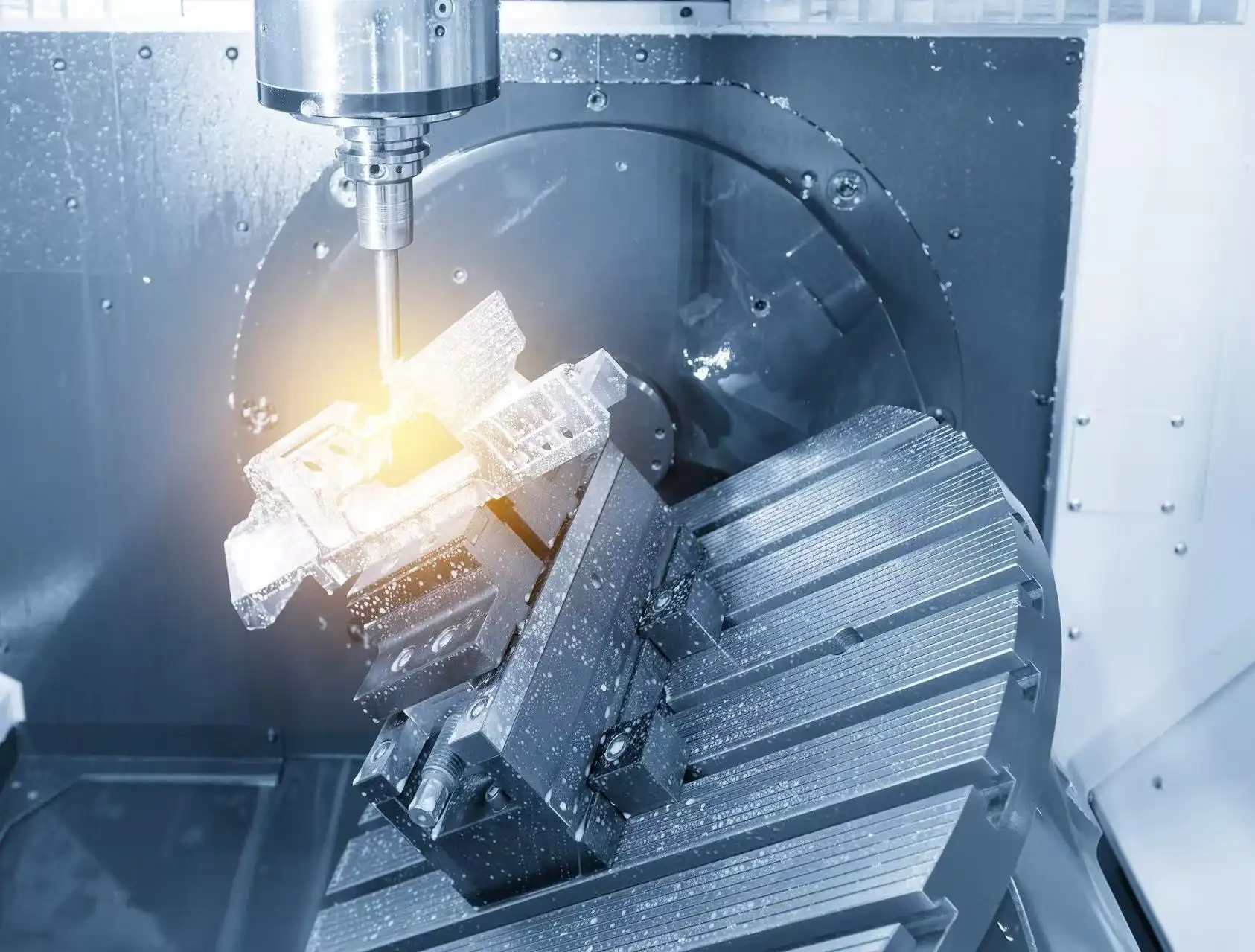
Procurement Guide: How to Choose and Source Optical Interconnects in 2026
Procurement strategies that work well balance the need for technical success with budget limits and supply chain issues. Because optical connection systems are so complicated, evaluating vendors and choosing parts needs to be done in an organized way.
Defining Your Technical Requirements
A good buying process starts with developing clear specifications. Network engineers need to be clear about how much bandwidth is needed, how far data needs to be sent, how many connectors are needed, and the working conditions of the environment. Specification mismatches can be avoided by knowing whether an application needs single-mode or multimode fiber, certain wavelength bands, or certain form factors. Mechanical interface standards are just as important, especially when putting together parts from different sources into one system.
Evaluating Manufacturing Capabilities
The ways that sellers make their products have a direct effect on the quality and accuracy of the parts they sell. Manufacturing companies that focus on making precise parts have skills that general providers can't match. When looking at possible partners, find out about their quality control standards, material certifications, and cutting limits. Advanced multi-axis equipment vendors can make complex shapes that easier manufacturing methods can't, which could lead to better performance or better integration.
Sourcing Strategy: Custom Versus Mass Production
Teams in charge of buying things have to decide between unique solutions and standard goods. When subtractive methods are used to make custom parts, they can be optimized for specific uses by meeting particular mounting needs, thermal control needs, or integration limits. With this method, you can make unique goods or use them in specific ways that off-the-shelf options can't do well. On the other hand, mass production of standard parts can save money and speed up lead times if the specs match up with current product lines.
Lead Time and Supply Chain Considerations
The supply of parts has a big effect on project timelines. Standard optical modules can be shipped within a few weeks, but special mechanical parts may take longer to make, based on how complicated they are and what materials are chosen. Having ties with factory partners whose capacity is flexible can help keep the supply chain running smoothly. Companies that work with a lot of different industries are usually more resilient than companies that only work with a few sectors. This is because they can change how they allocate their capacity across customer bases when demand changes.
Integrating CNC Machining Excellence in Optical Interconnect Manufacturing
CNC machining is now an important part of making optical link components because it can do things that other ways of making things can't. This automatic subtractive process takes blocks of raw material and shapes them into exact shapes using tool paths that are set by CAD models and are carried out very exactly.
The CNC Process for Optical Components
The first step in making optical interconnect mechanical parts is choosing the right material based on how well it works. For example, aluminum alloys are good for making housings that are light, stainless steel is good for sturdiness, titanium is good for aircraft uses, and special plastics are good for keeping electricity away. The stock of materials is then put in multi-axis cutting centers that can work on more than one surface at the same time. Cutting tools remove material based on directions that are written into them. This makes features such as mounting holes, alignment channels, and thermal interface surfaces. High-pressure cooling systems control the amount of heat that is made during cutting, which stops thermal warping that would make the measurements less accurate.
Tolerance and Surface Finish Critical Factors
When making optical interconnects, you need to be very precise. Tolerances of less than five thousandths of a millimeter are often needed for alignment features that keep fibers concentrically aligned with each other. Specifications for the surface finish make sure that the seal works properly, keep light from spreading at optical contacts, and make sure that the parts can be mechanically engaged reliably. To meet these standards, you need more than just good tools. You also need to know how to choose the right cutting settings, tools, and fixturing techniques. Adding in-process measurement tools lets you check and make changes in real time, which stops whole production runs from going outside of the acceptable ranges.
Advantages Over Alternative Manufacturing Methods
When compared to casting or shaping, subtractive production gives you more control over the dimensions and more consistent material properties. Cast parts might have holes or other things in them that weaken the structure, and molded plastics have different properties in different directions depending on how they move. Machined parts have the same material properties all the way through their bulk. Because programmed control is flexible, it's possible to make quick changes to designs without having to buy new tools. This speeds up the development of prototypes, which is important for new technology uses.
Industry Adoption of Advanced Equipment
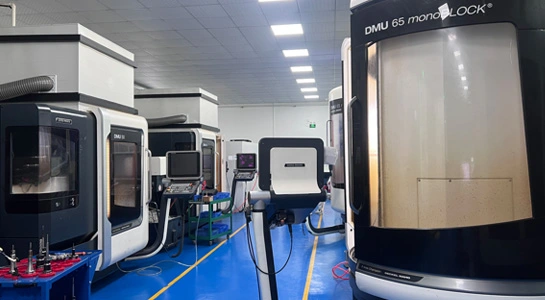
Five-axis machining centers that can do complicated contour operations in a single setting are being used more and more in the optical interconnect manufacturing sector. This equipment gets rid of repositioning mistakes and makes it possible to do shapes that can't be done with three-axis methods. The shops that use these methods see real improvements in the quality and efficiency of their work. Professional production settings are also different from less advanced ones because they follow strict safety rules when they machine titanium and aluminum.
Future Outlook and Strategic Recommendations for B2B Buyers
The world of optical interconnects will continue to change quickly as the need for data grows and new types of applications appear. The capabilities of a company will change over the next ten years based on the strategic buying decisions made today.
Emerging Technology Integration
Machine learning and AI algorithms are starting to make optical network setups more efficient by changing signal settings and routing based on how traffic is moving in real time. These improvements in software make it necessary for hardware to be more flexible and have better tracking tools. Premium placement will be given to interconnect components that have built-in sensors and other smart features. When setting up relationships with vendors and defining parts, procurement strategies should take these clever infrastructure needs into account.
Sustainability and Material Innovation
Environmental factors are becoming more and more important in all areas of technology when people are buying things. Companies that make optical interconnects can stand out from their competitors by using reusable materials, fewer dangerous chemicals, and more energy-efficient production methods. New materials that improve performance while having less of an effect on the environment are places that show a lot of potential for growth. When buyers care about the environment, they should look at more than just standard performance measures. They should also look at environmental certifications and material lifecycle factors.
Building Resilient Supply Partnerships
In the past few years, problems in the supply chain have shown how weak single-source buying methods are. Diversifying your source relationships across different areas and ways of making things lowers your risk while still giving you access to specialized skills. Forming partnerships with makers that work with more than one industry makes you more resilient because these companies usually have more capacity and material sourcing choices. Long-term partnerships make it easier for people to share their knowledge, which helps producers predict needs and come up with new solutions that are in line with strategic goals.
The best ways to buy things are those that find a mix between using new ideas and managing the supply chain in a useful way. Putting some of your component budgets toward new technologies helps you stay competitive while keeping your core infrastructure reliable through relationships with suppliers you already have. By talking to factory partners on a regular basis about strategy updates and capacity planning, organizations can make sure that their needs are met by their suppliers.
Conclusion
The optical link industry is at a turning point where manufacturing technologies, bandwidth needs, and integration designs all come together to change the way data centers are built. Companies that are good at managing this environment know that getting parts is more than just buying products; it also means building smart partnerships with specialized manufacturers. Precision production, especially advanced subtractive methods such as CNC machining, make it possible for current optical systems to have the tight tolerances and complicated geometries they need. In 2026, procurement teams need to find a balance between adopting new technologies and making sure the supply chain is stable. They also need to build relationships with partners who show they can be both technically excellent and operationally flexible.
FAQ
What advantages does CNC machining offer for optical interconnect manufacturing?
The micron-level tolerances that optical components need for proper alignment and signal integrity are achieved by subtractive production methods. Unlike casting or molding, these methods keep the material properties the same throughout the parts while letting you make quick changes to the design. Because it is automatic, there is less room for mistake and the process can be used over and over again, no matter how many are made, from prototypes to mid-scale production runs.
How should procurement teams evaluate potential optical interconnect suppliers?
Evaluations should look at more than just the specs of the parts. Look into the company's producing skills, such as how advanced their equipment is, how they control quality, and whether their materials are certified. Look at the vendor's experience in similar businesses and how flexible their capacity is when demand changes. Ask for sample parts to check the dimensions and see how well they can be communicated with, because working together on difficult technical goods all the time is necessary.
What lead times should organizations expect for custom optical interconnect components?
Timelines are very different depending on how complicated the plan is and what materials are chosen. Standard test machining usually takes two to three weeks after the design is approved. Production numbers, on the other hand, usually take four to six weeks because of the time it takes to get the materials and do the different steps needed to make the product. Framework deals with manufacturing partners can shorten the time it takes to get an order because they can pre-allocate capacity and make the approval process easier.
Partner with BOEN Prototype for Precision Optical Component Manufacturing
Optical connection systems need manufacturing partners who know both the technical needs of photonic uses and how important it is to get new technologies up and running quickly. BOEN Prototype specializes in making precise parts and works with companies that make data center equipment, telecom companies, and system designers who need custom housings, frames, and alignment structures. Our advanced CNC machining services can meet the tight tolerances needed for optical uses, whether you need a fast prototype to test your design or low-volume production to help your product launch. We know a lot about aluminum, stainless steel, titanium, and industrial plastics, so we can help you choose the best material for your needs in terms of heat, strength, and electric fields. As an experienced CNC machining seller, we help our clients all the way through the product creation process by ensuring quality and speed. Email our engineering team at contact@boenrapid.com to talk about how our production skills can help you meet your needs for optical interface components.
References
Optical Internetworking Forum, "400ZR Implementation Agreement," OIF Technical Specifications, 2021.
Institute of Electrical and Electronics Engineers, "IEEE 802.3 Ethernet Working Group 800 Gigabit Ethernet Study Group Reports," IEEE Standards Association, 2023.
Bergman, K. et al., "Photonic Network-on-Chip Design Considerations for Future Data Center Architectures," Journal of Optical Communications and Networking, Vol. 15, 2023.
International Data Corporation, "Worldwide Data Center Network Infrastructure Forecast, 2024-2028," IDC Market Analysis Report, 2024.
American Society of Mechanical Engineers, "Dimensional Metrology Standards for Precision Optical Component Manufacturing," ASME Y14.5 Standards Committee, 2022.
Telecommunications Industry Association, "TIA-942-B Data Center Standards and Guidelines for Optical Infrastructure," TIA Technical Publications, 2023.

How Can We Help?

Your Trusted Partner in Rapid Manufacturing.