CNC Machining for Optical Communication Hardware: Key Design Constraints
One of the hardest parts of modern manufacturing is making optical transmission gear, where microns can mean the difference between success and failure. Engineers have to deal with problems that have never been seen before when making parts like fiber optic links, beam splitters, and laser housing systems. These problems need special ways to be manufactured. For the production of optical transmission gear that satisfies these strict specifications, precision CNC machining services have appeared as the go-to option. At BOEN Prototype, we've seen how paying attention to design limits can turn theoretical specifications into working, high-performance optical parts that keep signals intact and reduce transmission loss in a wide range of situations.
Understanding Optical Communication Hardware Design Constraints
The Critical Role of Micro-Scale Alignment
The idea behind optical communication systems is that light messages must move along paths that are perfectly lined up and don't go off track. A signal can be greatly affected by even a small shift of a few micrometers. This fact puts a lot of pressure on companies that make parts. For example, the light lines inside transceivers need to be able to stay in place within ±2 micrometers or better. This level of accuracy can't be reached with traditional manufacturing methods. During testing, some projects have failed because the machining partners didn't realize how small tolerances on multiple component connections would add up.
Material Selection and Its Machining Implications
The choice of material has a huge effect on both how well it works optically and how easy it is to make. Aluminum metals like 6061-T6 are popular for making optical housings because they are good at transferring heat and aren't too hard to make. Titanium alloys are very strong for their weight and don't rust, which is very important for telecoms equipment that is used in harsh settings. Grades of stainless steel like 316L keep their shape very well when the temperature changes. Each material has its own problems when it comes to machining: titanium's low thermal conductivity concentrates heat at cutting edges, speeding up tool wear; aluminum's softness can make material stick to tools, lowering the quality of the surface; and stainless steel's tendency to work-harden requires specific cutting techniques. Understanding how these materials behave is what makes good cutting stand out from great results.
Environmental and Operating Condition Considerations
Optical parts often have to work in tough conditions with changing temperatures, high or low humidity, vibrations, and toxic air. When parts need to stay aligned across temperature ranges from -40°C to +85°C, thermal expansion factors become very important. When two materials expand at different rates, stress points can form that make it harder for light to connect over time. Corrosion protection is important for outdoor transmission gear and uses that are subsea. Protective layers can be added by anodizing, passivation, or special coats on the surface, but these steps need to be planned during the early stages of design. By taking external factors into account early on in the component specification process, we've helped clients avoid expensive redesigns and made sure that finished parts keep their accuracy throughout their useful life.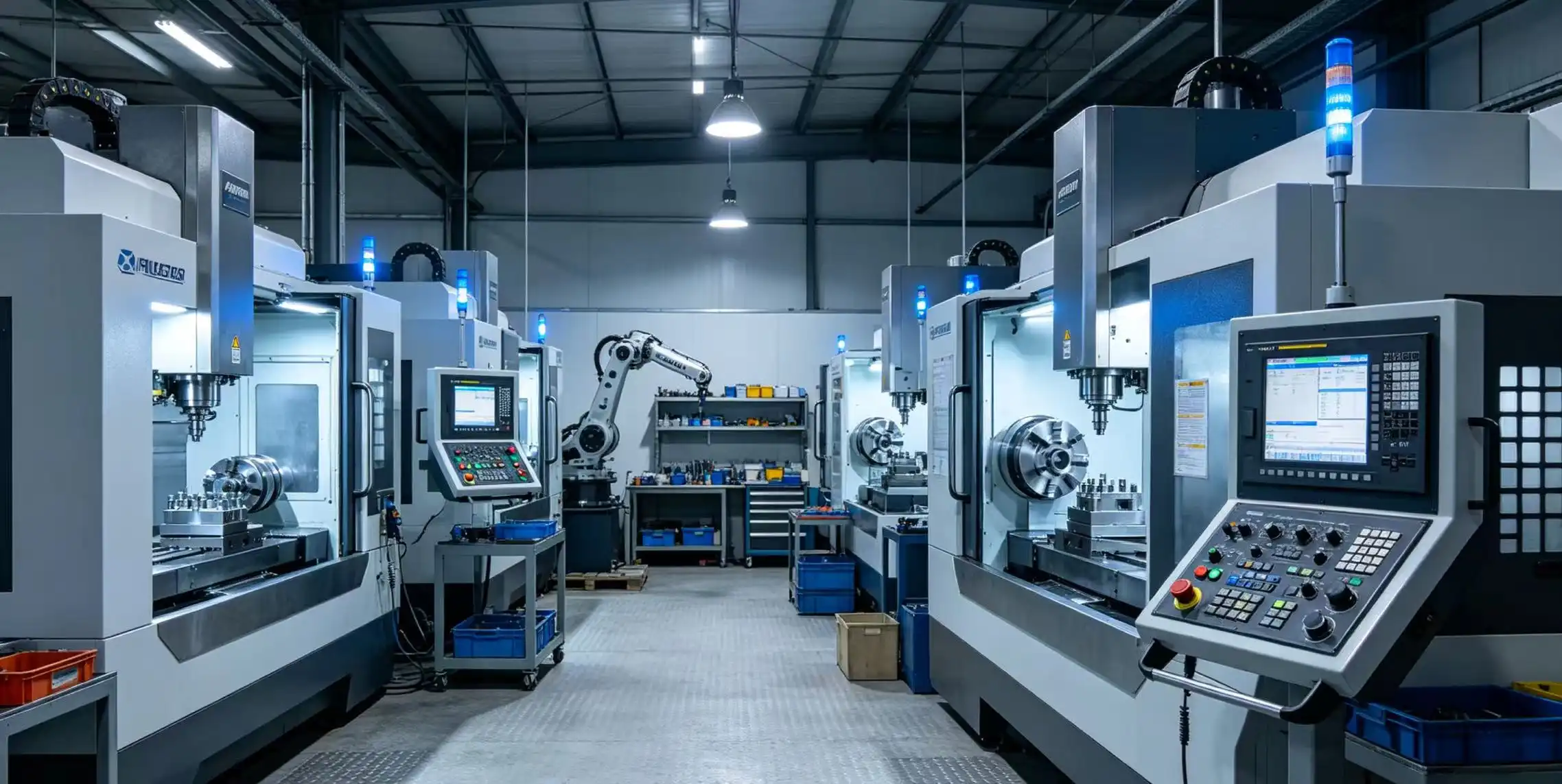
Precision CNC Machining: Meeting the Demands of Optical Communication Hardware
What Differentiates Precision CNC from Standard Machining
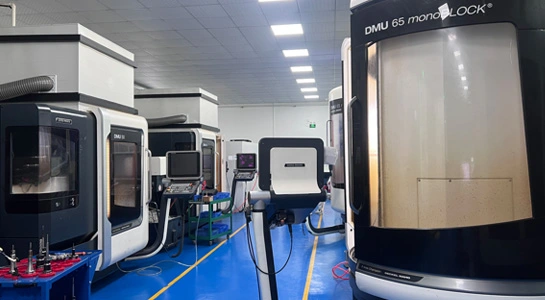
Standard CNC machining usually gets limits of about ±0.005 inches (±0.127 mm), which is good enough for many industry uses. But precision CNC machining services are a whole different ballgame. Tolerances of ±0.0005 inches (±0.0127 mm) or better are commonplace. For this tenfold growth to happen, you need special tools, environmental limits, and skilled operators. It's important for machines to be stiff, stable at high temperatures, and free of vibrations. We keep climate-controlled cutting areas where temperature changes are limited to ±1°C. This stops thermal expansion that would make measurements less accurate.
Advanced Methods for Making Optical Components
Specialized machining methods are needed to get the very tight tolerances needed by optical transmission gear. Cutting tools used in micro-milling can have a width of as little as 0.1 mm. This makes it possible to make complex features like tiny alignment lines and precise mounting surfaces. Electrical Discharge Machining (EDM) is great at making complicated shapes out of hardened materials without using cutting forces that could cause stress. Wire EDM makes very exact internal features and slots with very little room for error, which are needed for fiber optic alignment systems. Laser-assisted machining uses both heat and cutting to work with tough materials like ceramics and sharpened steels that are used in specific optical applications. These new techniques add to standard milling and turning processes, making a full set of capabilities.
Multi-Axis Machining Capabilities and Surface Quality
Modern 5-axis CNC machining centers change the way optical components are made by allowing access to complicated geometries in a single setup. This gets rid of the positioning mistakes that come with processes that involve multiple operations. This feature is very helpful when making optical surfaces with angles, complex curves, and parts that need exact angular connections between features. Quality of the surface finish has a direct effect on visual performance; rough surfaces scatter light, which weakens signals and adds noise. We often get surface finishes that are less than 0.4 micrometers rough by using efficient toolpaths, the right cutting settings, and the right tools. This focus on surface quality gets rid of or greatly reduces the need for extra finishing steps. This cuts down on lead times and keeps standards tighter throughout production.
Key Design Constraints and How Precision CNC Addresses Them
Miniaturization Challenges in Optical Hardware
The constant push in the telecoms business for smaller, denser equipment makes it very hard to make things. Optical transceivers have gone from being big units to being very small, only a few millimeters across, but they still have to meet the same high performance standards. Specialized molding and fixturing techniques are needed to make tiny parts that are strong enough and fit together correctly. When thin-walled pieces are machined, they can bend, which could affect the accuracy of the dimensions. These forces are well controlled by advanced work-holding methods and optimized cutting settings.
Accuracy Demands and Measurement Verification
Optical transmission parts often have limits that are hard to measure with standard tools. Coordinate Measuring Machines (CMMs) with laser scanning tools check intricate shapes with accuracy of less than a millimeter. Optical comparators make it easy to quickly check the dimensions of important features. Surface profilometers measure the quality of the surface finish, making sure that standards are always met. We bought measurement equipment that is as accurate as the machines we use for cutting. This gives us proof that the parts we make meet the requirements. This strictness in measuring builds trust among engineering teams that count on regular quality parts to make products that work.
Surface Finish Quality and Reproducibility
Reproducibility is the difference between a successful pilot and a reliable production. A machining method that makes good parts in different ways causes problems with the supply chain and quality control. Statistical Process Control (SPC) methods keep track of changes in dimensions over multiple production runs. This lets changes be made before parts become out of specification. Machine settings, tools requirements, and quality records that are written down make sure that repeat orders get the same results. We've helped clients through the design approval, prototyping, and volume production stages, and the quality has stayed the same as the number of units made went from one sample to thousands.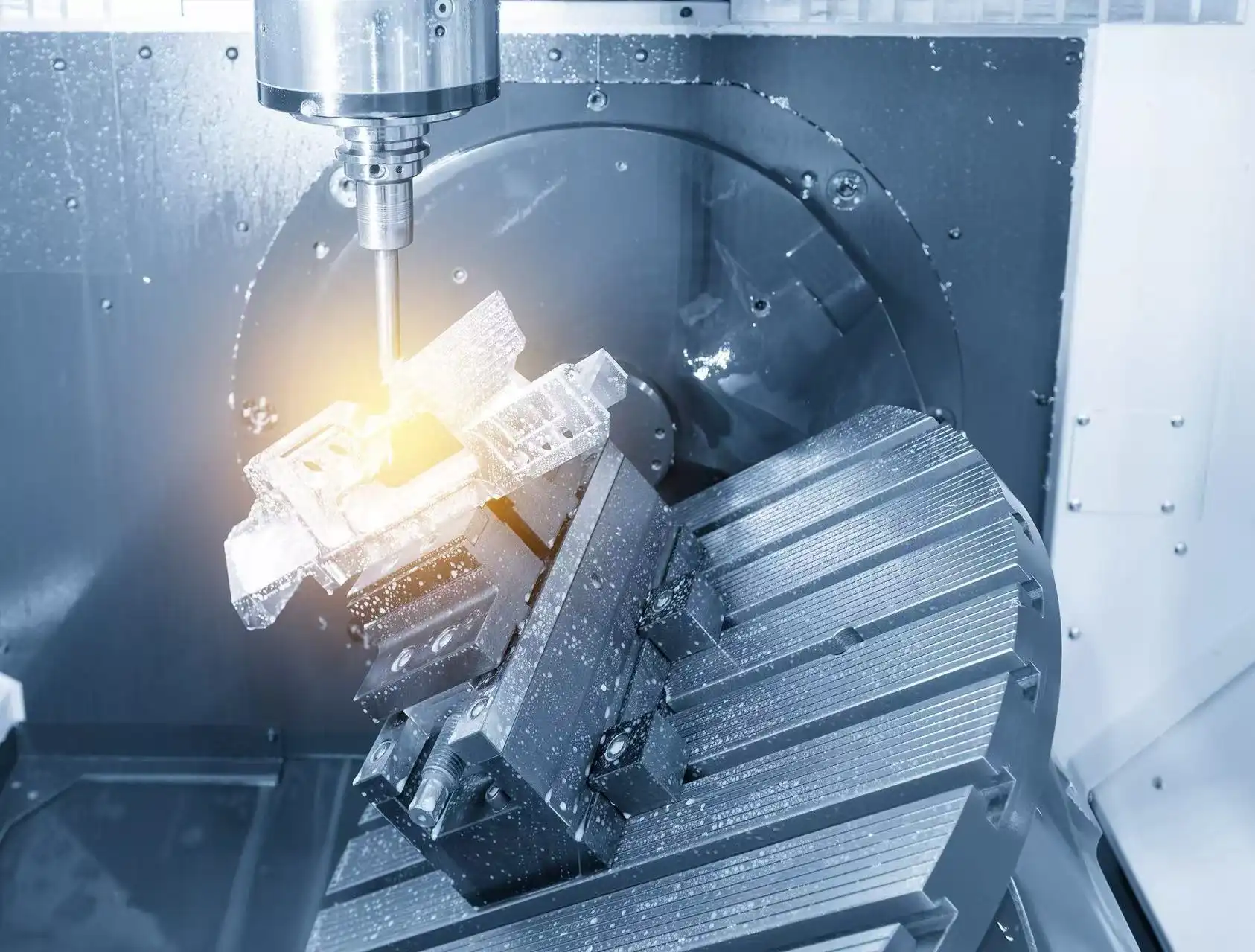
Selecting the Right Precision CNC Machining Service for Optical Communication Hardware
Understanding Your Procurement Scenario
During different stages of a job, different ways of making things are needed. When making a prototype, speed and flexibility are very important. You need partners who are skilled and can quickly change plans based on feedback from tests. For low-volume production, keeping quality standards high while also cutting costs is important. Economies of scale and efficient methods help with manufacturing that makes more things. Picking the right material also affects the choice of partner; not all precision CNC machining services are skilled in working with aluminum, titanium, stainless steel, and other metals. Lead time standards add another layer to the decision-making process. When you have a rush job, you need shops that can do it and are ready to work with your tight plan. On the other hand, standard timelines let you optimize for cost efficiency.
Critical Evaluation Metrics for Machining Partners
When looking at possible partners for making optical communication parts, there are a number of things that need to be carefully considered. Not just marketing claims should be used to check tolerances; potential studies and sample parts should also be used. You should look for written proof that the specific specs your parts need were met. Expertise in the materials you choose is very important. Ask about experience with those materials and ask for samples that show the quality of the surface finish. Industry certifications like ISO 9001 show that quality management systems are well-established. On the other hand, AS9100 or ISO 13485 licenses show that a company has experience making medical devices or flight products. Promised turnaround times should be based on reality and capacity plans. How responsive communication is during the quote process is often a good indicator of how responsive communication will be during production.
Flexibility, Scalability, and Customization Capabilities
Optical transmission hardware progress doesn't usually go in a straight line. When design changes, specifications are updated, or new information is found during tests, factory partners must be able to adapt quickly without lowering quality. Being able to smoothly increase or decrease production rates keeps supplies from going down as goods go from being developed to being sold. Customization lets you find ways to make things better. For example, a custom clamp could make accuracy better, or a changed toolpath could make the surface finish better. At BOEN Prototype, we've built our business around helping with product development throughout its entire lifecycle, from testing the initial idea to mass production. This way, you don't have to worry about moving manufacturing partners as the needs of the project change.
Future Trends in Precision CNC Machining for Optical Communication Hardware
Current Limitations and Emerging Solutions
Precision CNC machining services today has limits on how fast it can work, how precise it can be, and what kinds of materials it can work with. Cycle times for high-precision parts are still pretty long because of the careful cutting settings that are needed to keep accuracy. There are some geometry shapes that are too complicated for machines to cut. It is still hard to work with unusual materials like some metals and alloys. New tools are finding creative ways to work around these problems. Real-time sensor data is used by AI-driven process optimization to change cutting settings on the fly, keeping conditions at their best throughout machine cycles. Machine learning algorithms can predict how tools will wear, which lets you change tools before they wear out and stops dimensional shift.
Hybrid Manufacturing and Smart Tooling Systems
The geometric freedom of 3D printing is combined with the accuracy and surface quality of precision CNC machining services in hybrid additive-subtractive manufacturing. This method uses additive processes to make near-net shapes, and then key surfaces are machined to meet the end requirements. This approach cuts down on waste, speeds up production, and makes it possible to create internal shapes that aren't possible with regular cutting. Smart tooling systems with sensors keep an eye on cutting forces, sound patterns, and temperature conditions, which gives process awareness that has never been seen before. These systems look for problems that could affect the quality of the parts and let you fix them right away. We are looking into these tools to help us grow while still meeting the high standards of quality our clients expect.
Strategic Recommendations for Long-Term Planning
The optical transmission business is still changing quickly, thanks to growing network infrastructure and the need for more bandwidth. To increase their chances of success, businesses should find manufacturing partners that are willing to spend in new technologies and processes. Transactional vendor ties don't create as much value as collaborative agreements. By sharing roadmaps and plans for future products, production partners can make sure that the growth of their skills is in line with what you need. By involving partners early on in the design process, you can use their knowledge of how to make things to improve the designs of parts so that they can be made more cheaply and better. When you deal with suppliers in this strategic way, you gain competitive benefits that go far beyond the specs of individual parts.
Conclusion
Making optical transmission gear requires a unique mix of accuracy, knowledge of the materials, and process control. This is what sets truly exceptional partners apart from competent precision CNC machining services. Micro-scale tolerances, strict surface finish standards, material-specific challenges, and long-term performance in harsh environments are just a few of the design constraints that come with these uses. This means that manufacturing methods must be specifically designed for making optical components. Precision CNC machining services that understand these specific needs and have the tools, skills, and quality systems to give consistent results throughout the lifetime of a project are very helpful for companies that are making optical communication products.
FAQ
What materials work best for precision CNC machining of optical components?
Aluminum metals, especially 6061-T6, are great for many optical housings because they are easy to machine and have good thermal qualities. Titanium metals are strong for their weight and don't rust, making them perfect for tough jobs. Different temperature ranges don't change the size of stainless steel types like 303 and 316. The choice of material is based on certain performance needs, such as managing temperature loads, weather exposure, weight restrictions, and the need for stable optical alignment.
How do machining tolerances impact optical performance?
Machining errors have a direct effect on visual alignment, which controls the quality of the data and how well it is sent. Misalignments as small as a few micrometers can make fiber optic systems lose signals that can be monitored. Even tighter angular limits are needed for beam steering uses. The quality of the surface finish affects how light scatters and reflects. As long as the standards are met, the optical performance will be consistent across all output amounts.
What are the most important things to look for in a CNC milling provider?
More valuable than stated capabilities are tolerances that have been tested and backed up by measuring data. Material-specific knowledge shows that you know how to deal with problems that are unique to your component's needs. Quality management badges show that process rules have been set up. Being able to communicate clearly and provide technical help makes it easier to carry out a job. Being able to adjust to changes in design and changes in volume is an important part of product development processes.
Partner with BOEN Prototype for Your Optical Hardware Manufacturing Needs
Advanced optical transmission parts need production partners with scientific know-how, quality systems that have been shown to work, and quick customer service. BOEN Prototype offers a wide range of precision CNC machining services that are specifically designed to meet the needs of optical hardware uses. Our climate-controlled factories, high-tech multi-axis lathes, and strict quality control procedures make sure that all of our parts consistently meet specs, whether they are prototypes, low-volume items, or full-scale production runs. We help engineering teams in the aircraft, medical devices, consumer electronics, telecommunications, and car industries get their work done quickly and with a deep understanding of materials like aluminum, titanium, stainless steel, and special alloys. We can help you with your project with the accuracy and dependability that your uses need, whether you're making next-generation transceivers, fiber optic circuits, or laser system parts. Get in touch with our engineering team at contact@boenrapid.com to talk about your specific needs and find out how working with an experienced precision CNC machining services provider can help you speed up product development while ensuring the quality of your parts.
References
Singh, R. and Khamba, J.S. (2021). "Precision Manufacturing of Optical Communication Components: Challenges and Solutions." Journal of Manufacturing Processes, Vol. 67, pp. 412-429.
Thompson, M.K. and Moroni, G. (2020). "Design for Additive and Subtractive Manufacturing: Hybrid Approaches for Optical Hardware." CIRP Annals - Manufacturing Technology, Vol. 69, Issue 2, pp. 578-601.
Weinberg, L. and Patterson, S.R. (2022). "Material Selection Criteria for High-Precision Optical Mounting Systems." Optical Engineering, Vol. 61, No. 8, pp. 085101.
Chen, W.C., Kurniawan, D., and Tseng, P.C. (2019). "Advanced CNC Machining Technologies for Miniaturized Optical Components." International Journal of Advanced Manufacturing Technology, Vol. 105, pp. 2847-2863.
Jackson, M.J. and Robinson, G.M. (2023). "Surface Integrity in Ultra-Precision Machining of Optical Communication Hardware." Precision Engineering, Vol. 82, pp. 156-174.
Mueller, D.H. and Schmidt, J. (2021). "Quality Assurance Methodologies for Optical Component Manufacturing: Measurement and Process Control." Procedia CIRP, Vol. 103, pp. 219-224.

How Can We Help?

Your Trusted Partner in Rapid Manufacturing.