Passive vs Active Optical Components in Data Centers: Cost & Performance Breakdown
It is important to know the difference between passive and active optical components when looking at optical equipment for modern data centers. Active parts, like transceivers and optical amplifiers, need electricity to process and boost data, while passive parts, like fiber splitters and connections, handle light signals without any power. Choosing between these technologies has a big effect on both the cost of capital and the speed of operations. Using rapid prototyping during the design phase lets engineers quickly try housings for components, methods for managing heat, and ways of integrating them, making sure they work perfectly before starting mass production. Time-to-market is sped up and costly design mistakes are avoided with this iterative development method.
Understanding Passive and Active Optical Components
Defining Passive Optical Components
Passive optical parts work only with the physical qualities of light and don't need electricity to work. Fiber optic lines, splitters, couplers, and frequency division multiplexers are some of these. They are very reliable because they don't have any electrical parts that could break or get too hot. A lot of passive components are used in the backbone system of data centers, where signals are sent to many computers and racks. Because they last a long time, they are perfect for places that need little upkeep.
Defining Active Optical Components
Active optical components are basically different because they need electricity to work. Transceivers, optical amplifiers, and active optical lines change electrical signals to optical signals and optical signals to electrical signals. They also make signals stronger over long distances. These gadgets can do advanced things like regenerating signals, changing wavelengths, and checking on performance in real time with built-in tools. The electronics inside active components need to be carefully controlled when it comes to temperature and power, which adds to the infrastructure issues that need to be thought about.
Manufacturing Challenges and Prototyping Solutions
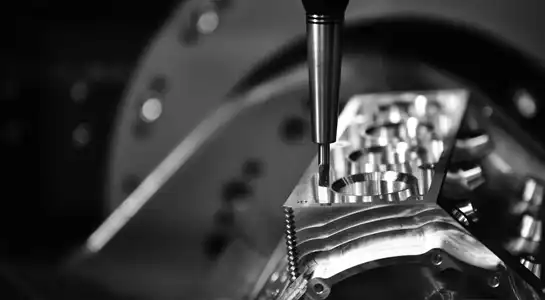
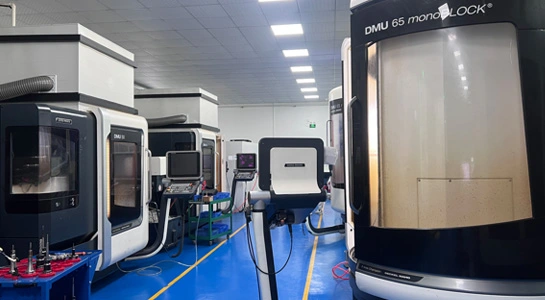
Both types of parts pose different problems when they are being made. To keep signal loss to a minimum, passive parts need to be precisely aligned and made of optical-grade materials. Active parts, on the other hand, need photonics and electronics to be integrated in small packages. During the creation process, modern makers use CNC machining and 3D printing to make housings, heat sinks, and mounting brackets. This method lets you make quick changes to mechanical designs by trying various materials, such as aluminum alloys and engineering plastics, to find the best ones for thermal performance and electromagnetic shielding before deciding on the final specs.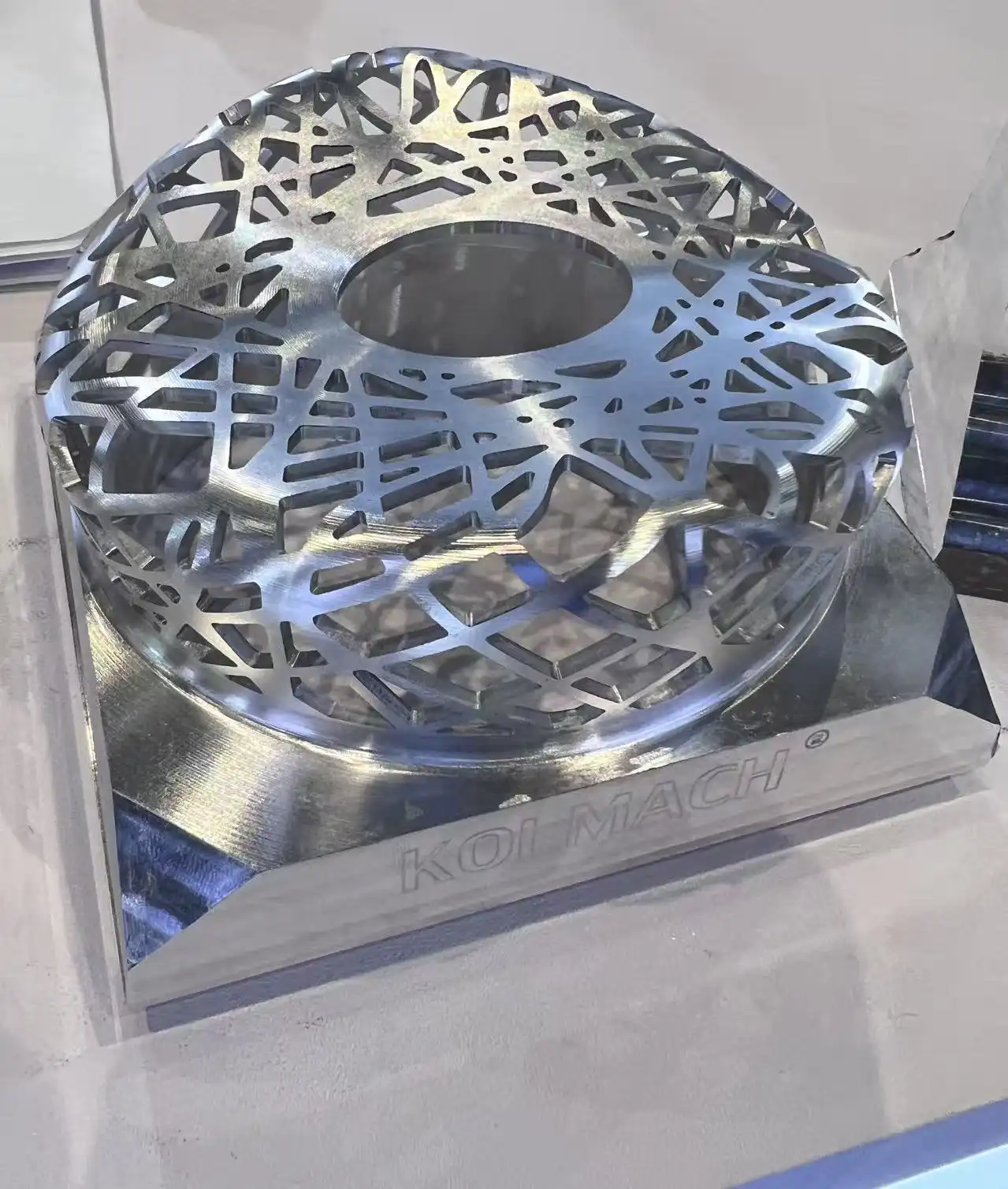
Cost Comparison Between Passive and Active Optical Components
Initial Procurement Investment
When compared to their active peers, passive optical components usually have lower initial costs. Making a fiber optic splitter or connector is pretty simple because it doesn't require a lot of different materials or computer parts. It costs more to make active components because they have more complex integrated circuits, laser diodes, photodetectors, and control electronics. However, this straight comparison makes the total value equation too easy to understand, since active components provide functions that can't be achieved with passive solutions alone.
Operational Expenditure Considerations
The amount of power used makes a big difference in the running costs. Passive parts don't use any power when they're working, and they don't add any heat to the cooling needs of the data center. Active parts constantly use power, which can be anywhere from a few milliwatts to several watts per device. Some of this energy is turned into heat that cooling systems have to get rid of. Over the years that these devices are in use, the costs of power and cooling add up a lot, especially when thousands of them are in hyperscale centers.
Maintenance and Replacement Economics
For each tool, the need for maintenance has a different effect on long-term financial planning. Under normal working conditions, passive parts don't break down very often and could work for decades without any help. Electronics in active components can be damaged by heat, changes in power, and over time losing their performance, so they need to be replaced on a regular basis. Companies need to plan for extra stock, training for technicians, and possible downtime during repairs. By trying temperature cycling, vibration resistance, and environmental tolerance before production, prototyping services help makers make more reliable active component designs. This leads to better field reliability and less upkeep work.
Performance Evaluation of Passive vs Active Components
Bandwidth and Signal Integrity
When made and placed correctly, passive components cause very little signal degradation. Insertion loss for a good fiber connection might be less than 0.5 decibel, which means that signal strength is kept very well. Passive splitters split optical light into set amounts without changing the way the signal works. Active parts can boost weak signals, fix chromatic dispersion, and rebuild damaged waveforms, which lets them be sent over long distances where passive systems would fail completely. This feature is very useful on big campuses or when connecting to the city area.
Latency and Processing Overhead
Signals travel through passive parts at the speed of light through fiber, with almost no processing delay—just the time it takes for light to travel the distance. As electronic circuits pick up incoming optical signals, process them, and then send the results back to the optical output, active components add quantifiable delay. Modern transceivers keep this delay to a few nanoseconds at most. However, latency-sensitive apps like high-frequency trading or real-time control systems need to take these microsecond-level differences into account when connecting multiple active devices.
Environmental Robustness and Reliability
Because they don't have active technology, passive components can handle more weather conditions better. They can handle changes in temperature, humidity, and pressure without losing any of their effectiveness. Active parts need to be kept in a controlled environment. Most of them have operating temperature ranges and humidity limits that, if exceeded, cause performance problems or breakdowns. Engineers can make safe housings with exact dimensions and material properties by using vacuum casting and injection molding methods during the development of a product. By putting these samples through external stress tests, designs can be proven to work before investing in tools, which greatly lowers the risk of failure in the field.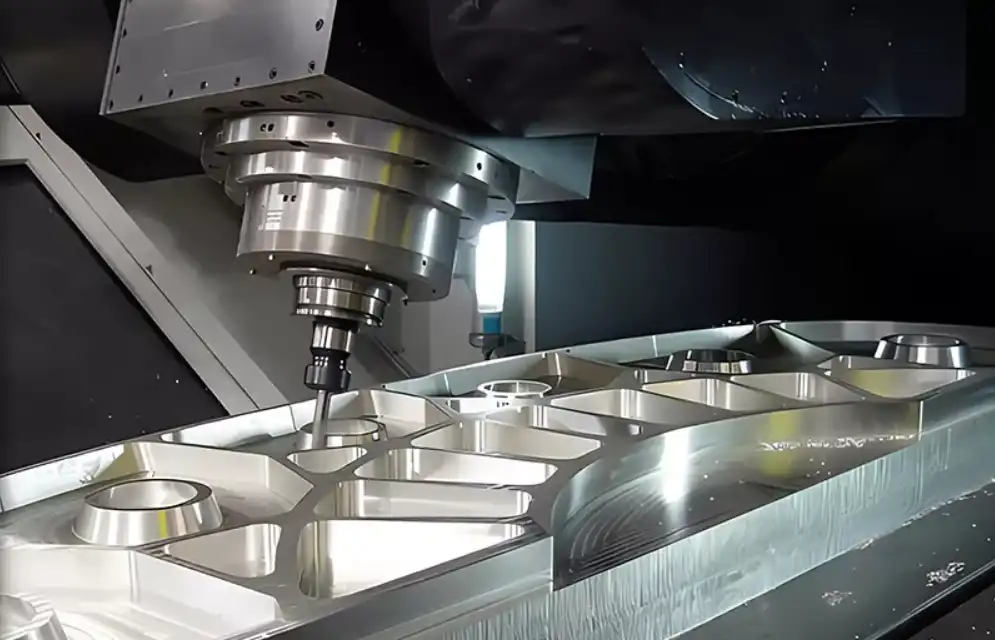
Selecting the Right Optical Components for Your Data Center Needs
Assessing Application Requirements
Before making a choice, it's important to know what the network design needs, especially during rapid prototyping. Copper or optical lines that don't need to be powered usually work well with short connections inside of a single box. For longer runs, like those between racks or across data rooms, you need active transceivers. Passive infrastructure helps low-power and high-cooling settings with a lot of ports, while active components are used at edge aggregation places for managing signals and changing protocols.
Evaluating Scalability and Future-Proofing
Scalability is very important because data center equipment usually lasts between five and ten years. Passive components are easy to update because endpoint transceivers can be replaced to support higher bandwidth protocols in current fiber cables. When moving from one age of technology to the next, active parts may need to be replaced completely. Companies that want to grow should think about using a mix of methods. They should set up strong passive backbones and focus active intelligence at key aggregation places, where upgrades are easier to handle and cost less.
Leveraging Advanced Manufacturing Approaches
When optical components are made the old way, they have long development processes, hard tools, and minimum order amounts that make it hard to come up with new ideas. The world has changed because of technologies like fast tooling and additive production. Engineers can now create their own mounting solutions, ports, or protective cases and get working samples in just a few days. Engineering-grade materials can be used for SLA and SLS printing to make complex shapes, and CNC milling can make metal parts with very tight standards. Because of this flexibility, it is possible to make changes to fit specific installation needs, try ideas for thermal management, and confirm assembly methods that would be too expensive to use with traditional manufacturing.
Future Trends and Innovations in Optical Component Manufacturing
Material Science Breakthroughs
New materials have the potential to change how optical components work. Silicon photonics puts optical functions right on semiconductor chips, which could lower the cost of active components while also making them work better. New polymer formulations make passive parts more stable at high temperatures in harsh settings. Biocompatible optical materials can be used in medical devices. When manufacturers use iterative design methods, they can quickly test these new materials by putting sample parts through real-world scenarios before committing to mass production.
Integration of Smart Monitoring
More and more, next-generation active components include clever tracking features. Temperature, optical power levels, bit error rates, and component health measures are all tracked by built-in monitors. This data makes it possible for networks as a whole to have predictive maintenance, automatic fault isolation, and better performance. The mechanical design of these enhanced devices gets trickier, needing more advanced ways to control heat and block electromagnetic waves. Metal pressing and die casting are two methods used to make housings that protect sensitive electronics and help heat escape. Engineers can test the thermal performance of these cases before mass production.
Accelerated Innovation Cycles
There is constant pressure on the optical networking business to increase speed while lowering cost per bit and power use. As competition gets tougher, development processes have shrunk from years to months. Partnering with specialized manufacturing providers gives businesses access to services like design advice, making prototypes, and low-volume production. This all-around help makes it easier to quickly compare different design options, act quickly on market chances, and lower the risk of releasing new goods. When design services are combined with factory knowledge, the process from idea to launch is smooth.
Conclusion
If you want to choose between passive and active optical components, especially during rapid prototyping, you need to carefully think about your performance needs, your budget, and how the components will be used. For basic connectivity needs, passive components offer the highest level of ease and reliability, while active components make it possible for current high-performance networks to have the advanced features they need. The original purchase price is only one part of the total cost of ownership. Other parts include power use, cooling loads, repair needs, and replacement cycles. Modern ways of making products let you test them thoroughly with working samples before committing to mass production. This lowers technical risks and speeds up the time it takes to get the products to market. When companies carefully mix both technologies based on the needs of the application and work with skilled manufacturing experts, they can build optical infrastructure that is efficient, scalable, and ready for the future.
FAQ
What distinguishes passive from active optical components functionally?
It is possible for passive optical components to split, couple, filter, or just send optical messages because they change the physical features of light without using electricity. To do things like signal amplification, optical-to-electrical conversion, wavelength change, or signal renewal, active optical components need energy. This means that passive devices alone can't do these things.
How does prototyping benefit optical component development?
By quickly making real models for checking thermal performance, mechanical fit, material compatibility, and interaction with existing systems, rapid prototyping speeds up the validation of designs. This iterative method finds design flaws early on, when fixing them costs a lot less than making changes after the product has been made. This shortens the time it takes to make the product and makes it better in the end.
Which component type offers better long-term value?
Long-term worth is completely dependent on the use case. When it comes to basic connection, passive components are very reliable and cost less both up front and over time. Active components cost more and use more power, but they have features that make the prices worth it in apps that need to work quickly. The best choice for each deployment situation is found by doing a full lifecycle study that takes into account all operating factors.
Partner with BOEN Prototype for Advanced Optical Component Solutions
Data center infrastructure projects need partners in precise manufacturing who know how to use modern production technologies and meet the needs of optical networking. BOEN Prototype offers a wide range of development services, such as CNC machining for metal housings, SLA and SLS printing for complicated shapes, vacuum casting for small batches, and rapid injection molding for larger ones. We have experience in the automotive, consumer goods, medical devices, robotics, and aircraft industries, which lets us solve problems with optical components in a way that is useful across all of them. Our combined powers help projects from the first idea to mass production, whether they're making custom transceiver housings, special mounting brackets, or safe casings with specific thermal or electromagnetic properties.
As a reliable rapid prototyping company, we help engineering teams quickly confirm designs, test different materials quickly, and move easily to mass production. Email our experts at contact@boenrapid.com to talk about your needs for developing optical parts and find out how our rapid prototyping services can help you come up with new ideas faster while keeping costs low.
References
Johnson, M. & Williams, R. (2023). Optical Networking Infrastructure: Design Principles and Component Selection for Modern Data Centers. Technical Publishing Group.
Chen, L., Anderson, P., & Martinez, S. (2022). "Cost-Benefit Analysis of Passive versus Active Optical Components in Hyperscale Environments," Journal of Data Center Engineering, 18(4), 234-251.
Thompson, K. (2024). Next-Generation Optical Technologies: Materials, Manufacturing, and Network Architecture. Industry Standards Press.
Patel, A., Zhang, H., & O'Connor, D. (2023). "Rapid Prototyping Methodologies in Optical Component Development: Case Studies from Leading Manufacturers," International Journal of Advanced Manufacturing, 67(3), 445-462.
Robinson, T. & Kumar, V. (2022). Data Center Optical Infrastructure: Performance Metrics, Economic Analysis, and Strategic Planning. Network Technology Publishers.
Edwards, J., Lee, S., & Brown, C. (2024). "Emerging Trends in Silicon Photonics and Integrated Optical Components for Telecommunications Applications," Photonics Research Quarterly, 31(1), 78-95.

How Can We Help?

Your Trusted Partner in Rapid Manufacturing.