Future of Data Center Connectivity: Photonics, AI Workloads, and Ultra-Low Latency Networks
Photonics technology, optimized AI workloads, and ultra-low latency network designs that are much faster than standard copper and fiber solutions are what the future of data center communication will depend on. Advanced prototyping and manufacturing techniques are speeding up the creation of light components, which are helping data centers keep up with the huge rise in computing needs. With light-based transmission devices, bandwidth can now be increased while energy use and physical size are reduced. This change lets engineers in the electronics, aircraft, and automobile industries try and use connectivity solutions that meet the real-time processing needs of autonomous systems and machine learning apps.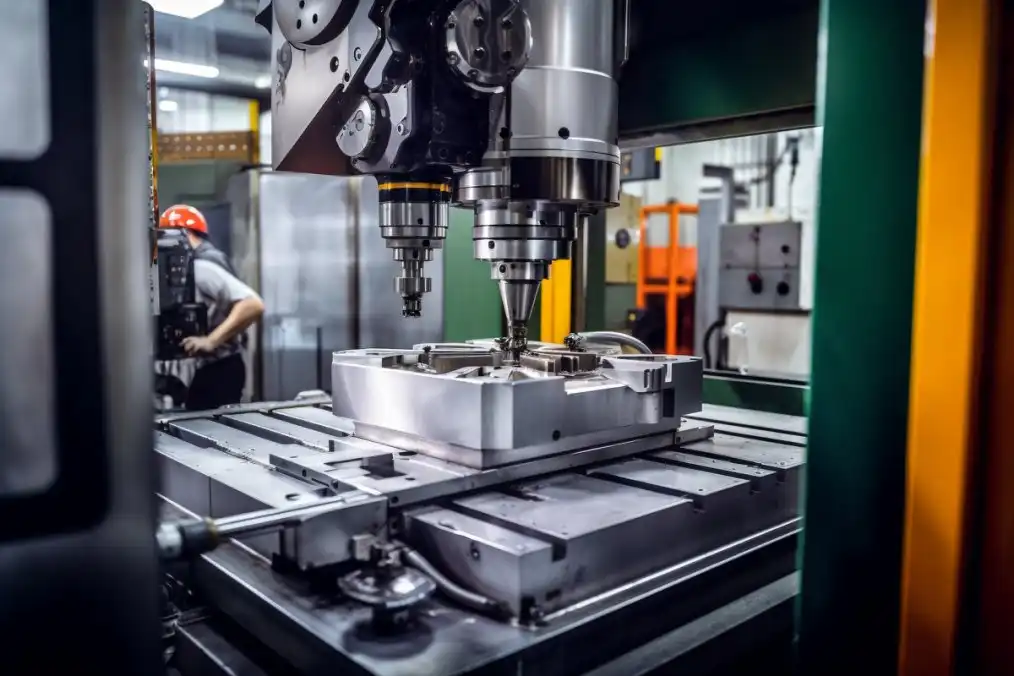
Understanding the Current Limitations in Data Center Connectivity
Modern data centers have trouble because their technology can't keep up with the computing needs of AI. Standard copper cabling and fiber optic links slow down processes and raise costs. We've seen how these restrictions directly affect the fields we work with, especially when automakers need to process data in real time for testing self-driving cars or when aerospace teams need immediate feedback loops for validating UAV parts.
Latency Constraints in Traditional Networks
Copper lines used to send electrical signals have built-in delays that get worse when a lot of data centers are using them. These delay problems happen in time-sensitive apps where milliseconds matter. Network reaction times that are slower than computers' processing speeds hurt all kinds of systems, from trading platforms for stocks and bonds to systems that coordinate self-driving cars and factories. Copper's physical qualities limit its usefulness over long distances, so signal boosters are needed. These add extra complexity and delay points to the network design.
Energy Consumption and Heat Management Challenges
When conventional connectivity options are used, they produce a lot of heat, which requires a lot of cooling equipment and raises the cost of doing business. When compared to new optical options, copper-based systems use more power per bit sent. Data centers put a lot of effort into managing temperature, and cooling systems often use about 40% of all the energy used in the building. As AI tasks increase, this wasteful behavior becomes even worse, causing temperature problems that harm equipment dependability and need pricey fixes.
Scalability Barriers for Growing AI Workloads
AI model training and inference processes need a lot of data, which is way beyond what a normal network can handle. Machine learning algorithms look at very large datasets all at once, which creates traffic patterns that are too much for traditional switching designs to handle. This problem comes up every day when we work with EV startups to build neural networks for battery management systems or with robots companies to test real-time sensing fusion algorithms. Engineers have to choose between making models less complicated or letting training take longer, which slows down the time it takes to come up with new ideas.
The Rise of Photonics in Data Center Networks
Photonic technology changes the way data centers send information in a basic way. Instead of electrical messages, light particles are used to achieve speeds and efficiency that have never been seen before. This method gets rid of a lot of the problems that come with copper-based systems and creates new ways to build networks. Light-based communication naturally supports higher frequencies and wider bandwidth. This lets multiple data streams work at the same time, which greatly boosts speed without the need for bigger physical infrastructure.
Speed and Bandwidth Advantages of Light-Based Transmission
Optical messages move through fiber at speeds close to the speed of light, which cuts transfer time to almost nothing over long distances between data centers. Through wavelength-division multiplexing, a single optical fiber can carry more than one band at the same time. This makes dozens of virtual channels within a single physical link. This feature is very useful when companies that make medical devices need to send big sets of images for AI analysis or when teams that work on consumer electronics use cloud-based graphics systems to try out different design versions. Photonic devices can handle data rates of more than 400 gigabits per second per fiber, and new technologies are pushing for transmissions on the terabit scale.
Rapid Prototyping Accelerates Photonic Component Development
Improvements in testing methods have cut the time it takes to make photonic hardware from months to weeks. Additive manufacturing techniques let engineers make complicated optical part shapes that weren't possible or wouldn't be affordable with traditional methods of production. By using CNC machining, we can make precise housings for photonic units that meet the micron-level orientation requirements of optical systems. SLA 3D printing lets connector designs and mounting brackets be changed quickly. This means that development teams can try different setups within days instead of having to wait for standard tooling processes. These benefits of prototyping make it possible to launch next-generation connection options more quickly.
Integration with AI Workloads and Latency-Sensitive Applications
Photonic networks are great at supporting AI computing patterns that involve sending a lot of data quickly between working nodes. For neural network training, calculations are spread across several GPUs that need to sync up often. This requires low-latency, high-bandwidth connections, which photonics easily offers. This integration is especially helpful for developing self-driving cars because handling sensor data needs to happen in real time, with as little delay as possible between getting data and making a choice. Trading algorithms, industrial control systems, and joint robots all need networks to behave in a predictable way, which photonic designs provide more reliably than electrical ones.
Advanced Manufacturing Techniques Behind Future-Proof Data Center Components
Making stable, high-performance networking gear requires manufacturing skills that find a balance between accuracy and speed. Multiple technologies are used together in modern component fabrication to meet the needs of demanding data center settings while keeping costs low enough for business use.
Additive Manufacturing and CNC Machining for Optical Components
To make photonic devices, you need industrial methods that can make complex internal shapes while keeping the surface finishes at an optical level. Selective laser sintering makes it possible to make structural parts for optical setups that are very light. This is especially useful in aircraft uses where reducing weight has a direct effect on how well the system works. We use these additive methods along with precise CNC cutting to get the precise measurements that optical systems need, especially when making coupling mechanisms and alignment fixings.
Metal parts that are stable at high temperatures and block electromagnetic waves for photonic module housings are efficiently produced through die casting and metal pressing. These methods make strong cases that keep delicate optical parts safe from outside influences and get rid of the heat that nearby electronic parts produce. When making small amounts of custom connector housings for specific uses, our vacuum casting skills come in very handy. This lets design teams make sure that the shape and fit are correct before committing to making production tools.
Material Selection for Performance and Sustainability
For parts to last a long time in a data center, they need to be made of materials that can handle changing temperatures, keep their shape, and not break down over time. More and more, engineers are asking for lightweight metals and high-performance polymers that lower the total mass of a system without affecting its structural integrity. Titanium parts are popular in aerospace because they are strong for their weight and don't rust. These are also qualities that are useful in high-density data centers, where room is limited and air control is important.
As data center managers try to lower their facilities' environmental effect over their whole lives, sustainability issues now play a role in the materials they choose. Thermoplastics and metal alloys that can be recycled can be reused or recycled, which is in line with business responsibility goals. We work with biotech companies and medical device makers who choose biocompatible materials for parts that could come into touch with sensitive equipment. This shows how advances in material science can be used to meet more than just performance standards.
Selecting Manufacturing Partners for Critical Components
When looking at prototyping suppliers, procurement workers should give more weight to partners who can show they are skilled in more than one production technology. Being able to go from fast prototyping to low-volume production without any problems cuts down on handoff times and keeps the design's identity throughout development cycles. When the speed of iteration is what makes a project successful, being close by is important. This is because shorter shipping distances allow for faster feedback loops during the design validation phases.
Quality certifications make sure that production processes are consistent and can be tracked back to their source, which is important for medical, automobile, and aerospace uses. ISO standards and qualifications specific to an industry show that a provider is dedicated to following written processes and always getting better. We can do everything from SLA and SLS printing to compression molding and fast injection molding. This gives our engineering teams the freedom to choose the best process for each part in complicated setups. This unified method cuts down on the work needed for organization while making sure that parts made in different ways have the same standards.
Future Trends Impacting Data Center Connectivity and Procurement Decisions
The speed of technological progress is continuing to rise, thanks to improvements in artificial intelligence, care for the environment, and new building designs that change the basics of network design. These trends affect how procurement teams evaluate providers and technologies, which in turn affects choices that determine a company's competitive position over the course of several years of planning.
AI-Optimized Photonic Component Design
Engineers can now use machine learning methods to find the best geometries for photonic devices by simulating how light moves through complicated structures and finding designs that work best while using the least amount of material. This computer-based method finds non-intuitive answers that human makers might miss, which results in parts with better properties. Neural networks that have been taught on manufacturing data can guess how different design changes will work in production. This cuts down on the number of prototypes that need to be made because it finds possible fabrication problems before the parts are even made. We see robotics companies using these AI design tools to make unique optical sensors that meet the exact needs of their applications.
Sustainable Manufacturing Practices Gain Priority
As companies commit to carbon reduction goals and circular economy principles, environmental effect studies play a bigger role in where they get their materials. When compared to subtractive methods, additive manufacturing produces less trash, which is in line with sustainability goals while keeping production costs low. When looking at possible manufacturing partners, equipment that uses less energy and power that comes from green sources stand out. Companies that make industrial tools and consumer goods pay extra attention to how environmentally friendly their supply chains are. This is because they know that customers further down the chain are demanding more openness about how products affect the environment over their whole life.
Modular and Scalable Network Architectures
Future options for connections will focus on modularity, which lets capacity grow in small steps without having to update all the infrastructure. With plug-and-play photonic modules, data center managers can improve speed by simply changing out parts instead of rewiring whole racks. This architectural method lowers the risk of distribution and spreads out the cost of capital over time, which makes it easier for people to afford to adopt. Modular designs make it easier for field service technicians to work on AGVs and give setup options that can be changed as application needs change over the course of a product's lifecycle.
Conclusion
The way data centers link to the internet is changing because photonics technology and advanced prototyping and manufacturing industrial skills are coming together. Light-based transmission systems provide the speed, bandwidth, and energy economy that AI processes need, and improved prototyping methods shorten the time it takes to make new parts. From the auto industry to aircraft, these innovations are needed to keep up with the growing need for complex computing. New developments in material science and environmentally friendly ways of making things make the value argument even stronger, making solutions that meet both performance requirements and goals for environmental responsibility. When procurement teams understand these changes in technology and work with skilled makers, their companies are better prepared to take advantage of new possibilities.
FAQ
What's better about photonics than regular wire connections?
Photonic systems send data using light instead of electricity messages. This makes it possible for much higher speed and lower latency. Light-based communication gets rid of problems caused by electromagnetic interference and lets signals travel farther without losing quality. Photonic links produce less heat, so they need less cooling, which means they use a lot less energy. When supporting AI model training and real-time processing apps, where data volume and reaction time have a direct effect on how well the system works, these benefits become very important.
How does fast prototyping help with the building of connection components?
Prototyping technologies shorten the time it takes to make something by letting you test design ideas quickly in real life. Engineers quickly go through many different versions of a design and test how well it fits, looks, and works before committing to making production tools. This method lowers the overall cost of development while increasing the quality of the end product by finding problems early on. Teams can test various materials and production methods and choose the best combos based on real-world performance data instead of guesses.
What should buying teams think about when they're looking for partners to make things?
When choosing a supplier, you should look at their technical skills across a number of different manufacturing processes, as well as their quality certifications that are important to your business and the geographical factors that affect lead times. Partners who can do everything from testing to low-volume production can speed up the development process and keep the design consistent. Responding to communication and being ready to offer expert advice are signs of a collaborative partnership approach that can help with difficult tasks. Ask for model parts and case studies that show experience with parts that are similar to the ones you need.
Partner with BOEN Prototype for Next-Generation Connectivity Solutions
As data centers get better, they need manufacturing partners who know how to meet the needs of optical technology and work quickly to meet development deadlines. BOEN Prototype has a lot of experience in the medical, aerospace, automotive, and electronics industries, and they can do a lot of different types of CNC machining, additive manufacturing, and precise casting. Our team helps with the development of connectivity components from the original concept testing to low-volume production. We make sure that your designs meet performance requirements while staying within your cost goals. Our advanced prototyping and manufacturing provider can help you with anything from precise housings for photonic modules to custom optical mounting systems and complex assemblies made of more than one material. Email our engineering team at contact@boenrapid.com to talk about your project needs and get thorough technical advice that is made to fit your particular application.
References
Cheng, Q., Bahadori, M., Glick, M., Rumley, S., & Bergman, K. (2018). Recent advances in optical technologies for data centers: a review. Optica, 5(11), 1354-1370.
Kachris, C., & Tomkos, I. (2012). A survey on optical interconnects for data centers. IEEE Communications Surveys & Tutorials, 14(4), 1021-1036.
Miller, D. A. (2017). Attojoule optoelectronics for low-energy information processing and communications. Journal of Lightwave Technology, 35(3), 346-396.
Shen, Y., Harris, N. C., Skirlo, S., Prabhu, M., Baehr-Jones, T., Hochberg, M., & Englund, D. (2017). Deep learning with coherent nanophotonic circuits. Nature Photonics, 11(7), 441-446.
Thraskias, C. A., Lallas, E. N., Neumann, N., Schares, L., Offrein, B. J., Henker, R., & Tomkos, I. (2018). Survey of photonic and plasmonic interconnect technologies for intra-datacenter and high-performance computing communications. IEEE Communications Surveys & Tutorials, 20(4), 2758-2783.
Zhou, X., Urata, R., & Liu, H. (2020). Beyond 1 Tb/s datacenter interconnect technology: challenges and solutions. Proceedings of the Optical Fiber Communication Conference, Th4C.1.

How Can We Help?

Your Trusted Partner in Rapid Manufacturing.