How Companies Scale from Prototype to Mass Production?
Businesses use a methodical process to scale from prototype to production, turning creative ideas into goods that are ready for the market. Validating designs, streamlining manufacturing procedures, setting up quality control systems, and creating scalable supply chains are all part of the prototype to production journey. To maintain product integrity while fulfilling volume needs and cost objectives, this shift calls for meticulous planning, strategic alliances, and manufacturing technology knowledge.
Understanding the Prototype to Production Process
The process of turning an idea into mass-produced items is a clear one that procurement teams and manufacturing experts must carefully follow. To guarantee effective scalability, this end-to-end process consists of many crucial phases, each of which builds upon the one before it.
Design Validation and Initial Development
Design validation is the foundation of every successful manufacturing scale-up. Engineering teams do extensive feasibility studies to ensure that product ideas can withstand the rigors of mass production. This stage includes a study of the manufacturing process, dimensional tolerance analysis, and material selection optimization. Businesses often discover that prototype materials or assembly techniques that work well for single units become impractical or expensive when utilized in big numbers.
Testing and Iterative Refinement
Rigorous testing protocols verify that designs meet performance specifications under various conditions. Accelerated life testing, environmental stress screening, and user validation studies provide crucial data for design improvements. Each iteration brings the product closer to production readiness, while identifying potential failure modes before they impact large-scale manufacturing from prototype to production.
Process Preparation and Pilot Manufacturing
Creating comprehensive production protocols, tooling requirements, and quality control checkpoints are all part of process preparation. Small-scale pilot runs, which usually produce hundreds rather than thousands of units, verify these methods. Bottlenecks, quality problems, and optimization possibilities that would be expensive to fix during full production are revealed at this phase.
Depending on supplier capabilities, material needs, and product complexity, manufacturing cycle durations might vary greatly. While large assemblies incorporating various materials and precise requirements may take six to twelve months to build, simple injection-molded components may go from prototype to production in eight to twelve weeks.
Benefits and Challenges of Scaling from Prototype to Production
Successful scaling delivers substantial advantages for companies ready to bring products to market, yet the journey presents significant obstacles that require strategic management.
Strategic Advantages of Effective Scaling
One of the strongest advantages of simplified prototype to production transitions is an accelerated time-to-market. Businesses who are proficient in this procedure obtain a competitive edge by contacting clients before rivals. Standardized production procedures make it possible to achieve consistent quality assurance, which lowers warranty claims and customer discontent.
As production quantities rise from the prototype to production phase, cost optimization inevitably arises. Increases in production efficiency, material buying power, and fixed costs dispersed across greater volumes lower costs per unit. Collaborative problem-solving throughout scale-up stages fosters strong supplier relationships and long-term alliances that support future product launches.
Common Scaling Obstacles
Even seasoned teams have issues in managing production complexity. Design components that function perfectly in prototypes could be challenging to reliably duplicate at scale. When prototype numbers don't correspond to large-scale availability or price structures, material sourcing issues might occur.
As manufacturing quantities rise, quality control becomes progressively more complicated. Standards must be maintained by establishing statistical process control systems, inspection methods, and corrective action procedures. Coordinating suppliers across many vendors calls for advanced communication and project management tools.
Demand variations affect material availability and production schedule, making lead time management a persistent concern. Delivery schedules are impacted by personnel management, equipment maintenance needs, and supply chain interruptions.

Key Differences Between Prototype and Mass Production
Understanding the fundamental distinctions between prototype development and mass production enables better planning and resource allocation for scaling initiatives.
Cost Structure Transformations
Due to specialized tooling, low-volume material purchases, and extensive engineering control, prototype development usually entails higher per-unit expenses. Through standardized procedures, economies of scale, and improved material flows, mass manufacturing modifies this equation. Instead of being spread over hundreds of units, fixed expenses are now spread among thousands or millions.
During scaling, material selection often changes. Production-grade polymers, steel alloys, or composite materials that provide superior performance, durability, or cost features in scale may replace prototype-friendly materials like 3D printing resins or quick tooling aluminum.
Manufacturing Method Evolution
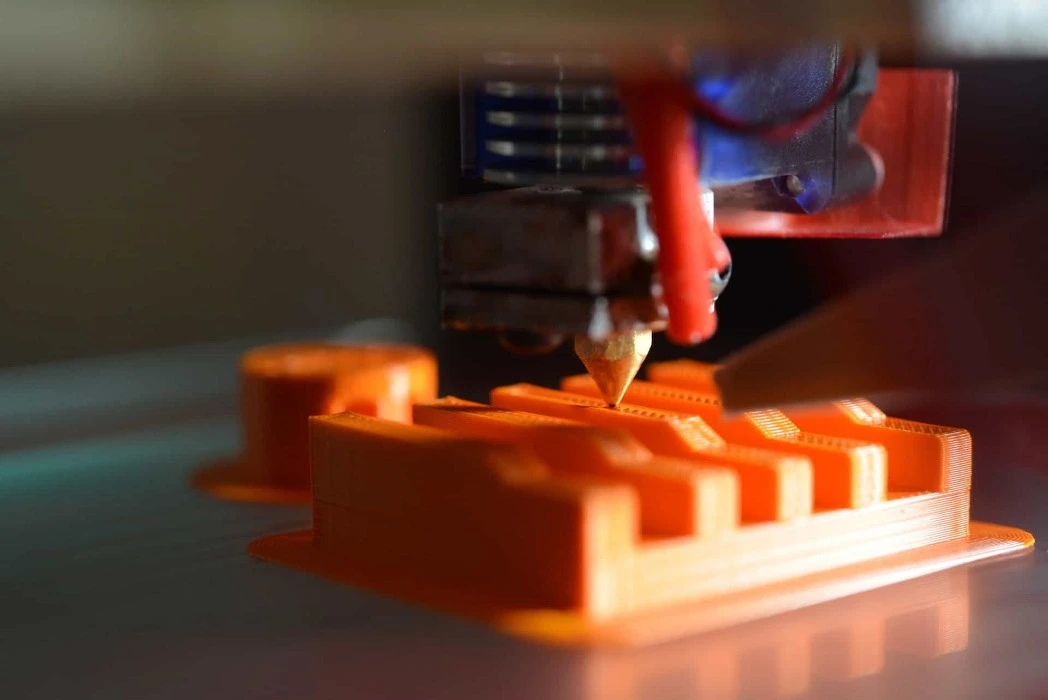
Flexible, low-volume methods like CNC machining, 3D printing, and hand assembly are crucial to prototyping. These approaches put speed and the capacity to iterate designs ahead of efficiency. Mass production uses standardized, high-efficiency procedures including injection molding, stamping, automated assembly, and continuous flow manufacturing to go from prototype to production.
During scaling, the need for quality control becomes significantly. Visual inspection and simple functional testing may be used to confirm the quality of the prototype. Statistical sampling, automated inspection systems, traceability documentation, and approved testing procedures are all necessary for high-quality production.
Timeline and Resource Allocation
Prototype lead times may range from a few days or weeks to many months for production setup and continuous manufacturing cycles. During production, resource allocation shifts from focused engineering work during prototype to dispersed operations, supply chain management, and quality.
Best Practices for Transitioning Smoothly from Prototype to Production
Strategic approaches can significantly reduce risks and accelerate successful scaling from prototype to production phases.
Early Manufacturing Integration
Design teams benefit greatly from involving manufacturing engineers during initial product development rather than waiting until prototypes are finalized. This collaboration identifies potential production challenges before they become costly problems. Design for Manufacturing (DFM) principles guide material selection, feature design, and assembly methods toward production-friendly solutions.
Comprehensive Risk Assessment
Risk assessment protocols should evaluate technical, supply chain, quality, and market factors that could impact prototype to production scaling success. Technical risks include design complexity, material availability, and manufacturing capability gaps. Supply chain risks encompass vendor reliability, geographic concentration, and capacity constraints.
Pilot Run Validation
Pilot production runs serve as crucial testing grounds for manufacturing processes, quality systems, and supply chain coordination. These runs typically produce 100-1000 units using intended production methods and materials. Data collected during pilot runs informs final process refinements and capacity planning.
Cross-functional collaboration between design, engineering, procurement, quality, and operations teams ensures comprehensive preparation for scaling. Regular communication, shared metrics, and coordinated decision-making prevent miscommunication and delays.
A leading automotive component manufacturer recently demonstrated these principles during an EV battery housing project. Early DFM collaboration identified aluminum alloy alternatives that reduced weight by 15% while improving manufacturability. Pilot runs revealed assembly sequence optimizations that cut production time by 25%. The result was a successful scale-up that met aggressive timeline targets while exceeding performance specifications.
How to Select and Work with Prototype to Production Service Providers
Choosing appropriate manufacturing partners determines scaling success more than any other single factor. Procurement teams must evaluate multiple criteria to identify optimal suppliers.
Evaluation Criteria for Manufacturing Partners
Technical expertise represents the foundation of supplier evaluation. Partners should demonstrate proven experience with relevant materials, processes, and quality standards specific to your industry. Capacity assessment includes current utilization levels, expansion capability, and equipment maintenance practices that ensure consistent availability.
Lead time reliability often distinguishes excellent suppliers from adequate ones. Evaluate historical performance data, capacity planning processes, and contingency procedures for managing unexpected demands or disruptions. Quality standards verification includes certifications, audit results, and customer references that validate capability claims.
In-House Versus Outsourcing Decisions
In-house production offers maximum control over processes, quality, and intellectual property protection from prototype to production. However, capital requirements, expertise development, and capacity utilization challenges make in-house production viable only for companies with sufficient volume and resources.
Outsourcing provides access to specialized expertise, established capacity, and reduced capital requirements. Partner selection becomes crucial for maintaining quality standards, protecting intellectual property, and ensuring supply continuity. Hybrid approaches combine internal development with external manufacturing for optimal flexibility.
Vendor Management Excellence
Contract negotiations should establish clear performance metrics, quality standards, and communication protocols. Service level agreements define expectations for delivery performance, quality levels, and responsiveness to issues. Intellectual property protection clauses safeguard design information while enabling necessary collaboration.
Regular performance reviews and relationship management prevent small issues from becoming major problems. Collaborative problem-solving approaches build stronger partnerships that benefit both parties over time.
BOEN Prototype's Manufacturing Excellence for Scaling Success
BOEN Prototype has established itself as a trusted partner for companies navigating the critical transition from innovative concepts to market-ready products. Our comprehensive manufacturing capabilities span the entire prototype to production spectrum, supporting clients across automotive, medical devices, aerospace, consumer electronics, and robotics industries.
Advanced Manufacturing Capabilities
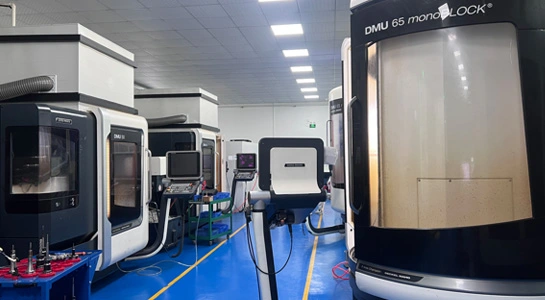
Our facility integrates multiple manufacturing technologies to provide seamless transitions from prototyping through production scaling. CNC machining capabilities handle precise metal and plastic components with tight tolerances. Rapid injection molding enables cost-effective production of plastic parts at intermediate volumes, bridging the gap between prototype quantities and full production tooling.
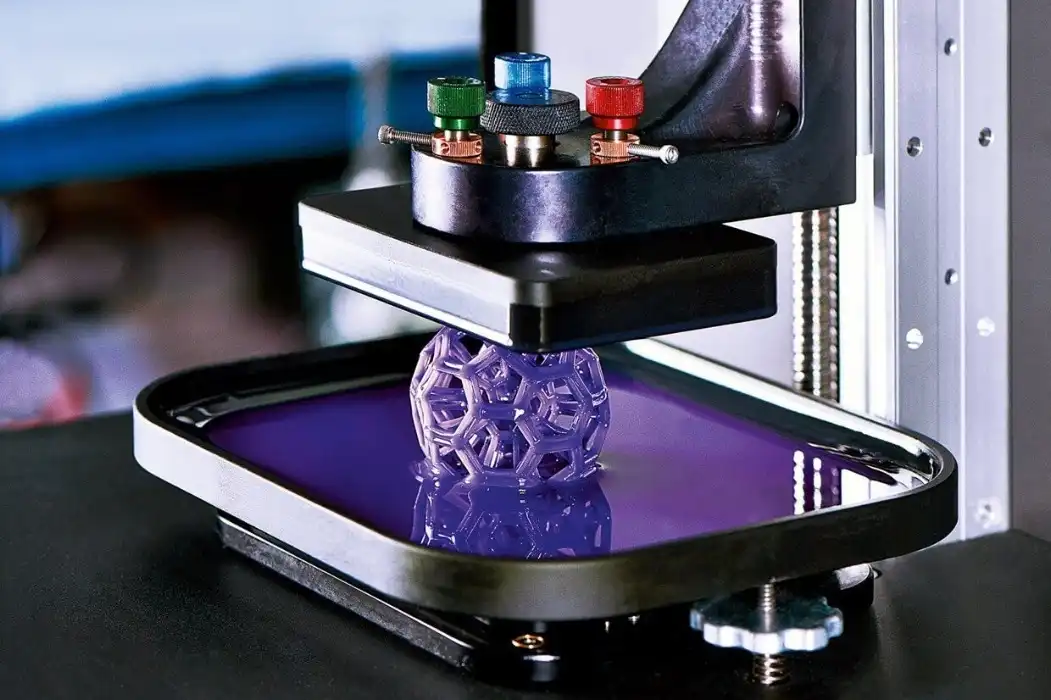
3D printing technologies including SLA and SLS provide rapid iteration capabilities for design validation and functional testing. Die casting and metal pressing equipment support higher-volume metal component production. Vacuum casting offers excellent surface finishes for aesthetic prototypes and low-volume production runs.
Quality Assurance and Process Control
Stringent quality control systems ensure consistent output from prototype to production across all production volumes. Statistical process control methods monitor key parameters throughout manufacturing processes. Comprehensive inspection protocols verify dimensional accuracy, material properties, and functional performance for every component.
Our quality management system maintains traceability documentation that supports regulatory compliance requirements in medical, automotive, and aerospace applications. Certified testing capabilities validate material properties, environmental resistance, and performance specifications according to industry standards.
Flexible Production Scaling
BOEN Prototype's approach to production scaling emphasizes flexibility and responsiveness to changing requirements. Our capacity planning systems accommodate volume fluctuations while maintaining delivery commitments. Multiple material sourcing relationships ensure supply continuity even during market disruptions.
Cross-functional engineering support guides design optimization for improved manufacturability and cost reduction. Our team works closely with clients to identify opportunities for process improvements, material substitutions, and assembly simplifications that enhance scalability without compromising performance.
Recent success stories include supporting an aerospace component manufacturer in scaling UAV housing production from prototype quantities to thousands of units annually. Through collaborative design optimization and process refinement, we achieved 30% cost reduction while meeting stringent weight and durability requirements.
Conclusion
The journey from prototype to production requires careful planning, strategic partnerships, and deep understanding of manufacturing processes. Success depends on early manufacturing integration, comprehensive risk assessment, and selection of experienced manufacturing partners who can support scaling requirements. Companies that master this transition gain significant competitive advantages through faster time-to-market, optimized costs, and reliable quality systems. The key lies in treating prototype to production scaling as a collaborative process that leverages expertise from design, engineering, procurement, and manufacturing professionals working toward shared objectives.
FAQs
1. How long does scaling from prototype to production typically take?
Scaling timelines vary significantly based on product complexity and manufacturing requirements. Simple injection-molded components might scale within 8-12 weeks, while complex assemblies with multiple materials can require 6-12 months. Factors influencing timeline include tooling requirements, regulatory approvals, supply chain establishment, and quality system validation.
2. What cost reduction strategies work best during production scaling?
Effective cost reduction approaches include design optimization for manufacturing efficiency, material standardization to leverage purchasing power, process automation to reduce labor content, and supplier consolidation to improve negotiating position. Volume-based pricing agreements and long-term contracts often provide additional savings opportunities.
3. What risks should companies avoid during prototype to production transitions?
Common risks include rushing to production without adequate testing, underestimating supply chain complexity, insufficient quality control planning, and inadequate intellectual property protection. Over-reliance on single suppliers, inadequate capacity planning, and poor communication between teams also create significant scaling risks.
4. How can companies maintain quality consistency during scaling?
Quality consistency requires statistical process control implementation, comprehensive inspection protocols, supplier quality agreements, and continuous monitoring systems. Regular audits, corrective action procedures, and employee training programs support sustained quality performance as volumes increase.
Ready to Scale Your Product with BOEN Prototype
BOEN Prototype stands ready to support your prototype to production journey with comprehensive manufacturing solutions tailored to your specific requirements. As an experienced prototype to production supplier, we combine advanced technologies, quality systems, and industry expertise to ensure successful scaling from initial concepts to market-ready products. Contact our engineering team at contact@boenrapid.com to discuss your project requirements and discover how our manufacturing capabilities can accelerate your time-to-market while optimizing costs and quality outcomes.
References
1. Smith, J.A., "Manufacturing Scale-Up Strategies for Product Development," Journal of Industrial Engineering, Vol. 45, No. 3, 2023, pp. 123-145.
2. Chen, M.L., Wang, R.K., "From Prototype to Production: A Comprehensive Guide to Manufacturing Transitions," International Manufacturing Review, 2023, pp. 67-89.
3. Rodriguez, P.S., "Quality Control Systems in Production Scaling: Best Practices and Implementation Strategies," Quality Engineering Quarterly, Vol. 28, No. 2, 2023, pp. 34-52.
4. Thompson, K.R., Anderson, D.M., "Supply Chain Management for Manufacturing Scale-Up Operations," Production Management Today, 2023, pp. 78-95.
5. Liu, X.Y., Johnson, B.T., "Cost Optimization Techniques in Prototype to Production Transitions," Manufacturing Economics Review, Vol. 15, No. 4, 2023, pp. 156-174.
6. Davis, L.P., Miller, S.J., "Risk Assessment and Mitigation in Production Scaling: A Systematic Approach," Industrial Risk Management, 2023, pp. 45-63.

How Can We Help?

Your Trusted Partner in Rapid Manufacturing.