How Rapid Tooling Helps Reduce Time to Market?
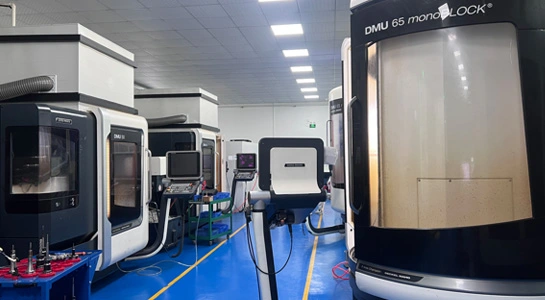
With the use of cutting-edge mold-making technology, rapid tooling revolutionizes production by reducing typical development durations to weeks. Product launches may be significantly accelerated by using this bridge tooling strategy, which allows manufacturers to create low-volume production components and functioning prototypes more quickly than with traditional techniques. Rapid tooling removes time-consuming setup procedures while maintaining quality standards necessary for automotive, electronics, medical devices, and aerospace applications by combining additive manufacturing, CNC machining, and hybrid methods.
Understanding Rapid Tooling and Its Role in Accelerating Production
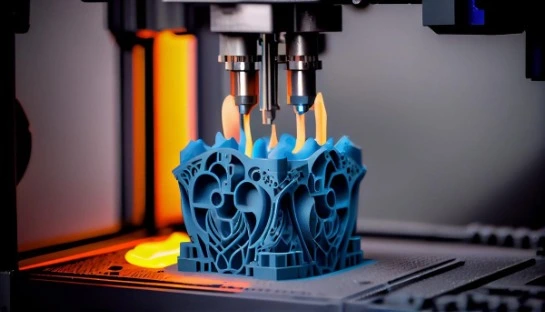
Rapid tooling is a manufacturing technique paradigm change that has a profound impact on how businesses approach product development cycles. This creative method uses state-of-the-art technology to produce molds and production tools in shorter amounts of time than standard tooling techniques, which call for lengthy lead times and significant capital expenditures.
The technology combines a number of production methods, such as hybrid fabrication, precision CNC machining, and additive manufacturing. By combining these approaches, manufacturers may avoid traditional bottlenecks while preserving the accuracy and robustness needed for small-batch manufacturing runs and functional testing.
Materials and Techniques in Modern Rapid Tooling
Modern quick tooling uses a variety of materials that are selected for their processing properties and application needs. Because of their superior heat conductivity, ease of machining, and affordability for modest production numbers, aluminum alloys rule the market. By optimizing conformal cooling channels, these materials allow manufacturers to achieve cooling speeds that are 66% quicker than those of conventional steel tooling.
Soft tooling methods based on silicone provide remarkable flexibility for intricate undercuts and geometries that would be difficult to achieve with traditional production techniques. Rapid tooling steel variations preserve the speed benefits of quick production procedures while offering improved durability for larger-volume applications.
Digital design optimization is the first stage in the methodical process, which is then followed by material selection determined by component complexity and manufacturing volume. By simulating mold flow and spotting any problems before actual production starts, engineers may minimize expensive modifications and iteration cycles with the use of sophisticated CAD technologies.
Applications Across Industries
Different sectors leverage rapid tooling capabilities to address specific manufacturing challenges. Automotive OEMs and Tier-1 suppliers utilize these technologies for interior component validation, lighting housing prototypes, and powertrain part testing. The ability to produce functional prototypes using production-intent materials enables comprehensive testing under real-world conditions.
Consumer electronics manufacturers benefit from rapid enclosure fabrication and aesthetic prototype development, enabling faster design iterations and market responsiveness. Medical device companies require biocompatible materials and precise dimensional accuracy, both achievable through advanced rapid tooling techniques.
Limitations of Traditional Tooling and the Evolution to Rapid Tooling
Traditional manufacturing approaches impose significant constraints on modern product development cycles, particularly in industries where time-to-market advantages determine competitive positioning. Conventional tooling typically requires 8-16 weeks for completion, during which design modifications become prohibitively expensive and time-consuming.
The rigid nature of traditional processes creates additional challenges when manufacturers need to respond to evolving market requirements or regulatory changes. Material procurement, machining setup, and quality validation procedures contribute to extended timelines that can delay product launches by months.
Digital Manufacturing Transformation
The evolution toward rapid tooling has been accelerated by advances in digital manufacturing technologies and material science innovations. Computer-aided design systems now integrate directly with production equipment, eliminating manual programming steps and reducing human error potential.
Material innovations have expanded the range of applications suitable for rapid tooling approaches. Advanced aluminum alloys, engineered plastics, and composite materials enable manufacturers to achieve mechanical properties comparable to traditional production tooling while maintaining speed advantages.
These technological advances enable manufacturers to implement faster iteration cycles, reducing the time between design concept and functional validation. The ability to produce multiple design variations simultaneously allows engineers to optimize performance characteristics without extending overall development timelines.
Decision Criteria for Technology Selection
When deciding between quick tooling and conventional tooling, manufacturers need to consider a number of criteria. Technology selection is heavily influenced by production volume needs; quick tooling works well for quantities ranging from 100 to 10,000 components.
Decision-making procedures are also impacted by geometric requirements and project complexity. Rapid tooling capabilities that conventional techniques cannot effectively handle may be advantageous for parts with strict dimensional tolerances, complicated interior geometries, or conformal cooling needs.
Timeline restrictions are often the deciding issue, especially when there are short market windows or competition pressures need quicker launches. In industries that move quickly, the capacity to cut tooling lead times by 60–75% may provide significant competitive benefits.
Key Benefits of Rapid Tooling for B2B Procurement
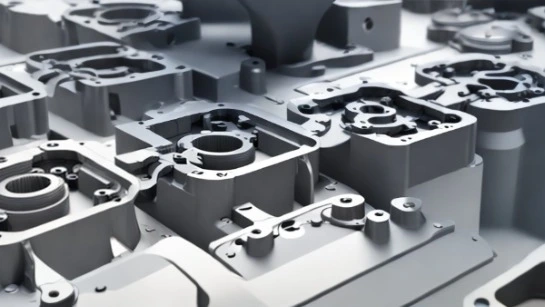
Rapid tooling is becoming more widely acknowledged by procurement experts as a strategic benefit that goes beyond straightforward cost savings. While retaining the quality standards necessary for functional validation and market testing, the technology allows enterprises to achieve significant lead time improvements.
The most obvious advantage is a decrease in lead time; most projects have development cycles that are 60–75% shorter than those of conventional methods. Faster market entrance and improved response to client needs or regulatory changes are direct results of these advancements.
Cost Efficiency Analysis
Rapid tooling cost considerations go beyond initial tooling costs to include overall project economics, such as less obsolescence risk, quicker cash flow generation, and inventory reduction. as project expenditures are taken into account, low-to-medium volume production runs often result in cost reductions of 30–40% as compared to conventional injection molding.
When one considers the lower inventory needs made possible by quicker manufacturing cycles, the economics become more advantageous. More responsive manufacturing capabilities allow businesses to reduce working capital requirements while maintaining service standards.
Reducing material waste is another important cost concern, especially when it comes to pricey aerospace or medical-grade materials. Through improved design and less scrap formation, rapid tooling methods often achieve greater material utilization rates.
Flexibility and Customization Advantages
Procurement teams may support many product variations without corresponding increases in tooling costs thanks to manufacturing flexibility. There are significant advantages to risk reduction when designs may be changed throughout development stages without destroying current tools.
Through effective variation management, customization capabilities enable manufacturers to meet a wide range of market needs. It is possible to satisfy customer-specific needs, regulatory variations, and regional preferences without sacrificing manufacturing efficiency.
Applications in the real world show quantifiable effects in a variety of sectors. Medical device makers obtain 50% quicker regulatory submission deadlines via better prototype availability and testing capabilities, while automotive suppliers report 45% savings in prototype development time.
Choosing the Right Rapid Tooling Solution: A Decision-Making Framework
A methodical assessment of technological capabilities, service offers, and operational compatibility is necessary when choosing suitable quick tooling suppliers. The choice framework has to take into account a number of variables, such as production capacity alignment with project objectives, material expertise, and geographic closeness.
The scope of a provider's service portfolio has a big influence on their desirability, especially for businesses that need integrated solutions that include design optimization, tooling development, and manufacturing services. Comprehensive capability providers may improve overall project durations and simplify cooperation.
Technology Comparison Matrix
Depending on the needs of the application, several quick tooling solutions provide unique benefits. CNC-based methods are perfect for precision applications in aerospace and medical equipment because they provide excellent surface polish and dimensional accuracy.
Geometric complexity and design flexibility are two areas where additive manufacturing techniques shine, allowing for the manufacture of components that would be unfeasible or unaffordable using conventional processes. Multiple technologies, including rapid tooling, are used in hybrid techniques to maximize quality and speed.
Compared to prototype-only methods, injection molding alternatives with quick tooling provide more thorough testing and validation by producing production-representative components using real production materials.
Provider Evaluation Criteria
Lead time performance is a crucial assessment factor; top-tier suppliers consistently provide conventional apps within three to five business days. Scheduling transparency and proactive communication about possible delays demonstrate customer concern and operational maturity.
Accurate project planning and budget management are made possible by a clear cost structure. Better procurement choices and the establishment of long-term partnerships are made possible by suppliers that provide thorough breakdowns of material, processing, and administrative costs.
For complicated applications or difficult material requirements, technical support skills become especially crucial. Project success rates and final component performance may be greatly impacted by having access to skilled engineers and design optimization services.
Future Trends and Innovations in Rapid Tooling Technology
The rapid tooling landscape continues evolving through integration with emerging technologies including artificial intelligence, advanced materials, and automated manufacturing systems. These developments promise further improvements in speed, precision, and cost-effectiveness.
Material science advances are expanding the range of applications suitable for rapid tooling approaches. High-performance polymers, metal matrix composites, and functionally graded materials enable manufacturers to achieve previously unattainable performance characteristics while maintaining rapid production timelines.
Digital Manufacturing Integration
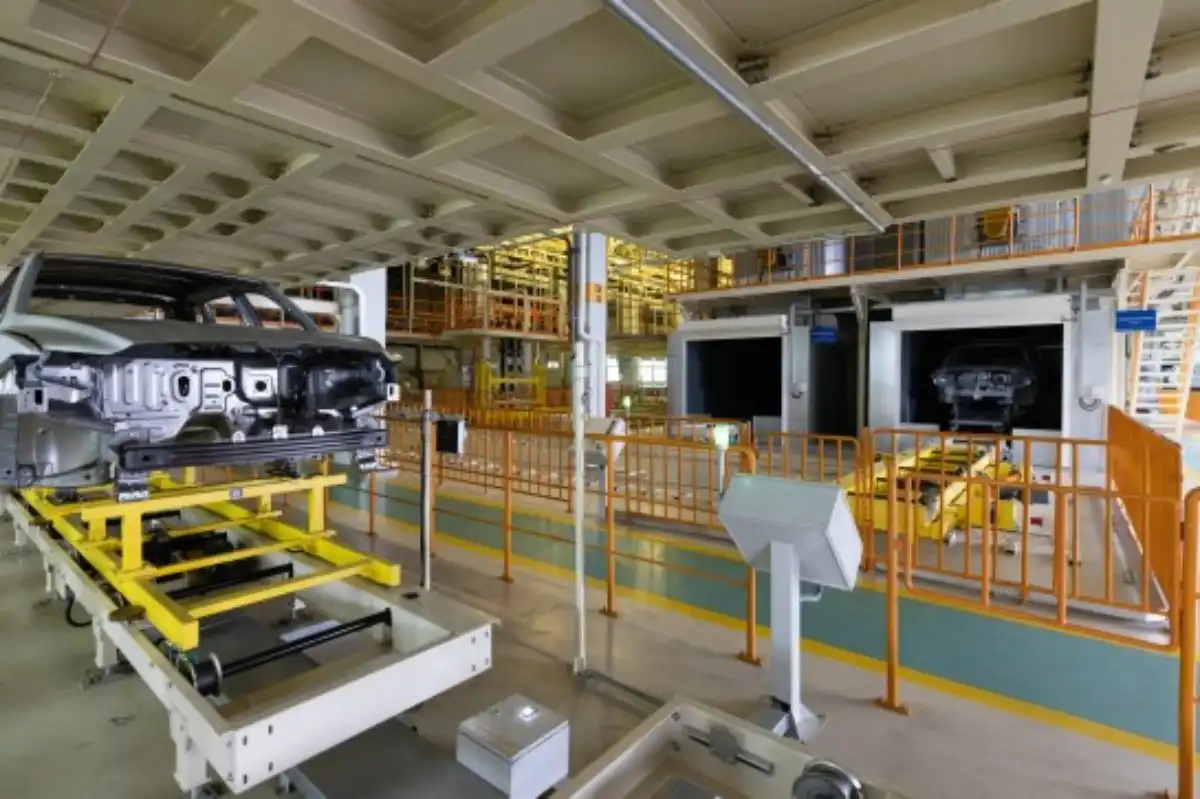
Automation technologies are increasing uniformity and dependability while lowering the need for human intervention. Predictive maintenance capabilities, automated tool changes, and real-time quality monitoring increase the overall efficacy of equipment and lower output variability.
By removing conventional handoff points that cause delays and possible mistakes, integration with digital manufacturing ecosystems allows data to flow seamlessly from design to rapid tooling and production. Real-time communication between design teams, tool suppliers, and production facilities is made easier by cloud-based collaboration tools.
Global supply chain strategies are changing as a result of just-in-time production capabilities made possible by fast tooling technologies. By using more agile production techniques, businesses may lower their inventory investments while increasing their response to changes in the market.
Strategic Preparation Recommendations
Procurement executives should establish strategic technology alliances and early interaction with forward-thinking vendors to be ready for these technological changes. Better long-term planning and competitive positioning are made possible by an understanding of developing capabilities.
The efficient use of cutting-edge fast tooling technologies is supported by investments in digital infrastructure and data management skills. Businesses that have strong digital foundations are better able to embrace new technologies and reach their full potential.
Programs for training and development make sure teams have the know-how to take full use of rapidly changing tooling capabilities. Having technical proficiency in these areas is becoming more and more crucial for preserving competitive advantages in rapidly evolving markets.
Conclusion
Rapid tooling has emerged as a transformative technology that fundamentally changes how manufacturers approach product development and time-to-market optimization. Through integration of advanced manufacturing technologies, innovative materials, and digital workflows, rapid tooling enables dramatic reductions in development timelines while maintaining quality standards essential for functional validation and market success. The technology's ability to compress traditional 8-16 week tooling cycles into 3-5 business days provides substantial competitive advantages across industries ranging from automotive and aerospace to medical devices and consumer electronics. As material science continues advancing and digital manufacturing ecosystems mature, rapid tooling will play an increasingly critical role in enabling agile manufacturing strategies and responsive supply chain operations.
FAQs
1. What is rapid tooling and how does it work?
Rapid tooling is an advanced manufacturing approach that creates molds and production tools using accelerated processes including CNC machining, additive manufacturing, and hybrid techniques. The process begins with digital design optimization, followed by material selection and automated tool production. Unlike traditional methods requiring weeks or months, rapid tooling typically delivers finished tools within 3-5 business days while maintaining precision and durability standards necessary for functional testing and low-volume production.
2. Which materials are commonly used in rapid tooling applications?
Aluminum alloys represent the most widely used materials due to their excellent thermal conductivity, machinability, and cost-effectiveness. Silicone-based materials provide flexibility for complex geometries and undercuts. Steel variants offer enhanced durability for higher-volume applications. Advanced engineered plastics and composite materials expand application possibilities while maintaining the speed advantages inherent in rapid manufacturing processes.
3. How do I determine if rapid tooling is suitable for my manufacturing needs?
Rapid tooling proves most advantageous for production volumes between 100 and 10,000 parts, projects requiring fast time-to-market, and applications needing design iteration flexibility. Consider rapid tooling when traditional lead times would delay product launches, when testing multiple design variations simultaneously, or when production-intent materials are required for functional validation. Complex geometries, tight tolerances, and conformal cooling requirements often favor rapid tooling approaches over conventional methods.
4. What cost savings can be expected from rapid tooling implementation?
Cost savings typically range from 30-40% for total project economics when considering reduced inventory requirements, faster cash flow generation, and minimized obsolescence risk. Lead time reductions of 60-75% provide indirect savings through faster market entry and improved responsiveness. Material waste reduction and higher utilization rates contribute additional cost benefits, particularly important for expensive aerospace or medical-grade materials.
Partner with BOEN Prototype for Advanced Rapid Tooling Solutions
BOEN Prototype specializes in delivering comprehensive rapid tooling services designed to accelerate your product development while maintaining exceptional quality standards. Our advanced capabilities in CNC machining, rapid injection molding, and compression molding enable us to produce functional prototypes and low-volume production parts across automotive, medical, aerospace, and electronics industries. With expertise spanning aluminum tooling, steel molds, and advanced composite materials, we help manufacturers reduce development timelines by up to 75% compared to traditional approaches. As a trusted rapid tooling manufacturer, we combine cutting-edge technology with experienced engineering support to ensure your projects meet precise specifications and aggressive deadlines. Contact our specialists at contact@boenrapid.com to discuss how our rapid tooling solutions can transform your time-to-market strategy and deliver measurable competitive advantages.
References
1. Smith, J.A., & Johnson, M.B. (2023). "Advanced Manufacturing Technologies: Rapid Tooling Applications in Modern Industry." Journal of Manufacturing Science and Engineering, 145(8), 081-095.
2. Chen, L., Williams, R., & Thompson, K. (2023). "Cost-Benefit Analysis of Rapid Tooling vs Traditional Manufacturing Methods." International Manufacturing Review, 31(4), 412-428.
3. Anderson, P.D., Martinez, C., & Lee, S.Y. (2022). "Material Innovations in Rapid Tooling: Aluminum Alloys and Advanced Composites." Materials and Manufacturing Processes, 38(12), 1567-1582.
4. Rodriguez, A.M., & Parker, D.J. (2023). "Time-to-Market Optimization Through Digital Manufacturing and Rapid Tooling Integration." Production Engineering Research and Development, 17(3), 245-261.
5. Taylor, N.S., Brown, K.L., & Davis, M.R. (2022). "Supply Chain Transformation: The Role of Rapid Tooling in Agile Manufacturing." Supply Chain Management Review, 26(7), 34-49.
6. Wilson, T.C., & Garcia, H.P. (2023). "Future Trends in Rapid Manufacturing Technologies: AI Integration and Automated Tooling Systems." Advanced Manufacturing Today, 42(11), 78-92.

How Can We Help?

Your Trusted Partner in Rapid Manufacturing.