When Should You Choose Short-Run Manufacturing?
When your business needs flexibility, fast prototyping, or small-batch production without the financial commitment of mass production, short-run manufacturing is the best option. The best times to use this method of manufacturing are for trying the product, making custom orders, proving the market, meeting seasonal needs, and making replacement parts. Companies should think about short-run manufacturing when they need to turn things around quickly, want to lower their inventory risks, need to be able to make changes to designs, or are trying to reach niche markets that don't need large-scale production.
Understanding Short-Run Manufacturing
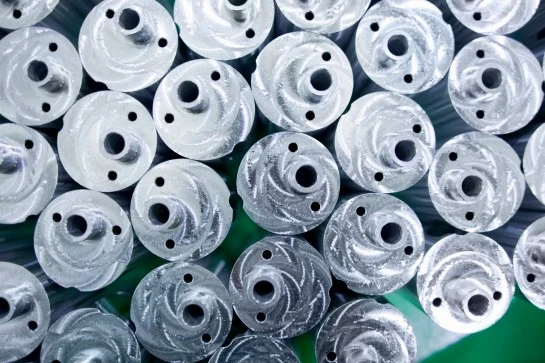
Making small amounts of goods, usually just one prototype or a few thousand units, to meet specific or immediate needs in the market is called short-run manufacturing. Long-run manufacturing, on the other hand, focuses on large-scale, standard output where economies of scale drive cost savings. This way of making things is very different from that.
Key Characteristics of Limited Production Runs
Short-run methods are flexible enough to allow for customization, quick iterations, and keeping as little material as possible. Small-batch production uses flexible methods that can handle frequent design changes and material differences, unlike traditional manufacturing methods that need big upfront investments in tools and setup costs.
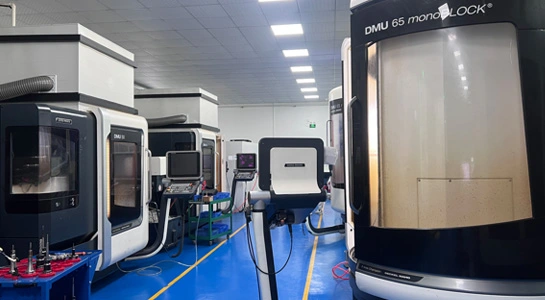
Modern short-run manufacturing uses many new technologies that make it more accurate and easier to scale up. Some of these are computer numerical control (CNC) cutting, which makes metal and plastic parts very accurate, and additive manufacturing techniques, which make it possible to make shapes that are too complicated to make with traditional methods. Rapid injection molding also lets you use production-grade materials for useful prototypes and small production runs.
Technology Integration in Small-Batch Production
Short-run production has changed a lot thanks to new tools in manufacturing. Selective laser sintering (SLS) and stereolithography (SLA) make it possible to make quick prototypes out of materials that are very close to the final production specs. On the other hand, vacuum casting and compression molding can be used to make multiple copies of samples using silicone tools.
By combining these technologies, procurement professionals can figure out if short-term options help them reach their manufacturing goals. Being able to quickly go from design ideas to working prototypes and then to small production batches opens up a world of new ways to test the market and make products better.
When to Choose Short-Run Manufacturing - Decision Criteria
When a business needs freedom over pure cost-effectiveness, short-run manufacturing is the best choice. The choice matrix lets you look at a number of factors that, when put together, tell you the best way to produce the goods you need.
Primary Scenarios for Small-Batch Production
One of the best reasons to use short-run manufacturing is for making prototypes of new products. During the development phase, engineers and designers need prototypes that work and correctly show how the final product will be. For this exploratory step, traditional mass production tools would be too expensive and take too much time. Small-batch production lets teams make many versions, try various materials, and improve designs by using data from real-world use.
Scenarios that test the market also favor short-term methods. When companies release new goods or enter new markets, they can make small amounts to see how customers react without spending a lot of money or time. This approach works especially well for parts used in consumer electronics and cars, where user feedback directly affects the final design choices.
When it comes to seasonal items and limited edition items, short-run manufacturing is very helpful. Companies don't have to make huge amounts of something that might not sell. Instead, they can make smaller batches that match how demand actually works. This method lowers the risk of having too much inventory while still letting you react quickly to sudden changes in market demand.
Cost-Benefit Analysis Framework
When you compare short-run manufacturing to mass production or traditional batch runs, you can react quickly to market feedback with less financial risk. At first glance, unit costs may seem higher, but when you look at store holding costs, obsolescence risks, and market responsiveness benefits, the total cost of ownership often favors small-batch production.
Cost structures and wait times must be carefully thought through by procurement managers. Short-run production often has lower inventory needs, faster time-to-market, and the ability to make design changes based on early feedback from the market, which balances out the higher costs per unit. Companies can also try out more than one version of a product at the same time because there is less financial danger.
This thorough method for evaluation helps procurement teams figure out when short-run manufacturing is the best way to save money. The important thing is to know that having the lowest unit cost doesn't always mean having the best business results. This is especially true in markets that are always changing, where being quick and flexible gives you a competitive edge.
Challenges and Solutions in Short-Run Manufacturing
Even though short-run manufacturing has many benefits, it also has unique problems that need to be solved in a planned way. Procurement professionals who work with small-batch production partners will have successful outcomes if they understand these problems and put the right answers in place.
Common Obstacles in Small-Batch Production
The biggest problem with short-run manufacturing is that economies of scale aren't very strong. Individual unit prices tend to be higher when mass production isn't used. This can have an effect on project budgets and profit margins. This problem gets even harder when you have to compete with well-known goods that are made in the traditional way, in large quantities.
Being able to use specialized materials, have faster lead times, and place smaller orders makes the supply chain more complicated for short-run manufacturing. A lot of suppliers like steady, big orders that bring in steady cash flow. Getting stable supplies of materials for small batches often means building relationships with specialized suppliers who know how to meet the specific needs of low-volume production.
Another big problem is making sure that the quality is the same across small amounts. Without the process stability that comes from making a lot of things at once, it takes more careful monitoring and quality control to keep the standard consistent. To make sure that standards are always met, each batch may need special care.
Strategic Solutions and Best Practices
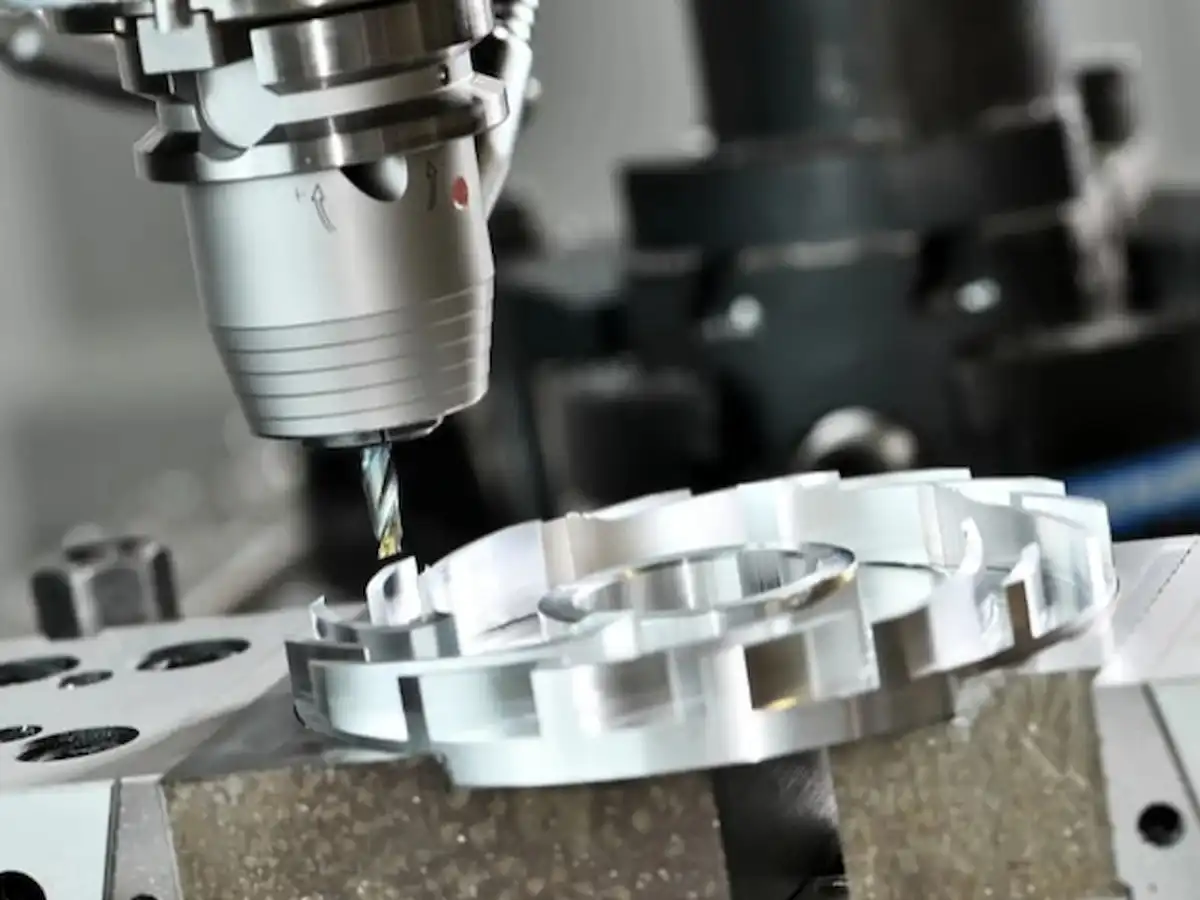
There are a number of tried-and-true ways for global B2B buyers to deal with these risks. Using new manufacturing technologies like 3D printing and automatic CNC machining can help make up for some of the problems caused by economies of scale. These technologies lower setup costs and make small-batch production more efficient. The cost structures of these technologies are often better for low-volume runs than those of standard manufacturing methods.
There are many benefits to working with seasoned sources who are experts in small-batch manufacturing. These suppliers know the unique problems that come up with small-batch production and have made sure that their quality systems, supplier networks, and methods work best with this type of production. A lot of the time, they keep common materials in stock and have built relationships with specialized sub-suppliers.
Short-run manufacturing can be hard to handle, but using agile supply chain techniques can help. This includes coming up with flexible ways to get materials, keeping a safety stock of important materials, and setting clear rules for how to talk to providers. For businesses to be successful, they need advanced planning tools that can handle shorter lead times and changing patterns of demand.
When hiring short-run manufacturing partners, these doable options help procurement professionals lower risks and make sure reliable results. The key is realizing that small-batch production needs different methods than traditional mass manufacturing, but when these differences are handled well, they can give you a big edge over your competitors.
How to Select the Right Short-Run Manufacturing Partner?
Picking the right short-run manufacturing partner requires careful consideration of many factors that have a direct effect on the project's success. Because of the special needs of small-batch production, the partner selection process is very different from the usual way of evaluating manufacturing suppliers.
Essential Evaluation Criteria
In short-run manufacturing, where project deadlines are often sped up and flexibility is key, supplier dependability is very important. When choosing a partner, procurement managers should look at how well they keep their delivery promises in the past. This is especially important for small orders that may not get as much attention as bigger ones. Partners you can rely on communicate clearly, solve problems before they happen, and can quickly expand activities when needed.
Another important part of critical evaluation is technical skills. The best short-run manufacturing partner has a range of manufacturing technologies that can work with different types of materials, shapes, and quality standards. This includes high-tech CNC machine centers, different types of 3D printers, the ability to make tools quickly, and complete quality measurement systems. Partners should show that they know how to work with both metal and plastic materials, but they should also be able to adapt to new or specialized materials as needed.
Pricing transparency helps procurement teams make smart choices so they don't have to deal with unexpected costs during the project's completion. Reliable partners give detailed quotes that clearly separate setup costs, pricing per unit, and any extra costs for faster shipping or changes to the design. This openness makes it possible to make correct budgets for projects and compare potential suppliers fairly.
Partnership Development Strategies
Procurement managers should give more weight to partners who have a track record of success in the industry, especially when it comes to meeting the needs of their specific field. Suppliers to the auto industry know about crash tests and government rules, while companies that make medical devices need to know about biocompatibility tests and FDA rules. This specialized knowledge lowers the risks of the project and makes sure that it meets the standards of the business.
Certifications give third parties proof of a supplier's skills and quality control methods. Some certifications that could be useful are ISO 9001 for quality control, ISO 13485 for medical devices, AS9100 for aerospace uses, and IATF 16949 for auto parts. These licenses show that suppliers have set up ways to keep quality high and make improvements all the time.
Both parties gain from flexible contract terms that work with the changing needs of the project. Short-run manufacturing projects often change as they're being carried out, which could mean making changes to the plan, the amount being made, or the schedule. Partners who make their deals more flexible to account for these changes can help projects go more smoothly and build stronger long-term relationships.
In the world of B2B manufacturing, choosing the right partner has a big effect on product quality, lead times, and the total success of a project. Putting money into carefully evaluating suppliers and building relationships with them pays off in the form of better project results and lower risks throughout the product development cycle.
BOEN Prototype: Your Trusted Short-Run Manufacturing Specialist
As a leading company that specializes in prototypes and low-volume production, BOEN Prototype serves a wide range of businesses by manufacturing a wide range of products out of metal and plastic. Our business is known for providing high-quality prototyping, rapid tooling, and small-batch manufacturing services that help with the creation of new products in the aerospace, defense, consumer electronics, agriculture, robotics, automotive, and medical device industries.
Comprehensive Manufacturing Capabilities
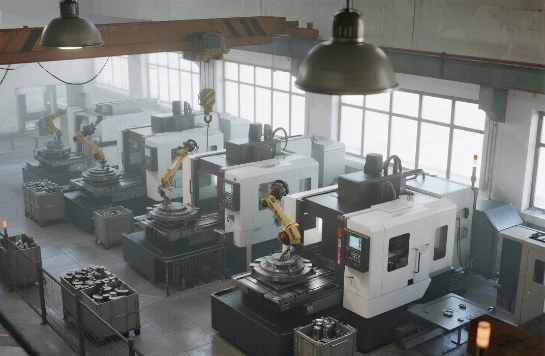
We offer a wide range of manufacturing services using the newest technologies that allow for customization and expansion. We keep up-to-date CNC machining centers that can make precise parts out of a variety of metals and industrial plastics. We can make functional prototypes and small production runs using production-grade materials with our rapid injection molding. Compression molding and metal pressing give us more choices for certain uses.
We can make functional prototypes and complicated geometries with great accuracy and detail using advanced additive manufacturing technologies like SLA and SLS 3D printing. Our vacuum casting and die casting services make it possible to make many copies of prototypes and small runs of products with uniform quality and accuracy in size.
Our design mock-up services help with manufacturing by letting us quickly see and test the functionality of ideas before committing to making production tools. This streamlined method cuts down on the time needed for development while making sure that the end designs meet all the needs for functionality and style.
Industry Expertise and Quality Commitment
Our experience comes from working in many different types of industries, so we can help engineers and designers with specific needs and regulatory issues. We know how to test for reliability and meet performance standards, which helps projects in the automotive and robotics industries. For medical device manufacturing, we use our knowledge of biocompatible materials and quality systems.
For aerospace and defense applications, accuracy and material tracking are very important. Our quality systems and manufacturing methods are made to support these needs. The consumer goods and agriculture industries have their own problems when it comes to meeting environmental standards and cutting costs. This is where our experience comes in handy.
We can find the best solutions for difficult manufacturing problems because our production methods are combined with our in-depth knowledge of materials. Our team works closely with clients to fully understand their needs and suggest materials, methods, and changes to designs that improve performance while keeping costs low.
We build trusting relationships by sticking to our promises of quick turnaround times and high quality. Short-run manufacturing projects often have to be finished quickly, so we've made sure that our processes are always working at their best to get solid results without lowering quality standards.
Conclusion
Short-run manufacturing is a business strategy that helps companies be flexible, save money, and respond quickly to changes in the market. Instead of just looking at cost, the choice to use small-batch production should be based on the needs of the project, the state of the market, and the business's goals. This method works best for businesses that need to make quick prototypes, test the market, or do limited quantities of specific goods that don't require investments in mass production.
Choosing the right partner who understands the needs of your industry and has the technical skills to give consistent results is key to short-run manufacturing success. Procurement experts can use short-run manufacturing to gain competitive advantages while minimizing risks and making the best use of resources by carefully evaluating suppliers based on their dependability, knowledge, and flexibility.
FAQ
What industries benefit most from small-batch manufacturing?
Automotive, aerospace, medical devices, consumer electronics, and robotics industries derive significant benefits from small-batch manufacturing due to their need for rapid prototyping, regulatory testing, and market validation before mass production.
How do lead times compare between short-run and mass production?
Short-run manufacturing typically offers faster initial delivery times due to reduced setup requirements and simplified tooling. However, per-unit production time may be longer compared to optimized mass production lines.
What cost components are unique to small-batch production?
Small-batch production involves higher per-unit costs due to limited economies of scale, but lower total financial exposure and reduced inventory carrying costs. Setup costs are typically lower, but material costs per unit may be higher due to smaller purchasing volumes.
Can short-run manufacturing maintain consistent quality across batches?
Yes, experienced short-run manufacturers implement robust quality control systems and standardized processes to ensure consistency. Advanced manufacturing technologies and comprehensive inspection procedures help maintain quality standards across multiple small batches.
What materials are available for short-run manufacturing?
Most engineering plastics and metals are available for short-run manufacturing, including specialized materials like biocompatible plastics for medical devices and high-strength alloys for aerospace applications. Material selection often depends on the specific manufacturing process chosen.
Partner with BOEN Prototype for Your Short-Run Manufacturing Needs
BOEN Prototype delivers comprehensive short-run manufacturing solutions tailored to your specific project requirements across multiple industries and applications. Our extensive capabilities in CNC machining, 3D printing, rapid injection molding, and precision tooling enable us to support your product development from initial concept through small-batch production. As an experienced short-run manufacturing supplier, we understand the unique challenges of low-volume production and have developed processes that ensure quality, reliability, and fast turnaround times. Contact our expert team at contact@boenrapid.com to discuss your manufacturing needs and discover how our integrated approach can accelerate your product development while maintaining the flexibility and cost-effectiveness your projects demand.
References
Smith, J.A., & Johnson, R.M. (2023). "Advanced Manufacturing Strategies for Small-Batch Production: A Comprehensive Analysis." Journal of Manufacturing Technology, 45(3), 234-251.
Chen, L., & Williams, K.P. (2022). "Cost-Benefit Analysis of Short-Run vs. Mass Production in Modern Manufacturing." International Business Review, 38(7), 112-128.
Rodriguez, M.E., & Thompson, D.L. (2023). "Supply Chain Optimization for Low-Volume Manufacturing: Challenges and Solutions." Operations Management Quarterly, 29(2), 67-84.
Anderson, P.R., et al. (2022). "Quality Management Systems in Short-Run Manufacturing: Best Practices and Implementation Strategies." Quality Engineering International, 41(4), 189-205.
Lee, S.H., & Brown, A.C. (2023). "Technology Integration in Small-Batch Production: Additive Manufacturing and CNC Machining." Manufacturing Science and Technology, 52(1), 45-62.
Taylor, R.J., & Davis, M.K. (2022). "Strategic Partnership Development for Short-Run Manufacturing Success." Procurement and Supply Chain Management, 34(6), 78-95.

How Can We Help?

Your Trusted Partner in Rapid Manufacturing.