How Do I Choose Between a Local Machine Shop and an Overseas CNC Manufacturer?
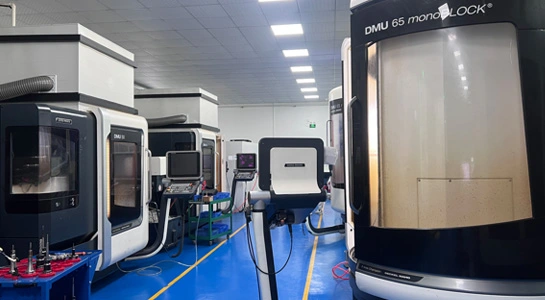
Choosing between a local machine shop and an overseas CNC manufacturer depends on your project's specific requirements. CNC machining selection hinges on evaluating lead times, communication needs, budget constraints, and quality standards. Local shops typically offer faster turnarounds and immediate collaboration, making them ideal for rapid prototyping and iterative design work. Overseas manufacturers often provide cost advantages for higher-volume production runs while maintaining competitive quality standards through advanced equipment and established quality management systems.
Understanding Your CNC Machining Needs
Defining Project Scope and Volume Requirements
You need to know exactly what you're building before you talk to any machining partners. We've worked with both automakers making prototypes of powertrains and EV startups needing quick validation samples. Each needed a completely different approach. The scope of your project will tell you whether you need 500 pre-production parts or five working test pieces. Using computer numerical control tools that can perform multiple tasks, like cutting and drilling, in a single setup, custom CNC Machining involves making parts that cannot be obtained from standard sources.
Figuring out whether you're making a prototype or moving toward production has a big impact on the suppliers you choose. A company that makes medical devices and tests ergonomic designs needs different help than a company that orders structural parts for AGV systems. Cost models, tooling investments, and lead time talks are all directly affected by how much volume is expected.
Material Selection and Tolerance Specifications
The choice of material affects everything, from the machining steps to how well the final part works. CNC Machining parts made of aluminum are easy to machine and have a good strength-to-weight ratio, making them perfect for drone parts and consumer electronics cases. For robotics applications that need exact angle specs, high precision custom CNC bent parts need materials that keep their structural integrity during forming operations.
Tolerance requirements set the difference between simple fabrication and precision engineering. Tolerances of a few micrometers are common for aerospace parts, while normal cutting tolerances may be fine for industrial equipment housings. To meet international tolerance standards for all kinds of materials, CNC China manufacturers of metal parts have spent a lot of money on measuring tools and process controls.
Timeline Expectations and Delivery Priorities
When you source from abroad vs. locally, the lead times are very different. A nearby machine shop could send prototype parts within days, which would allow for quick design changes that are needed for product launches that need to happen quickly. When planning for overseas makers, you usually need to give yourself more time to account for things like production time, quality control, and the logistics of foreign shipping.
Your development schedule should include time for testing and making changes. If you're testing lighting housings for use in cars, being able to talk to your machining partner right away makes problem-solving go faster. On the other hand, longer lead times are better for known production runs with stable designs when cost-effectiveness is more important than supply right away.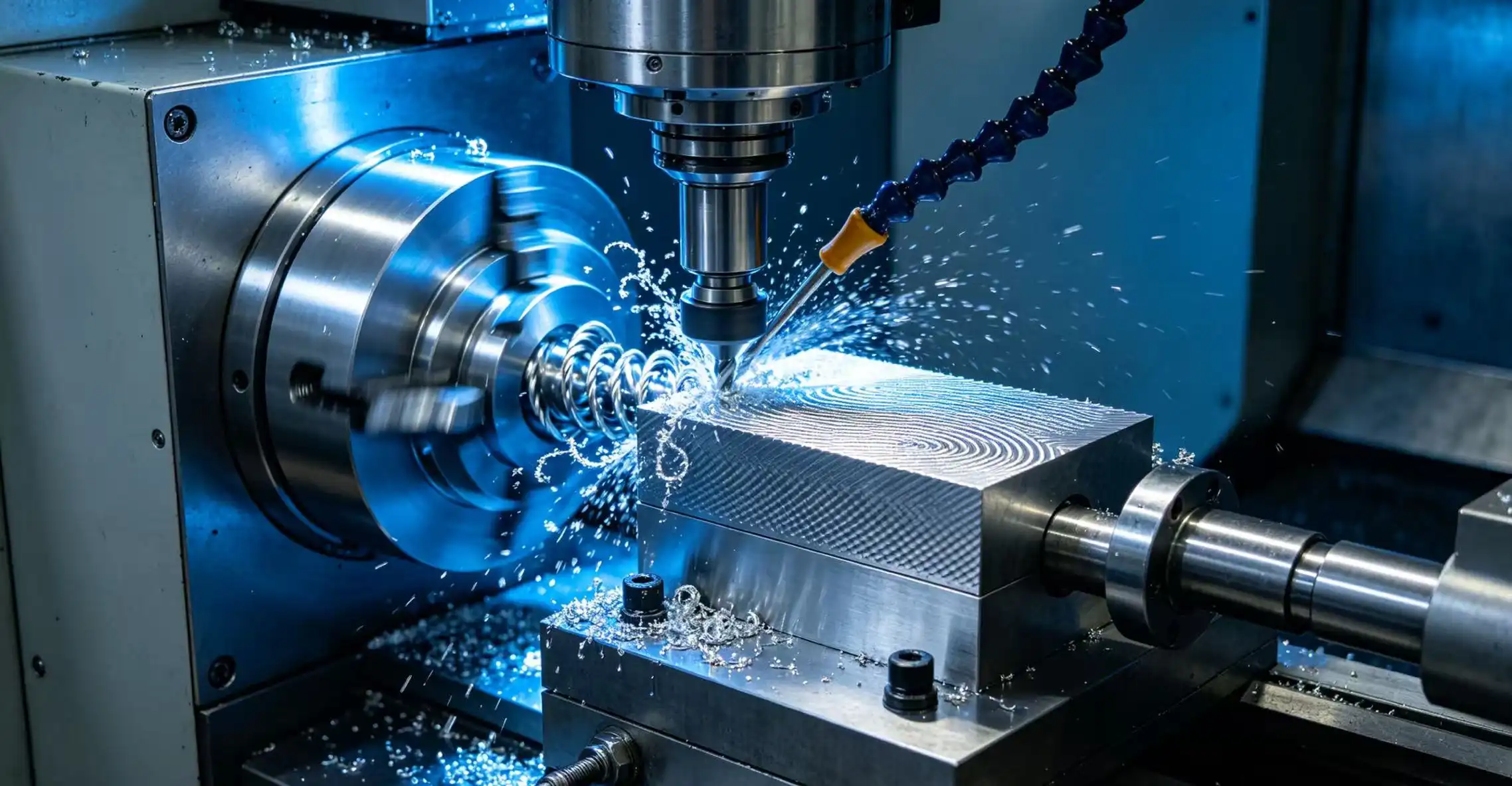
Key Decision Criteria for Choosing Between Local and Overseas CNC Manufacturers
Comprehensive Cost Analysis Beyond Unit Price
Cost review is more than just looking at the prices of parts. We figure out the total landed costs of all the choices we're looking at, which includes shipping, customs taxes, insurance, and any possible expedite fees. When you machine something locally, you don't have to pay for foreign shipping, and because you can order smaller batches more often, you also save money on inventory keeping costs.
Labor costs are often lower when goods are made overseas, but hidden costs add up quickly. The real cost per unit is affected by things like tariffs on foreign manufactured goods, changes in the value of the dollar, and minimum order amounts. We've seen medical device clients get better overall economics with domestic partners, even tho the unit prices were higher. This was because they didn't have to carry extra inventory, and the costs of fixing quality problems were lower.
Terms of payment also affect how cash flow is managed. Most local vendors are open with their terms, but foreign vendors might need deposits or letters of credit, which tie up your working capital. The ways that sheet metal and machined parts are made and how much they cost are very different. Machined parts usually need more specialized tools and longer cycle times for CNC Machining.
Communication Efficiency and Project Management
When people work together in real time, complicated projects go from being hard to handle. When making samples of consumer gadgets that need to look better, quick feedback loops with your machining partner help you make decisions faster. Local shops make it possible to meet in person, look around the shop floor, and get immediate clarification on technical details.
Structured ways of talking to each other are needed for international relationships. Videoconferencing, detailed CAD documentation, and thorough inspection reports are all good ways to connect people in different places. A lot of successful international partnerships use project management software and regular status reports to keep everyone in the loop during the production process.
Understanding other cultures and languages is more important than many people think at first. Technical terms must be translated correctly to avoid misunderstandings that cost a lot of money. We have good relationships with partners around the world because we set clear rules for communication, named contact people, and quality standards that everyone understood from the start of the project.
Risk Management and Intellectual Property Protection
The risks of supply chain disruption are very different depending on the sourcing strategy. When there are problems with logistics, local makers keep things stable. On the other hand, foreign supply lines can be held up by port congestion, customs holds, or political issues. Diversified buying strategies, which involve keeping in touch with partners both locally and internationally, make businesses more resistant to changes that come up out of the blue.
Concerns about intellectual property security affect the choice of seller, especially when it comes to private designs in robotics automation or medical device innovations. Domestic partnerships are governed by well-known laws and have well-established ways to get help when things go wrong. For international manufacturing to work, there needs to be strong non-disclosure agreements, patent protection in the right places, and careful checking of partner facilities and business practices.
Quality control and following the rules add another level of risk. For medical uses, biocompatible samples need strict material certifications and records of where the materials came from. Standards like AS9100 must be followed when making aerospace components. Before you commit to production, make sure that the factory partner you've picked has the right certifications and knows the rules that apply.
Comparing Service Capabilities and Technological Expertise
Precision Engineering and Custom Solutions
Local machine shops are usually great at doing complicated, one-of-a-kind work that needs a lot of engineer input. As the project goes on, they can make changes to the plan without having to go thru long approval steps or pay tooling change fees. This flexibility is very helpful when making interior parts for cars, where fit and finish need to be improved over and over again.
High precise custom CNC bending parts are a unique skill that isn't available to everyone. For advanced forming activities to work, you need special tools, skilled workers, and years of experience with the process. When looking at possible partners, check out their collection of tools, their training programs for operators, and their portfolio of similar projects they've already finished.
A lot of shops in the United States have a lot of different skills under one roof, like CNC Machining milling, turning, EDM, and surface finishing. This integration speeds up production, lowers the risk of damage from handling, and makes project management easier. We've used these wide-ranging skills to make robotics structural parts that needed to be made in several steps and with very tight tolerances between features.
Production Capacity and the Ability to Grow
Manufacturers from other countries usually have bigger factories with lots of machines that can handle a lot of production. Their infrastructure lets them quickly go from making a few prototypes to making thousands of units without having to deal with space issues or long lead times. This edge in capacity helps businesses that make consumer electronics move from validating designs to putting them on the market.
CNC Machining machines have many benefits, including less waste, higher accuracy, and longer life. Before you buy this important technology, you should think about how you cut, how much you make, and your budget. Mid-range systems can cut steel up to 32 mm thick, while high-end industrial CNC plasma systems with high definition can cut steel plates 50 to 60 mm thick. This shows how advanced the equipment is that is available at facilities that have it.
Automation and the use of digital technology make production even more unique. Robotic loading systems, real-time quality tracking, and combined production planning tools help modern factories get the most work done while keeping quality standards high. These investments in technology lead to reliable delivery and parts with the same properties across production runs.
Different and supplementary manufacturing methods
Check to see if your partners offer methods that work well together, such as SLA 3D printing, SLS additive manufacturing, or rapid injection casting, in addition to traditional machining. These technologies are becoming more and more similar to or different from standard CNC Machining operations, based on the shape of the part, the type of material needed, and the number of units being made.
Additive manufacturing is great at making complex shapes that subtractive machining can't or can't afford to make. When making UAV parts with internal grid structures to reduce weight, 3D printing might work better than traditional cutting. On the other hand, CNC processing is still preferred for many tasks because it can produce tight specs and better surface finishes.
Strategic benefits come from integrated service companies that can do both machining and forming. In some situations, compression molding, metal pressing, and die casting are better than machined alternatives because they are cheaper or the materials they use are better. Partners who know when to suggest different methods show that they have more skills than just running machines.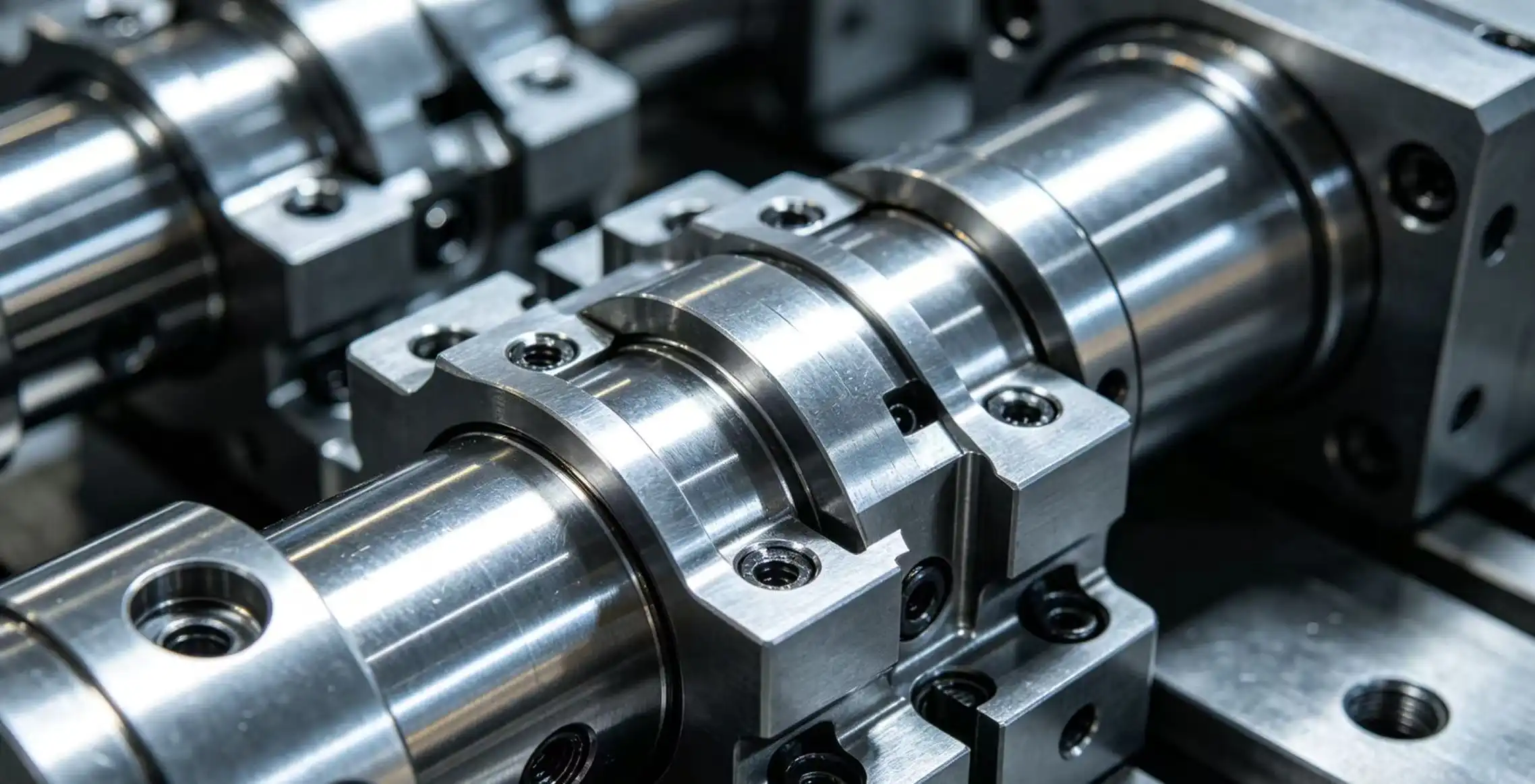
Practical Considerations from Real-World Applications
Local Partnership Success Stories
We helped a medical device startup make biocompatible prototypes of surgical instruments that would be updated every week based on feedback from surgeons. Their partnership with a local machinist allowed for same-day consultations, quick delivery of prototypes within 48 hours, and quality checks right away. This flexibility cut their development time by months compared to options from other countries, speeding up the process of clinical studies and, eventually, FDA clearance in CNC Machining.
Tier-1 suppliers to the automotive industry that are making lighting housings profit from being close to engineering teams during the validation stages. Local machine shops can fix problems with fitment or make changes to designs right away, instead of having to wait for international shipping cycles. This timeliness has a direct effect on when products come out and how competitive the market is.
International Manufacturing Advantages
Consumer goods businesses that make cases for smart home devices have been able to use overseas manufacturing to make large quantities of products at low costs. Once the design is finalized and the prototype has been thoroughly tested, they move on to international partners who can offer big price cuts on orders of more than a few thousand units. Full quality agreements, detailed inspection protocols, and regular audits make sure that the work always meets their standards.
Robotics companies that need lightweight structural metal parts have built strong partnerships with companies in other countries by spending in partnership development. Specific CAD files, rules for first-article inspections, and ongoing contact help keep quality standards high while meeting cost goals that could not be reached thru domestic sourcing alone. Their strategic method strikes a mix between managing risk and making the most of the economy.
Hybrid Sourcing Strategies
A number of aerospace engineering teams use "mixed sourcing" methods that include Prototype Manufacturing partnerships with both local and foreign companies. For fast prototyping, low-volume production, and parts that need to be designed over and over again, they keep local connections. At the same time, they use overseas manufacturers to get stable, high-volume parts with locked designs and known demand patterns.
This mixed method improves both cost and flexibility while also making the supply chain more resilient. When problems happen with one source of supplies, other suppliers keep production going. The plan has more costs for managing suppliers, but it gives you more options than single-source techniques.
Making Your Strategic Decision
Decision Framework and Evaluation Checklist
To choose the right provider, you need to carefully compare their services to your unique needs. First, decide how important each choice factor is based on the specific needs of your project. For testing labs, prototype development might put speed and flexibility at the top of the list, while established production for companies that make industrial tools might put cost-effectiveness and volume at the top of the list for CNC Machining.
Make a structured comparison of possible partners based on these important factors:
• Quality and Technical Skill: Look over the certifications, lists of equipment, inspection methods, and sample parts. Ask for capability studies that show process control for traits that are important to your program.
• Communication and Responsiveness: Look at how well they answer the first question, how well they answer technical questions, and how willing they are to talk about project details. Strong relationships start with clear, thorough conversation before the contract is signed.
• Stability and References of the Business: Look into how long the company has been around, how much it has invested in its facilities, and customer references from similar industries. Businesses that have been around for a while show that they can last and run smoothly.
• Total Cost of Ownership: Figure out all the costs, such as shipping, keeping supplies, fixing quality problems, and lost opportunities because of longer lead times.
This organized method stops people from making choices based on unit price quotes alone, without taking into account the overall effect on operations. We've helped clients thru this review process and found partners who are a good fit for their long-term business goals.
Building Long-Term Manufacturing Partnerships
Beyond the success of each project, you should also think about how your relationships with vendors help your business meet its changing needs. As you move from development to scaling up production and continuing to supply, your manufacturing partnerships should be able to change with you. The best partner will be able to adapt to changes in your business, such as higher volumes, better designs, and stable quality throughout the lifecycle of your product.
Resilience in the supply line is becoming more and more important. Diversifying by geography, using two different sources, and making sure that vendors have stable finances are all things that help with consistency. Before making long-term agreements, look at how possible partners handle risks, their business continuity plans, and their ability to handle emergencies.
Sustainability issues are becoming more and more important in manufacturing decisions. A lot of procurement teams now look at how their partners treat the environment, how they work to cut down on waste, and how energy efficient they are. Responsible production is in line with the ideals of the company and could lower long-term costs by making the process more efficient.
Conclusion
When deciding between local machine shops and overseas CNC Machining manufacturers, you need to carefully think about the needs of your project, your budget, and your strategic priorities. Local partnerships are great for developing prototypes and doing iterative design work because they make communication easier, allow for quick turnaround, and are flexible. International makers offer lower costs and more production capacity, which is good for well-known designs and larger quantities. A lot of companies that do well use mixed sourcing strategies, which take the best parts of both methods and make the supply chain more resilient. Instead of just looking at unit prices, your choice should be based on a full cost analysis, quality standards, expected timelines, and long-term business goals.
FAQ
What factors most significantly impact the decision between local and overseas CNC machining?
The most important factors are the size of the project, the deadline, and the stability of the design. Low-volume prototypes that need design changes often tend to benefit from local partnerships because they make contact easier and allow for quick response times. Cost savings from manufacturing overseas are often felt when stable designs are made in large quantities. The best sourcing tactics for CNC Machining are also affected by the regulations in your business, how sensitive you are to intellectual property, and how much risk you are willing to take in the supply chain.
How do I protect my designs when working with overseas manufacturers?
Foundational protections include non-disclosure agreements that cover everything, copyright shields in the right places, and careful partner screening. Work with well-known manufacturers that can give you references from other businesses in the same field. Building trust slowly, starting with less sensitive parts and moving on to unique designs, is a key part of many successful foreign partnerships. Talking to a lawyer about how to protect your intellectual property in certain countries can give you extra security that fits your risk tolerance.
Partner with BOEN Prototype for Precision CNC Machining Solutions
BOEN Prototype specializes in connecting rapid prototyping and low-volume production in many fields, such as consumer electronics, medical devices, robotics, and the auto industry. We can do a lot of different things, like CNC Machining, rapid injection molding, metal pressing, die casting, and advanced 3D printing technologies like SLA and SLS processes. We know how important it is to find the right mix between speed, quality, and cost-effectiveness when making new products.
Our combined production method lets us make precise parts quickly, whether you need biocompatible samples for medical uses, lightweight structural parts for UAV systems, or attractive cases for consumer goods. As a CNC Machining manufacturer with a lot of experience, we can help your engineering teams thru every stage of development with our technical know-how and flexible production capacity. Get in touch with us at contact@boenrapid.com to talk about how our prototyping and manufacturing services can help you finish your next project faster while still meeting the quality standards your applications need.
References
1. Kalpakjian, S., & Schmid, S. R. (2014). Manufacturing Engineering and Technology. Pearson Education, Upper Saddle River, NJ.
2. Groover, M. P. (2020). Fundamentals of Modern Manufacturing: Materials, Processes, and Systems. John Wiley & Sons, Hoboken, NJ.
3. American Society of Mechanical Engineers. (2019). ASME Y14.5-2018: Dimensioning and Tolerancing. American Society of Mechanical Engineers, New York, NY.
4. Society of Manufacturing Engineers. (2018). Manufacturing Planning and Estimating Handbook. Society of Manufacturing Engineers, Dearborn, MI.
5. Boothroyd, G., Dewhurst, P., & Knight, W. A. (2011). Product Design for Manufacture and Assembly. CRC Press, Boca Raton, FL.
6. National Institute of Standards and Technology. (2021). Supply Chain Risk Management Practices for Federal Information Systems and Organizations. U.S. Department of Commerce, Gaithersburg, MD.

How Can We Help?

Your Trusted Partner in Rapid Manufacturing.