What Are the Advantages of Using a China-Based Prototype Manufacturer?
China's manufacturing landscape has transformed product development across industries, offering unparalleled capabilities in rapid prototyping that help businesses bring innovations to market faster. When procurement professionals evaluate China Manufacturing partners for prototyping needs, they discover a unique combination of cost efficiency, technical expertise, and infrastructure that rivals few other global manufacturing destinations. This advantage becomes especially pronounced in industries requiring complex geometries, diverse material options, and quick iteration cycles—from automotive powertrain components to medical device biocompatible prototypes and aerospace-grade structural parts.
Understanding China's Prototype Manufacturing Landscape
China's industrial corridors have been a hub for industry for decades, with a lot of money invested in technology, skill, and integrating the supply chain. Specialized skills have been developed at regional manufacturing hubs that help different industries very precisely.
Regional Specialization and Technical Clusters
Shenzhen has become the center for electronics prototyping. Within a ten-kilometer radius, companies that make consumer electronics and smart home products can reach thousands of suppliers of parts. This regional concentration cuts wait times for getting specialty materials like flame-resistant ABS for cases or polycarbonate that doesn't reflect light by a large amount. Automotive and robots development are both very good in Guangzhou. Manufacturers there can make functional validation parts for EV battery systems and precise structure components for AGV platforms. Shanghai is still good at making prototypes for medical devices, and biotech companies can use buildings that meet ISO 13485 standards for sterile production.
Advanced Manufacturing Technology Adoption
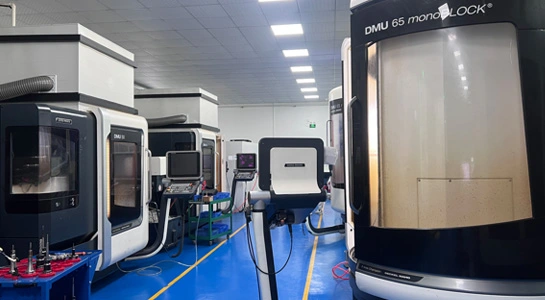
Chinese prototype makers have jumped on the chance to use new technologies that make their work faster and more accurate. With tolerances as small as ±0.005mm, multi-axis CNC machining centers that can use live tools can make complex aerospace parts. Selective Laser Sintering systems make working prototypes out of engineering-grade nylon that can be put through stress tests in robotics. Metal 3D printing shops that use Direct Metal Laser Sintering technology can make lightweight titanium parts for UAV airframes that have the same properties as parts that are machined normally. This technology framework allows for quick design changes that help OEMs and Tier-1 suppliers make sure ideas are good before investing in production tools.
Supply Chain Integration and Material Accessibility
Prototype makers have access to materials that would be hard to get in other places because of the extensive supply chain infrastructure that surrounds them. Material suppliers offer over 200 different types of plastic resins, aluminum alloys, and specialty metals to manufacturers. Because of this, companies that make medical devices can get safe PEEK for testing samples that are comfortable to use, and companies that work on aerospace engineering can get aviation-grade aluminum 7075-T6 for prototypes that are ready for approval. Because the processing plants and raw material sources are close by, material lead times drop from weeks to days, which greatly speeds up the overall project timeline.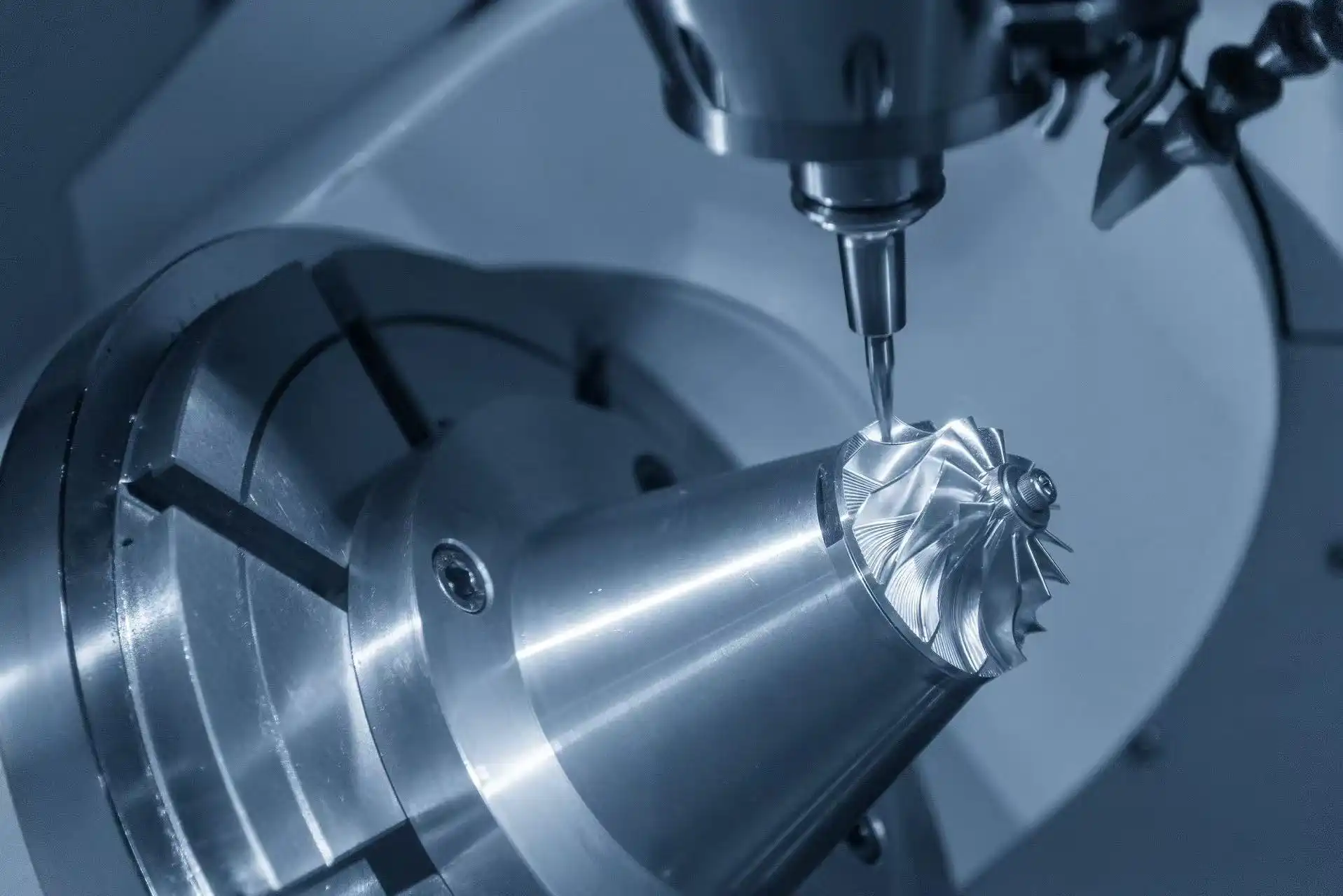
Core Advantages of Using a China-Based Prototype Manufacturer
Working with Chinese manufacturers has measurable benefits that affect both the cost of the project and how quickly it is built. These benefits come from the way the industrial environment is set up, not from short-term changes in the market.
Cost Efficiency Without Quality Compromise
Everyone who buys something has to think about their budget, and making prototypes in China Manufacturing is always 30–40% cheaper than doing the same thing in North America or Western Europe. This difference in prices comes from making good use of labor, improving production workflows, and buying materials in bulk at lower prices. The savings are especially big for prototypes that are very complicated and need a lot of time to be machined or special surface treatments like powder coating or anodizing.
When working with Chinese makers, we've seen that car testing labs that need more than one version of lighting housings can finish three design cycles within the budget that was set for just one version. The financial freedom lets engineering teams try out more design options, which leads to better solutions in the end. Medical device companies that are making ergonomic testing samples can afford statistically significant sample sizes, which boosts validation confidence before moving on to production tooling.
Rapid Turnaround and Agile Development Support
In fast-moving fields like consumer goods and electric vehicle development, speed to market sets a company's competitive edge. Lead times at Chinese prototype makers are short enough to support truly rapid development methods. For example, CNC-machined prototypes are usually delivered within five to seven business days, and vacuum-cast parts within ten days.
This speed is due to better planning of production hours, skilled workers working longer shifts, and easier ways to communicate. When an industrial design company needs to make prototypes that look good for client shows, the short schedule lets them get feedback more than once in a month. Companies that are making drones with new airframe designs can test changes to the structure once a week instead of once a month, which greatly shortens the time it takes to get certified. The speed at which Chinese manufacturers work naturally fits with the need for quick iterations in robotics, aerospace, and medical device development.
Comprehensive Manufacturing Capabilities Under One Roof
Chinese prototype makers are different from more specialized rivals in the area because they can use a wide range of manufacturing methods. Many facilities combine CNC machining, injection molding, die casting, vacuum casting, and different types of 3D printing in one place. This gets rid of the communication problems that come with using more than one provider.
Manufacturers of smart-home devices like being able to get both injection-molded enclosures and CNC-machined internal brackets from the same supplier. This makes sure that the dimensions are compatible and makes logistics easier. System builders that make robotics platforms get both precision-machined gear housings and metal-pressed chassis components from the same maker. This cuts down on assembly tolerances and makes managing the supply chain easier. This structure of integrated capabilities is especially helpful when moving from prototyping to low-volume production, because process knowledge moves without any changes to the vendor.
Scalability From Prototype to Production
A lot of Chinese makers are very good at getting their products from prototypes to mass production, which can be hard to do. Facilities that offer both rapid tooling and production-grade tooling make it possible for easy changes that keep the design purpose while improving the ability to make the product.
EV companies making parts for the drivetrain can test their designs on aluminum samples and then easily switch to die-cast production parts using the same manufacturer's tools. Medical labs that test pre-production parts benefit from working with manufacturers who know what kind of paperwork is needed by regulators and keep track of systems that are good enough for FDA submissions. This continuity cuts down on the risks and delays that come up when designs are moved from prototype shops to production facilities, which is a problem that always comes up when buying from places where manufacturing ecosystems aren't connected.
Overcoming Challenges When Working with China-Based Prototype Manufacturers
There are a lot of benefits to having prototypes made in China Manufacturing, but procurement professionals get the best results by proactively addressing common partnership problems with structured approaches and clear communication frameworks.
Quality Assurance and Inspection Protocols
Setting high standards for quality from the start of a project saves time and money by avoiding costly rework and delays. When GD&T standards are included in detailed technical drawings, there is no doubt about the size needs. Material approvals that prove grade and makeup make sure that parts meet performance standards that are specific to the application. This is especially important for biocompatible medical samples or aerospace-grade structural parts.
Third-party inspection services check the accuracy of the measurements, the quality of the finish, and the material's properties on its own before it is shipped. Coordinate Measuring Machine results show that CNC-machined parts are within the allowed tolerances, and material hardness testing shows that tool parts were heated properly. These steps of proof help people trust each other and set up systems of responsibility that are good for both parties in long-term relationships.
Communication and Project Management
To work together with manufacturers in different time zones and cultures, you need to set up intentional ways to communicate. Setting up primary points of contact on both sides makes everyone responsible and keeps information from getting lost. Emails are supplemented by weekly video chats, which allow real-time discussion of technical questions and design changes that would normally need more than one message loop.
Misunderstandings are less likely to happen when there is full design documentation, such as 3D CAD files, detailed drawings with exact measurements, and clear material specifications. When designers of flight parts describe the surface finish they need using standard Ra values instead of subjective words, makers can give accurate quotes and deliver the right processes. This practice of writing helps everyone by setting clear goals for success and cutting down on the number of times things need to be changed.
Intellectual Property Protection
Protecting proprietary designs when working with makers in other countries is still a real concern that needs to be addressed through contractual protection and operational controls. Non-disclosure agreements that are specifically made for manufacturing relationships set up legal protections for privacy. Enforceable protections are created by contracts that say who owns the tools, don't allow unauthorized production, and say what happens when IP rights are violated.
Legal rights are backed up by operational steps that limit the amount of information that can be seen in the Supply Chain. Sharing only the prototypes of the parts that are being worked on instead of the full assembly designs makes the system less vulnerable. For very sensitive projects, splitting up production among several suppliers adds more layers of security, even tho it makes coordination more difficult. Many well-known Chinese makers have built their reputations on protecting intellectual property (IP), and they actively market this trustworthiness to draw high-end customers from other countries.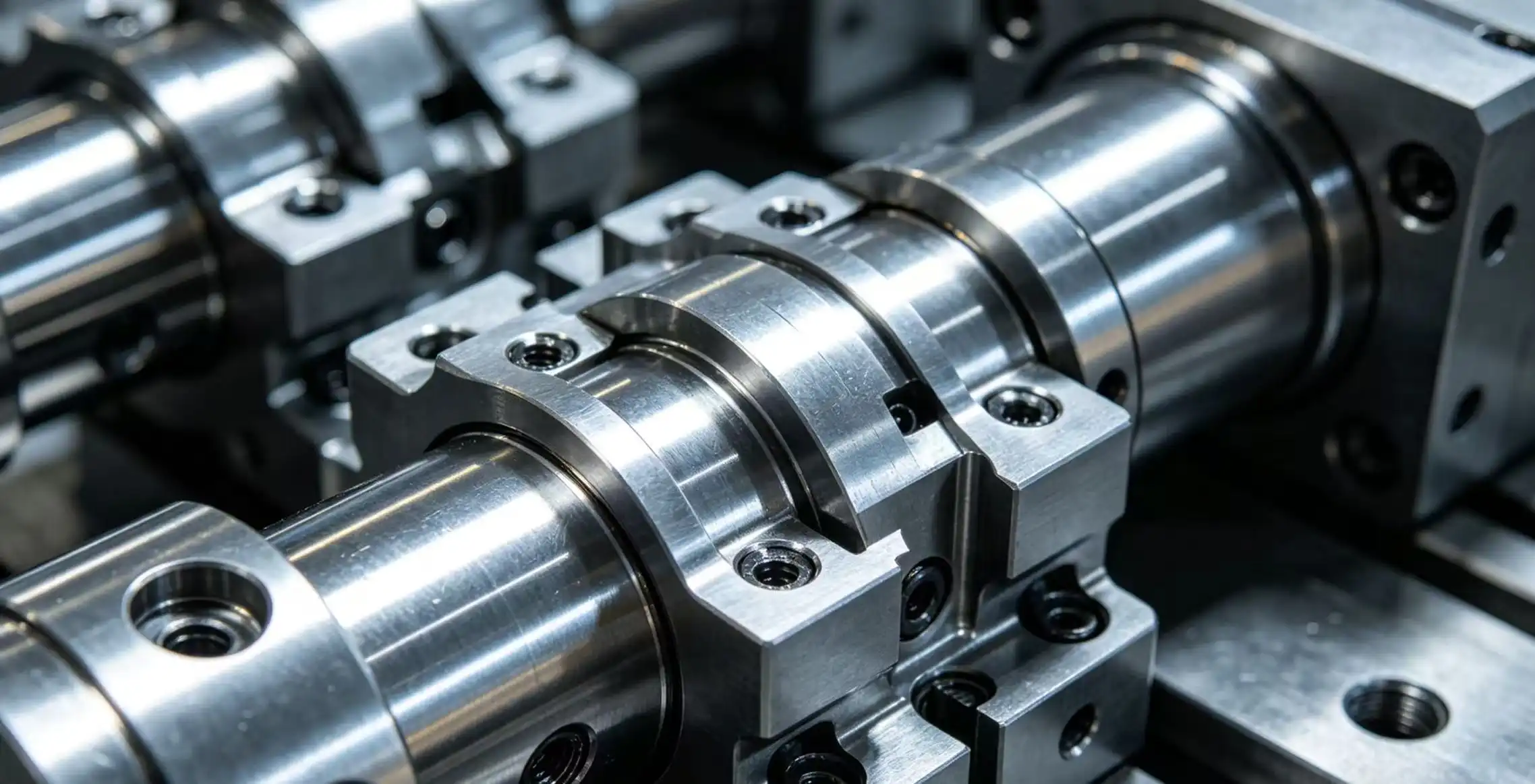
How to Choose the Right China-Based Prototype Manufacturer for Your Business?
Choosing the right factory partner has a big effect on how the project turns out, so it's important to do a thorough evaluation before making a purchase. There are many things beside cost that need to be carefully thought through when setting up these important relationships.
Technical Capability and Equipment Assessment
Misalignment that leads to delays and quality problems can be avoided by matching the manufacturer's skills to the needs of the project. It is important to check a manufacturer's capabilities because ones that focus on precise CNC machining might not know much about vacuum casting or compression molding. Asking for lists of tools, certifications for materials, and examples of projects that are similar to the one you're applying for gives you solid proof that you have the right experience.
Robot makers who need lightweight structure parts should look for suppliers who can machine in five dimensions and have experience with aluminum and carbon fiber composite materials. Companies that make medical devices need partners who know about biocompatible materials, cleanroom production environments, and the paperwork that regulators need. Developers of aerospace parts should make sure that the people who make them have experience with aviation-grade materials and know what the AS9100 quality standards are. This technical alignment makes sure that makers understand each customer's specific needs without having to go through a lot of training.
Certification and Quality Management Systems
Manufacturers who have earned industry certifications have put in place structured quality processes and invested in compliance infrastructure. Basic quality management systems are shown by ISO 9001 certification, while industry-specific certifications, such as ISO 13485 for medical products or IATF 16949 for cars, show more in-depth knowledge of the subject.
Instead of relying on website claims, looking at the real certification papers makes sure of the current state and coverage area. Talking about audit results and efforts for continuous growth shows if licenses really mean what they say they do or are just extra paperwork. Companies that talk about their own quality metrics and are willing to share inspection data tend to have stronger quality cultures than companies that just use certifications as marketing checkboxes.
Factory Audits and Relationship Development
Virtual or real plant tours give you information that you can't get from just reading the paperwork. When you look at how the production floor is organized, how well the equipment is maintained, and how engaged the workers are, you can see operating discipline that leads to solid performance. Talking to technical staff about how to solve problems and the powers of the process shows if makers can handle the problems that will inevitably come up during prototype development.
Building relationships slowly through smaller projects at first lets both parties evaluate each other before committing to more difficult or valuable work. Starting with a simple CNC sample to set a standard for quality, communication, and meeting deadlines is a good way to start. When you finish a project successfully, you gain confidence to take on more difficult projects that require more than one process or stricter tolerances. This step-by-step method lowers risk and lets both sides find good work habits that make them more efficient over time.
Conclusion
Utilizing prototype manufacturers in China Manufacturing has clear benefits for companies in the automotive, medical, aerospace, consumer electronics, and robotics industries that want to shorten development times while keeping costs low. Advanced manufacturing technology, a complete supply chain infrastructure, and a wide range of process powers work together to make an ecosystem that is perfectly suited to quick iterations and complicated custom needs. To make a relationship work, you need to pay attention to things like IP protection, quality assurance, and communication standards. These issues can be dealt with by using structured methods and picking the right suppliers. Procurement experts can build strong relationships that give their companies measurable competitive benefits throughout the product development cycle if they understand China's manufacturing landscape and use strict evaluation criteria.
FAQ
What are typical lead times for prototype orders from Chinese manufacturers?
Standard CNC-machined prototypes usually ship five to seven business days after the design is approved, while vacuum casting projects finish in ten to twelve days. It could take fifteen business days for more complicated projects that need more than one process or special surface treatments. Most of the time, samples made with SLA or SLS technology ship in three to five days. These schedules are based on clear specs and accepted designs. It is normal for revision cycles to add time to the total project length.
How do the prices compare to other countries that make prototypes?
When compared to similar services in North America or Western Europe, Chinese prototype manufacturers usually offer 30–40% cost savings. The difference is more noticeable for labor-intensive processes like CNC machining or manual finishing. China still has 15–25% lower costs than developing industrial regions like Vietnam or India. This is because its infrastructure and supply chain are more efficient, tho this gap has grown smaller over the last few years as competitors in the region improve their skills.
What quality assurance measures should procurement teams implement?
Multiple layers of verification make sure that the quality of the results is always the same. Objective quality evidence is provided by thorough inspection reports that include measures for important features. Third-party inspection services are helpful for high-stakes projects because they offer independent checks before shipping. Setting clear accepted criteria in buy orders makes standards that are easy to understand. Material certifications that prove grade and makeup make sure that parts meet application needs. This is especially important for medical or aerospace uses.
Partner With BOEN Prototype for Your Next Development Project
BOEN Prototype offers complete prototype services that combine the speed and low cost benefits of China Manufacturing with the high-quality standards that clients from around the world expect. Our combined CNC machining, rapid injection molding, die casting, vacuum casting, and advanced 3D printing technologies make it easier for everyone to work together, which speeds up the development process. Our technical knowledge and quick communication will make sure your project succeeds, whether you're an automotive OEM validating powertrain components, a medical device manufacturer creating biocompatible prototypes, or an aerospace team validating UAV structural parts.
A free project consultation is available for procurement professionals and engineering teams to see what makes BOEN different. Our team will look at your unique needs, suggest the best ways to make things, and give you thorough quotes that show how valuable it is to work with a well-known China Manufacturing supplier. Get in touch with us at contact@boenrapid.com to talk about how our prototyping services can help you come up with new ideas faster and spend less on development. Blog.boenrapid.com has more technical tools and case studies showing how clients have worked together successfully in a variety of businesses.
References
1. Chen, L., & Wang, M. (2022). Global Manufacturing Competitiveness: The Evolution of China's Prototyping Industry. International Journal of Production Economics, 245, 108-124.
2. Huang, Y., Zhang, S., & Liu, Q. (2021). Supply Chain Integration and Rapid Prototyping: A Comparative Study of Manufacturing Hubs. Journal of Manufacturing Systems, 58, 334-349.
3. Martinez, R., & Thompson, K. (2023). Cross-Border Manufacturing Partnerships: Risk Management and Quality Assurance in Prototype Development. Supply Chain Management Review, 27(2), 42-58.
4. National Institute of Standards and Technology. (2022). Advanced Manufacturing Technology Adoption: Global Trends and Regional Analysis. NIST Special Publication 1500-12.
5. Porter, D., & Li, H. (2021). Cost Structure Analysis in International Prototype Manufacturing: A Multi-Region Comparison. Manufacturing & Service Operations Management, 23(4), 891-908.
6. Wong, A., Schmidt, F., & Patel, N. (2023). Intellectual Property Protection in Global Manufacturing Relationships: Best Practices for B2B Procurement. Journal of International Business Studies, 54(3), 412-431.

How Can We Help?

Your Trusted Partner in Rapid Manufacturing.