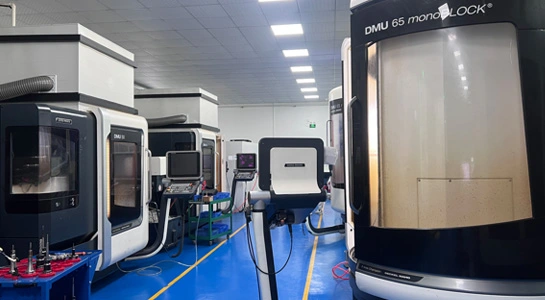
Injection Molding Factories in China for European OEMs
European OEMs seeking manufacturing partners in China face a pivotal decision when selecting injection molding facilities that align with their technical specifications and quality expectations. Among various molding technologies, reaction injection molding has emerged as a strategic solution for producing large, lightweight components with complex geometries at competitive costs. Chinese manufacturers have refined their capabilities in both traditional injection molding and specialized processes like RIM, offering European automotive, consumer electronics, medical device, and aerospace companies scalable production options that balance quality with efficiency. Understanding the landscape of Chinese injection molding factories enables procurement teams to identify partners capable of meeting stringent European standards while delivering exceptional value.
Understanding Reaction Injection Molding and Its Advantages for OEMs
What Makes Reaction Injection Molding Different
One type of production is called reaction injection molding. In this method, two liquids (usually polyols and isocyanates) are mixed quickly and then poured into molds at low pressures. reaction injection molding uses chemical processes that happen inside the mold hole instead of melting thermoplastic granules like traditional injection molding does. Because of this basic difference, it is possible to make parts that are hard to make with standard methods because they are too expensive. The process uses low-viscosity liquids that easily flow into complex mold geometries. This lets makers make parts with different wall thicknesses and complicated surface details that would need more than one step to make with traditional methods.
Core Benefits Driving OEM Adoption
European original equipment manufacturers (OEMs) are using reaction injection molding more and more in their manufacturing processes because it gives real benefits in a number of performance areas. The technology is great at making parts that are both light and strong, and they work better than other options in some situations.
Material Versatility and Performance: reaction injection molding uses thermoset polyurethanes and advanced resins such as Dicyclopentadiene (DCPD), which cure into materials that are very resistant to impact, chemically stable, and consistent in size. When reliability under stress is important, these traits come in handy for things like car body panels, industrial equipment housings, and robots structural parts. Because polyurethane is resistant to chemicals, parts will keep their shape and look even after being exposed to tough environments for a long time. This is different from steel and wood, which break down over time.
Economic Efficiency Through Tooling: Because reaction injection molding requires lower processing pressures (about 100 psi vs. thousands of psi for standard injection molding), aluminum or composite tools can be used instead of hardened steel. This means that initial production costs will be much lower and mold making times will be shorter. This cost structure is very helpful for European OEMs that have to deal with a lot of different versions of a product or small production runs. This is because aluminum molds can be made and changed more quickly and cheaply than steel molds.
Design Freedom and Part Consolidation: reaction injection molding can handle big parts and complicated geometries that would be too expensive to make any other way. Being able to add molded-in color, texture, and built-in features cuts down on the need for assembly and the work costs that come with it. Automotive companies that make door panels or instrument boxes can combine several parts into a single reaction injection molding part. This makes assembly lines run more smoothly and reduces the number of parts that need to be kept in stock.
Because of these benefits, reaction injection molding is a great choice for European OEMs who need to balance performance needs with limited budgets. This is especially true when working with skilled Chinese manufacturers who have invested in modern reaction injection molding equipment and quality systems.
Applications Across Industries
reaction injection molding is flexible enough to be used in many different industries, helping European OEMs stay competitive. reaction injection molding is used by automakers for parts like bumpers, fenders, spoilers, and internal trim that need Class-A surface finishing and to be resistant to impact. Companies that make consumer gadgets like the process for making casings that fit perfectly and look good. Biocompatible polyurethane formulations are used by medical device makers for equipment housings and flexible parts. Robotics companies use reaction injection molding parts for AGV frames and protective covers because they are lightweight and improve operating efficiency.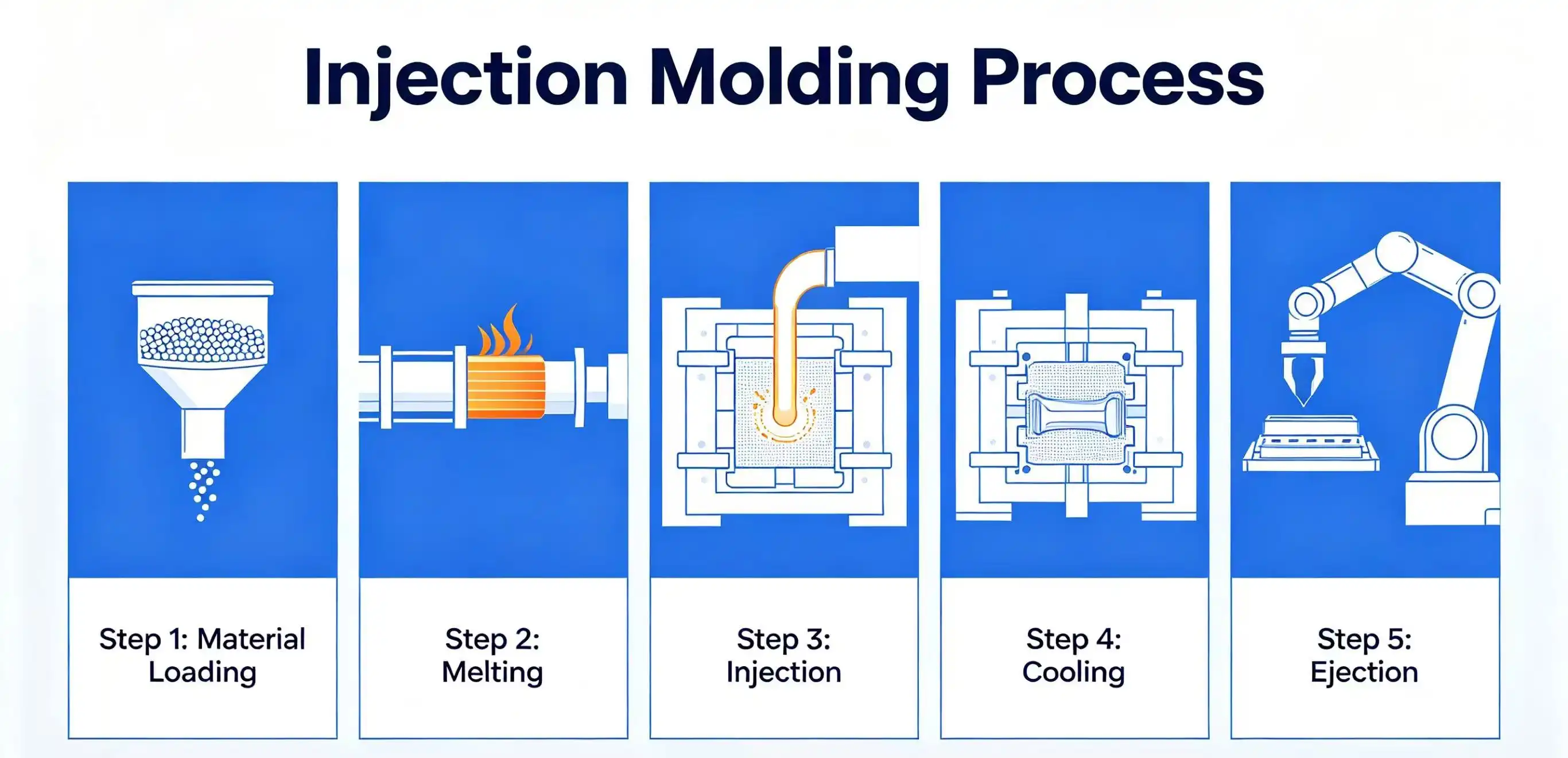
Comparative Analysis: Reaction Injection Molding vs. Other Molding Techniques
Traditional Injection Molding Fundamentals
Standard injection molding is still the most common way to make a lot of similar plastic parts with very tight standards. In this method, thermoplastic polymer pellets (like ABS, polypropylene, or polycarbonate) are melted and pushed under high pressure into steel frames. Once the parts have cooled and hardened, they easily and consistently come out of the mold. When production volumes hit tens of thousands of pieces, this method offers incredibly low costs per unit. This makes it perfect for consumer goods, electronic enclosures, and car interior parts where the design is set and the volume supports the large investment in tools.
Key Process Distinctions
When you compare reaction injection molding to other molding methods, you can see big changes that affect which technology to use for certain OEM uses.
Material Chemistry and Properties: Regular injection molding uses thermoplastics that can be melted down and shaped again, but reaction injection molding uses thermoset polymers that chemically cure in a way that can't be undone. This difference changes the qualities of the material; thermosets usually have better chemical protection and better dimensional stability at high temperatures. Both compression molding and thermoforming use different types of materials and different ways to process them, and each has its own benefits in certain situations.
Pressure Requirements and Tooling Implications: Normal injection molding uses high pressures, often more than 2,000 psi, which means that the tools used must be made of hardened steel and be able to withstand millions of cycles. Because reaction injection molding works with low pressure, it can use softer, cheaper manufacturing materials. This difference has a huge effect on the starting cost and wait time for making tools. reaction injection molding solutions can be put into use weeks faster than standard injection molding projects by European OEMs that are putting out new goods or testing how the market will react.
Cycle Time and Production Economics: For small parts, traditional injection molding usually has faster cycle times; some parts can be made in seconds. Chemical hardening takes a certain amount of time, so reaction injection molding cycle times vary from one to several minutes based on the size and complexity of the part. But when it comes to making big parts, reaction injection molding is often cheaper because other ways would need very expensive tools and a very large press.
Part Size and Complexity Capabilities: reaction injection molding is great at making big parts—some over several square meters—that would be hard for other injection molding machines to make. reaction injection molding materials have a low viscosity, which makes it easier to fill complicated shapes with walls that are different thicknesses. On the other hand, regular injection molding works best with walls that are all the same thickness to keep the temperature stable and prevent warping.
When working with Chinese manufacturing partners, procurement professionals can choose the right methods based on production numbers, part geometry, material needs, and budget limits if they understand these differences.
Raw Material Selection and Quality Standards
Chinese companies that work with European original equipment manufacturers (OEMs) have built partnerships with plastic makers from other countries. This lets them get high-quality polyurethane systems and special formulas. Leading providers get their materials from well-known chemical companies that follow European rules, such as REACH approval for consumer and car uses. Purchasing departments should make sure that their Chinese manufacturing partners get materials that are properly certified and keep track of the supply chain to make sure that everything can be tracked. Quality polyurethane systems have regular mechanical properties, expected cure traits, and long-term performance stability. These are all things that have a direct effect on the quality of the finished part and the reliability of the final product.
How to Choose the Right Injection Molding Factory in China for Your OEM Needs
Manufacturing Capabilities Assessment
To find the best Chinese manufacturing partner, you need to carefully look at their technical skills and make sure they meet your unique output needs. European OEMs should find out if the companies they're interested in have the right tools, process knowledge, and quality methods to work together successfully.
Equipment and Technology Platform: Make sure that any possible partners use up-to-date reaction injection molding machines that have accurate metering systems, temperature controls, and automatic process tracking. Modern factories have environmental rooms, digital process controls, and mixing heads that can mix more than one substance at once. Having supporting technologies like CNC cutting for making tools, surface finishing, and assembly operations shows that the company has a wide range of production skills that can handle complicated projects.
Technical Expertise and Engineering Support: Good relationships go beyond just making things. They also help with design optimization, material selection, and problem-solving throughout the whole process of making a product. Chinese companies that work well with European OEMs usually have engineering teams that know how to use CAD systems, simulation tools, and foreign standards. This knowledge comes in handy during design-for-manufacturing reviews, where experienced engineers look for problems that might come up during production before spending money on tools.
Quality Management Systems: ISO 9001 certification is the basic level of quality management. Certifications specific to an industry, like IATF 16949 for car parts or ISO 13485 for medical products, show that the company has specialized knowledge. European procurement teams should check that quality processes, inspection routines, and paperwork systems are in line with what they need to do. Quality risks are kept to a minimum in factories that use statistical process control, calibrate their tools on a regular basis, and keep full tracking systems.
Evaluating Reliability and Communication
Aside from technical skills, partnerships also need to be reliable in their operations and have good ways to communicate across culture and geographical boundaries.
Track Record and References: Ask for case studies from past European customers who had similar product needs. Reliable makers are happy to give you examples and show that they've completed successful projects in the past by keeping track of quality data, on-time deliveries, and customer happiness. Visiting factories in person or through virtual tours can show how they work, what skills their employees have, and how skilled they are in general, all of which affect the success of a relationship.
Communication Infrastructure: To work together effectively, you need expert friends who speak English and understand European business and engineering terms. Companies that make things for foreign OEMs usually have dedicated account managers, keep contact lines open, and use project management platforms that let you see how the production is going. Misunderstandings that could hurt quality or plans can be avoided by using clear communication methods.
Production Challenge Management: Find out how possible partners deal with common reaction injection molding problems like keeping the right temperature during sealing, making the most of cycle time for thick parts, and making sure the surface finish is consistent. Manufacturers with a lot of experience solve problems in a methodical way, are ready to do tests, and are dedicated to ongoing growth. These are all attitudes that are indicative of long-term relationships that will work out well.
Tooling Costs and Lead Time Considerations
When European OEMs work with Chinese makers, they can better plan their projects when they know how mold development costs and when it needs to be done.
Hardened steel molds usually take longer to make than aluminum molds for reaction injection molding. Lead times can be anywhere from a few weeks to a few months, based on how complicated the cast is. Chinese toolmakers have become very good at making metal molds, and they can often finish tools faster than Westerners while still meeting quality standards. To make sure everyone knows what to expect, procurement teams should talk about how to create tools, how to make changes, and who owns the tools during the first round of discussions. A lot of Chinese makers have adjustable plans that let you spread the cost of tools over several production runs. This makes the project more cost-effective for medium-volume needs.
Streamlining Procurement: Working Effectively with Chinese Injection Molding Partners
Supply Chain Transparency and Management
To have good buying ties with Chinese reaction injection molding makers, you need to be able to see the whole production process, from getting the raw materials to delivering the finished product.
Material Sourcing and Traceability: Reliable Chinese suppliers work with chemistry companies in other countries to get polyurethane systems and custom resins. OEMs in Europe should ask for material certificates that include technical data sheets, safety documents, and guarantees that the product meets the requirements of any applicable laws. Transparent sellers are happy to share information about where their materials come from and keep lot tracking systems in place so that quality problems can be looked into if they happen.
Production Monitoring and Reporting: Modern Chinese companies that work with European customers use digital production tracking systems that let them see the progress of orders, quality metrics, and shipping preparations in real time. During production rounds, buying teams are kept up to date with weekly progress reports, photos, and videos. This openness builds trust and makes it possible to handle schedules proactively.
Lead Time Optimization Strategies: Creating tools, getting samples and approvals, production runs, finishing work, and sending internationally are all normal parts of the reaction injection molding production process. When compared to Western options, Chinese makers can finish medium-complexity projects faster because their processes are well-established. European OEMs can make schedules even better by keeping specs clear, giving feedback quickly during sampling, and setting up framework deals that accept materials and processes ahead of time for ongoing production.
Cost Structures and Negotiation Insights
Knowing how Chinese reaction injection molding makers set their prices helps you negotiate better and plan your budget better.
Investments in tools, materials, labor, quality control, closing processes, and overhead costs are all part of production costs. Chinese manufacturers usually have lower costs for workers and facilities than Western manufacturers, but they buy products from other countries at prices that are about the same. The best value is found when procurement teams talk about volume promises, multi-year agreements, and technical specs that combine cost goals with performance needs. Transparent sellers give detailed quotes that break down costs into easy-to-understand groups. This makes it easier to have useful conversations about costs.
Partnership Success Examples
European car suppliers have been able to work together with Chinese reaction injection molding makers to make big external panels. This has saved them a lot of money compared to making them in-house, and the quality has been maintained through strict supplier development and ongoing checks. Consumer goods companies use China's skills to make quick changes to their products while they're being developed. They can do this because China has quick-turn tooling and flexible production timing, which speeds up the time it takes to get a product to market. Medical device companies get housings and ergonomic parts from approved Chinese partners. They do certification programs that show they follow international rules for medical devices.
These examples show that smart partnerships with qualified Chinese injection molding makers can bring real benefits when procurement teams put time and effort into choosing suppliers, building relationships, and keeping an eye on quality all the time.
Future Trends and Innovations in Reaction Injection Molding for OEMs
Automation and Industry 4.0 Integration
Chinese factories are quickly implementing advanced robotic technologies that make things more consistent, require less labor, and make it easier to keep an eye on the whole process. Robotic part handling, automatic mold temperature controls, and sensor networks that collect real-time process data are all becoming more common in modern reaction injection molding operations. This digital change makes it possible for forecast maintenance, statistical process optimization, and full production paperwork that meets the high standards of quality in Europe. When OEMs work with technologically advanced Chinese makers, they can get smart manufacturing skills that are on par with Western facilities at prices that are competitive.
Sustainable Manufacturing Initiatives
Environmental concerns are becoming more and more important in global supply lines when it comes to making decisions. In response to European demands for sustainability, Chinese reaction injection molding manufacturers are installing heating systems that use less energy, researching bio-based polyurethane formulas, and starting recycling programs for production waste. Some businesses have gained ISO 14001 environmental management approval, which shows that they take organized steps to reduce their effects on the environment. European original equipment manufacturers (OEMs) that care about the environment can find Chinese partners who share these values. These partners can help OEMs meet their corporate responsibility goals while keeping production costs low.
Customization and Flexible Production Models
European OEMs have to deal with a lot of competition, which means that products have to be customized more and last less time. Chinese injection molding companies are changing to meet the needs of their customers by lowering the minimum order amounts, providing quick tooling modification services, and making their schedules open to handle changing production volumes. Because of this change, European companies can now use mass customization strategies, try market versions, and quickly adapt to customer tastes without being limited by the rules of traditional high-volume manufacturing models. Instead of just making a lot of products, advanced Chinese makers market themselves as flexible partners who can help with changing product strategies.
Conclusion
When European original equipment manufacturers (OEMs) look into forming relationships for injection molding in China, they find a complex production ecosystem that can provide quality, efficiency, and new ideas for a wide range of uses. When you need to make big, complicated parts, reaction injection molding is a great way to do it because the material qualities, design freedom, and low cost of the tools make it competitive. Procurement teams can form successful partnerships with qualified suppliers if they regularly check out their manufacturing capabilities, set up clear lines of communication, and put time and money into building relationships with them. As Chinese companies keep using new technologies and environmentally friendly methods, they become more and more important strategic partners for European original equipment makers (OEMs) in helping them make new products and stay competitive in global markets.
FAQ
What are the typical lead times when working with Chinese RIM manufacturers?
Lead times rely on how complicated the project is, but in general, it takes 4–8 weeks to make metal tools, 1–2 weeks for samples and approvals, and 2–4 weeks for production runs, depending on the number of items needed and the level of finishing needed. International shipping adds about 4 to 6 weeks for ocean freight and 1 week for air freight. By cutting out approval steps and keeping tools ready, established relationships with pre-approved processes can shorten these timelines by a large amount.
How do Chinese factories ensure quality standards meet European requirements?
Reliable Chinese companies that work with European OEMs have complete quality management systems that include ISO approvals, in-process checks, dimensional proof using calibrated equipment, and written testing methods. A lot of places of business hire quality managers from Europe or the United States who are familiar with foreign standards and have third-party checks done to make sure they are being followed. Extra levels of quality assurance are added by material certifications, tracking systems, and checks done before shipping.
Can Chinese manufacturers handle low-volume production effectively?
Chinese reaction injection molding factories can meet more and more low-volume needs by being flexible with production schedules and using inexpensive metal tools. In standard injection molding, you need to make a lot of parts to justify investing in steel tools. With reaction injection molding, you can make hundreds or thousands of parts instead of tens of thousands and still make a profit. European OEMs that are in charge of specialized goods, market testing, or uses with naturally low volumes like this flexibility.
Partner with BOEN Prototype for Advanced Injection Molding Solutions
At BOEN Prototype, we're experts at meeting the needs of European OEMs with advanced manufacturing technologies like reaction injection molding and fast prototyping. Our wide range of services includes CNC machining, fast tooling, vacuum casting, and low-volume production for plastic and metal materials. These help with the development of products for use in robots, medical devices, consumer electronics, and cars. We know the technical requirements and quality standards that European customers expect. Our ISO-certified processes and engineering know-how make sure that projects are successful from the idea stage to production. If you need a reaction injection molding maker for complicated parts or integrated development services, our team can get them to you quickly without sacrificing quality. Get in touch with us at contact@boenrapid.com to talk about how our production services can help you reach your product development goals.
References
Society of Plastics Engineers (2022). "Reaction Injection Molding: Process Fundamentals and Industrial Applications." SPE Technical Papers Series, Volume 45.
European Automotive Suppliers Association (2023). "Global Manufacturing Partnerships: Quality Assurance Strategies for International Sourcing." EASA Industry Report.
International Journal of Advanced Manufacturing Technology (2023). "Comparative Analysis of Polymer Processing Methods: Cost, Quality, and Environmental Considerations." Volume 127, Issue 3.
China Plastics Industry Association (2023). "Manufacturing Capabilities Report: Advanced Molding Technologies in Chinese Facilities." CPIA Annual Publication.
Materials Science and Engineering Research (2022). "Polyurethane Systems for Reaction Injection Molding: Performance Characteristics and Application Guidelines." Academic Press.
Institute of Industrial Engineers (2023). "Supply Chain Management Best Practices: European-Asian Manufacturing Partnerships in Automotive and Electronics Sectors." IIE Conference Proceedings.

How Can We Help?

Your Trusted Partner in Rapid Manufacturing.