Low-Volume Manufacturing Solutions for Consumer and Industrial Goods
Low-volume manufacturing is an important way for businesses to make things when they are between testing and full-scale mass production. This way of making things can usually handle production runs of a few dozen to several thousand parts. It gives companies the freedom to try markets, make goods unique, and improve designs without having to make the big investments needed for high-volume tooling. We've seen how this strategic method changes the time it takes to make products in the aerospace, medical devices, consumer electronics, and automotive industries at BOEN Prototype. It helps our clients bring new ideas to market faster while handling financial risk well.
Understanding Low-Volume Manufacturing: Concepts and Benefits
What Defines Low-Volume Production
Usually, there are two types of manufacturing: expensive custom creation done by hand in small workshops, and mass production intended to make tens of thousands of similar parts. low-volume manufacturing is the middle ground between these two methods. It usually makes between ten and several thousand parts. Small-batch production uses new technologies to stay flexible without having to pay a lot of money up front. This is different from mass production, which needs standard designs and expensive tools that can add weeks or months to the time it takes to make something.
Strategic Advantages for B2B Procurement
We know that people who work in procurement are always under pressure to find the best mix between quality, speed, and price. Small-batch production directly solves these problems by cutting down on the cost of tools and speeding up the time it takes to get products to market. When injection molding tools can cost over five figures and put designs in place, our method of using CNC machining, fast tooling, and additive manufacturing lets us make small changes over and over again as the project is being developed. This versatility is very helpful for reacting to feedback from customers or government rules without having to start the whole production cycle over.
Key Technologies Driving Efficiency
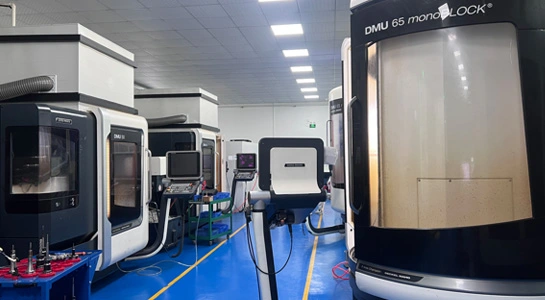
Several core technologies that we've built into BOEN Prototype are needed for modern small-batch production. CNC cutting makes precise parts out of metal and industrial plastics quickly and with little setup time. Tooling made of aluminum is used in rapid injection casting. It is much cheaper than hardened steel molds and can hold thousands of parts. SLA and SLS 3D printing are examples of additive production technologies that make it possible to make complex shapes that would not be possible with standard methods. For practical testing, vacuum casting makes copies of materials that are used in production. We can also do metal pressing and die casting for parts that need specific material qualities or surface finishes.
Process Integration and Quality Control
Our integrated method includes help with planning, advice on choosing materials, and strict quality control throughout production. From the first idea to the final delivery, we work closely with engineers and designers to make sure that the specs match the manufacturing skills. This teamwork cuts down on expensive changes and speeds up the creation process. Our quality control procedures include checking the dimensions, trying the materials, and making sure they work properly. This makes sure that every part meets the high standards set by the automakers, medical device makers, and aerospace developers who trust us with their projects.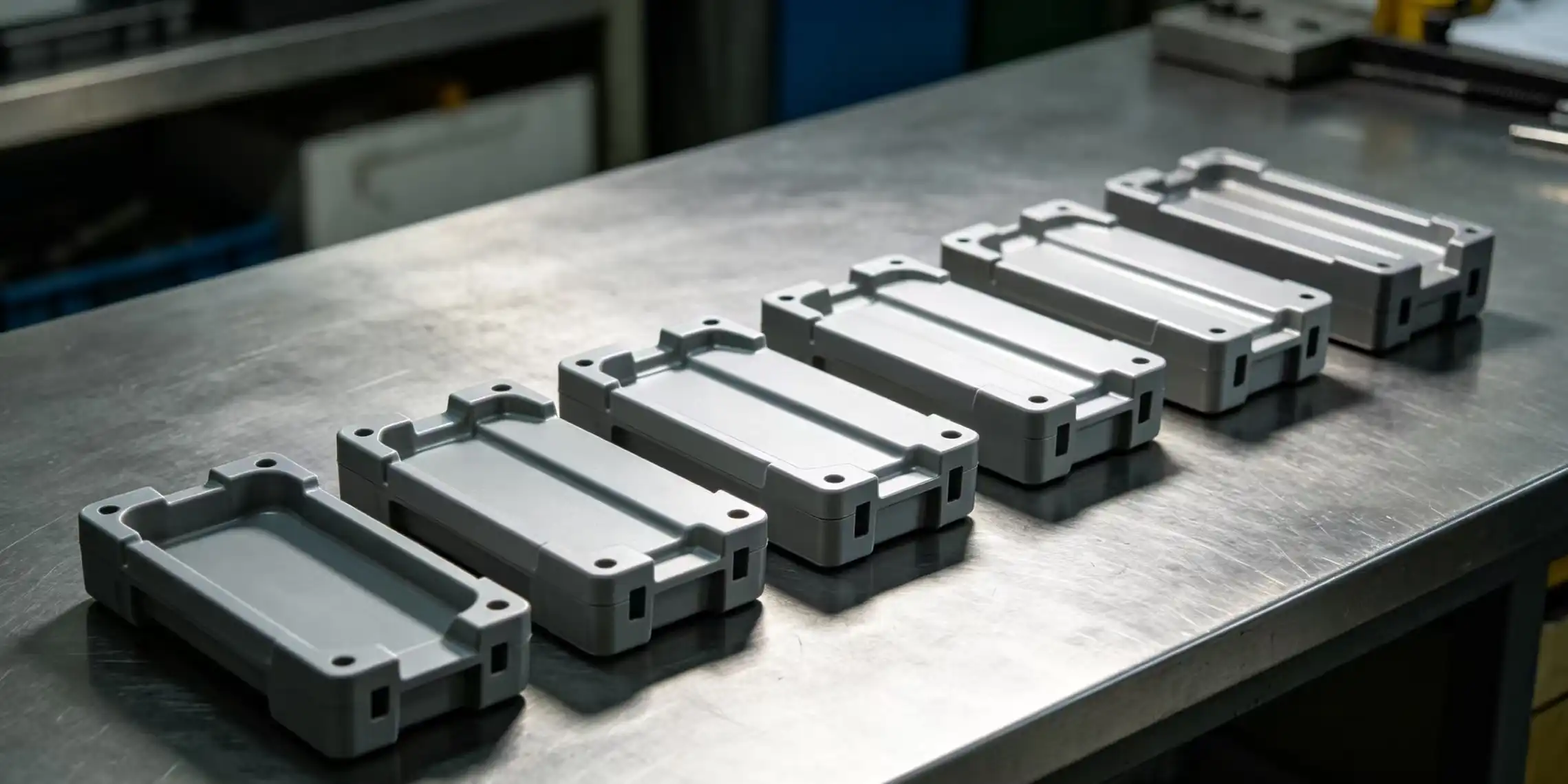
Comparing Low-Volume Manufacturing with Other Production Methods
Advantages Over Mass Production
When manufacturing costs are spread out over hundreds of thousands of parts, mass production is a very cost-effective way to make things. However, this model makes it very hard for new goods, niche markets, or apps that need to be customized. Because of the cost of tools and the length of time it takes to make something, plan changes are not possible once production has started. Flexible manufacturing methods, on the other hand, keep the ability to adapt throughout the production cycle. This lets businesses make changes to their goods based on feedback from customers and tests in the real world without having to pay extra.
Beyond Prototyping Capabilities
While testing checks ideas and shows how they work, small-batch production makes parts that will be used in real life using materials and methods that are suitable for mass production. This difference is very important for practical validation, legal testing, and putting a product on the market early. A 3D-printed sample might show how the shape and fit work, but parts made by rapid injection molding or CNC machining have the right material qualities, surface finish, and longevity for real use. EV companies can use this feature to test engine parts in real-world situations, and medical device makers can use real production materials to test biocompatibility.
Cost Efficiency Analysis
Procurement managers can make better decisions when they understand how costs are structured. Mass production has the lowest cost per part, but it needs a big investment up front and minimum order amounts that tie up capital. Traditional custom manufacturing gives you a lot of freedom, but each part costs a lot because it requires a lot of physical work. Low-volume manufacturing is a good compromise because it has low costs per part, low initial investment, and the ability to change numbers as demand becomes clearer. We help clients weigh these trade-offs all the time based on their unique growth estimates, time constraints, and budgets.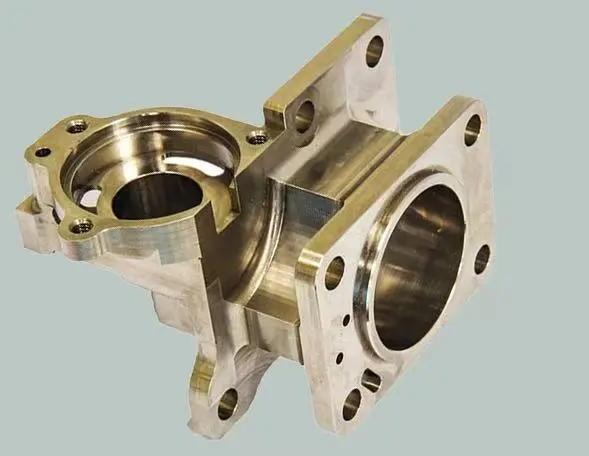
Industry Applications and Typical Use Cases of Low-Volume Manufacturing
Automotive and Electric Vehicle Innovation
Flexible production is being used more and more in the car industry for evaluation and early-stage manufacturing. Before committing to mass production tooling, OEMs and Tier-1 suppliers use our services to make sure that internal parts, lighting housings, and specialized connectors work properly. EV companies gain the most from this method because it helps them improve battery enclosures, thermal management systems, and unique engine parts while working with limited start-up funds. For crash tests and regulatory compliance, testing labs need exact copies of production parts. Our fast injection molding and CNC skills provide the accuracy and material properties needed for valid results.
Consumer Electronics and Smart Devices
There is constant pressure on device makers to come up with new ideas while cutting down on development times. We help these clients by making quick changes to the design, making samples that look good and match the brand, and making working enclosures for testing usefulness. Smart-home product makers like that we can make small batches for beta testing programs so they can get real user feedback before making more of the product. For marketing starts and stakeholder approval, industrial design companies rely on our knowledge of materials and finishing skills to make show models that accurately represent final products.
Medical and Healthcare Requirements
Making medical devices requires a high level of accuracy and well-documented quality control methods. In this area, our customers include companies that make medical devices, labs that make unique testing gear, and biotech companies that make specialized research tools. We keep up-to-date on biocompatible materials and can make ergonomic testing pieces that show how the materials work with people before expensive regulation applications. For R&D teams, low-volume manufacturing enables the production of pre-production parts that support regulatory testing and clinical studies, which is very important because materials must be certified and tracked at all times.
Robotics and Automation Components
For robot and AGV builders to make good structures, they need parts that are strong, accurate, and light. With CNC machining, we can make parts with the tight tolerances needed for systems with many connecting parts, and our advice on material choice makes sure that parts can handle the loads of operation. System designers often need a small number of custom brackets, sensor housings, and mounting solutions to finish specific setups. Integration projects stay on plan and on budget because these specialized parts can be made quickly without a minimum order quantity.
Aerospace and UAV Applications
Drone companies and aircraft tech teams work in tough conditions where broken parts are not acceptable. Our knowledge of high-strength materials and strict quality control helps us make aviation-grade parts that can be tested and approved. low-volume manufacturing lets these clients make parts for prototype airplanes, test them for reliability, and meet legal requirements before they make investments for mass production. Developers of aviation parts like that we understand the material standards and paperwork needs, which speeds up the approval process.
Industrial Equipment and Design Consultancies
Manufacturers of industrial tools often need to order specific parts in small amounts for machines that serve niche markets. Companies that help with product design need production partners that can make complicated custom parts out of a variety of materials and methods without needing a lot of time to prepare them. We can handle a wide range of needs, from compression molding for rubber parts to die casting for metal parts. This makes us a useful partner for these companies that have to meet the needs of many clients on short deadlines.
Overcoming Challenges in Low-Volume Manufacturing
Managing Cost Variability
When choosing manufacturing partners, procurement teams should look closely at how predictable costs are. When it comes to price, small-batch production is different because the cost of a single part is usually higher than the cost of mass production but lower than the cost of custom manufacturing. We deal with this problem by using clear pricing systems that break down the prices of materials, the time it takes to set up, the time it takes to process, and the time it takes to finish. Buyers can see what factors affect costs and make smart choices about which materials to use, how they should be finished, and how much to order in order to get the best value for their money.
Addressing Lead Time Concerns
Scheduling production can make it hard to keep track of when a product will be released. We've simplified our processes so that wait times are cut down without lowering the quality of our work. Because CNC cutting, molding, casting, and finishing are all done under one roof, there are no delays in shipping between suppliers. We keep in touch with material sources to make sure that industrial plastics, metals, and other specialty materials are always available. Clients can get real-time updates on the state of their projects through project management tools. This takes the guesswork out of planning timelines and lets other development efforts work together.
Ensuring Quality Consistency
To keep quality the same across small production runs, you need to use focused methods and the right technology. We use automatic checking systems to check the sizes of things, which cuts down on mistakes and keeps track of all the measurements. Statistical process control methods that have been scaled down for smaller batches help find patterns before they affect the quality of the parts. Material approvals and batch tracking give aircraft and medical clients the proof they need to follow the rules. Our quality management system is based on ISO standards, which gives buying managers peace of mind that parts will meet requirements no matter how big the order is or when it's made.
Building Strategic Supplier Relationships
For low-volume manufacturing to work, buyers and producers must be able to talk to each other clearly. We put transparency at the top of the list for the whole buying process, from the original RFQ to the final delivery. Our expert team works with the engineers of our clients to make plans more easily made, which can lower costs and boost performance. Regular reports on progress keep everyone in the loop without having to keep asking questions. This partnership method makes it easier for buying teams to keep track of their supply chains and meet the deadlines for multiple projects at the same time.
Choosing the Right Low-Volume Manufacturing Partner
Evaluating Technical Capabilities
The first step in finding a good manufacturing partner is to compare their technical skills to your unique needs. Managers in charge of buying things should make sure that possible sellers have the right tools for the materials and levels of accuracy they need. We tell our clients to find a partner that can do more than one process. For example, a partner that only does 3D printing might not be able to meet your needs as you move from bridge production to fast molding. Quality licenses that are specific to your business give you peace of mind that your processes meet the standards that are needed. Because we are skilled in many areas, such as CNC machining, fast injection molding, compression molding, metal pressing, die casting, vacuum casting, and additive manufacturing, we can suggest the best methods for each job instead of pushing them to use methods that don't work.
Geographic and Logistics Considerations
Lead times and shipping prices are both affected by where the parts are located, especially if they are big or heavy. For large orders, making overseas might offer good prices, but for small batches that need to be done quickly, the longer shipping times and more difficult contact can cancel out the savings. We've found that being close to clients makes it easier to work together during the development phase, when changes to the design happen a lot. So, the right partner should be able to coordinate operations well no matter where they are, with clear shipping documents and reliable freight forwarding relationships that keep customs delays and damage during travel to a minimum.
Service Models and Support Structure
The way that manufacturing partners provide service varies a lot. Some companies only do production work and ask clients for very specific specs and designs for the tools they use. Turnkey service providers help with everything from the first idea to the finished product. This includes improving the design, choosing the right materials, and coordinating the finishing. BOEN Prototype's business model is based on the idea that many of our clients need help with more than just making. Our engineers help choose the right materials based on their functionality, offer changes to the design that make it easier to make or lower costs, and organize finishing services that give ready-to-use parts instead of parts that need more work.
Best Practices for Procurement Workflow
To effectively buy small amounts of something, you need to have clear RFQ documents that list the materials, numbers, limits, finish requirements, and expected delivery dates. To make sure correct interpretation, we suggest including CAD files in both their original formats and neutral formats like STEP or IGES. Reference examples help explain needs for a certain surface finish or look that models might not fully show. When comparing quotes, don't just look at the prices for each part; also look at the total cost, which should include shipping, taxes, and any other work that needs to be done. When negotiating a contract, you should talk about how to protect intellectual property, how to set quality standards, and how to handle delays or quality problems that might happen.
Conclusion
Small-batch manufacturing used to be a niche service, but now it's a strategic skill that speeds up product development in both consumer and corporate markets. CNC cutting, rapid tooling, additive manufacturing, and metal forming are some of the technologies and processes we've talked about. They let businesses try designs, find new markets, and improve goods without having to commit to large amounts of money and time-consuming mass production. Procurement experts who know about these skills and choose partners with the right technical know-how, quality systems, and ways of working together gain big benefits in the market. Being able to change plans, listen to feedback, and increase production as needed lowers risk and speeds up time to market. The line between development, small-batch production, and mass production is blurring more and more as low-volume manufacturing technology keeps getting better. This gives businesses more freedom than ever to bring new goods to market.
FAQ
What lead times should we expect for small-batch production orders?
Lead times depend on the method chosen, the complexity of the part, and the current production plan. CNC cutting jobs usually take between one and three weeks, but this depends on how complicated the part is and how many of them there are. Making the tools for rapid injection molding takes an extra two to four weeks before the parts are made, but the casting itself is done in just a few days. Parts can be made with additive manufacturing in just a few days to two weeks, even if the geometry is complicated. The process of making and shaping metal is in the middle. We suggest talking about deadlines early on in the quote process, since we can often handle urgent projects by making changes to the schedule or improving the way we do things.
How does small-batch production reduce development risks?
When companies make smaller amounts, they can test their ideas in the real world before spending a lot of money on mass production tools. This method lets you make small changes over time based on functional testing, user comments, and regulatory reviews, all without having to make expensive changes to the tools you use. Testing on the market with real production-quality parts gives accurate information about how well and how well customers like the product, which samples can't fully imitate. Companies spend less riskily because they don't have to pay for the whole production infrastructure all at once. Instead, they invest little by little as goods show promise.
Can small-batch manufacturing scale into mass production?
Of course. We see small-batch production more as a stopgap measure than a long-term answer for most situations. Parts made with fast molding or CNC cutting prove that designs work, and then they can be used in high-volume processes with few changes. Before engaging in hardened production tools, this step-by-step process lets specs be fine-tuned, performance problems be fixed, and market demand be confirmed. We often help clients make this change, making sure that the lessons learned in small-batch production are used to plan and create tools for mass production.
Partner with BOEN Prototype for Your Small-Batch Manufacturing Needs
The flexible production options that BOEN Prototype offers are specifically designed for use in cars, consumer electronics, medical devices, robotics, and aircraft. We can do it all when it comes to low-volume manufacturing, including CNC machining, rapid injection molding, compression molding, metal pressing, die casting, vacuum casting, and advanced additive manufacturing. We've helped hundreds of engineers and procurement professionals take new goods from the idea stage to the market by providing the quality, speed, and technical teamwork that tough applications need. Get in touch with our team at contact@boenrapid.com to talk about your unique project needs and find out how our unified approach can help you speed up the product development process while keeping costs low.
References
Gibson, I., Rosen, D., & Stucker, B. (2021). Additive Manufacturing Technologies: 3D Printing, Rapid Prototyping, and Direct Digital Manufacturing. Springer International Publishing.
Kalpakjian, S., & Schmid, S. (2020). Manufacturing Engineering and Technology in SI Units. Pearson Education Limited.
Groover, M. P. (2019). Fundamentals of Modern Manufacturing: Materials, Processes, and Systems. John Wiley & Sons.
Boothroyd, G., Dewhurst, P., & Knight, W. (2021). Product Design for Manufacture and Assembly. CRC Press.
Chryssolouris, G. (2018). Manufacturing Systems: Theory and Practice. Springer-Verlag New York.
Todd, R. H., Allen, D. K., & Alting, L. (2022). Manufacturing Processes Reference Guide. Industrial Press Inc.

How Can We Help?

Your Trusted Partner in Rapid Manufacturing.