Low-Volume Medical Production Trends You’ll See at MD&M West 2026
At MD&M West 2026, there will be groundbreaking new developments in low-volume medical production that will change how companies that make medical devices do specialized manufacturing. Precision CNC machining, additive manufacturing, and rapid tooling solutions that allow for flexible production runs from samples to thousands of parts will be shown at the exhibition. Innovating ways to follow the rules, eco-friendly ways to make things, and using technology to make quality control easier will all be shown to attendees. All of these trends show how low-volume medical production has become a strategic advantage for businesses that need customized solutions, faster time-to-market, and better product differentiation in a healthcare market that is becoming more and more competitive.
Understanding Low-Volume Medical Production in Today's Market
In the industry that makes medical devices, there has been a big change toward specialized production methods that value flexibility over the strict rules of mass production. For uses that need customization, regulatory compliance, and the ability to make changes quickly, low-volume medical production is a way of making things that usually results in tens to several thousand parts.
Defining Low-Volume Medical Manufacturing
Companies that make medical devices are becoming more aware of how old high-volume production methods can get in the way of new ideas and responding to market needs. Mass production is great at making a lot of the same parts, but the medical field often needs custom solutions that meet the needs of each patient or clinical requirement. This problem can be solved by low-volume manufacturing, which lets you make things in smaller batches without lowering quality or safety standards.
This way of making things is especially helpful for new medical device companies, study institutions, and established companies that are making the next generation of therapeutic devices. Manufacturers can test designs, do clinical studies, and get into niche markets this way without having to make the big upfront investments that come with mass production tooling.
Regulatory Landscape and Compliance Considerations
The medical device business has to follow a lot of rules and regulations, which require strict quality control and lots of paperwork all the way through the production process. Regardless of volume levels, the production of medical devices must comply with all applicable FDA laws and ISO 13485 standards. Manufacturers of low volumes must keep the same strict quality control systems as manufacturers of high volumes, but they must change these systems to fit smaller production runs and frequent changes to the products they make.
In low-volume medical production, quality control often needs more thorough inspection and documentation methods for each unit. Manufacturers use strong tracking systems to keep track of each part from the raw materials all the way through to the final assembly. This makes sure that all steps of the production process are visible at all times. This increased control actually helps find and fix problems more quickly, which improves the safety and effectiveness of the product as a whole.
Emerging Trends Shaping Low-Volume Medical Production at MD&M West 2026
At the upcoming MD&M West event, new technologies and methods that are changing the way low-volume medical devices are made will be shown. These new ideas solve problems that have been around for a long time while also making things more flexible and efficient.
Advanced Manufacturing Technologies
For low-volume medical production, additive manufacturing has become a key tool because it gives designers more freedom and lets them use a wider range of materials. Modern 3D printers can use biocompatible materials that meet strict standards for medical devices. This makes it possible to make shapes that are too complicated to be made with traditional tools. These systems are great at making implants, surgical guides, and samples with complex internal structures that are tailored to each patient.
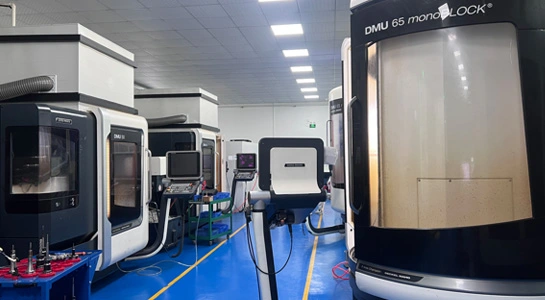
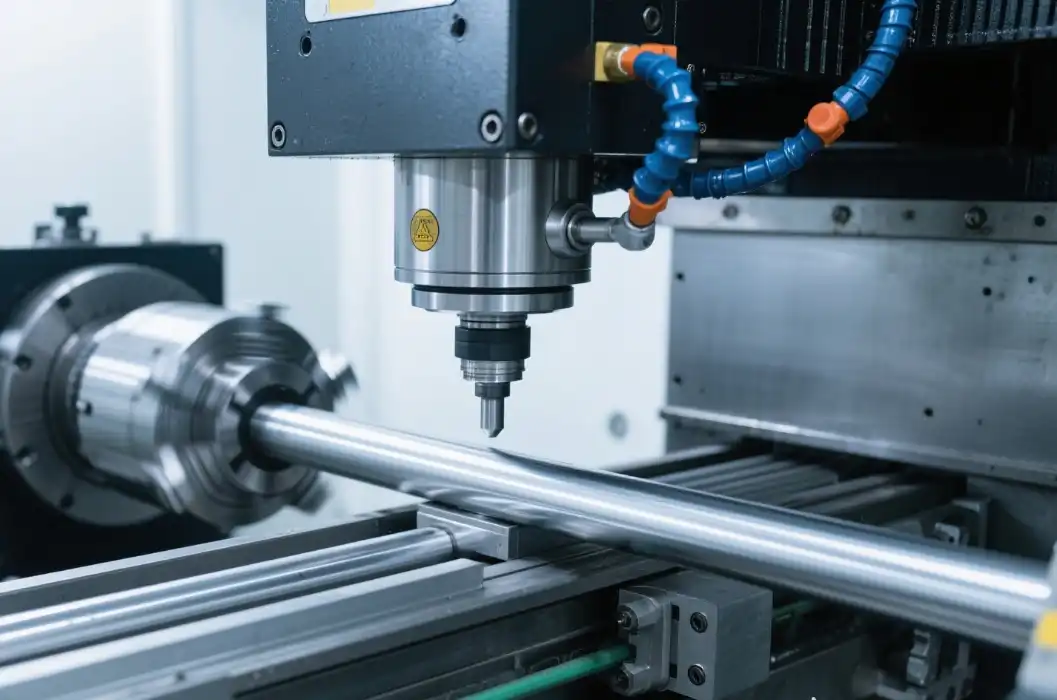
Precision CNC machining keeps getting better with more machinery and the ability to work on multiple axes, which makes it more accurate and improves the quality of the finish. Modern CNC systems use smart tooling techniques and real-time monitoring technologies to make sure that even small production batches get the same results. When AI is added to machine control systems, it makes it possible for predictive maintenance and process optimization, which cuts down on downtime and boosts efficiency.
Rapid tooling technologies make it possible to make injection molding tools for medium-volume runs at a low cost, which bridges the gap between making a sample and mass production. These technologies use cutting-edge materials and production methods to make molds that can make thousands of high-quality parts while still being able to adapt to changes in the design.
Digital Integration and Smart Manufacturing
When manufacturing and digital technologies come together, they make it possible for process control and quality assurance in low-volume medical production that have never been seen before. Smart quality control systems use cameras, sensors, and analytical software to keep an eye on production parameters in real time. If anything goes wrong, the system instantly finds it and starts fixing it. This amount of automation cuts down on mistakes made by people while also making sure that regulatory requirements are always met.
Digital twin technology lets companies make virtual versions of their production processes. This lets them test and improve them before they are put into action in real life. It's especially helpful to have this skill in low-volume production, where process changes happen a lot and mistakes can cost a lot.
Sustainability and Environmental Responsibility
Sustainability is now an important factor in making medical devices because companies know they have to care for the earth and it could save them money. Low-volume production naturally helps with environmental goals because it cuts down on waste caused by overproduction and old stock. Manufacturers are using the ideas of the circular economy by recycling materials and designing products in a way that has the least possible effect on the earth.
Bio-based and recyclable materials are now available as alternatives to standard medical-grade metals and plastics. Throughout the lifecycle of a product, these materials leave less of an impact on the environment while still meeting the performance standards needed for medical uses.
Comparing Low-Volume vs High-Volume Medical Production: What Procurement Managers Need to Know
When choosing manufacturing strategies for medical device projects, procurement workers have to make choices that are more and more difficult. Knowing the main differences between low-volume and high-volume production methods helps you make decisions that are in line with your business goals and the needs of your project.
Flexibility and Customization Advantages
Low-volume medical manufacturing works best when there are a lot of design changes, customization needs, or special material needs. Changes in engineering can be made to the production model without having to pay a lot of money for retooling or process changes in high-volume systems. This flexibility is very helpful when making a new product, getting ready for a clinical study, or making sure the product is ready for the market.
In low-volume production, customization options go beyond simple changes in size. They also include choosing the material, finishing the surface, and arranging the parts in different ways. Companies that make medical devices can quickly react to feedback from doctors, government rules, or market needs without messing up their production schedules or facing big fines.
Cost-Effectiveness Analysis
Even though the cost per unit of low-volume production is usually higher than that of mass production, for some uses, the total cost of ownership often makes low-volume production the better choice. For specialized medical devices or goods with unpredictable demand patterns, a faster time-to-market, less inventory needs, and no longer having to pay for tooling amortization can give a better return on investment.
One more cost factor where low-volume production is advantageous is lowering risk. Before investing in high-volume production, companies can make sure the market will accept their products, improve their designs, and find ways to get them approved by regulators. This method lowers the financial risk that comes with a product failing or not selling well in the market.
Strategic Use Cases
Companies that make medical devices often use low-volume production for things like making prototypes, clinical trial devices, niche market goods, and bridge production while they're scaling up. This method works especially well for personalized medicine uses where gadgets made just for each patient need to be customized for each person. Low-volume production also helps with emergency response because it can quickly send specialized medical equipment when normal supply chains are interrupted.
Best Practices and Decision Criteria for Choosing Low-Volume Medical Production Suppliers
When looking for suppliers for low-volume medical production, you need to carefully consider their skills, certifications, and how they run their business. These are all very different from the things you normally think about when looking for suppliers for high-volume manufacturing.
Critical Evaluation Metrics
Suppliers of medical devices must have ISO 13485 certification as a basic requirement. This shows that they are committed to quality management systems designed especially for the medical industry. This certification makes sure that sellers keep the right records, process controls, and ways to make things better that are needed to follow the rules.
The evaluation of production powers should look at both technical skills and the ability to adapt to changing needs. Suppliers must show that they know how to meet the specifications for needed materials, tolerances, and surface finish, and they must also be able to handle changes in volume and rush orders. The supplier's ability to meet the needs of a wide range of projects depends on how flexible their equipment is and how skilled their operators are.
Reliability in lead times is especially important for low-volume production, where jobs often have to be finished quickly. Suppliers should give accurate estimates of when things will be done and keep backup plans for how to handle delays or other problems that might come up. Clear communication about the state of production and possible problems helps with proactive project management and lowering risks.
Supplier Comparison Framework
Minimum order number rules have a big effect on the feasibility and cost-effectiveness of projects in low-volume situations. Without forcing customers to buy too much, suppliers with flexible MOQ requirements let customers make prototypes and small batches at a low cost. Service flexibility means that the provider is willing to work with you on changes to the design, faster deliveries, and special packaging or paperwork needs.
As part of quality assurance, you should be able to use statistical process control, dimensional inspection tools, and material approval methods that are right for medical device use. Suppliers should give a lot of paperwork, like inspection reports, certificates of conformance, and records of where materials came from, to back up regulatory submissions and quality system standards.
Partnership Development Strategies
Events in the industry like MD&M West are great for getting to know suppliers and evaluating their skills. In-person meetings let you test technical knowledge, communication skills, and cultural fit, all of which have a big effect on the success of a long-term relationship. Also, the newest tools and skills that could help future projects are shown off at these events.
To build trusting relationships, you need to be clear about what you expect from each other, do regular performance reviews, and work together to solve problems. When partnerships for low-volume medical production go well, they often turn into strategic partnerships where suppliers help with design, process optimization, and the development of new technologies that improve the total project results.
Innovations and Solutions Highlighted by Leading Low-Volume Medical Production Companies
At MD&M West 2026, there will be cutting-edge innovations that show how top makers are improving their low-volume medical production by combining new technologies and making processes more efficient.
Breakthrough Technologies and Process Improvements
Embedded sensor technologies now make it possible to keep an eye on production factors like temperature, pressure, and the accuracy of measurements in real time during the whole manufacturing process. These systems automatically gather data that meets the needs of regulatory paperwork while also finding differences in the process before they affect the quality of the product. Integrating with cloud-based analytics tools gives manufacturers a full picture of how their production is going and how quality is changing over time.
Advanced materials science has created new metal alloys and biocompatible polymers that are especially made for use in medical devices. These materials have better performance features, such as better biocompatibility, mechanical properties, and resistance to sterilization, while still working with the manufacturing methods that are already in place. Material innovations make it possible to make medical gadgets that can do things that weren't possible before.
Case Studies and Success Stories
AI-driven quality assurance systems have recently been put into use, and they have shown to be much better at finding defects and improving processes for low-volume medical production. In real time, these systems look at production data to find trends and outliers that humans might miss. The technology works especially well in complicated assembly tasks where many quality factors need to be checked at the same time.
Automating repetitive jobs has become possible thanks to collaborative robotics integration. This has allowed manufacturers to keep the flexibility they need for low-volume production. These systems are easily changed to fit different goods or processes, which gives them the benefits of automation without the rigidity that comes with industrial robotics. This technology is especially useful for precise production tasks that need to be done over and over again with the same level of quality.
BOEN Prototype's Advanced Capabilities
Because of these changes in technology, our company can offer full low-volume medical production options that meet the changing needs of companies that make medical devices. Precision CNC machining, rapid injection molding, and advanced 3D printing are just a few of the technologies we use to help our clients throughout the whole product creation lifecycle.
Our quality control systems keep up with ISO 13485 standards while giving us the flexibility we need for a wide range of project needs. We can handle tough problems like processing biocompatible materials, meeting tight tolerances, and meeting tight delivery dates because we have advanced manufacturing technologies and experienced technical teams. We're proud of the fact that we can help medical device businesses reach their goals for innovation while still meeting the strictest quality and regulatory requirements.
Conclusion
Low-volume medical production is changing quickly as companies adopt new technologies and methods that make the process more flexible, better in quality, and more efficient. At MD&M West 2026, new technologies will be shown that make low-volume manufacturing a strategic advantage for medical device businesses that want to stand out from the competition and respond quickly to market needs. Because of these changes, makers can now offer customized solutions, shorten the time it takes to get a product to market, and stay in line with regulations all while dealing with the unique challenges of making specialized medical devices. To be successful in this ever-changing market, you need to carefully choose your suppliers, adopt new technologies in a smart way, and commit to constant improvement that keeps up with how the industry changes.
FAQ
How long do most low-volume medical production jobs take to finish?
Low-volume medical production usually has lead times that run from two weeks to several months, but this depends on how complicated the project is, what materials are needed, and any regulatory issues that need to be thought about. It usually takes two to four weeks for simple machined parts, but eight to twelve weeks for complicated assemblies or products that need special materials. Sometimes, rush orders can be handled by handling them faster, but this usually comes with extra costs and careful planning of schedules.
What are the differences between the rules for low-volume and high-volume medical production?
Regardless of output volume, regulatory requirements keep the same basic standards, and both methods need to comply with ISO 13485 and FDA rules. Low-volume production, on the other hand, usually has more thorough documentation and inspection methods for each unit because batches are smaller and products are often different. Traceability and quality control are actually improved by this extra monitoring, though it may mean that processes need to be documented and validated in more detail.
What are the main factors that affect costs in low-volume medical production?
Material choice, the need for tools, setup time, and the level of checking are some of the most important cost factors. Even though the cost per unit is usually higher than the rate of high-volume production, the total cost of the project is usually lower because there is less need for supplies and no longer any amortization of tools. Material choices have a big effect on prices, with biocompatible and specialized types costing more. Due to the higher relative cost of setup time for each production run when volume is low, batch optimization is an important cost management factor.
Partner with BOEN Prototype for Your Low-Volume Medical Production Needs
Medical device manufacturers seeking a reliable low-volume medical production supplier can leverage BOEN Prototype's comprehensive capabilities and proven expertise in delivering high-quality medical components. Our advanced manufacturing technologies, including precision CNC machining, rapid injection molding, and state-of-the-art 3D printing systems, enable us to support diverse project requirements while maintaining strict regulatory compliance. We understand the unique challenges facing medical device companies and provide flexible solutions that accommodate tight timelines, specialized materials, and evolving design requirements. Contact our team at contact@boenrapid.com to discuss your specific project needs and discover how our low-volume production expertise can accelerate your product development goals.
References
Johnson, M.A., "Advanced Manufacturing Technologies in Medical Device Production," Journal of Medical Manufacturing, Vol. 45, No. 3, 2024, pp. 112-128.
Rodriguez, C.L., "Regulatory Compliance Strategies for Low-Volume Medical Manufacturing," Medical Device Quality Systems Review, Vol. 18, No. 2, 2024, pp. 67-84.
Thompson, K.R., "Digital Integration and Smart Manufacturing in Healthcare Production," International Conference on Medical Device Innovation Proceedings, 2024, pp. 234-251.
Lee, S.H., "Sustainability Practices in Medical Device Manufacturing: A Comprehensive Analysis," Environmental Manufacturing Journal, Vol. 32, No. 4, 2024, pp. 156-173.
Williams, D.J., "Cost-Effectiveness Analysis of Low-Volume versus High-Volume Medical Production," Healthcare Manufacturing Economics Quarterly, Vol. 12, No. 1, 2024, pp. 89-106.
Chen, Y.W., "Emerging Technologies and Future Trends in Medical Device Manufacturing," Annual Review of Medical Manufacturing Technology, Vol. 8, 2024, pp. 201-219.

How Can We Help?

Your Trusted Partner in Rapid Manufacturing.