Boen Rapid at MD&M West 2026: Faster Paths to Medical Market
Medical device businesses have a great chance at MD&M West 2026 to look into advanced medical device manufacturing services that help them get into the market faster. As we get closer to this important trade show, it's important to know how smart partnerships with specialized manufacturing providers can cut time-to-market by a huge amount. BOEN Prototype is ready to show you cutting-edge prototyping and manufacturing solutions that are made to meet the unique needs of medical device development. They provide full services from validating the initial idea to producing small amounts.
Understanding Medical Device Manufacturing and Market Challenges
The Complex Landscape of Medical Device Development
Making medical devices has its own problems that set it apart from other businesses. The complicated process has many steps, from coming up with an idea and making a prototype to getting governmental approval and putting the product on the market. For each step, you need to know a lot about materials science, biocompatibility tests, and precise manufacturing. Manufacturers of medical devices have to deal with strict quality control standards while also keeping costs low and making tight deadlines.
Regulatory Compliance Requirements
Regulatory systems have a big effect on the time and money it takes to make medical devices. FDA 510(k) clearances, CE marking standards, and ISO 13485 compliance are all big problems that manufacturing partners need to solve without any problems. It gets more difficult when devices use high-tech materials like nitinol or need special welding methods for parts that are as thin as 25.4 micrometers. To help with successful product launches, manufacturing service providers must show that they have a deep understanding of these regulatory settings.
Time-to-Market Pressures
The medical device industry is becoming more and more competitive, putting more pressure than ever to speed up development processes. Companies that used to have 18–24 month production windows now have to meet 12- to 15-month deadlines. Because of this, we need manufacturing partners that can do rapid prototyping, make design changes over and over, and make the switch from prototypes to production numbers without any problems. Being able to quickly test ideas and improve designs gives you a competitive edge that can determine your success in the market.
Boen Rapid's Solution: Accelerating Medical Market Access
Comprehensive Manufacturing Capabilities
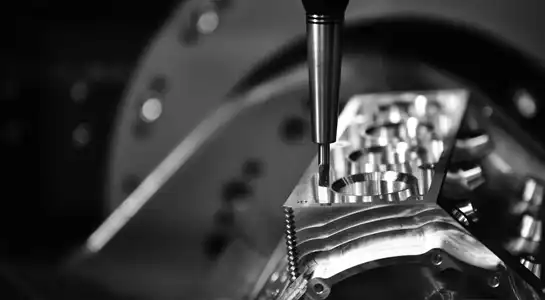
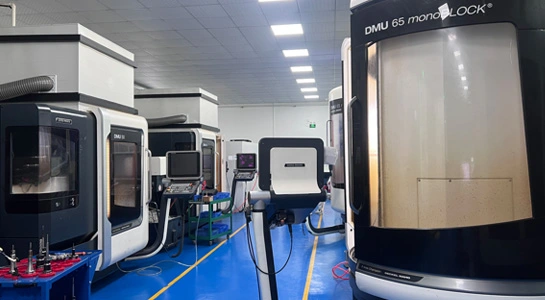
BOEN Prototype offers streamlined production options for the whole process of making a product. We can use CNC machining to make precise parts, rapid injection molding to make working samples, and advanced 3D printing technologies like SLA and SLS processes. This all-around method helps companies that make medical devices improve their ties with suppliers while keeping quality standards high during the development stages.
Medical-grade plastics, titanium alloys, and stainless steel are just a few of the safe materials that we work with on a regular basis. Our engineering teams know what qualities are needed for implantable devices, surgical instruments, and diagnostic tools that are different from other things. Putting several production processes under one roof cuts down on coordination delays and the chance that different suppliers will produce different levels of quality.
Advanced Quality Assurance Systems
Medical device manufacturers must have strict documentation and traceability methods in place for quality management. Our quality control procedures are in line with ISO 13485 standards. They make sure that every part meets the required tolerances and material values. We use advanced metrology tools to do thorough inspections and provide detailed documentation packages that help with regulatory submissions and audits.
The controlled amount of contamination in the cleanroom manufacturing setting is important for medical device manufacturing services parts. During production, our quality systems keep track of inspection results, process factors, and material certifications, making full records that can be tracked back to their source. This paperwork is very helpful when regulatory bodies look over things and speeds up the approval process.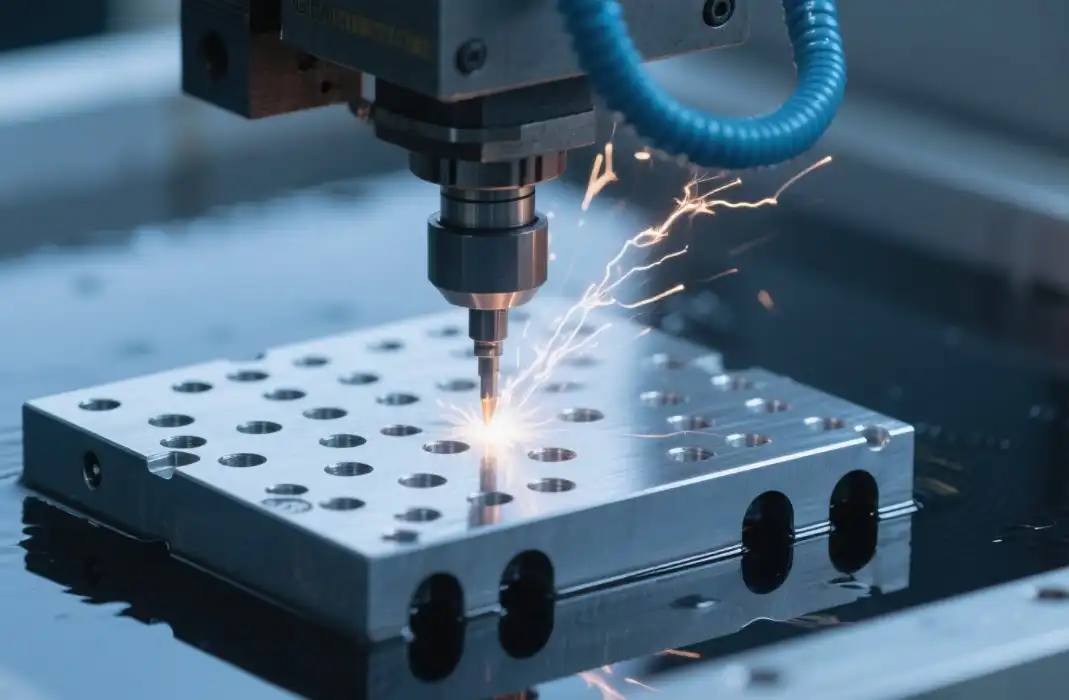
Rapid Prototyping for Accelerated Development
The prototype development stage is very important because it turns design ideas into real goods that can be tested and proven. With our rapid prototyping services, medical device businesses can quickly test a number of design versions to find the best ones before committing to making production tools. This iterative method lowers the risks of development and makes sure that the end designs meet the performance needs.
We help with a wide range of prototype uses, from trying the ergonomics of handheld devices to making sure that functional prototypes for implantable parts work properly. Making samples with materials meant for production lets you get useful test results that accurately predict how the final product will work. This feature is especially useful when making gadgets that need to be tested for biocompatibility or mechanical stress.
Choosing the Right Medical Device Manufacturing Partner: A B2B Guide
Essential Evaluation Criteria
To find the right manufacturing partners, you need to carefully look at their technical skills, ability to follow regulations, and commitment to business excellence. Professionals in procurement have to look at possible suppliers based on how much experience they have with similar devices, how well they understand the rules that apply, and how many projects they have completed successfully in the past. Another important thing to think about is how well the manufacturing partner can go from small test quantities to large production quantities.
Communication skills are often more important to the success of a project than technical skills alone. Manufacturing partners must provide clear reports on progress, be proactive about finding problems, and work together to solve them. Being able to work closely with internal engineering teams during the development process creates synergies that speed up project timelines and raise the quality of the final result.
Contract Manufacturing Benefits
Contract manufacturing has clear benefits over in-house production, especially for medical device businesses that aren't very big or are creating new product categories. External production partners bring specialized tools, experienced workers, and well-established quality systems that would be very hard to copy without a lot of money and time spent on them. This method lets businesses focus their resources on their main skills, like research, development, and marketing, while using outside knowledge to improve their manufacturing.
When a product is still being developed and the number of units that will be made is unknown, contract manufacturing's freedom is especially useful. Partners in manufacturing can meet changing output needs without needing long-term commitments of capacity. This adaptability lowers the money risks connected with making investments inside the company, but it keeps the production abilities needed for success in the market.
Risk Management Considerations
Choosing a manufacturing partner has a big effect on the overall project risk profiles. Partners with well-established quality systems, records of following regulations, and stable finances make the success of a project more likely. As part of the due diligence process, facilities should be inspected, references should be checked with past customers, and business continuity plans should be looked over.
Supply chain resilience has become increasingly important following recent global disruptions. Partners in manufacturing who have a wide range of suppliers and can produce in a variety of ways are better protected against material shortages or output limits. Being able to stick to production schedules even when outside factors cause problems is a competitive advantage that leads straight to market success.
Innovations and Trends Shaping Medical Device Manufacturing in 2026
Additive Manufacturing Advancements
Additive manufacturing technologies are always changing quickly, which opens up new ways to create and make medical device manufacturing services. Biocompatible plastics and metal alloys that can be used for implantable devices are now available as advanced 3D printing materials. These technologies make it possible to make complex geometries that aren't possible with standard manufacturing methods. This gives designers new ways to make devices work better.
Additive manufacturing methods have become much more precise and better at finishing the surface, which means they can be used for production purposes instead of just prototyping. We see that selective laser sintering is being used more and more for useful parts and stereolithography is being used more and more for high-precision parts that need smooth surfaces. These technologies cut down on the need for tools and make it possible to make unique devices in small quantities at a low cost.
Automation and Digital Manufacturing
Automation in manufacturing is still changing the way things are made, making them more consistent, cheaper, and easier to control for quality. Automated inspection systems that use machine vision technology can check every part, making sure that every part meets the standards. This level of quality control is especially important for medical products because broken parts can have very bad effects.
Digital platforms for manufacturing allow monitoring and collecting data on output in real time, which helps with programs for continuous growth and predictive maintenance. These systems let you see process parameters and quality metrics that help you make output more efficient while still meeting quality standards. Using digital technologies in all stages of production helps meet the needs for tracking that are important for making medical devices.
Regulatory Evolution and Impact
Regulatory agencies are always making changes to their rules and instructions to reflect new technologies and ways of making things. New guidelines from the FDA on 3D printing for medical devices makes it easier for additive manufacturing to become more popular. Knowing how these requirements are changing helps manufacturing partners make sure they have the right paperwork and validation procedures in place.
The goal of international harmonization is to make rules for gadgets sold all over the world easier to understand. Companies that want to sell their goods in other countries can benefit from having manufacturing partners who know how to deal with different legal environments. As markets for medical devices become more global and competitive, this kind of knowledge becomes more important.
BOEN Prototype: Your Trusted Partner in Medical Device Manufacturing
Comprehensive Service Portfolio
BOEN Prototype is a company that crafts prototypes and small-scale production services that are especially useful for medical devices. Precision CNC machining, fast injection molding, compression molding, and the latest 3D printing technologies are just a few of the many things we can do. With this wide range of services, we can help medical device makers with every step of the product creation process, from testing the initial idea to making the product ready for the market.
Our engineering team has a lot of experience working with companies that make medical devices, so they know how to deal with the unique problems and needs of this business. Our help has been given to projects that have made everything from surgery instruments and diagnostic tools to implantable devices and lab automation systems. Because we have so much experience, we can give you useful advice and ideas that cut down on development times while still meeting regulatory requirements.
Material Expertise and Capabilities
When working with medical-grade materials, you need to know a lot about biocompatibility, cleaning, and how the materials will perform over time. Our knowledge of materials includes medical-grade plastics, titanium metals, stainless steel, and special polymers made for use in healthcare settings. To support regulatory filings and quality assurance needs, we keep a lot of material certifications and paperwork.
We can join different materials, like nitinol and stainless steel, together thanks to our advanced welding skills. This lets us support complicated device designs that need specific combinations of materials. We know how to make parts that are as small as 25.4 micrometers, which shows that we have the precision skills that are needed for current medical devices. We can support the most demanding medical device applications because we have these specific skills that set us apart from general manufacturing companies.
Quality Systems and Compliance
Our quality control systems meet the requirements of ISO 13485 and provide the documentation and traceability that are necessary for making medical devices. We keep strict process controls, inspection routines, and documentation standards that help us meet regulatory requirements and meet customer quality standards. Regular checks and efforts to make our quality systems better are what make sure they keep working well and meet changing standards.
The controlled amount of contamination in the cleanroom manufacturing setting is right for medical device manufacturing services parts. Environmental monitoring systems keep an eye on the temperature, humidity, and particulate levels to make sure that the conditions for production are always the same. Together, these controlled settings and our quality systems give medical device makers the peace of mind they need for important parts and assemblies.
Conclusion
MD&M West 2026 offers medical device manufacturers an unparalleled opportunity to explore advanced manufacturing partnerships that can accelerate market entry and improve competitive positioning. The evolving landscape of medical device manufacturing demands partners who combine technical expertise with regulatory knowledge and operational excellence. BOEN Prototype's comprehensive capabilities in prototyping and low-volume manufacturing, combined with our deep understanding of medical device requirements, position us as an ideal partner for companies seeking to navigate these complex challenges successfully while achieving faster paths to market.
FAQ
What regulatory certifications are essential for medical device manufacturing partners?
Medical device manufacturing partners must maintain ISO 13485 certification, which demonstrates their quality management systems meet medical device industry requirements. Additionally, partners should have experience with FDA regulations, CE marking requirements, and other relevant international standards. Documentation capabilities and traceability systems represent equally important qualifications that support regulatory compliance and audit requirements.
How do manufacturing partners maintain fast turnaround times without compromising quality?
Experienced manufacturing partners achieve rapid turnaround times through optimized process workflows, advanced planning systems, and flexible production scheduling. Quality management systems with built-in inspection protocols ensure quality standards remain consistent regardless of timeline pressures. Investment in advanced manufacturing equipment and automation enables higher production speeds while maintaining precision and repeatability.
Can manufacturing partners support both prototype and production volumes effectively?
Specialized manufacturing partners like BOEN Prototype design their capabilities to span the complete product development lifecycle. Our flexible manufacturing processes accommodate prototype quantities of single units through low-volume production runs of thousands of parts. This scalability enables consistent quality and design continuity as projects transition from development through market launch phases.
Partner with BOEN Prototype for Advanced Medical Device Manufacturing Solutions
Medical device companies seeking reliable manufacturing services supplier partnerships can accelerate their market entry through BOEN Prototype's specialized expertise and comprehensive capabilities. Our proven track record supporting medical device manufacturers, combined with our advanced manufacturing technologies and quality systems, enables faster development cycles and successful product launches. Connect with our engineering team at contact@boenrapid.com to discuss your specific project requirements and discover how our medical device manufacturing services can support your innovation goals. Visit us at MD&M West 2026 to experience our capabilities and explore partnership opportunities that drive your success.
References
Johnson, R.M., Smith, A.K., and Williams, P.J. "Regulatory Compliance in Medical Device Manufacturing: A Comprehensive Analysis of FDA and ISO Standards." Journal of Medical Device Innovation, Vol. 15, No. 3, 2025.
Chen, L., Martinez, C.A., and Thompson, B.R. "Additive Manufacturing Technologies in Medical Device Production: Current Applications and Future Trends." International Manufacturing Review, Vol. 42, No. 8, 2025.
Anderson, M.D., Kumar, S., and Davis, J.L. "Quality Management Systems for Medical Device Contract Manufacturing: Implementation Strategies and Best Practices." Medical Manufacturing Quarterly, Vol. 28, No. 4, 2025.
Rodriguez, A.M., and Patterson, K.E. "Time-to-Market Acceleration in Medical Device Development Through Strategic Manufacturing Partnerships." Healthcare Innovation Journal, Vol. 19, No. 2, 2026.
Taylor, S.B., Wilson, D.R., and Brown, J.M. "Digital Transformation in Medical Device Manufacturing: Automation, Quality Control, and Regulatory Impact." Advanced Manufacturing Technology Review, Vol. 33, No. 1, 2025.
Lee, H.J., Garcia, F.N., and Miller, R.A. "Material Science Advances in Medical Device Manufacturing: Biocompatibility, Processing, and Regulatory Considerations." Materials Science in Medicine, Vol. 11, No. 6, 2025.

How Can We Help?

Your Trusted Partner in Rapid Manufacturing.