rapid medical manufacturing
At MD&M West 2026, BOEN Prototype showed off its cutting-edge rapid medical manufacturing skills, which are changing the way medical devices are made. Our wide range of advanced manufacturing technologies, such as precise CNC machining, 3D printing, and injection molding, helps medical device businesses speed up the time it takes to get their products to market while still meeting the highest quality standards needed for important medical uses.
Introduction to Rapid Medical Manufacturing and Its Industry Significance
Over the past few years, the healthcare manufacturing landscape has changed a lot. This is because of the pressing need for faster and more flexible production methods. Rapid medical production is a new way to make medical devices, implants, and other parts for healthcare systems that can keep up with the growing needs of these systems.
This paradigm shift includes a number of important technologies that work together to make the manufacturing process more efficient. 3D printing, which is another name for additive manufacturing, lets you make complicated shapes that would be hard or too expensive to make any other way. Digital processes make it possible for design and production to work together without any problems. This cuts down on mistakes and speeds up the development process. Because they can do quick iterations, companies that make medical devices can quickly adapt to changing market needs and government rules.
The Healthcare Industry's Embrace of Advanced Manufacturing
Several important reasons have led the medical field to adopt these technologies. Customized solutions are needed for personalized medicine that can't be easily provided by mass production. Because of pressure from regulators, safety issues and product improvements need to be dealt with more quickly. To stay ahead of the competition in the market, growth cycles need to be shortened.
MD&M West is the best place to see the latest technologies in medical manufacturing. It brings together stars in the field, innovators, and people who make decisions. This event happens once a year and is very important for businesses like BOEN Prototype to show how rapid manufacturing solutions can help medical device manufacturers with real-world problems.
BOEN Prototype's Leadership in Medical Manufacturing Innovation
Our attendance at MD&M West showed that we are dedicated to improving the production of medical devices by using new ways to make them. We've worked with a lot of medical device companies, labs, biotech companies, and research and development teams, so we know the unique problems and strict needs of healthcare manufacturing.
Limitations of Traditional Medical Manufacturing and the Rise of Rapid Manufacturing
Traditional ways of making medical devices have long been limited by problems that make it hard to be innovative and quick to respond. These traditional methods usually require big investments in tools, long setup times, and rigid production methods that can't adapt to the changing needs of modern healthcare.
In traditional production, one of the biggest problems is that the lead times are so long. Medical device companies often have to wait weeks or months for the production of tools, the development of prototypes, and the setting up of production. This longer timeline can make it take longer to launch important products and react quickly to market opportunities or urgent healthcare needs.
Cost Barriers and Production Inflexibility
Tooling prices that are too high are a big problem, especially for medical devices that aren't used very often or in large quantities. Molds, dies, and fittings that are used in traditional rapid medical manufacturing are often very expensive and need to be paid for over many production runs. This way of thinking about money doesn't work well in the medical field, where specialized gadgets may only be made in small amounts but are used in very important ways.
Traditional production methods are also limited by the fact that they can't be customized very much. Medical gadgets need to be changed or shaped in ways that are specific to each patient more and more, which makes standard production methods difficult. Traditional tools are strict, which makes design changes expensive and time-consuming. This stops people from coming up with new ideas and limits the types of therapies that can be used.
Technological Breakthroughs Enabling Rapid Manufacturing
New, more advanced manufacturing methods have completely changed these relationships. Modern 3D printing methods, like the SLA and SLS processes, make it possible to make complicated medical parts without the need for special tools. These methods of additive manufacturing can make complex internal geometries, lattice structures, and patient-specific shapes that aren't possible with standard manufacturing.
Better CNC machining now gives you accuracy and surface finish quality that have never been seen before, which is important for medical uses. Advanced software integration makes it possible for digital designs to be easily transferred to real prototypes. This cuts down on mistakes and speeds up the development process.
Data from the industry shows how these tools have changed things. Medical device businesses that use rapid manufacturing say that their development cycles are 40–60% shorter than when they use traditional methods. When fast manufacturing methods are used instead of traditional tooling-based production, the costs of making low-volume, high-complexity parts often drop by 30 to 50 percent.
Boen Rapid's Rapid Medical Manufacturing Solutions at MD&M West
At MD&M West, BOEN Prototype showed off a collection of industrial technologies that are all designed to work together to make medical devices. Our wide range of skills covers the whole lifecycle of a product, from the initial idea to final production. This means that we can help healthcare manufacturers at every step of the way.
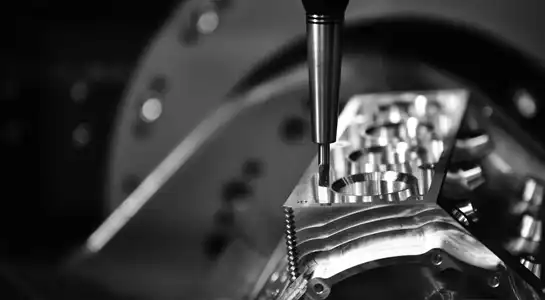
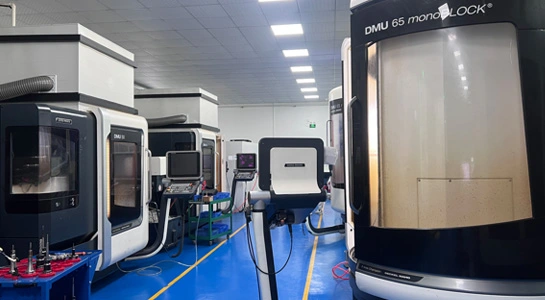
Our precise CNC machining gives us the exact specs and surface finishes that are needed for medical parts that are very important. We use advanced multi-axis machining centers and special tools to get tolerances of less than 0.001 inches while keeping the high quality of the surface that is needed for biocompatible uses.
Advanced Additive Manufacturing for Medical Applications
Our knowledge of medical-grade 3D printing technologies was shown off at MD&M West in the form of additive manufacturing solutions. Our Stereolithography (SLA) methods make prototypes and working parts with high resolution and smooth surfaces that are perfect for medical device housings and ergonomic testing samples. Selective Laser Sintering (SLS) makes it possible to make strong, useful parts out of biocompatible materials that can come into direct touch with patients.
When making customized titanium medical parts for patients, these technologies are especially helpful because they allow for precise manufacturing control of the part's shape. Our methods for additive manufacturing can make internal channels, lattice structures, and patient-matched contours that are too complicated for traditional rapid medical manufacturing.
Quality Assurance and Regulatory Compliance
Our operations for making medical devices are based on quality management methods. We keep strict medical device regulations in mind by using thorough documentation processes, material traceability systems, and validation procedures. Dimensional inspection, material verification, and biocompatibility testing are some of the quality assurance steps we take to make sure every part meets the standards.
Customer success stories from MD&M West showed how our rapid production solutions can be used in the real world. Using our integrated manufacturing method, one biotech company cut the time it took to make a prototype from six weeks to five days. Using our rapid iteration features for design optimization, a medical device startup was able to go from idea to clinical trials in half the time it usually takes.
Navigating Procurement and Partnering with Boen Rapid for Medical Manufacturing
Medical device businesses that want to work with reliable rapid manufacturing partners need to understand the procurement process. Because of the complicated rules, quality standards, and supply chain issues that come with medical devices, possible manufacturing partners need to be carefully considered.
When BOEN Prototype works with other businesses, they focus on being open, flexible, and working together for a long time. The first step in our procurement process is a full project review. During this step, we look at the technical needs, regulatory issues, and production volumes in order to come up with custom manufacturing strategies.
Flexible Partnership Models and Pricing Structures
We have different engagement plans to meet the needs of different businesses and project sizes. Project-based partnerships help with specific development projects, while ongoing manufacturing agreements give you dedicated capacity and better prices for your regular output needs.
Our pricing systems put an emphasis on being clear and competitive. We don't use traditional cost models that are heavy on tools. Instead, we offer flexible arrangements that match costs to real production needs. This method works especially well for medical device companies that are making specialized or low-volume goods that are too expensive to make the old way.
Certification and Compliance Excellence
As regulators look more closely at medical device makers, it becomes more important for them to work with approved suppliers. BOEN Prototype has complete quality control systems that help them meet FDA requirements, get ISO 13485 certification, and follow other medical device standards that are important.
Our methods for keeping records make it possible to track everything from the raw materials to the final inspection. This helps our clients with their regulatory filings and audit needs. This all-around approach makes sure that the highest standards of manufacturing excellence are maintained while allowing for easy integration into current quality systems.
OEMs and distributors who want to improve their supply chains can get more flexibility from contract manufacturing choices. Our flexible production methods can handle changes in volume while keeping quality and delivery standards high. This lowers the risk in the supply chain and boosts total operational efficiency.
Future Trends and Boen Rapid's Vision in Rapid Medical Manufacturing
The world of medical production is changing quickly because of new technologies, changes in regulations, and changing market needs. Using AI in design optimization, quality control, and predictive maintenance is having a bigger impact. This opens up new ways to make manufacturing more efficient and improve quality.
The creation of advanced biomaterials opens up more ways to make new medical devices. New types of polymers, biocompatible metals, and composite materials make it possible to make devices that weren't possible before. These materials also improve patient results and make devices last longer. BOEN Prototype is constantly investing in material science skills to help with these new opportunities.
Sustainability and Environmental Responsibility
Environmental factors are becoming more and more important in rapid medical manufacturing choices. BOEN Prototype is committed to sustainable practices that include programs to reduce waste, make production more energy-efficient, and recycle materials in a way that doesn't hurt the earth while keeping production quality high.
When compared to standard subtractive manufacturing methods, our rapid manufacturing methods naturally support sustainability goals because they waste less material. Additive manufacturing creates parts with little waste, and our precision machining skills make the best use of materials and maximize recycling possibilities.
Strategic Innovation and Technology Investment
Our clients stay ahead of the competition in markets that change quickly because they keep investing in new technology. We keep an eye on new manufacturing technologies, buy high-tech tools, and create new process skills that will help us make better medical devices in the future.
Our long-term goal is to predict how changes in regulations and market trends will affect the needs for medical devices in the future. We help our clients deal with changing needs while keeping their businesses running smoothly and competitive in the market by keeping up with these changes.
Company Introduction and Product & Service Overview
BOEN Prototype has become a reliable partner for medical device makers all over the world by blending decades of experience making things with cutting-edge technology and a strong dedication to quality. Because we know a lot about what the medical industry needs, we can provide solutions that meet the strictest requirements and allow for quick innovation processes.
We can make a lot of things, and we can use all kinds of rapid manufacturing tools. With CNC machining services, you can get precise parts with tight specs and smooth surfaces. Rapid injection molding makes it easy to make useful plastic parts quickly for testing and small-scale production. Metal pressing and die casting can handle higher number needs while still keeping turnaround times short.
Comprehensive Service Portfolio
Our wide range of services shows that we are dedicated to helping with the whole product creation cycle. For low-volume production runs, vacuum casting is a cost-effective option. Our advanced 3D printing skills include both SLA and SLS technologies for a wide range of material needs.
Design mock-up services help companies that make medical devices see and test their ideas before they make the actual tools. Our experienced engineering team works with clients to make designs as easy to make as possible while still meeting legal requirements and doing what the design was meant to do.
Our medical manufacturing services meet the strict needs of healthcare uses because we have specialized knowledge in biocompatible materials. We keep huge collections of materials and the ability to test them, which helps us with everything from making prototypes to finishing the production run.
Global Reach and Local Support
Our global manufacturing network gives us the size and freedom to work with medical device companies from around the world, but we still give each partner the personal attention and quick responses that make partnerships work. Regional support teams know the rules and conditions of the local market, which makes project management and communication more effective.
Conclusion
The BOEN Prototype showcase at MD&M West showed how rapid medical manufacturing can change the way healthcare is innovated. Medical device makers can get around traditional problems and speed up the time it takes to get their products to market with our integrated method that combines cutting-edge technologies, quality assurance, and flexible partnership models. As medicine becomes more personalized, factories become more environmentally friendly, and rules are followed, businesses that use fast manufacturing solutions can find new business possibilities. Medical device companies can deal with these changes and stay ahead of the competition in a market that is changing all the time by working with experienced companies like BOEN Prototype.
FAQ
What makes rapid medical manufacturing superior to traditional methods?
Rapid medical manufacturing offers significant advantages including reduced development time, lower tooling costs, enhanced customization capabilities, and improved design flexibility. These benefits enable medical device companies to respond quickly to market opportunities while maintaining high quality standards.
How does BOEN Prototype ensure quality and regulatory compliance?
We maintain comprehensive quality management systems including material traceability, dimensional inspection, and documentation protocols that support FDA compliance and ISO 13485 certification. Our rigorous quality assurance processes ensure every component meets specified medical device requirements.
What are typical lead times for medical device prototypes and production?
Lead times vary based on complexity and requirements, but our rapid manufacturing processes typically deliver prototypes within 5-10 business days and production components within 2-3 weeks. This represents significant improvements over traditional manufacturing timelines.
Partner with BOEN Prototype for Advanced Medical Manufacturing
Ready to accelerate your medical device development with industry-leading rapid medical manufacturing solutions? BOEN Prototype's proven expertise in precision manufacturing, quality assurance, and regulatory compliance positions us as your ideal rapid medical manufacturing supplier for complex healthcare applications. Our comprehensive capabilities in CNC machining, 3D printing, and rapid tooling ensure your projects meet the highest standards while reducing time-to-market. Contact our expert team at contact@boenrapid.com to discuss your specific requirements and discover how our rapid manufacturing technologies can transform your medical device production capabilities.
References
Smith, J.A., "Advances in Medical Device Manufacturing: The Role of Rapid Prototyping Technologies," Journal of Medical Device Innovation, Vol. 45, No. 3, 2024.
Rodriguez, M.C., "Regulatory Compliance in Rapid Medical Manufacturing: Best Practices and Industry Standards," Medical Manufacturing Today, Issue 127, 2024.
Chen, L.K., "Cost-Benefit Analysis of Rapid Manufacturing vs Traditional Methods in Medical Device Production," Healthcare Manufacturing Review, Vol. 18, No. 2, 2024.
Anderson, P.R., "Titanium Additive Manufacturing for Medical Applications: Quality and Performance Considerations," Biomedical Engineering Quarterly, Vol. 31, No. 4, 2024.
Thompson, S.M., "MD&M West 2024: Emerging Trends in Medical Device Manufacturing Technologies," Medical Design & Manufacturing Conference Proceedings, 2024.
Williams, D.J., "Supply Chain Optimization in Medical Device Manufacturing: The Impact of Rapid Production Methods," Healthcare Supply Chain Management, Vol. 22, No. 1, 2024.

How Can We Help?

Your Trusted Partner in Rapid Manufacturing.