Low-Volume Production Factories in China Explained
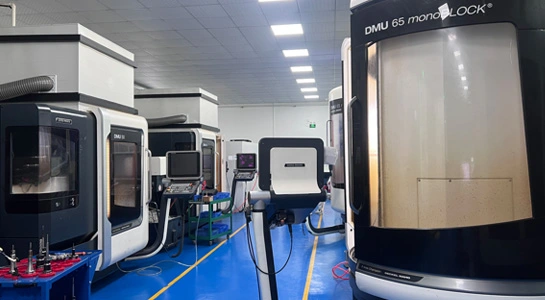
China's low-volume manufacturing is a smart middle ground between making a single sample and making a lot of them. Usually, runs of ten to several thousand parts are made. Chinese companies have gotten better at making small amounts quickly, accurately, and cheaply, and they do this for a wide range of industries, from cars and medical devices to electronics and spacecraft. These facilities offer advanced technologies like CNC machining, rapid injection molding, and additive manufacturing, along with skilled workers and a wide range of materials. This makes them valuable partners for businesses that need flexible production solutions but don't want to spend a lot of money on large-scale tooling investments.
Understanding Low-Volume Manufacturing and Its Benefits in China
There is a clear place in the production environment for low-volume manufacturing. While prototyping is all about making sure the idea works and trying it, low-volume production makes sure that only the right number of working, market-ready parts are made. It's not the same as mass production because it doesn't need expensive machine setups that only start to save money when used on tens of thousands of pieces.
China has become a center for low-volume manufacturing after decades of economic growth. The industrial environment of the country has a huge range of materials, from engineering-grade plastics and metal alloys to biocompatible materials and specialized composites. With this wide range, buying teams can find parts that meet exact requirements without lowering quality or performance.
Why China Excels in Small-Batch Production
A lot of money has been put into flexible manufacturing methods in Chinese companies so that they can make batches of different sizes. When you combine traditional methods with modern automation, you get production settings that can quickly switch between jobs. This flexibility cuts down on setup times and waste, which leads to reasonable pricing that helps buyers from other countries.
Another benefit is that China has many business areas. Suppliers, material providers, and finishing experts often work close to each other, which speeds up supply lines and cuts down on wait times. This regional clustering makes it easy to find materials quickly and keep an eye on quality at all stages of production.
Industries Benefiting from Chinese Low-Volume Capabilities
Chinese low-volume manufacturing is used by automotive OEMs and Tier-1 suppliers to make functional validation parts, internal trim components, and lighting housings. EV startups like being able to make changes quickly to parts of the engine and the cases for the batteries without having to buy mass production tools before the designs are finished.
Biotech and medical device companies use these centers to make biocompatible prototypes and tests before they go into production. Making ergonomic testing models and small amounts of surgical tools lets them be tested in the clinic before they are used on a larger scale. Companies that make consumer goods can keep up with fast-changing market trends by making quick changes to smart-home devices and housing designs.
Robotics makers and system designers look for structural parts that are strong while also being light. For testing and approval stages, drone builders and aerospace teams need parts that are very strong. Manufacturers of industrial tools like being able to make complex custom parts from a variety of materials.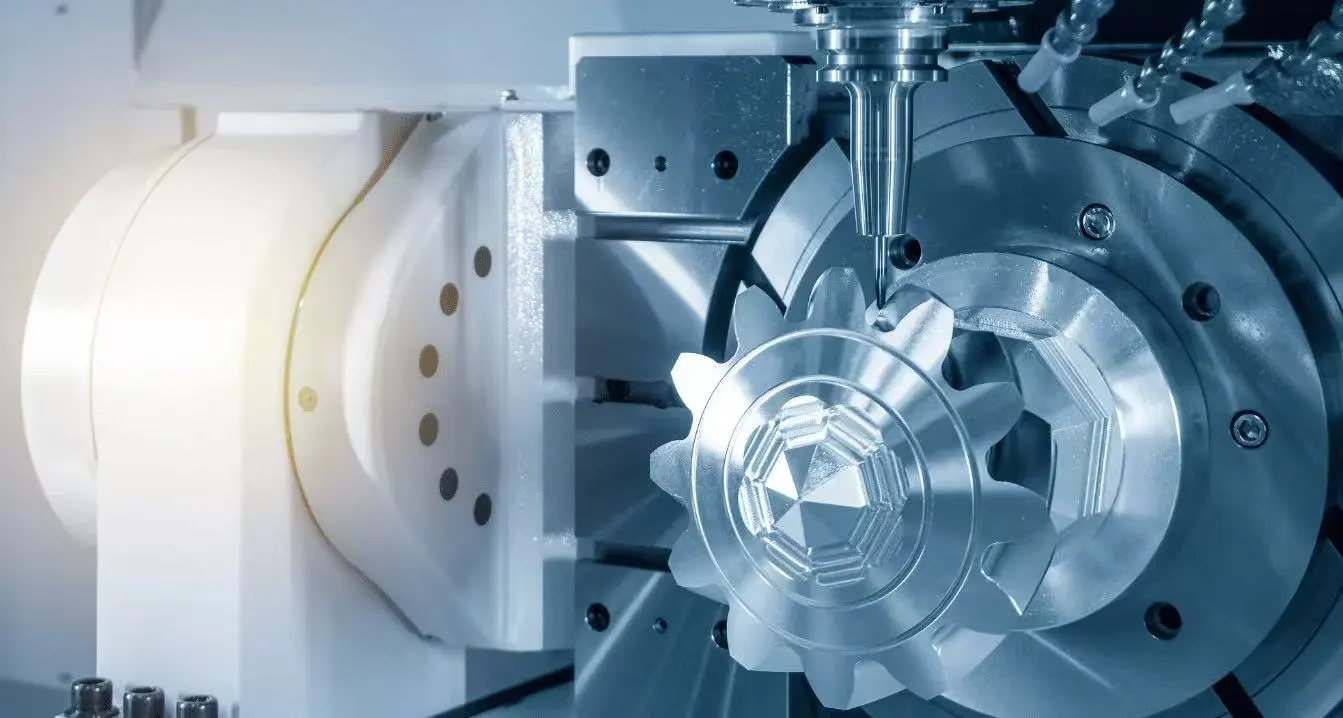
The Low-Volume Manufacturing Process in Chinese Factories
The low-volume manufacturing process starts with improving the idea. At factories in China, engineering teams look over CAD files and specs and give comments on how well they can be made. This joint method finds possible problems early on, which saves money by avoiding expensive changes later on. Design-for-manufacturing concepts help make changes that keep things working while making output more efficient.
Material Selection and Manufacturing Methods
Chinese low-volume manufacturing factories keep huge libraries of materials. ABS, PC, and nylon are engineering plastics that are used in consumer products and cars. Medical-grade materials are biocompatible, which means they can be used in medical equipment. Aerospace and manufacturing tools are made stronger with alloys of aluminum, steel, and titanium.
Different ways of making things are chosen based on the shape of the part, how much space it needs, and the qualities of the material. CNC machining makes it possible for metal and plastic parts to have tight specs and great surface finishes. 5-axis tools can work with complicated shapes without having to be set up more than once. Rapid injection molding is a way to make parts that are good enough for production in smaller amounts. It does this by using aluminum molds, which are much cheaper than hardened steel molds, to make the parts.
Vacuum casting makes copies of master patterns out of polyurethane resins. This method is great for making samples that look good and making small parts that need certain material qualities. Additive manufacturing technologies, such as SLA and SLS, can make complex designs that aren't possible with traditional methods. These technologies are especially useful for making grid structures and organic shapes.
Quality Assurance and Certification Standards
Reputable Chinese companies have quality control methods that are the same as those used in other countries. Getting ISO 9001 approval sets the standards for quality management. IATF 16949 talks about standards for the car industry, and ISO 13485 talks about making medical devices. These qualifications show that you are committed to using regular methods and keeping records.
Part of the inspection process is using coordinate measuring machines to check the sizes, looking at the surface finish, and trying the materials. Before full batch runs, first-article checks make sure that the production setting is correct. Early deviations are found by in-process checks, and final tests make sure that every part meets specs before it is shipped.
Traceability is provided by documentation tools. Shipments come with material approvals, inspection reports, and process records that help customers with their quality systems and make sure they follow the rules. This openness makes people more confident in the factory's skills and the quality of the products it makes.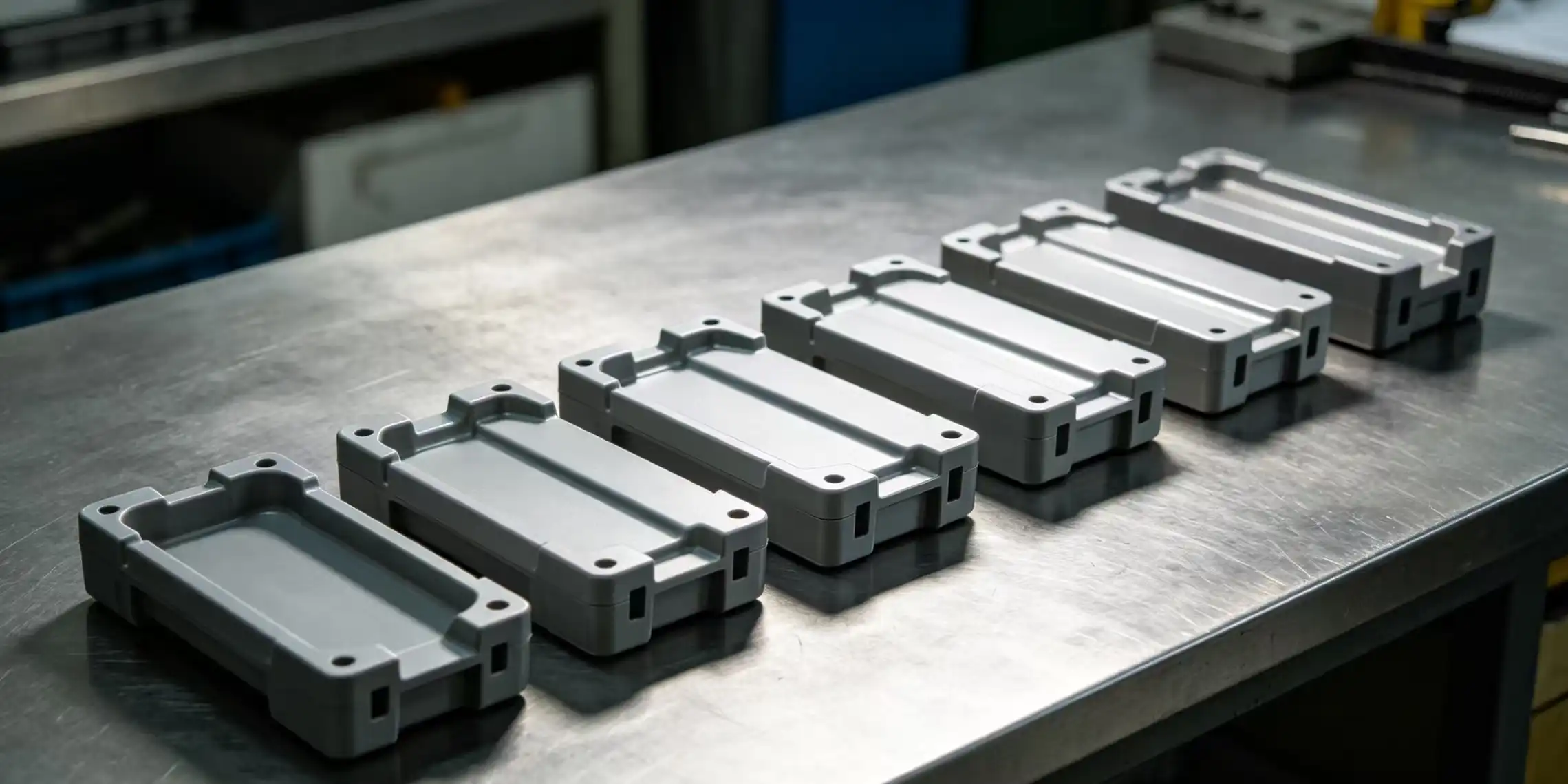
Comparing Low-Volume Manufacturing with Other Production Models
Knowing the differences between production models helps people who work in buying make smart choices. Because of economies of scale, mass production has the lowest prices per unit, but it costs a lot to set up and buy the tools. For mass production, injection molding tools can cost over tens of thousands of dollars and take weeks or months to build. Making changes after the work is done costs a lot of money and takes a lot of time.
Flexibility Versus Scale Economics
When making low-volume manufacturing runs, freedom is more important than lowering costs as much as possible. Tooling costs stay low, which lets design changes happen between runs. This ability to change is very helpful when making a product because iterations are based on customer feedback. Companies can improve features, make adjustments to comfort, or switch materials without having to pay huge fees to get rid of expensive tools.
Instead of making parts that are ready for production, prototyping is used to test ideas. Some prototype parts may not have the final surface finishing or material qualities. They are very important for checking the style, but they don't usually go straight to the customer. Small-batch manufacturing makes parts that meet final specs and can be used in pilot projects, to test the market, or as a bridge to mass production while it starts up.
Additive Manufacturing Trade-offs
Prototyping and low-volume manufacturing have been changed forever by three-dimensional printing technologies. SLA and SLS systems can make complicated shapes without using tools, which lets designers make changes to their ideas quickly. But the qualities of the material aren't always as good as those of injection-molded or made parts. Post-processing may be needed for surface finishes, and build times go up linearly with number.
CNC machining and injection molding are two traditional ways of making things that produce better mechanical qualities and aesthetic ends. Parts work the same way no matter what the stress, temperature, or location is. Whether to use additive or traditional methods relies on the size, complexity of the shape, the type of material needed, and the time frame.
How to Choose the Right Low-Volume Manufacturing Factory in China
When choosing factory partners, you need to carefully look at a lot of different factors. Facilities must have the right tools and skills for each job in order to have low-volume manufacturing capabilities. A precision machining factory might not be able to do injection molding, and a plastics-focused factory might not be able to do metal production well.
Evaluating Technical Capabilities and Experience
Ask for capability statements that list the tools, material knowledge, and quality processes that are available. Review past projects that were similar to yours by looking at how complicated the parts were, how well they were made, and what businesses they worked with. Factories that have worked with cars before know how strict quality standards and paperwork needs are. Medical gadget makers need to know about biocompatibility and following the rules.
Responding to communication shows operational professionalism. Quick, thorough answers to technical questions show that you know a lot about engineering and care about customer service. Language skills are important because expert conversations need clear language to avoid mistakes that could affect the quality of parts or delivery times.
Logistics and lead times are affected by where you are in the world. International customers can save money on shipping by buying goods from companies near big ports on the coast. Inland sites may save money, but they take longer to get to within the country. If you need to communicate in real time, you should think about time zone differences.
Assessing Quality Systems and Certifications
Certifications are an objective way to show that quality management is mature. ISO 9001 sets standards for controlling processes and making improvements all the time. Industry-specific qualifications, such as ISO 13485 or IATF 16949, show that you know a lot about a certain subject and follow the rules for that field. For copies of certificates, ask the organizations that issued them to confirm their legality.
Audits of suppliers show practical facts that go beyond certifications, especially for low-volume manufacturing. Virtual or real-life walks of a building show the work areas, the state of the tools, and the skills of the workers. Keep an eye on the standards for cleaning, upkeep, and quality control. Consistent results are usually achieved in places that are well-organized and have written down their methods.
Understanding Pricing and Contract Terms
Clear price systems help people trust each other and make budgeting easier. Ask for specific quotes that break down the prices of materials, production processes, tooling amortization, and finishing operations. Learn about the minimum order sizes and how prices change as the number of orders increases. Some companies offer tiered prices to encourage bigger orders while still letting smaller orders be handled.
Plans for lead times must match up with project plans. Make it clear if the times given include getting the materials, making the product, checking for quality, and sending it. Find possible bottlenecks, such as making tools or getting specific materials. Talk about the different ways to speed things up and how much they will cost for urgent needs.
The terms of a contract should cover things like protecting intellectual property, payment plans, quality standards, and ways to settle disagreements. Clear deals set the rules for how to handle problems if they happen and avoid confusion.
Practical Tips for Optimizing Low-Volume Production Orders in China
Design optimization has a huge effect on how well and how much something costs to make. Cutting down on shapes without affecting usefulness speeds up machining and protects tools from damage. When you standardize things like hole sizes, thread types, and angles across various parts, you can use the same tools. Using modular design lets you reuse parts for different types of products, which spreads the cost of development over more uses.
Design for Manufacturability Principles
Work with the factory's tech teams while the designs are being made. Their knowledge of how things are made helps them find possible production problems before they commit to plans. Keeping the wall thickness the same on plastic parts stops sink marks and warping. Draft angles help molds come loose during the casting and shaping steps. When accuracy isn't necessary, large tolerances make checking easier and making simpler.
When choosing materials, you have to balance how well they work with their supply and cost. When compared to rare materials, common industrial plastics and metal alloys are cheaper and take less time to make. Talk about replacing materials that have similar qualities but are easier to find or cost less.
Effective Communication Strategies
Lack of clarity in expert writing is eliminated. Give complete CAD files in forms that can be used by everyone, like STEP or IGES. Include thorough sketches that show the required materials, surface finishes, and tolerances for sizes. Mark important parts that need extra care. Along with written requirements, photographs or samples of accepted finishes can be used as visual aids.
Set up regular times for contact during work cycles. Progress can be seen through weekly updates while tools are being made and daily check-ins during production runs. Digital collaboration tools let people share information in real time, which cuts down on email loops and messy documents.
Cultural awareness enhances workplace relationships. Building relationships and communicating in a way that saves face are important in Chinese business culture. People may not like being directly criticized, so make sure that feedback is helpful and focuses on solutions instead of blame. Getting to know factory partners on a human level makes them more committed to the success of the project than just doing business with them.
Protecting Intellectual Property
When manufacturing low-volume manufacturing orders abroad, concerns about intellectual property are still true. Non-disclosure agreements set up legal frameworks to protect ideas and processes that are secret. Before giving out specific information, patents and logos should be registered in the right places. Share information in small chunks; only give out information that is needed for certain steps of the making process.
Work with companies that have a good reputation and have customers all over the world. Their business models rely on keeping secrets and having good names. Trustworthy businesses are less likely to risk their image for short-term gains, as shown by customer referrals and longevity in the industry.
Conclusion
The low-volume manufacturing industry in China has a lot to offer businesses that need flexible, low-cost production solutions. Advanced manufacturing methods, a wide range of access to materials, skilled workers, and low prices all work together to make it easy to make new products and get into new markets quickly. To be successful, you need to carefully choose your partners, communicate clearly, and work together, using the manufacturing knowledge of Chinese companies. Knowing the differences between development, small-batch production, and mass production helps you make choices that are in line with your project needs and your business goals. Chinese low-volume production sites can become key partners that speed up innovation and cut down on time-to-market across all industries if they are properly vetted and managed.
FAQ
What are typical turnaround times for low-volume orders?
Lead times depend on how the part is made, how complicated it is, and how readily available the materials are. Most CNC machining jobs are finished in one to three weeks. For rapid injection molding, the tools need to be made, which usually takes an extra two to four weeks before production starts. With turnaround times of just a few days to two weeks, additive manufacturing is the fastest. Making it clear from the start about expected timelines and possible bottlenecks helps companies set priorities correctly.
What minimum order quantities do Chinese factories require?
Minimum quantities rely on how the goods are made and the rules of the workplace. CNC machining can handle requests for a single piece, but the cost per unit goes down as more are ordered. When you use metal tools for 50 to 100 units, injection molding starts to make economic sense. For vacuum casting, you usually need 10 to 25 pieces to make it worth making a master design. Talk about number options with potential suppliers to find ones that can meet your needs for batch sizes.
How can quality be ensured when manufacturing overseas?
Quality security uses more than one method. Check the factory's certificates and ask for samples of parts or examples of past work. Do checks of the first item before full low-volume manufacturing runs. Third-party inspection services make sure that important projects are done correctly without any bias. Clear acceptance criteria and detailed specs set quality standards that can be measured. Building ties with factory quality managers makes people more accountable and helps them focus on ongoing growth.
Partner with BOEN Prototype for Reliable Low-Volume Manufacturing Solutions
BOEN Prototype delivers precision parts to a wide range of businesses, closing the gap between prototyping and mass production. Our building has CNC machining, rapid injection molding, vacuum casting, and additive manufacturing technologies. These help make plastic and metal parts for uses in robots, aircraft, medical devices, consumer electronics, and cars. We know the specific problems that business-to-business procurement teams face when they need to find low-volume manufacturing, clear price, strict quality control that meets ISO standards, and quick contact throughout the lifecycle of a project. Our engineers work together to make sure that your parts meet all of your exact requirements while keeping costs and schedules under control. They do this by optimizing designs, choosing materials, and suggesting the best ways to make them. BOEN Prototype is a reliable company that can help you make things, whether you need functional proof parts, pre-production samples, or bridge production numbers. Get in touch with our team at contact@boenrapid.com to talk about your project needs and get a full quote that fits them perfectly.
References
Chen, L. (2022). Advanced Manufacturing Systems in Modern Chinese Industry. Industrial Press.
Morrison, R. & Zhang, W. (2021). Global Supply Chain Strategies for Small-Batch Production. International Business Publishing.
Patel, S. (2023). Comparative Analysis of Manufacturing Methods for Prototyping and Low-Volume Production. Engineering Journal of Manufacturing Technology, 45(3), 127-145.
Thompson, K. (2022). Quality Management Systems in International Manufacturing Partnerships. Quality Press.
Wang, J. & Liu, H. (2023). Material Science Applications in Flexible Manufacturing Environments. Materials Engineering Quarterly, 38(2), 89-104.
Williams, D. (2021). Strategic Procurement in the Age of Distributed Manufacturing. Business Strategy Publications.

How Can We Help?

Your Trusted Partner in Rapid Manufacturing.