ABS Parts Manufacturing Processes Explained for Buyers
Understanding how things are made becomes necessary when looking for parts for important uses. When making ABS parts, like Acrylonitrile Butadiene Styrene plastic parts or Anti-lock Braking System parts, the production method needs to be carefully looked at. This guide talks about how different ways of making things affect quality, speed, and whether they'll work for your project. We look at the methods that top manufacturers use, the quality signs that can be used to judge them, and useful strategies for B2B procurement workers to help them get around in this complicated market.
Understanding ABS Material and Its Industrial Applications
ABS plastic is one of the most useful flexible materials today, and it is used in many different fields. This substance is made up of three monomers: Acrylonitrile, Butadiene, and Styrene. Each monomer gives it its own unique qualities that make it perfect for tough uses.
ABS is used a lot in the automotive industry for dashboard parts, internal trim panels, and structural elements inside of vehicles. Because it is a great mix of strength and weight, this material is very popular among EV companies for making battery enclosures and charging port housings. ABS is used by companies that make consumer electronics for safe housings, smart home product cases, and device casings because it is more resistant to impact and still looks good.
When biocompatibility rules allow it, medical device makers like using ABS for non-implantable parts, ergonomic testing samples, and equipment housings. ABS structural parts are useful in the robots business for AGV systems and robotic arms where stable dimensions are important. For non-critical UAV parts and parts inside the cabin, aerospace component designers use special ABS formulas.
Material Properties That Drive Selection
ABS is very resistant to contact, even at low temperatures. This means it can be used in places where mechanical stress is present. There is good chemical protection in the material against acids, alkalis, and many solvents that are popular in industrial settings. It keeps sensitive computer parts inside ABS cases safe because it doesn't conduct electricity.
Another benefit is the high quality of the surface finish. ABS takes paint, plating, and other finishing processes very well. This quality is useful when the need for looks and the need for functionality are the same. The material stays the same size at low temperatures, but engineers have to take into account its thermal expansion coefficient when making precise parts.
That being said, ABS does have some problems. Long-term UV exposure breaks down and changes the color of materials, so they can't be used outside for long amounts of time without protective coats. Since the freezing point of the material is between 200°C and 240°C, it can't be used in places where the temperature is high. Standard ABS burns pretty easily, so flame-retardant ingredients are needed to make it resistant to fire.
Core Manufacturing Processes for ABS Components
There are different ways to make things that work better for different projects, sizes, and shapes. When procurement experts understand these steps, they can better match manufacturing skills to specific application needs.
Injection Molding for High-Volume Production
For good reason, injection molding is the most common way to make ABS parts. Under high pressure, this process injects liquid plastic into precise molds, making shapes with complex shapes and tight limits. As soon as the material cools and hardens, the parts fall out naturally, which makes cycle times very short.
This method works great when the amount of work being done justifies buying tools. Automotive Tier-1 providers that make interior parts profit from how repeatable and cost-effective injection molding is when done on a large scale. Manufacturers of consumer goods use this process to make building parts that need to have the same wall thickness and surface finish all the way through. This method can handle complicated features like snap fits, moving hinges, and rough surfaces without the need for extra steps.
These days, scientific molding ideas are used in injection molding, and process tracking and cavity pressure sensors are used to make sure accuracy. To get rid of dimensional difference, top makers keep process factors like melt temperature, injection speed, packing pressure, and cooling time very strict. This amount of control is necessary for parts that need to fit perfectly with other parts.
CNC Machining for Precision and Customization
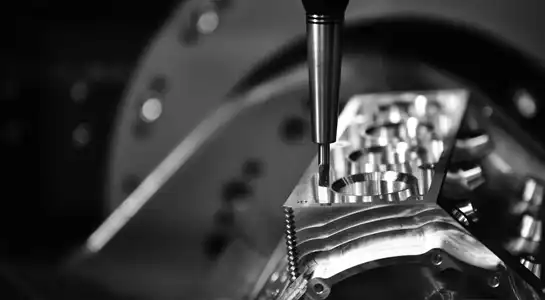
Computer-controlled cutting tools are used in CNC machining to take material from rigid ABS stock. This method of subtractive manufacturing works well for small batches of products, unique samples, and parts that need to fit together very precisely, which is not possible with molding.
For testing labs to make sure that new designs work, they often need machined ABS samples that are an exact copy of the final production shape. Before making a tool, medical device R&D teams try ergonomic models on machines to see how well the shape and function work together. Aerospace experts cut ABS parts for wind tunnel models and fit-check kits.
The process is flexible; if the design changes, all that needs to be done is to update the program, not make expensive changes to the mold. Multi-axis CNC machines can make shapes and cuts that would be hard to make with a mold because they are so complicated. The quality of the surface finish depends on the tools used and the cutting settings. Treatments can be applied after the work is done to improve the look.
Material waste is an issue because chips and cutoffs can't always be recovered in a cost-effective way. But for uses that need to change things quickly or make few items, machining offers the fastest time to market without having to wait for equipment lead times.
Additive Manufacturing for Complex Geometries
The way ABS prototypes and small batches are made has changed a lot thanks to 3D printing. Fused Deposition Modeling printers make parts straight from CAD data without using any tools because they extrude thermoplastic fiber layer by layer.
This method gives designers freedom that wasn't possible with older ways. Robotics engineers make complicated brackets that have built-in wire handling and better material distribution. Drone makers prototype lightweight structural parts that have internal grid structures that keep strength while lowering weight. Industrial design companies make samples that look good for clients to look over in hours, not weeks.
Functional testing and form proof can be done with FDM technology, but the surface finish and mechanical qualities are usually not as good as with injection molding. For uses where looks are important, resin-based printing methods that use photopolymers that are similar to ABS produce better surface quality and finer features.
Low numbers are better from an economic point of view because 3D printing doesn't require any tools, so single-digit quantities are possible. When the number of pieces made goes above a few hundred, traditional ways of production usually become cheaper.
Thermoforming for Large, Shallow Components
When ABS sheet stock is heated until it is soft, it is shaped over molds using gas pressure or mechanical making. When it comes to big parts with simple shapes and small draw depths, this method works well.
Car companies use thermoforming to make the inside of door panels, dashboards, and covers for cargo areas. This is how protective covers and access doors for industrial tools are made. The process needs less expensive tools than injection molding, which lowers the starting cost for small to medium production runs.
Controlling the thickness of a material is hard because heating and bending can make some parts thinner while leaving others thicker. This difference needs to be taken into account by designers who need to make sure that structure needs are met. It's an extra step to trim the extra material around the edges of components, but it makes it possible to define edges clearly.
Vacuum Casting for Bridge Production
Using silicone molds and polyurethane resins that have qualities similar to ABS, vacuum casting makes ABS parts. This method makes 10 to 50 high-quality parts from a single mold, which is in between testing and full production.
Before making production tools, medical device makers use vacuum casting to make parts for clinical trials. Consumer product designers make market test pieces that have the same finish and performance as the final product. It can copy very fine surface details and work with color matching and finishing techniques.
Mold longevity reduces total production numbers, so this can't be used for continued production. However, vacuum casting is very helpful during the growth of a product because it is faster and cheaper for large amounts.
Evaluating Manufacturing Quality for Critical Applications
To evaluate quality, you have to look at a lot of different things that affect how well and how long a part works. Professionals in procurement need to set clear standards that are in line with what the application needs.
Dimensional Accuracy and Consistency
Compliance with tolerances has a direct effect on how things are put together and how well they work. Tight tolerances on parts make sure they fit correctly in systems, cut down on rework, and raise the quality of the whole output. Manufacturers should give thorough inspection records that include measurements of important measures taken with properly adjusted tools.
Statistical process control data shows that production stays the same over time. Ask for capability studies that show Cpk numbers above 1.33 for important features. This will show that the process keeps measurements well within the limits set by specifications. With this data-driven method, you can find suppliers whose production methods are stable and well-controlled.
Material Properties and Testing
Testing physically makes sure that parts made meet the requirements for the materials used. Impact strength tests show that the material can handle mechanical shocks without breaking. Tensile strength tests prove that a material can hold weight for structure uses. Heat deflection temperature testing makes sure that parts stay the same size at normal working temps.
Chemical resistance testing is very important for jobs that involve cleaning or chemical contact. Ask for test results that show the part is safe to use with the chemicals it will come into contact with during upkeep or use.
Certification Standards and Compliance
If a supplier has ISO 9001 certification, it means they have quality management systems with documented methods and practices for ongoing growth. Automotive suppliers should be certified by IATF 16949 to show that they can meet quality standards for the car industry. Manufacturers of medical parts need medical device quality systems to be ISO 13485 certified.
Material approvals show that the ABS grade meets the requirements for the job. RoHS compliance paperwork shows that materials don't contain any banned substances that can't be used in electronics. For parts in electrical casings, UL grades for flammability classification are important.
Surface Quality and Finishing
Standards for visual inspection should match how visible the parts are in the finished product. Class A surfaces for parts that will be seen by customers must have a perfect finish with no flow lines, sink marks, or other surface flaws. Class C surfaces with clear production marks can be used on internal structure parts.
Finishing options expand the uses of components. Basic ABS can be turned into high-end-looking goods by painting, polishing, and adding textures. Check the finishing quality of a seller by looking at sample parts that meet your unique needs.
Practical Procurement Strategies for B2B Buyers
To successfully source ABS parts, you need to carefully compare the skills of potential suppliers with the needs of the project. These tactics make the process of buying things easier while also lowering the risk.
Defining Project Requirements Clearly
Specifications that are clear cut out confusion and allow for accurate quotes. Give full CAD models with clear markings on the dimensions that are allowed. Include any special formulas needed for chemical protection, flame retardance, or impact performance when describing the material grade. When possible, use reference pieces to set standards for acceptable surface quality.
Forecasts of volume over the span of a product help suppliers suggest the best ways to make it. If you only need a small amount, CNC cutting or 3D printing might work well. If you need a lot, though, you should invest in injection molding. By sharing ramp-up dates for production, providers can plan their capacity and tooling properly.
Evaluating Supplier Technical Capabilities
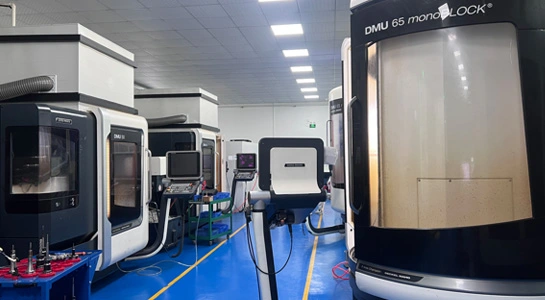
Facility walks show how things are made and how quality is controlled. Check the state of the tools, the level of cleanliness, and the level of training of the operators. Facilities that are well-organized and use current equipment usually get better results than ones that use old equipment.
Check out the supplier's method for keeping quality records. Ask for examples of inspection records, tracking of non-conformances, and processes for corrective action. Strong quality systems help suppliers find problems before they ship and keep making processes better.
Find out what kind of tech help is available. Suppliers who offer design for manufacturability help improve the cost and quality of component designs. This joint method often lowers production costs and raises the performance of parts at the same time.
Managing Prototype and Production Transitions
Before committing to production tools, prototype development sets the standard for what to expect. Test the fit, function, and look of the first samples. Test samples physically to make sure the qualities of the materials meet the needs.
Keep accepted samples as gold standards for comparing production runs. Keep these reference parts in stock throughout the production process to make sure that the quality stays consistent. Any difference from the accepted standard needs to be looked into and fixed.
Carefully plan the tools evaluation. Before full production starts, the dimensions of production tools are checked by a first item inspection. This step finds problems with the tools early, when fixing them is still cheap.
Establishing Long-Term Partnerships
Suppliers you can trust become key partners who help your goods succeed. Rate how responsive they are during the quote and sampling parts. The quality of communication in the early stages of a relationship can be used to predict how it will develop over time.
Better terms are often possible with volume agreements. Sharing estimates helps providers plan their output and keep prices low. Long-term contracts with volume promises allow suppliers to make investments in process optimization that are good for both sides.
Monitoring performance keeps relationships healthy. Keep an eye on the number of on-time deliveries, quality measures, and how quickly problems are fixed. Regular reviews of a business give people a chance to voice their issues and find ways to make things better.
Conclusion
Making ABS parts involves a number of different steps, each of which has its own benefits for different uses and quantities. Injection molding is a cheap way to make a lot of things, while CNC cutting is better for making things that are exactly what you need. Additive manufacturing makes it possible to make complicated shapes and quick prototypes that would not be possible with older methods. When procurement workers understand these manufacturing processes, they can choose the best providers and production methods for the needs of the project. Components must meet strict application standards by being checked for quality by measuring them accurately, checking the materials, and making sure they are certified. Clear specifications, assessments of suppliers' abilities, and long-term partnerships are all part of strategic buying methods that lead to consistent quality and low costs.
FAQ
How do I verify an ABS parts supplier's manufacturing quality?
How can I tell if an ABS parts provider makes good parts? Ask for proof of ISO 9001 certification and any industry-specific certifications that are important to your application. Look over the capability study data that shows statistical process control for important variables. Look at inspection records from recent production runs to see how measurements are made and how well tolerances are followed. When you can, do facility checks to look at the state of the equipment, the quality control processes, and the training of the people who will be using it. Ask for model parts that meet your needs and test them on your own to make sure the material qualities and dimensions are correct.
What differences exist between OEM and aftermarket ABS components?
What are the changes between OEM and aftermarket ABS parts? OEM parts are made to the same standards as the original equipment and usually come with a full guarantee backed by the company that made the car or equipment. Aftermarket parts may be made with different materials or methods that are similar to OEM standards but cost less. Quality changes a lot between alternative suppliers—some meet or beat OEM standards, while others cut corners on performance to save money. Instead of just looking at price, use material approvals, dimensional inspection data, and performance tests to help you choose an aftermarket choice.
Which manufacturing process suits low-volume custom ABS requirements?
What kind of production process works best for making unique ABS in small quantities? CNC cutting and 3D printing are both good for low-volume needs; which one to use depends on the specifics. For useful parts that need to be precise, machining gives you tighter tolerances and better mechanical qualities. 3D printing makes it possible to make complicated shapes and design changes more quickly during the development process. Vacuum casting gives you a finish and material qualities that are good enough for mass production between trials and full production tools.
Partner with BOEN Prototype for Expert ABS Manufacturing Solutions
BOEN Prototype focuses on fast prototyping and low-volume production using cutting-edge ABS manufacturing methods that are customized to meet the needs of your business. We can do CNC cutting, injection molding, 3D printing, and vacuum casting all at the same time, which lets us suggest the best process for your needs. Our engineering team can help you with design and get your parts quickly without sacrificing quality, whether you need parts for the inside of cars, electronics casings, medical device housings, or robotics structure parts. We have been making ABS parts for a long time and work with OEMs, Tier-1 suppliers, EV companies, gadget makers, and aerospace developers all over North America. Get in touch with our team at contact@boenrapid.com to talk about your project needs and get a full quote with lead time predictions.
References
Strong, A. Brent. Plastics: Materials and Processing. 3rd ed. Pearson Education, 2006.
Brydson, John A. Plastics Materials. 7th ed. Butterworth-Heinemann, 1999.
Rosato, Dominick V., and Rosato, Donald V. Injection Molding Handbook. 3rd ed. Springer, 2000.
Kalpakjian, Serope, and Schmid, Steven R. Manufacturing Engineering and Technology. 7th ed. Pearson, 2013.
Crawford, R. J., and Throne, James L. Rotational Molding Technology. William Andrew Publishing, 2002.
Gibson, Ian, Rosen, David, and Stucker, Brent. Additive Manufacturing Technologies: 3D Printing, Rapid Prototyping, and Direct Digital Manufacturing. 2nd ed. Springer, 2015.

How Can We Help?

Your Trusted Partner in Rapid Manufacturing.