Design for Manufacturing Guide to Reduce Errors and Rework
Design for Manufacturing is a way of thinking about things that helps connect the idea of a product with its actual production. Engineering teams can avoid expensive mistakes, shorten the time needed for rework, and speed up time to market by thinking about manufacturing from the very beginning of the design process. This way is now needed in all fields—from cars and medical devices to consumer goods and aerospace—where accuracy, dependability, and low cost have a direct effect on positioning in the market.
Understanding the Fundamentals of Design for Manufacturing
What Design for Manufacturing Actually Means
By developing goods with production in mind, engineering teams are changing the way they work on development. This method doesn't think of manufacturing as something that happens later; instead, it includes production issues in every design choice. The idea goes beyond just making sure it's possible; it requires designers to think ahead about what tools they will need, how materials will behave, how they will be put together, and any quality control issues that might come up before they agree to final specs.
Distinguishing DFM from Design for Assembly
These approaches have similar goals, but they put a lot of different focus on those goals. Design for Manufacturing is all about making the production of individual parts as efficient as possible by taking into account things like cutting limits, material choice, and process capabilities. Design for Assembly is all about how parts fit together, which cuts down on the number of fasteners needed and makes joining easier. A lot of companies use DFMA (Design for Manufacturing and Assembly) to deal with both aspects at the same time. However, buying teams should figure out which method best solves their current problems.
Core Principles That Drive Manufacturing Excellence
Effective execution is based on a number of basic concepts. Simplifying cuts down on the number of parts and the complexity of the geometry without affecting how well the product works. This directly cuts down on production time and the chance of making a mistake. Standardization makes it easier for parts to be used in different product lines, which makes managing supplies and working with suppliers easier. When choosing materials, you have to weigh the performance needs against the ease of purchase and the way they can be processed. Assembly optimization makes sure that parts line up correctly during production, which cuts down on mistakes made by operators and the need for inspections.
These principles are very similar to the ideas behind lean production, which focuses on getting rid of waste and increasing value. When used in a planned way, they create benefits that spread all along the supply chain.
The DFM Workflow from Concept Through Prototyping
A structured development leads to effective execution. During the early idea stages, design goals are set and important production limitations are identified. Engineering teams do viability studies that look at different types of materials, how well the process can work, and how much leeway is needed. By trying these choices in the real world, prototyping shows problems that simulations might miss.
At BOEN Prototype, we've seen that clients whose concepts include manufacturing skills cut down on the number of iterations they need by a large amount. We can use CNC machining, rapid injection molding, vacuum casting, and additive production technologies, which lets engineering teams quickly try out different methods. This prototyping process is very important because it's where theoretical ideas meet the facts of production.
Cross-functional teams must work together to connect this process to product development cycles. Design engineers, factory experts, quality teams, and procurement workers must always be talking to each other and sharing information that helps make improvements over time. When people work together, they don't have to make decisions in isolation, which can lead to costly redesigns after investing in tools.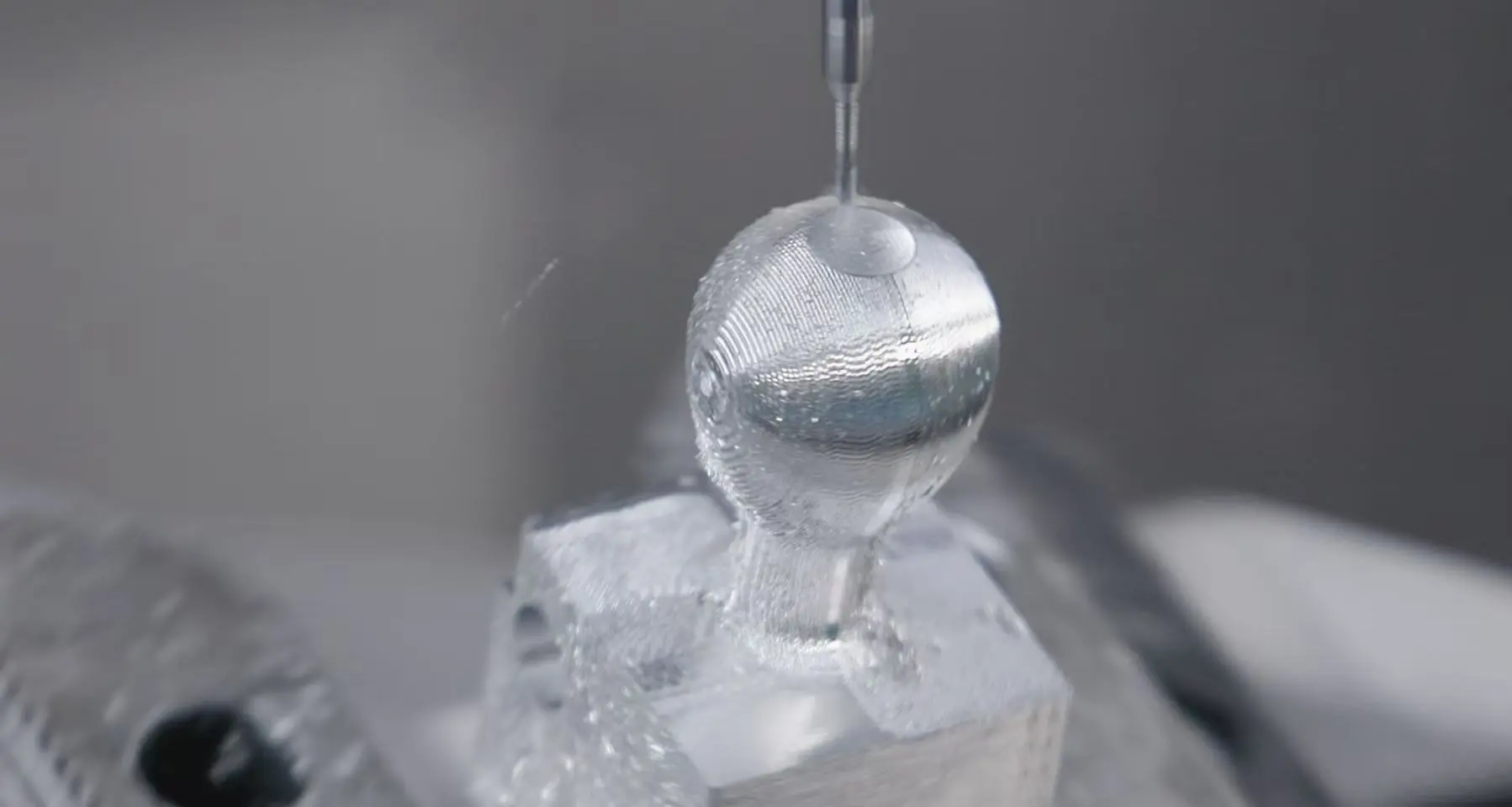
How to Apply Design for Manufacturing to Minimize Errors and Rework
Common Manufacturing Errors Rooted in Design Flaws
Problems with production are often caused by design choices that were made without enough input from manufacturing. When differences between parts add up, they cause assembly problems called tolerance stack-ups. Parts can't come out of molds smoothly when the draft angles aren't right, which can damage the surface or the tool. Different thicknesses of materials cause uneven cooling rates in casting processes, which can cause the material to warp or have internal pressures. Undercuts and complicated shapes make it more likely for defects to happen and raise the cost of tools and cycle times.
When designing lighting housings for cars that don't take into account the limitations of injection molding, the tools often need to be changed more than once. When practical needs clash with the limits of the sterilization process, medical gadget projects face similar problems. Teams can step in before committing resources to bad ideas when they are aware of these trends.
Practical Best Practices That Prevent Issues
Using organized Design for Manufacturing rules makes it easier to avoid making common mistakes. Setting standard wall widths for injection-molded parts makes sure that flow and cooling are always the same. Giving internal corners large circles lowers stress densities and makes machining easier. By making parts accessible for multi-axis cutting, you can get rid of the need for extra steps. Making self-locating features makes sure that the assembly is oriented correctly without the need for special supports.
Checklists that are made for specific manufacturing processes help engineering teams make sure that plans are compliant before they are released. Some of the things that might be on a CNC cutting plan are tool access, fixture points, and surface finish needs. A list for injection molding would include places for gates, ways to remove parts, and ways to let air flow. These regular reviews find mistakes that individual designers might miss when they are busy with a project.
Software Tools That Identify Problems Early
Modern modeling tools let you test your ideas virtually before making a real prototype. Design for Manufacturing analysis software checks designs against the limits of production, pointing out possible problems like thin walls, sharp corners, or draft angles that are hard to work with. Mold flow modeling predicts how injection-molded parts will fill, where the weld lines will go, and how they will cool. Machining software checks tool routes and finds problems like collisions or long cycle times.
These tools give you numerical feedback that helps you make decisions that are based on facts. Instead of depending on gut feelings or general rules, engineering teams use data-driven insights to see how different design options affect production. This analytical method builds trust among partners and makes it clear why design choices were made.
Real-World Results from Disciplined Application
After starting regular Design for Manufacturing reviews, a Tier-1 car supplier cut the time it took to make interior parts by 40%. By finding problems with molding during the early stages of design, they were able to skip two tool revision rounds that had previously slowed down starts. A company that makes medical devices cut the number of defects in assemblies by 65% by redesigning the products to include self-aligning features and fewer parts.
With these results, you can see that your Design for Manufacturing investment paid off. Along with direct cost savings, businesses gain plan reliability, which improves relationships with customers and helps them stand out in the market. Engineering teams spend less time fixing problems with production and more time coming up with new goods for the next generation.
Comparing Design for Manufacturing Techniques and Tools for Optimal Procurement Decisions
When to Prioritize DFM Versus DFA
The procurement teams need to know which way will help them get around the problems they're having now. Focusing on Design for Manufacturing is best for projects with a lot of complex machined or molded parts, since the ability to make each part determines the total potential. Products that need a lot of work and a lot of assembly steps need DFA focus to make joining processes more efficient and cut down on assembly time.
EV startups that are making battery enclosures have a hard time making them because they need to be molded in big areas and sealed tightly, which is a clear Design for Manufacturing goal. Robotics companies that put together motion systems with multiple parts need DFA advice to keep tuning costs low and performance consistent. Knowing these differences helps buying managers use their resources wisely and hire the right experts.
Evaluating DFM Software Solutions
Different systems meet the technology and business needs of different groups. Entry-level options offer basic rule checking and manufacturability scores, making them good for teams that are just starting out with Design for Manufacturing. Enterprise systems provide in-depth analysis, such as estimating costs, helping with process selection, and matching provider capabilities. Cloud-based tools let teams that work in different places work together while keeping design files in one place.
To choose the right software, you need to think about how complicated the project is, how technically skilled the team is, and how it needs to work with other CAD systems. businesses that make a lot of consumer goods need different features than aircraft businesses that make certified parts in small batches. Manufacturing engineers should be part of the review process so that procurement teams can be sure that the tools they choose will solve real production problems.
Measurable Advantages Over Traditional Approaches
When manufacturing isn't thought about until the molding part of a traditional design process, problems are bound to happen. When compared to changes made during the idea phase, design changes made after the tool has been cut increase costs by tens or even hundreds of times. When production starts are delayed because of problems with how they can be made, they miss market dates and let customers down. Design mistakes that let quality escape hurt a brand's image and lead to expensive field actions.
When companies use strategic Design for Manufacturing methods, they say they see big gains. As development processes go down, lead times get shorter. When plans take into account how the process works, production rates go up. Standardization, which makes multi-source tactics possible, makes the supply chain more resilient. Over the lifetime of a product, these benefits add up, giving the company a long-term competitive edge.
Leveraging Design for Manufacturing Services and Expertise in Global B2B Procurement
The Value Proposition of Specialized DFM Partners
Bringing in outside manufacturing experts speeds up the development of skills while lowering risk. Having specialized consultants with knowledge from more than one industry can help teams find answers that aren't obvious to teams working in the same industry. Manufacturing service providers know a lot about processes that design engineers don't, which makes working together more effective.
At BOEN Prototype, we have a unique view on problems related to making things because we have worked with cars, medical devices, aerospace, consumer technology, and industrial equipment. When clients come to us with their first ideas, we quickly figure out any production problems that might come up, whether they have to do with choosing the right materials, the ability of the process, or the distribution of tolerances. This direct involvement stops the expensive shocks that happen when designs go into production without enough input from the manufacturing team.
Accelerating Time-to-Market Through Expert Involvement
There are many places where speed benefits can be found. Experts quickly figure out the best ways to make things based on the amount being made, the materials needed, and the performance standards. They make fast prototyping possible, which tests ideas physically instead of taking a long time to analyze them. Their networks of suppliers let them quickly make tools and start making things when ideas work.
A drone maker cut down on the time it took to make a component by working with manufacturing experts who suggested changes to the design that would allow fast tooling methods to be used. These changes kept performance standards the same while cutting tool lead times by a large amount. This made it possible to start flight testing and approval earlier.
Selecting Qualified DFM Service Providers
Teams that buy things should look at possible partners from a number of different angles. Industry knowledge that is important to specific uses makes sure that you know about the specific needs and rules that apply. Process capability breadth means being able to handle a range of industrial methods as designs change. Quality standards show that methods are followed in a way that leads to reliable results. Communication that is quick and cultural fit make working together easier when time is limited.
By asking for case studies and examples, you can find out how providers deal with problems that are similar to the ones your projects are facing. Finding out about a provider's development skills, knowledge of materials, and experience with increasing output helps projects match their strengths with what they need.
Scalable Solutions Matching Organizational Needs
Different stages of maturity mean that different involvement models are needed for each organization. Startups and small businesses can often benefit from all-around coaching that helps them build their own skills while also taking care of current projects. Large companies might look for specialized help with difficult applications while keeping their own Design for Manufacturing experts on hand for everyday tasks. Platforms that offer software as a service make it easy for teams to start learning the basics.
This ability to grow makes sure that Design for Manufacturing investments are in line with how ready the company is and how important the project is. Managers of procurement can set up projects that produce value right away and build long-term internal knowledge.
Best Practices Checklist for Design for Manufacturing in Product Development
Practical Implementation Framework
Checklists that make Design for Manufacturing concepts a part of everyday life help engineering teams. These tools make sure that the same methods are used across jobs and employees, so one person's knowledge isn't needed as much. Checklists that work well include things like how to choose the right materials, how to build for a certain method, how to do tolerance analysis, and how to validate prototypes.
To make checklists better, people should use what they've learned from past projects. When problems happen in production despite Design for Manufacturing review, root cause analysis should find holes in the routine that let the problems go by unnoticed. This constant improvement builds corporate knowledge and stops mistakes from happening again and again.
Cross-Functional Collaboration Strategies
Improving manufacturability needs input from a range of viewpoints. Design engineers know how to meet practical needs and come up with creative ideas. Manufacturing experts know what the process can do and what it can't do in real life. Quality experts know the problems and ways things can go wrong during inspections. Procurement professionals help by giving information about what suppliers can do and how much it will cost.
Structured design meetings bring these people together at set points in the project. Instead of handoffs that happen one after the other and delay input, concurrent engineering methods let people work together in real time. Digital tools make this interaction easier by letting people share models and add notes that record choices and reasons.
Continuous Improvement Through Training and Feedback
For DFM to stay at the top, skills must be constantly improved. Engineers learn about new materials, processes, and design methods during regular training events. Workshops look at past projects to find lessons that can be used in new projects. Mentoring programs give new engineers the tucked-away information of more experienced professionals.
The learning cycle is completed by feedback loops that link the results of production to the choices made during planning. When manufacturing teams write down the real reasons for problems in production, design engineers can see how the decisions they make affect operations further down the line. This kind of learning through experience works better than following vague rules that don't have any real-world effects.
When you use lean principles, you set up organized ways to get rid of waste. Value stream planning shows tasks in development processes that don't add value. Kaizen meetings focus on specific ways to make things better. Standard meanings of work set minimum standards that show where things aren't meeting goals and need more attention.
These actions help create places where being able to make things is natural and doesn't need to be thought about. Engineers internalize design principles by using them over and over again and getting instant feedback. This builds intuition that leads early design decisions toward solutions that can be made.
Conclusion
Using strict Design for Manufacturing methods changes how products are made in all kinds of businesses. Companies avoid expensive mistakes, shorten development times, and boost production quality by including manufacturing concerns in the early stages of design. These methods, tools, and ways of working together are actionable models that procurement workers and tech teams can change to fit their own needs. Systematic Design for Manufacturing application leads to measured benefits like less rework, faster market entry, and better competitive positioning, whether it's used to make car parts, medical devices, consumer electronics, or aerospace systems. Companies that follow these concepts gain long-term benefits in global markets that are becoming more demanding.
FAQ
How does design for manufacturing reduce production costs?
There are several ways that following Design for Manufacturing concepts cuts production costs. Less complicated patterns need fewer steps and shorter cycle times to make. Standardized parts make it possible to buy in bulk and combine suppliers. The performance and cost of purchase are balanced by optimal material selection. These things work together to lower the cost of making one unit while also raising the return rate, which lowers the cost of scrap and repair.
What distinguishes Design for Manufacturing from Design for Assembly?
Design for Manufacturing is all about making the best use of each part's production, taking into account things like how easy it is to machine, how hard it is to make, and how to process the materials. Design for Assembly looks at how parts fit together, cutting down on the number of fasteners needed and making assembly steps easier. Even though these methods are connected, they work on different parts of making a product. Most businesses are better off using both methods together, thanks to DFMA methods that improve both parts and assembly at the same time.
Can small and medium enterprises benefit from DFM consulting?
Of course. Small and medium-sized businesses often benefit more than they should from Design for Manufacturing knowledge because they don't have a lot of manufacturing engineering tools in-house. External experts bring specialized knowledge that helps avoid costly mistakes during the first few months of a product's life. Scalable engagement models let small and medium-sized businesses get the help they need based on the size and cost of their projects. This can be done through full-service advice or focused reviews that focus on specific issues with manufacturing.
Partner with Manufacturing Expertise That Reduces Errors and Accelerates Market Entry
BOEN Prototype turns design ideas into products that top companies in the automobile, medical devices, aerospace, consumer electronics, and industrial equipment industries can make. We can do CNC cutting, rapid injection molding, vacuum casting, metal pressing, and advanced 3D printing. These technologies work together to let us do full Design for Manufacturing evaluation and rapid testing that checks designs before committing to full production. As a Design for Manufacturing company with a lot of experience, we've helped a huge number of engineering teams find and fix problems with manufacturability that would have caused expensive production delays. Get in touch with our team at contact@boenrapid.com to talk about how our knowledge can help you improve your next product development project, cut down on iteration cycles, and make sure the switch from pilot to production goes smoothly.
References
Boothroyd, G., Dewhurst, P., & Knight, W. (2011). Product Design for Manufacture and Assembly (Third Edition). CRC Press.
Bralla, J. G. (1999). Design for Manufacturability Handbook (Second Edition). McGraw-Hill Professional.
Anderson, D. M. (2014). Design for Manufacturability: How to Use Concurrent Engineering to Rapidly Develop Low-Cost, High-Quality Products for Lean Production. CIM Press.
Kalpakjian, S., & Schmid, S. R. (2013). Manufacturing Engineering and Technology (Seventh Edition). Pearson.
Trucks, H. E. (1987). Designing for Economical Production (Second Edition). Society of Manufacturing Engineers.
Poli, C. (2001). Design for Manufacturing: A Structured Approach. Butterworth-Heinemann.

How Can We Help?

Your Trusted Partner in Rapid Manufacturing.