OEM vs ODM in Optical Component Manufacturing: Which One Do You Need?
When you need to get optical parts, choosing between OEM and ODM partnerships is one of the most important decisions you can make for the success of your project. When your engineering team has made detailed plans for lenses, prisms, optical filters, or sensor housings, OEM low volume manufacturing services are the best way to keep full design control and intellectual property rights. On the other hand, ODM partnerships offer design-ready solutions that shorten development times. This is especially helpful when joining new markets quickly or trying ideas without having a lot of design resources in-house.
Understanding OEM and ODM in Optical Component Manufacturing
Precision, quality, and flexibility are important in the optical components industry. These are the main differences between OEM and ODM manufacturing methods.
Defining OEM in Optical Manufacturing
OEM production is all about making your exact ideas come to life. Your engineering team gives you precise specs, CAD files, information on what materials you need, and performance standards. The maker follows these plans to make the product without changing the main design. This model gives full ownership of intellectual property and design choices, which is important when making custom optical parts for LiDAR systems in cars, medical imaging equipment, or instruments used in space travel.
Understanding ODM Capabilities
ODM companies have their own design teams and stores of parts that are already made. You can customize their optical solutions by telling them what functions you need (wavelength range, transmission properties, and size limits), and their engineers will either change current designs or make new ones to fit your needs. This method cuts down on development times by a lot, which is especially helpful for consumer electronics companies that are putting out smart home devices or wearable tech that needs standard optical elements that have been slightly modified.
Manufacturing Technologies in Low Volume Production
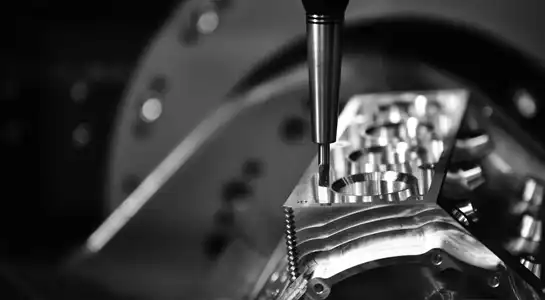
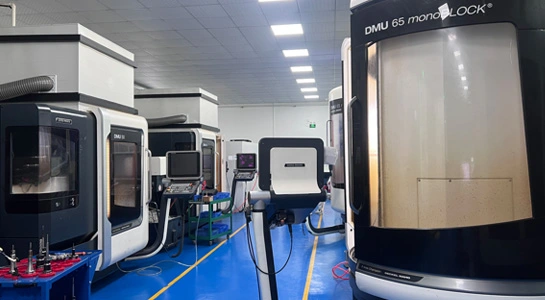
Both types use modern manufacturing techniques that can be used for runs of ten to several thousand units. CNC cutting makes optical mounts and housings that are very accurate and have very small errors. Once the molds are made, injection molding is a cheap way to make plastic lenses and light guides. Additive manufacturing, which includes 3D printing with SLA and SLS, lets you make quick prototypes of complex shapes for testing before switching to methods that can make more of them. Vacuum casting makes copies of master designs for small groups of clear parts. Depending on the material, the complexity of the geometry, and the amount needed, each technique has its own benefits.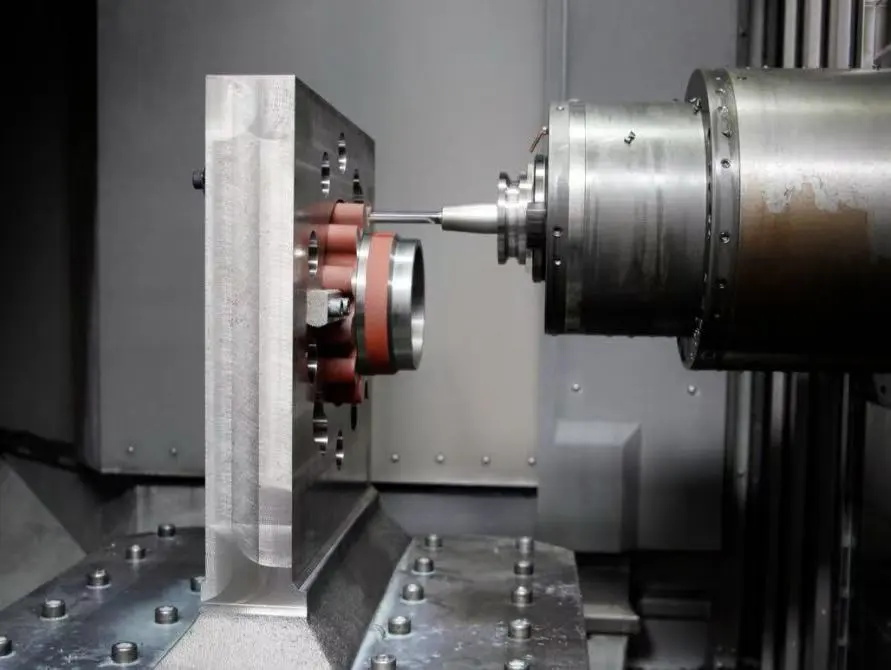
Key Factors to Consider When Choosing Between OEM and ODM
Design Control and Intellectual Property
OEM low volume manufacturing services companies keep full control over the design. Your team tells you every size, type of material, finish on the surface, and how to put it together. This control is very important when optical performance rests on secret geometries or when copyright protection needs manufacturers to keep their relationships secret. When you work with an ODM, you share design responsibility with the manufacturer. The manufacturer may suggest changes based on their knowledge of how to make things, but they still keep some design knowledge. Figuring out which model works best for your group means weighing how much design input you need versus how much you're willing to give up.
Cost Structure and Volume Economics
When it comes to low volume production, which usually involves tens to several thousand parts, mass production costs don't apply. For injection molding, the costs of the tools can be very high at first, but they are spread out over the output amounts. OEM sellers normally give you a figure based on how complicated your design is. The price includes custom tools, special materials, and validation testing. As a result of using tried-and-true designs, ODM partners can often offer more stable price because they don't have to take as much financial risk during the testing process of the market.
Different sources and ways of making things have very different minimum order amounts. Knowing your real demand forecast helps you get better terms without buying too much goods, which puts a strain on your working capital.
Quality Assurance and Compliance
No matter what kind of manufacturing plan is used, optical components need strict quality control. When you work with an OEM, you usually have to set the standards for inspection, tolerances, and acceptance. This puts a lot of quality duty on your engineering and buying teams. Standardized quality systems used by ODM makers are often based on years of experience in the industry. These systems can speed up validation but may need to be changed to fit your unique application needs.
Following the rules makes things even more complicated. Biocompatibility tests and FDA paperwork are needed for medical device glasses. Safety and environmental guidelines are very strict for automotive sight parts. Materials must be able to be tracked and certified for use in aerospace uses. Making sure that your manufacturing partner has experience with the relevant legal standards will help you avoid delays and redesigns that cost a lot of money.
Use Cases and Industry Applications in Optical Components
Based on their specific business needs and the need to stay competitive, different industries tend to favor OEM or ODM models.
Medical Device and Diagnostic Equipment
For medical imaging systems, endoscopic tools, and diagnostic equipment to work properly, their visual parts must meet strict biocompatibility and performance standards. This sector is dominated by OEM relationships, as device makers create their own technologies that make their goods stand out in the clinical world. To get accurate diagnostics, the person who is making a new eye imaging system needs to have tight control over the lens coatings, spectral filters, and lighting optics. Because medical products are made for specific clinical areas rather than mass markets, low volume production works well in this field.
Automotive Sensors and Lighting Systems
Advanced driver assistance systems, adaptive headlights, and internal ambient lighting are all using optical technologies more and more in the car business. Custom sensor housings for LiDAR units or unique light pipe designs for dashboard displays are often made with the help of OEM makers and Tier-1 providers. ODM solutions are used when standard parts are needed, like in basic lens systems or indicator light housings, and design difference isn't as important as cost-effectiveness and speed of deployment.
Telecommunications and Data Infrastructure
Telecommunications networks are made possible by fiber optic connections, beam splitters, and optical transceivers. When putting tried-and-true optical designs into new infrastructure, ODM relationships often help this field. OEM manufacturers, on the other hand, are hired by companies working on next-generation optical switching technologies or quantum communication systems to carry out very specific designs while strictly adhering to strict security agreements.
Aerospace and Defense Optics
UAVs that fly at high altitudes, satellite image systems, and aiming tools all need optical parts that can handle high temperatures, vibrations, and radiation. As a result of OEM low volume manufacturing services partnerships, aerospace engineering teams are able to define every material and production process. This makes sure that everything can be tracked and that the rules for military acquisition are followed. Small-batch production makes sense in the aircraft industry, where each platform might only need a few dozen or hundreds of specialized optical systems.
Comparing Low Volume OEM Manufacturing with Alternative Approaches
Procurement workers can make better decisions when they know when low-volume OEM manufacturing is better than other production methods.
Low Volume vs. High Volume Manufacturing
When you make more than 10,000 units, you can get huge cost savings through economies of scale, which spread the cost of tools over a huge number of units. But this method needs standardized designs and long-term demand consistency. Low-volume OEM manufacturing is willing to pay more per unit in return for more design freedom, less financial risk, and a faster reaction time to the market. When making optical parts for new technologies or specialized uses, investing in large-scale tools before making sure there is a market for them can put a lot of money at risk.
Custom Manufacturing Flexibility
Custom manufacturing, which is also known as high-mix low-volume production, lets different styles be made in small amounts. This feature comes in handy when your product line has different kinds of optical parts for different types of customers. OEM makers that use flexible production technologies like CNC machining and additive manufacturing can quickly switch between designs without having to pay for setup and wait for lead times that come with making custom tools for large quantities.
Selecting Qualified OEM Suppliers
When looking at possible factory partners, you need to look at a few key skills:
Technical knowledge about optical materials and how they are made has a direct effect on how well a component works. Suppliers should show that they have knowledge with the right production methods and materials, such as optical-grade plastics, specialized glasses, and coated substrates.
Quality methods and certifications give people faith that the work they do will be consistent. ISO 9001 certification sets the basic level for quality management, while standards specific to an industry, like ISO 13485 for medical devices or AS9100 for aircraft, show that the company has unique skills.
Communication timeliness and technical help are what set great partners apart from good ones. During creation, complex optical parts often need to be problem-solved together. When suppliers work directly with your tech team, they add value that goes beyond just making things.
How to Successfully Procure OEM Low Volume Manufacturing Services
Preparing Technical Documentation
OEM low volume manufacturing services relationships that work well are built on detailed specs. Your documentation should include detailed CAD models in formats that can be used together, dimensional drawings with tolerances, material specifications such as grades and suppliers, surface finish requirements, optical performance criteria like transmission rates or refractive indices, and, if needed, assembly instructions. Misunderstandings, mistakes in production, and project delays are all caused by paperwork that isn't complete.
Prototype Evaluation and Iteration
Before agreeing to production amounts, you should ask for prototype models to make sure that the manufacturing process can be done. Use coordinate measure tools or optical comparators to check the correctness of the dimensions. Spectrophotometers or interferometers can be used to compare visual performance to your requirements. Check the quality of the surface, how it looks, and how well it fits together. During this evaluation process, possible problems are found while changes are still pretty cheap.
Iteration often makes the first ideas better. Manufacturing partners may suggest changes to the design that make it easier to make without lowering the quality of the product. Staying open to working together to improve things often leads to better results.
Negotiating Terms and Contracts
Clear contracts protect both sides and spell out what is expected of them. Talk about the minimum order amounts and whether or not split packages are okay. Set clear wait times from placing an order to receiving it, with different times for prototypes and production runs. Set clear standards for quality acceptance and clear processes for review. Protect your ideas' intellectual property so that no one else can use them. Talk to the seller about payment terms that will work for both of your cash flow management and theirs. For example, in B2B transactions, deposits are usually required when the order is placed, and the balance is due before the shipment or within certain net terms.
Logistics and Delivery Considerations
International buying makes processes more complicated than when you work with partners in your own country. When choosing a shipping method, you should weigh the cost against the need to get it as soon as possible. For example, plane freight is quick but expensive, while ocean shipping needs more time to plan. When figuring out the total landing costs, you need to take into account the costs of clearing customs and paying import taxes. Reliable sellers give accurate shipping estimates and let you know right away if the plan changes.
Conclusion
When making optical components, the choice between OEM and ODM relationships comes down to your design skills, your intellectual property strategy, your budget, and how quickly you need to get the parts made. OEM low volume manufacturing services give you the most design freedom and customization, which is great when your goods are fairly differentiated by unique technologies. When speed-to-market is more important than design exclusivity, ODM relationships speed up development by using existing design files and in-house tech help. In medical gadgets, automotive systems, internet infrastructure, and aircraft, both types play important roles. To be successful, you need to carefully look at your suppliers' technical skills, quality systems, and willingness to work with you. You also need to make sure you have all the necessary paperwork ready and keep your expectations about costs and deadlines sensible.
FAQ
What minimum order quantities should I expect for optical component manufacturing?
Minimum order numbers change a lot depending on the technology used to make the product and how complicated the parts are. Since setup costs are low, the minimum order quantity for CNC-machined optical housings could be between 10 and 50 units. For equipment expenses to be worth it, injection-molded lenses usually need between 100 and 1,000 units. Additive production technologies give you the most options, and they can even handle orders for just one unit. Talking to possible providers about your unique needs helps you find those who can meet your volume needs at a low cost.
How do lead times compare between OEM and ODM approaches?
When an OEM and a customer work together, the first deadlines are often met faster because the design work uses models that have already been made and only needs to be modified. But OEM projects with full, well-documented plans can move quickly once production starts. Usually, samples take two to four weeks and production runs take four to eight weeks. However, longer times may be needed for complicated optical parts or special materials. Rush services can sometimes meet your immediate needs, but they charge more.
Can I switch from ODM to OEM as my volumes increase?
As business needs change, switching between manufacturing types is still possible. Companies often start with ODM partnerships to quickly see if there is a need in the market. Once there is, they move on to OEM partnerships to make their own designs when the scale makes it worth it. This step-by-step process lets you learn from the market's first reactions before you spend a lot of time and money on special development. Keeping good relationships with suppliers makes these changes go more easily.
Partner with BOEN Prototype for Precision OEM Manufacturing Solutions
BOEN Prototype specializes in providing excellent OEM low volume manufacturing services for optical components and precise parts that are used in a wide range of industries. We can do CNC cutting, fast injection molding, vacuum casting, and the latest 3D printing technologies, such as SLA and SLS. This lets us follow your exact instructions and make sure the quality is always high. Our experienced engineering team works together closely with you from the first prototypes to the confirmed production runs, no matter what kind of optics you're making (medical imaging, car sensor housings, or aerospace-grade parts).
We know how hard it is for procurement professionals to find trusted OEM low-volume manufacturing suppliers. They have to find partners who talk proactively, protect intellectual property while keeping costs low, and make sure that quality assurance and reasonable lead times are balanced. We can solve difficult production problems quickly because we have streamlined our processes and know a lot about both plastics and metals. Contact our team at contact@boenrapid.com to talk about your needs for optical components and find out how our flexible production options can help you speed up the development of your product while still meeting the high standards of precision needed by your uses.
References
Chen, M., & Roberts, K. (2022). "Strategic Sourcing in Optical Manufacturing: OEM and ODM Partnership Models." Journal of Manufacturing Technology Management, 33(4), 445-462.
Williams, J. (2021). Low Volume Production Strategies for High-Tech Industries. Cambridge: Technical Publishing House.
Anderson, P., & Zhang, L. (2023). "Quality Assurance in Precision Optical Component Manufacturing." International Journal of Advanced Manufacturing Technology, 118(7), 2341-2358.
Thompson, R. (2020). "Supply Chain Optimization for Low Volume Manufacturing in Medical Device Industries." Operations Management Review, 15(2), 178-195.
Martinez, S., & Liu, H. (2022). Optical Systems Engineering: From Design to Manufacturing. New York: Industrial Press.
Davidson, E. (2023). "Emerging Technologies in Small-Batch Optical Component Production." Photonics Manufacturing Quarterly, 41(3), 89-106.

How Can We Help?

Your Trusted Partner in Rapid Manufacturing.