Low-Volume Manufacturing vs Mass Production Explained
The choice between low-volume manufacturing and mass production is one of the most important ones you'll have to make as a product developer. Low-volume manufacturing can make anywhere from ten units to several thousand parts. This gives you a lot of freedom to make things exactly how you want them and to make changes quickly. Mass production, on the other hand, is all about making a lot of the same thing—usually more than 10,000 units—because economies of scale make the cost per unit much lower. If you know when each method gives you the most value, you can make sure that your product gets to market quickly, stays on budget, and meets changing customer needs.
Understanding Low-Volume Manufacturing and Mass Production
Defining Low-Volume Manufacturing
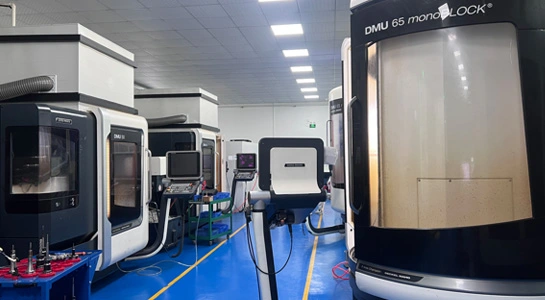
Low-volume manufacturing includes methods of production that are made for smaller batches, from a few samples to several thousand parts. This method focuses on being flexible instead of being efficient with amount. CNC machining, additive manufacturing (3D printing), fast injection molding, vacuum casting, and sheet metal fabrication are some of the technologies that support this way of making things. These methods reduce the cost of initial tools while still allowing design changes during production runs. Small-batch production is very important in fields like aircraft, medical devices, robots, and EV development for functional validation, ergonomic testing, and pre-certification parts where customization is more important than volume.
Understanding Mass Production Fundamentals
Mass production is the process of making a lot of standard goods, usually more than 10,000 of the same ones. In this area, traditional methods like high-volume injection molding, pressing, automatic assembly lines, and robotic integration are used a lot. For mass production injection molding, the cost of the tools often goes over $10,000, and the process can take weeks or months to finish. Spread out over thousands of parts, which lowers the cost per unit by a large amount, is the only way for these big upfront purchases to make economic sense. The consumer gadgets, car parts, and packaged goods industries all use mass production's efficiency when the amount of demand supports standardization and limited design freedom.
Strategic Implications for Product Development
Market success depends on how well your manufacturing plan fits with the steps of a product's lifecycle. Low-volume manufacturing methods that allow design changes based on testing input are helpful in the early stages of development. During the market proof stage, small batches need to be made to see how well they are received by customers without having to buy expensive tools. As soon as there is a strong market and a stable plan, moving to mass production will save money. When choosing manufacturing routes, procurement experts have to think about how long it will take to get the product to market, how much money they have, and how demand is likely to change. This strategy alignment has a direct effect on how merchandise is managed, cash flow, and how the company stands in the market.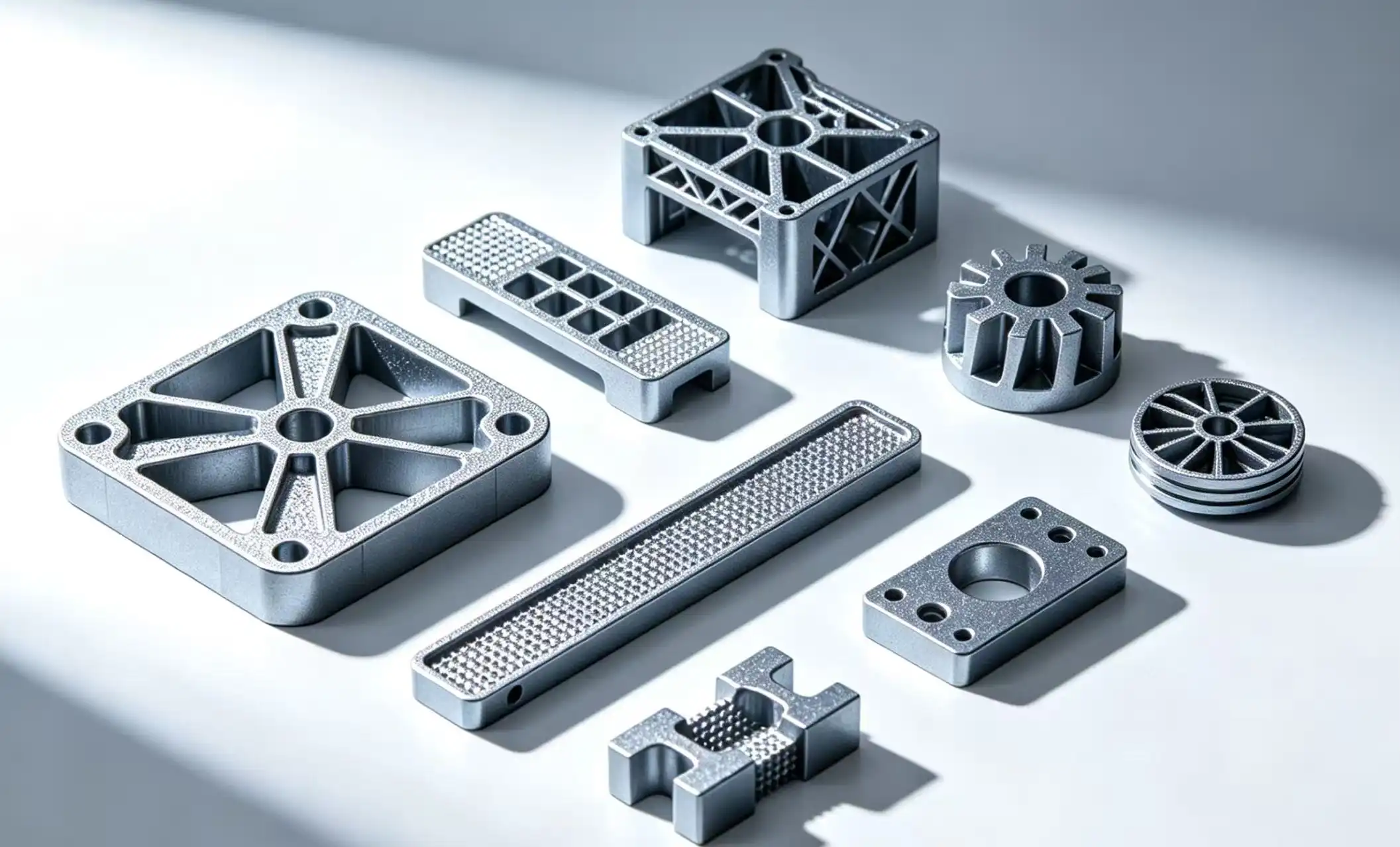
Core Differences Between Low-Volume Manufacturing and Mass Production
Production Scale and Flexibility Considerations
The main difference between these ways of making things is the size of the production. Small-batch manufacturing can handle anything from a single sample to several thousand units. Mass production, on the other hand, starts at 10,000 pieces and goes up from there. This difference in scale has a direct effect on the freedom of the design. Low-volume manufacturing methods let engineers make changes between production runs or even in the middle of a batch, which lets them respond quickly to test results or feedback from the market. For mass production, the design has to be frozen before the investment in tools can be made. This makes changes too expensive to make once production starts. This flexibility is very helpful for people who are making products in the robots, medical devices, or UAV businesses during the approval or functional proof stages.
Cost Structure Analysis
The cost levels of these two ways of making things are very different. Due to setup time, worker pressure, and tooling amortization across fewer parts, small-batch production costs more per unit. A CNC-machined part might cost $50 to $200 per unit when ordered in groups of 100, but when ordered in 100,000 units, the same part might cost only $2 to $5 per unit. But with low-volume manufacturing methods, you don't have to pay a lot of money up front for tools like injection molds, which can cost $10,000 to $100,000. This makes them a good choice for testing the market, making niche products, or making products whose demand isn't clear. Instead of just looking at per-unit prices, procurement teams need to figure out the total costs of the project, which includes the costs of keeping supplies and the risk of items going out of style.
Lead Time and Time-to-Market Factors
Lead times are very different depending on how the product is made. Initial parts from low-volume manufacturing are usually sent out within one to four weeks, but this depends on how complicated the job is and which technology is chosen. This quick turn-around helps fast development cycles, where getting a product to market quickly gives a company a competitive edge. Before production can start, mass production needs a longer setup time—often six to sixteen weeks for making tools and making sure the process works. But once they are set up, big production lines quickly make a lot of things. Shorter lead times that come with small-batch production speed up iteration processes and lower development risks for companies like EV startups testing engine components or consumer electronics companies testing smart-home devices.
Quality Control Approaches
Different output levels use different quality checking methods. For low-volume manufacturing, inspection methods that are specific to each batch are often used, with higher sampling rates or even 100% inspection for important parts. This close supervision works well for situations that need to check biocompatibility, get certification for space travel, or make sure a medical gadget works. Statistical process control is used in mass production to keep an eye on key factors and check representative samples all the time. This method keeps things the same even when there are a lot of them, but it takes very advanced tracking systems to find quality drift. Knowing these differences in quality control helps procurement professionals set the right acceptance criteria and check processes for suppliers that meet the needs of the application.
When to Choose Low-Volume Manufacturing vs Mass Production
Ideal Scenarios for Low-Volume Manufacturing
In some business settings, small-batch output works best. Manufacturing flexibility that allows design changes based on functional tests, user feedback, or regulatory standards helps the product creation and validation steps. Custom parts for niche markets, like specialized medical devices, aircraft testing equipment, or one-of-a-kind robotic parts, can explain higher unit costs by charging more or being strategically valuable. Another great use is for bridge production, which happens when there is demand but not enough volume to justify investing in mass production tools. When companies start new goods into uncertain markets, they lower their financial risk by making fewer units until they know that demand is high enough to justify going big. During the product introduction phases, these benefits are often used by companies that make AGVs, drones, and biotech products.
Optimal Conditions for Mass Production
Certain factors make mass output economically appealing. Tooling investments can be justified by volume distribution for well-known goods with stable designs and expected demand patterns. Accessories for consumer goods, parts for the inside of cars, and standard industrial parts are all examples of items that can be made in large quantities. Cost-sensitive markets where price competition determines market share need to keep unit costs as low as possible, which can only be done through economies of scale. Tooling costs are spread out over longer production runs for products that are expected to last three to five years or more. Tier-1 car suppliers, consumer goods makers, and original equipment manufacturers (OEMs) of electronics usually work in this area because volume agreements ensure good unit economics.
Hybrid Strategies and Transition Planning
Throughout the span of a product, sophisticated buying strategies often use both methods. For quick iteration and demand approval during the initial market entry, low-volume manufacturing is essential. As the number of sales goes up and the plan stays the same, moving slowly to mass production saves money. Some companies have two different sources of supplies, one for regular configurations and one for customized versions that can be made in small batches. This mixed method equalizes inventory risk, keeps design freedom, and makes cost structures work best. Product design firms and companies that make industrial tools often use these tactics, matching the production method to the needs of the product line and the maturity of the market.
Low-Volume Manufacturing Process Explained
Design Finalization and Pre-Production Planning
The first step in small-batch production is to finalize the design based on comments from testing and validating the prototype. Engineering teams make manufacturing paperwork that includes CAD models, material specs, tolerance requirements, and factors for accepting quality as good enough. In mass production, the design has to be frozen completely, but in low-volume manufacturing methods, small changes can be made during the first production runs. Pre-production planning figures out which manufacturing technologies will work best, like CNC cutting for metal parts with tight tolerances, 3D printing for parts with complicated shapes, or fast tooling for injection-molded parts. When choosing materials, you have to think about how they will work, how much they cost, and whether they are available in smaller amounts. This phase of planning usually only takes one to two weeks, which is a lot less time than the preparation phase for mass production.
Production Execution and Technology Selection
Flexible manufacturing technologies that work well for smaller quantities are used for production execution. CNC cutting takes away material from solid stock, making accurate parts without having to buy special tools. Additive manufacturing makes parts one layer at a time, which works well for complicated shapes or quick changes to the design. In low-volume injection molding, metal tools are used instead of hardened steel ones. This keeps costs down while still being able to handle several thousand shots. By bending and shaping the metal, sheet metal manufacturing makes casings, brackets, and housings. Vacuum casting makes copies of master patterns out of polyurethane resins, which can be used to make working samples and check the look of finished products. Which technology to use varies on the type of material needed, the amount needed, the tolerances that need to be met, and the shipping schedule. Because of this variety, producers can tailor their processes to each project's needs instead of pushing designs to fit into standard production methods.
Quality Inspection and Process Optimization
In small-batch manufacturing, quality inspection focuses on checking everything carefully against the standards. Using coordinate measuring tools (CMM) for dimensional checking confirms important features. Composition and mechanical qualities of a material are confirmed by trying it. Functional testing checks how well something works in real-world situations. Higher inspection frequencies—sometimes as high as 100% for important applications—ensure accuracy even when production numbers are low. Iterative process optimization uses what was learned from the first batches to improve the next ones. This method of continuous growth cuts down on mistakes, boosts productivity, and improves cost predictions for possible volume scaling. Documentation practices set up traceability that helps medical devices, aircraft parts, and other controlled uses follow the rules.
Comparing Low-Volume Manufacturing Methods to Mass Production Techniques
CNC Machining vs Automated Machining Centers
Small-batch metal production is mostly done with CNC cutting, which provides accuracy without the need for special tools. Three-, four-, and five-axis tools can work with complicated shapes and materials like titanium, engineering plastics, aluminum, and steel. Depending on how complicated it is, setup can take anywhere from thirty minutes to several hours. This method is cost-effective for amounts from one to several thousand. Automated machining centers with robotic loading, multi-spindle setups, and built-in quality tracking are used for mass production. These systems find the best cycle times for certain groups of parts. When used in large quantities, they greatly lower the cost per unit, but they need a lot of money to be spent on them and the designs have to be standardized.
Additive Manufacturing vs Injection Molding
Using digital files, additive manufacturing technologies like SLA, SLS, and FDM make things layer by layer, so they don't need any tools at all. This method works great for internal channels, complicated shapes, and quick design changes. Now you can use engineering-grade plastics, nylon composites, and even metal powders for direct metal laser sintering as materials. Build times rely on the size and type of technology used. They can be hours or days. For mass production, expensive steel tools are needed for injection casting, but once the setup is done, parts can be made in seconds. Cycle times of thirty to ninety seconds make it possible to make thousands of similar parts every day. Costs of tools that range from $10,000 to $100,000 need to be justified by a lot of units, but when a lot of units are sold, the cost per unit drops to pennies or dollars.
Sheet Metal Fabrication vs Stamping Operations
Sheet metal production uses laser cutting, bending, and shaping to make parts for structures, casings, and frames. Laser cutting gets rid of the need for special tools, so design changes can be made with simple changes to the code. When bending, normal tools can handle a wide range of shapes. This adaptability works well for small-batch production, from a few samples to a few thousand pieces. Progressive dies are used in mass production pressing to do more than one job at once, like cutting, shaping, and poking. Die prices are between $20,000 and $200,000, but they allow more than 1,000 parts to be made every hour. When the number supports the investment in tools, stamping is a cost-effective way to make things like auto body panels, gadget parts, and electronics casings.
Trusted Low-Volume Manufacturing Solutions for B2B Clients
Evaluating Manufacturing Partners
In small-batch production settings, the success of a project depends on choosing the right manufacturing partners. A technical capacity review looks at the tools that are available, the knowledge of the materials, and the process knowledge that are used in different technologies. When figuring out capacity, you have to look at things like production bandwidth, wait times, and how well the system can handle future number growth. A study of the quality systems makes sure that the ISO certifications, inspection skills, and recording methods meet the needs of the business. Patterns of responsiveness and conversation show whether two people can work together, which is especially important during the early stages of growth when they need to talk to each other a lot. Cost transparency and competitive pricing systems help budget limits and service and quality standards work together. Multi-source methods help procurement teams by identifying qualified primary and secondary providers to lower risk while keeping the pressure on competitors high.
Advantages of Specialized Manufacturing Services
Specialized small-batch makers have clear benefits over mass production plants that try to handle smaller amounts. A wide range of equipment, including CNC machining, 3D printing, quick tooling, and finishing processes, can be used together to create combined solutions that make teamwork easier. Engineering support helps with projects like choosing the right materials, designing things that are best for making, and cutting costs. Flexible minimum order numbers let projects' real needs be met instead of forcing unrealistic volume promises. Processes that are optimized for smaller amounts instead of those that have been changed from high-volume operations lead to faster response times. Expertise in fields like medical devices, aerospace, robots, and consumer technology adds value to knowledge that goes beyond just making things.
BOEN Prototype's Comprehensive Capabilities
We do prototyping and small-batch production in plastic and metal for a wide range of businesses, such as cars, robotics, medical devices, aircraft, consumer electronics, and industrial equipment. CNC cutting, fast injection molding, compression molding, metal pressing, die casting, vacuum casting, SLA and SLS 3D printing, and design mock-ups are just some of the things we can do. With this range of technologies, we can suggest the best ways to make things that meet your needs for material qualities, tolerances, sizes, and delivery dates.
We've helped automakers and electric vehicle (EV) startups speed up their development processes by providing working validation parts, interior components, and powertrain prototypes. Medical device makers and biotech companies depend on our knowledge of biocompatible materials and the best ways to record things to support regulatory applications. We have a lot of knowledge with high-strength materials and precise production for certification testing, which helps aerospace engineering teams and UAV developers. Our clients who work on consumer goods and smart home products use our fast iteration and attractive finishing skills.
Our engineering team has a lot of experience with integrating processes and a lot of information about materials. They can solve difficult technical problems. We're proud of our quick return times—usually one to four weeks, based on how complicated the project is—and strict quality control that makes sure the parts you order meet your needs. During the lifetime of a product, our flexible method can be used to meet your changing needs, whether you need ten prototype samples for functional testing or several thousand bridge production parts while scaling up to mass production.
Conclusion
In conclusion, when deciding between low-volume manufacturing and mass production, you need to carefully look at where your product is in the development process, how sure you are about market demand, your budget, and how flexible you need your designs to be. Small-batch production is great for samples, special parts, niche markets, and testing the market because it is quick, flexible, and requires less money up front. Cost savings can be gained through economies of scale in mass production, which works best for well-known goods with stable patterns and high demand. A lot of effective buying strategies use a mix of techniques, using the best parts of each method at different stages of a product's lifecycle. Knowing about these production options helps you make smart choices that improve time-to-market, cost structures, and your place in the market.
FAQ
How do lead times compare between small-batch and mass production?
Small-batch production usually gives you the first parts in one to four weeks, but this depends on how complicated the job is and which technology you choose. Because of the quick turn-around, the long process of making tools for mass production is not needed, which usually takes an extra six to sixteen weeks before production starts. However, mass production quickly gives large amounts once setup is done, while small-batch methods keep wait times the same no matter how much is ordered.
Does quality differ between low-volume and mass production?
Quality levels are not based on the amount of work that is done, but on the standards and review procedures. More thorough inspections—sometimes 100% verification—are often used in small-batch manufacturing, especially for important items like medical gadgets or aircraft parts. Statistical process control keeps an eye on representative groups during mass production. Both techniques can produce the same level of quality results if they are used correctly and with the right testing methods for the job.
What criteria should guide supplier selection for small-batch production?
Look at their professional skills in all the essential production technologies, such as their knowledge of different kinds of tools and materials. Check to see if the quality methods, licenses, and inspection skills meet the needs of your business. Think about how quickly you can communicate, how available engineering help is, and how flexible the minimum order numbers are. Before committing to bigger production numbers, look at references or pilot projects to make sure that costs are clear, prices are fair, and deliveries are reliable.
Partner with a Trusted Low-Volume Manufacturing Supplier
Join forces with a reliable low-volume manufacturing supplier. BOEN Prototype offers small-batch manufacturing services that are specifically designed to meet your product development needs in the aircraft, automobile, medical devices, consumer electronics, robotics, and industrial equipment industries. When your project needs customization, speed, or volume freedom, our combined capabilities, which include CNC machining, rapid injection molding, 3D printing, metal fabrication, and vacuum casting, give you flexible, cost-effective alternatives to mass production. We help your engineering and sourcing teams from the first prototypes all the way through bridge production and the possible move to higher numbers. We do this by having a lot of experience with a wide range of materials, promising quick turnaround times, and strict quality control. Get in touch with our team at contact@boenrapid.com to talk about your unique project needs and find out how our low-volume manufacturing skills can help you speed up the development of your product while keeping costs low.
References
Gibson, I., Rosen, D., & Stucker, B. (2021). Additive Manufacturing Technologies: 3D Printing, Rapid Prototyping, and Direct Digital Manufacturing. Springer International Publishing.
Kalpakjian, S., & Schmid, S. R. (2020). Manufacturing Engineering and Technology (8th ed.). Pearson Education.
Groover, M. P. (2019). Fundamentals of Modern Manufacturing: Materials, Processes, and Systems (7th ed.). John Wiley & Sons.
Schey, J. A. (2018). Introduction to Manufacturing Processes (3rd ed.). McGraw-Hill Education.
Black, J. T., & Kohser, R. A. (2017). DeGarmo's Materials and Processes in Manufacturing (12th ed.). John Wiley & Sons.
Todd, R. H., Allen, D. K., & Alting, L. (2019). Manufacturing Processes Reference Guide (2nd ed.). Industrial Press.

How Can We Help?

Your Trusted Partner in Rapid Manufacturing.