Rapid Prototyping Services in China for New Products
Rapid prototyping services are now necessary for businesses that want to bring new goods to market. These ways of making things use 3D computer-aided design data to make accurate and quick physical models. This lets engineers and designers check ideas, see how they work, and make design improvements before starting full-scale production. China has become a world leader in providing high-quality, low-cost rapid prototyping services in many fields, from aerospace and consumer electronics to medical devices and cars. They do this by using cutting-edge technologies, a wide range of materials, and incredibly fast turnaround times.
Understanding Rapid Prototyping Services and Their Benefits
What Makes Rapid Prototyping Essential for Product Development
Product development teams are always being told to come up with new ideas more quickly while also cutting costs and risks. Traditional prototyping methods often caused delays because they needed expensive tools and long setup times, which made it too expensive to make unique, low-volume samples. Rapid prototyping services change this by letting engineers and designers turn digital CAD models into real samples without having to buy expensive tools. This method helps with the whole development process, from the first tests to see if the idea works to the last validation tests done before mass production starts.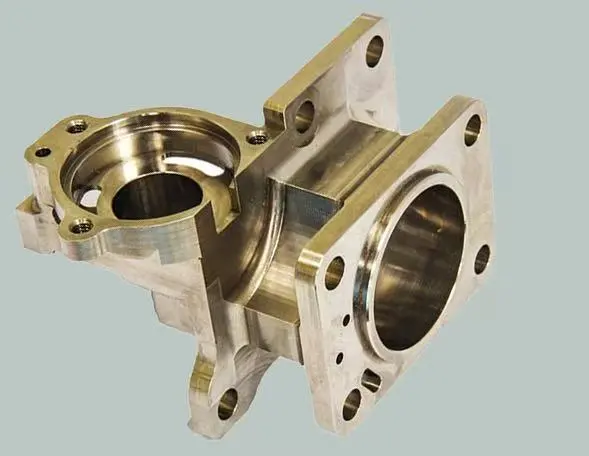
Core Technologies Driving Modern Prototyping
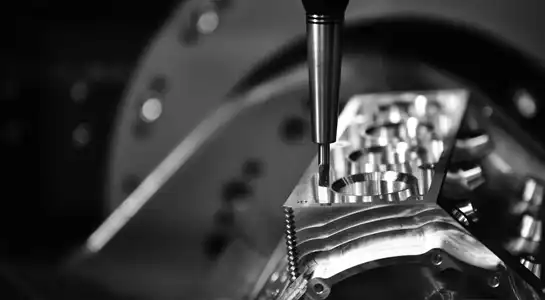
Today's rapid prototyping services tools are based on a number of different production methods. CNC cutting is still widely used for both metal and plastic parts. It works well with ABS, PA, PMMA, aluminum, stainless steel, and brass, among other materials. For useful testing parts, this subtractive production method gives you great accuracy and surface quality.
The speed with which teams can change ideas has changed a lot thanks to additive production technologies. Stereolithography uses laser-cured liquid resin to make parts with very high resolution, smooth surfaces, and fine details. This makes it perfect for samples that look real and parts that need to be made with very tight standards. Selective laser sintering makes long-lasting, useful parts from powdered materials that don't need any support structures. These parts can have complicated shapes and be used in engineering-level situations. Even though fused deposition modeling has lower precision than other methods, it is a cheap way to solve easy geometry problems and test basic functionality.
Vacuum casting is a way to make high-quality parts in small amounts that are very close to the materials and finishes used in production. It uses silicone molds and polyurethane resins to make these parts. This technology is especially helpful when teams need more than one version for testing with users or giving talks to stakeholders.
Tangible Advantages Transforming Development Cycles
Rapid prototyping services has many perks besides just being fast. Compared to screen-based images, physical models make it easier for team members, partners, and clients to talk to each other. Holding a prototype gives you information about usability, how users will interact with it, and how well the design works that computer images can't. During the creation process, this tactile data helps people make better decisions.
Another big benefit is that you can save money. As plans change, the same equipment can make very different shapes without having to buy expensive new tools. By doing testing in-house, teams can keep control of their intellectual property and make changes to designs right away, without having to pay for and wait for outsourcing. Our clients have been able to cut their development costs by large amounts while also speeding up their time-to-market.
When teams can test real versions every day, design iteration goes faster and works better. A good workflow includes designing during business hours, printing it overnight, cleaning and trying it the next morning, and then making changes to the design and continuing the process. This 24-hour feedback rhythm helps find and fix design flaws early on, so expensive changes to the design and tools don't have to be made later in the production process. Usability and manufacturability problems are less likely to happen if prototypes that are true to life are used for thorough testing.
Material Diversity Supporting Varied Applications
The choice of material has a big effect on how well the prototype works and how true the tests are. These days, rapid prototyping services have huge libraries of materials that include industrial plastics, elastomers, clear resins, biocompatible materials, and metal alloys. This variety lets teams make samples whose mechanical properties, thermal properties, and artistic qualities are very close to those of the final materials. This makes sure that test results accurately reflect how the product will work in the real world.
Why Choose Rapid Prototyping Services in China
Competitive Advantages of Chinese Prototyping Providers
China has become one of the best places for rapid prototyping services by investing in modern industrial technology, training workers, and building up infrastructure. Chinese companies usually have very low prices without lowering the quality of their work. This means that both new businesses and big companies can use skilled development. This low cost isn't due to lower quality standards, but to economies of scale, efficient operations, and supply lines that work together.
Lead times often surprise foreign clients who are used to waiting longer for things to be done in the United States. A lot of Chinese companies give prototypes within days of getting the specs, and some even offer fast services for projects that need to be done right away. This response comes from advanced production processes, long work hours, and a dedication to making customers happy in markets that are very competitive.
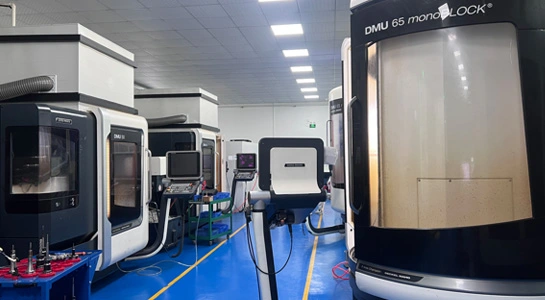
Having access to technology is another great benefit. The best Chinese development shops keep their equipment up to date with the newest 3D printers, multi-axis CNC machines, coordinate measure machines for checking quality, and high-tech finishing tools. With this investment in technology, skills can be equal to or better than those in other areas.
Material Options and Manufacturing Versatility
Chinese companies that make prototypes keep huge stocks of materials that can be used for a wide range of purposes. You can still easily get engineering plastics, high-temperature resins, flexible elastomers, clear materials for lights, biocompatible choices for medical devices, and different metal alloys. This variety of materials lets clients make samples whose qualities are very close to those of the final materials, which improves the accuracy of validation testing.
Manufacturing is flexible in more ways than just choosing the materials. Chinese companies often combine different technologies in the same building. For example, they might offer CNC cutting, different types of 3D printing, vacuum casting, finishing services, and quality checking all in the same building. This combination makes it easier to handle projects, coordinate them, and use hybrid production methods that combine different technologies to get the best results.
Quality Assurance and International Standards Compliance
Chinese development companies with a good reputation use strict quality control systems that are in line with international standards. A lot of places keep their ISO certifications and follow written quality control processes that include checking measurements, making sure materials are correct, and judging the quality of the surface. Parts are checked to make sure they meet standards with high-tech measuring tools before they are shipped.
As Chinese service companies get more foreign customers, their communication skills have gotten a lot better. A lot of businesses hire project managers who speak English, give regular reports on progress, and keep their customer service prompt. Rather than getting in the way, time zone differences often make it possible to work around the clock, with ideas sent in from North America being reviewed and put into production during Asian business hours.
The system for logistics that supports foreign shipping is now very good at what it does. Having established ties with foreign carriers, handling customs paperwork before, and knowing the export requirements all make sure that delivery goes smoothly to all places around the world. Most of the time, clients get prototypes through fast courier services that let them track the package and confirm arrival.
Real-World Success Stories
Automotive makers have used Chinese rapid prototyping services to speed up the development of parts for electric vehicles. These services have made complicated battery housing prototypes and interior trim samples that allowed designers to confirm their ideas more quickly than options in the United States. For ergonomic testing, medical device makers have made biocompatible samples and gotten parts that meet tight material standards for a lot less money than area choices.
Consumer electronics companies often work with Chinese suppliers to build enclosures. They quickly try out different design versions to find the best ones in terms of both looks and functionality before committing to production tooling. Teams working in aerospace have made lightweight structure parts and UAV parts that passed strict testing methods. This shows that Chinese prototyping services meet high quality standards.
How to Choose the Best Rapid Prototyping Service Provider in China
Critical Evaluation Criteria for Provider Selection
Choosing the right development partner has a big effect on how well the project turns out. Quality standards should be the first thing that you think about, because samples need to properly show what the designer wanted and work reliably during testing. When you evaluate a rapid prototyping services, you look at their example work, material certifications, quality control systems, and inspection skills. Before committing to bigger projects, it's helpful to get samples or start with small projects as trial runs.
The ability to turn around work quickly has a direct effect on growth plans. Providers can meet project deadlines if they know the standard lead times for different technologies and products and can get services quickly. The best partners keep output schedules that are reasonable and talk about any possible delays ahead of time instead of making claims that can't be kept.
Different companies offer a wide range of design help services. Companies that offer scientific advice, engineering help, and design reviews for manufacturability add a lot of value on top of just production services. This knowledge helps make ideas work better with development methods, which could lower costs, improve the quality of prototypes, and teach teams inside the company.
Understanding Pricing Models and Value Assessment
The cost of prototyping depends on a number of things, such as the technology chosen, the material chosen, the complexity of the part, its volume, the finishing needs, and how quickly the prototype needs to be made. Transparent companies make it clear how these factors affect prices and give thorough quotes that break down the costs into their parts. When comparing quotes, you need to look at the overall cost of the job, which includes shipping, possible revision fees, and any other fees, not just the prices for each part.
Value assessment looks at more than just the original prices. When it comes to value, providers that give high-quality prototypes that correctly test designs the first time are better than cheaper options that need more than one round of changes to get good results. Shorter turnaround times shorten development plans, which could save a lot of money on time-to-market costs that are much higher than prototype costs.
Communication and Project Management Effectiveness
Communication that works well is the key to making foreign relationships work. When you evaluate a rapid prototyping services, you should look at how responsive they are, how clear their communication is, how they handle projects, and how well they understand technical needs. Providers that offer specialized project managers, regular progress updates, and multiple ways to communicate, such as email, chat apps, and video calls, usually make projects go more smoothly.
Professionalism and care to detail can be seen in the quality of the documentation. Quotes that include everything, clear terms and conditions, specific production plans, and thorough inspection reports all show that operations are well-organized. Asking about their usual project process and how they talk to clients can help you guess how good the working relationship will be.
Customs and Logistics Considerations
Knowing about shipping operations and customs procedures can help you avoid delays or extra costs that you didn't expect. Experienced providers help with the right paperwork, making sure that customs reports are correct, and choosing the right shipping way based on time frame and budget. Talking about these details up front, like who is responsible for duties and taxes, makes sure that everyone knows what to expect and that the delivery goes smoothly.
To get accurate prices, you need to include specifics like CAD files, the amount of material you need, your preferred surface finish, the tolerances you need, and when you need it delivered. The price and production process will go more smoothly if you give us all the necessary information at the start. Keeping the lines of communication open throughout the job lets questions or possible problems be dealt with right away.
Conclusion
China's rapid prototyping services are very helpful for businesses in all kinds of industries that are making new goods. Having access to new technologies, a wide range of materials, cheap prices, and quick turnaround times speeds up the development process while lowering costs and risks. Procurement pros and engineering teams can make better choices when they know how to compare different development methods, how to choose providers based on important factors, and how to make designs work best for manufacturing. Physical prototypes are still the best way to test ideas, make designs better, and make sure goods meet customer needs before making expensive production promises. China is a good partner for businesses that want to make product development more efficient because it has a well-established system for prototyping and its communication and quality standards are getting better.
FAQ
What are typical turnaround times for prototypes from China?
Standard wait times depend on the technology and level of complexity. For example, simple 3D printed parts can usually be delivered within 3–5 business days, while CNC made parts take 5–10 business days and vacuum cast parts take 10–15 business days. For important jobs that need to be done quickly, express services can cut these times down by a lot. Depending on the service level chosen, shipping to the US usually takes an extra 3–7 days.
How can I ensure quality when I order from afar?
Reliable providers give thorough inspection reports with measures and photos to show the quality of the sample before it is shipped. To build trust, it's helpful to ask for certifications of materials, learn about how they control quality, and start with practice projects. Many companies also offer third-party inspection services in case more proof is needed.
What customization options are available?
Modern rapid prototyping services let you choose from a huge library of materials, paint, plating, polish, and texture applications as surface finishing choices, as well as custom colors, assembly services, and insert installation. Talking about specific needs with providers early on in the quote process makes sure that prices are correct and that the project is feasible.
Partner with BOEN Prototype for Your Rapid Prototyping Needs
BOEN Prototype is a reliable company that offers rapid prototyping services. They focus on making prototypes and small batches of products out of metal and plastic. We can do a lot of different things, like CNC machining, SLA and SLS 3D printing, vacuum casting, rapid injection molding, compression molding, metal pressing, and die casting. These can be used in robots, medical devices, aircraft, consumer electronics, and cars. We know how hard it is for buying managers and engineers to make new goods when they have to work with limited funds and time. We can quickly solve difficult development problems because our manufacturing processes are all connected, we know a lot about the materials we use, and we are dedicated to quality. Our experienced team can quickly make biocompatible medical prototypes, useful car parts, aerospace-grade parts, or housings for consumer electronics without lowering the quality. Get in touch with us at contact@boenrapid.com to talk about your project needs and find out how our rapid prototyping services can help you build your product faster while lowering costs and risks.
References
Gibson, I., Rosen, D., & Stucker, B. (2021). Additive Manufacturing Technologies: 3D Printing, Rapid Prototyping, and Direct Digital Manufacturing (3rd ed.). Springer International Publishing.
Kamrani, A. K., & Nasr, E. A. (2019). Rapid Prototyping: Theory and Practice in Manufacturing. Springer Science & Business Media.
Pham, D. T., & Dimov, S. S. (2020). Rapid Manufacturing: The Technologies and Applications of Rapid Prototyping and Rapid Tooling. Springer-Verlag London.
Chua, C. K., Wong, C. H., & Yeong, W. Y. (2017). Standards, Quality Control, and Measurement Sciences in 3D Printing and Additive Manufacturing. Academic Press.
Liou, F. W. (2018). Rapid Prototyping and Engineering Applications: A Toolbox for Prototype Development. CRC Press.
Gebhardt, A. (2016). Understanding Additive Manufacturing: Rapid Prototyping, Rapid Tooling, Rapid Manufacturing. Hanser Publications.

How Can We Help?

Your Trusted Partner in Rapid Manufacturing.