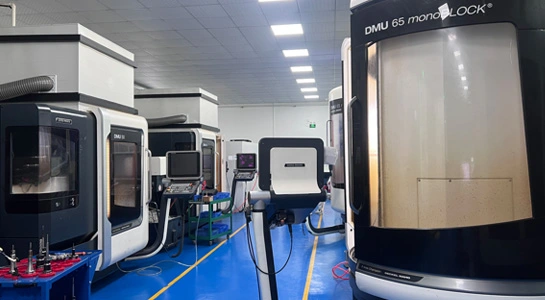
Robotics and AI Integration in Smart Manufacturing Factories
Modern manufacturing is experiencing a profound transformation, and at the heart of this shift lies the fusion of robotics with artificial intelligence. Smart manufacturing factories now leverage automated systems that learn, adapt, and optimize operations continuously. Among these innovations, CNC machining services have emerged as a critical beneficiary, evolving from operator-dependent processes into intelligent production ecosystems. This integration addresses longstanding challenges in precision, scalability, and throughput while unlocking capabilities that were unimaginable a decade ago.
The Evolution of CNC Machining Services through Robotics and AI Integration
When production needs got more complicated or volume went up, traditional machining workflows often had problems with inconsistent precision and long cycle times. Even though they were skilled, human operators couldn't always be accurate when doing thousands of the same tasks over and over again. These limits caused delays that made it harder to compete.
From Manual Operations to Intelligent Automation
When AI-powered robots came along, they completely changed how we think about computer-controlled industry. Smart monitors are now built into machine centers to collect real-time data on things like vibration patterns, tool wear, and changes in temperature. This information is quickly processed by machine learning algorithms, which change the cutting settings in the middle of the operation to keep things running at their best. This adjustable control gets rid of differences that could be missed by hand.
Real-Time Process Optimization
Modern AI systems look at huge datasets from past production runs to find patterns that make operations better in the future. These methods enhance toolpaths by finding the fastest and smoothest ways, keeping surface finish needs in mind. Cycle times are cut down by a huge amount without affecting quality. We've seen how this technology changes the way car OEMs and EV startups prototype when they need to make quick changes to engine parts and interior assemblies.
Overcoming Scalability Barriers
Precision production has always had trouble with scalability. Adding robotics solves this problem by letting machining centers work on their own during off-hours, which is called "lights-out manufacturing." Parts are loaded and unloaded by robotic arms, and AI constantly checks quality measures. Industries that make a lot of parts can now make sure that each batch is the same, which wasn't possible with manual processes. This reliability is especially helpful for testing labs and Tier-1 suppliers when they are making sure that working samples work and getting ready for full-scale production.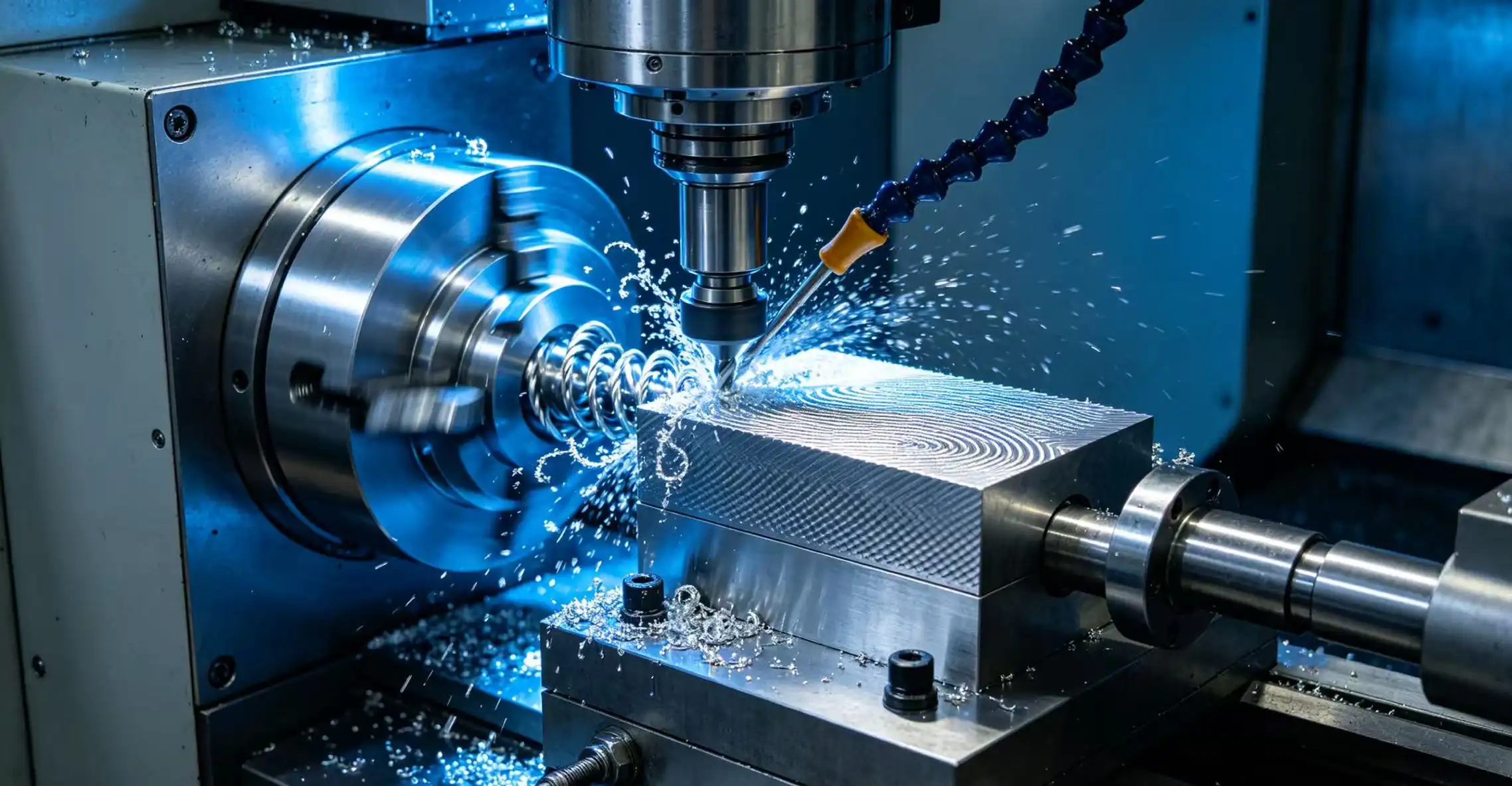
Key Benefits of Robotics and AI Integration in CNC Machining for B2B Clients
Adopting intelligent automation has measurable benefits that have a direct effect on how well operations run and how much money they make. These skills are becoming more and more important to B2B buyers across all industries when they are looking for business partners.
Enhanced Precision and Quality Consistency
Tolerances of CNC machining services are kept within microns by controls that are driven by AI that adjust in real time for changes in the surroundings and tool wear. When medical device companies make biocompatible samples, this level of consistency is very important because it affects how well the devices work and how well they follow the rules. The technology makes sure that the thousandth part fits the requirements of the first one. This stops quality drift that hurts the performance of the product.
Accelerated Lead Times and Production Velocity
Automation cuts down on downtime between tasks by a large amount. In the past, changing tools, moving workpieces, and checking for quality all had to be done by hand. These changes are made smoothly by robotic systems, and operations are planned by AI to get the most out of each machine. Time-to-market gets a lot faster for clients in consumer electronics who are making smart-home goods and casings. Iteration cycles used to take weeks, but now they only take days. This lets designers test more than one version during the development phase.
Material Waste Reduction and Cost Efficiency
Advanced algorithms figure out the best ways to remove materials so that the least amount of waste is created. AI systems can guess the exact cutting levels and feed rates that will keep materials from being wasted and make tools last longer. This optimization cuts down on running costs directly without lowering the quality of the output. When making small batches of parts for approval testing, aerospace engineers and drone makers who work with expensive metals like titanium really appreciate how efficient this method is.
Flexibility Across Materials and Designs
AI-powered adaptive tooling systems can work with a wide range of material properties without having to be reprogrammed in a lot of detail. Intelligent systems use material databases to change parameters automatically when making high-strength composite structures for AGV makers or cutting aluminum parts for consumer electronics. This adaptability helps rapid prototyping processes where design requirements change a lot during the development cycle. Robotics manufacturers and system integrators depend on this flexibility when they have to make structural parts that are both strong and light.
Comparative Analysis: Robotics & AI-Enhanced CNC Machining vs Other Manufacturing Methods
Knowing how intelligent machining stacks up against other production technologies helps buying teams choose the best suppliers. Depending on the needs of the application, each way of manufacturing has its own benefits.
Advantages Over Manual Machining Operations
Skilled machinists are useful, but human abilities can't keep up with the speed and consistency of automated systems. AI-enhanced precise machining keeps tolerances tighter over longer production runs and keeps working without making mistakes due to tiredness. This technology is especially helpful for complicated multi-axis tasks where scripting takes the place of controlling by hand. Manufacturers of industrial equipment like this reliability because it helps them make custom parts with complicated shapes.
Comparison with Additive Manufacturing Technologies
Three-dimensional printing is great at making complicated shapes that can't be made with subtractive techniques, but it has trouble with the strength of the materials and the quality of the finish on the outside. When it comes to functional validation parts that need to survive operational pressures, CNC machining services give you the best mechanical qualities and dimensional accuracy. For these reasons, automotive testing labs that need long-lasting housings for lights or parts for the powertrain usually choose machining over printing. When AI optimization is combined with traditional machining, the speed difference that used to make additive processes better for prototyping is closed.
Contrast with Injection Molding Processes
When done in large quantities, injection molding has great unit economics, but it costs a lot to buy the tools up front. There are some problems with both compression molding and metal pressing. CNC machining gives you the most freedom for small-batch production and design changes without having to pay for expensive tools. This method is useful for biotech companies and R&D teams making medical prototypes because it lets them test ergonomic features before committing to production molds. During the creation process, being able to change ideas between parts is very helpful.
Impact on Global Procurement Strategies
Traditional estimates for offshoring have changed because of smart production. Advanced domestic suppliers with AI-powered systems can now compete well on quality and turnaround time, and they also offer benefits in terms of clear communication and protecting intellectual property. Product design firms are working with local providers more and more, choosing those that offer both advanced technology and quick service. This is because firms know that the speed of innovation often outweighs small differences in cost.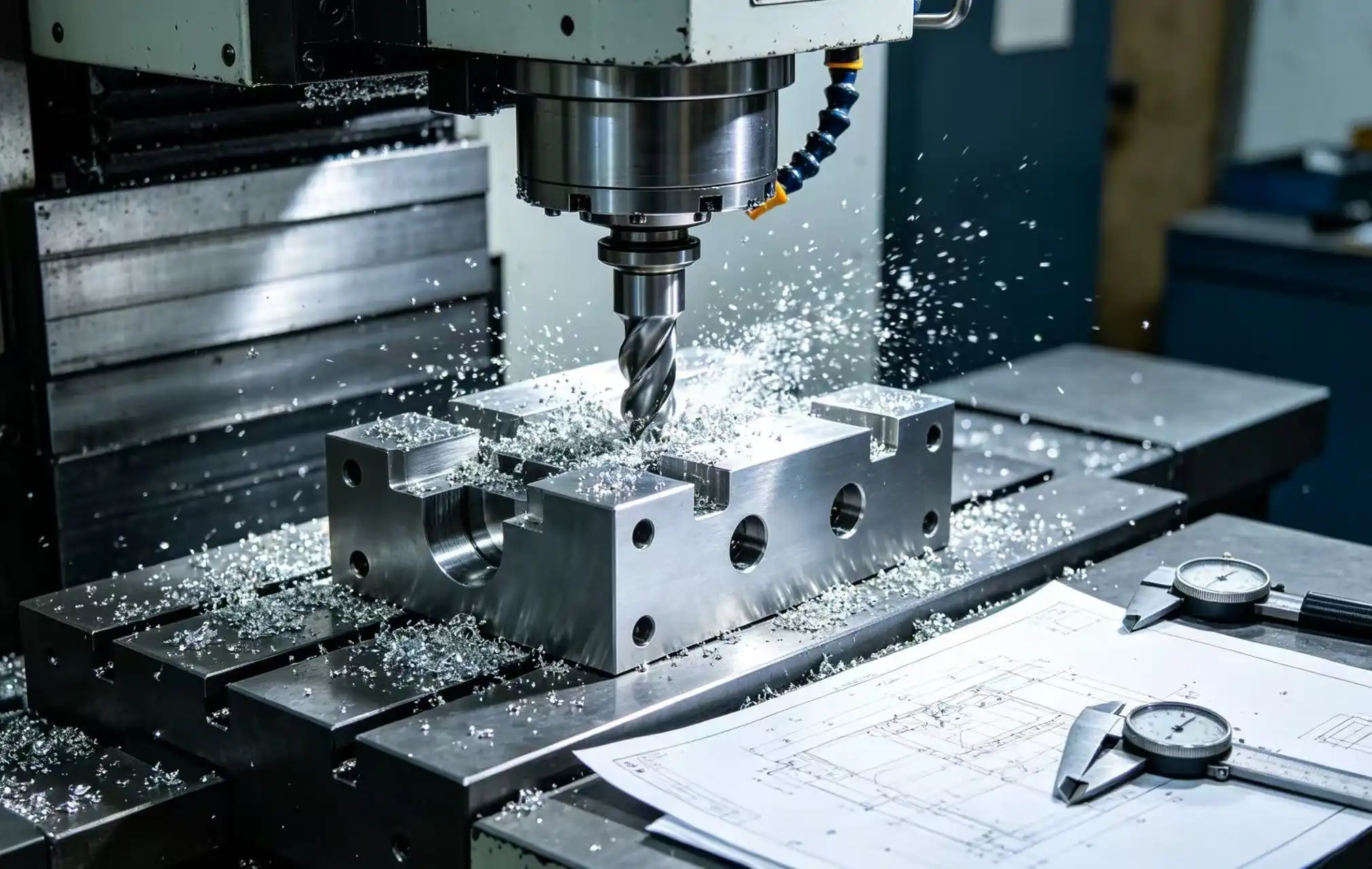
How to Choose a Robotics and AI-Enabled CNC Machining Supplier?
When choosing industrial partners, you need to look at both their technological skills and how reliable their businesses are. The right supplier meets the needs of the project and helps the business reach its long-term goals.
Assessing Technical Capabilities and Equipment
Check to see how advanced a supplier's automatic system is. Robotic loading systems, real-time quality monitoring, and predictive maintenance platforms are all built into modern facilities. Ask them specific questions about how they use machine learning and how they can analyze data. Suppliers should explain how their AI systems make processes run more smoothly for your unique material needs and tolerances. Precision CNC work, fast injection molding, vacuum casting, and additive technologies like SLA and SLS printing are just some of the things that BOEN Prototype can do. This means that clients can get all of their needs met in one place.
Evaluating Quality Standards and Certifications
Check to see if potential partners keep up-to-date certifications that are relevant to your business. Developers of aerospace parts must follow AS9100 guidelines, while developers of medical devices must follow ISO 13485 guidelines. Look over the quality paperwork and tracking tools that make sure everyone is responsible for what they do during production. Suppliers with strong quality management systems show that they are dedicated to regular performance, which is good for your brand's image.
Understanding Lead Time Performance and Scalability
When planning product launches or meeting testing deadlines, it's important to have reliable delivery schedules for CNC machining services. Check out suppliers to see how often they finish projects on time and how well they can adjust their production levels as your needs change. Facilities that use AI usually have more reliable schedules because they use automatic scheduling systems that make better use of process management. Robot makers and AGV developers like working with partners who can easily go from small test quantities to large production quantities without missing delivery dates.
Considering Partnership Value Beyond Transactions
The best relationships with suppliers go beyond just placing an order. Look for partners who will take the time to understand your applications and who can help with engineering during the design phases. When suppliers work together, they can find design-for-manufacturing changes that cut costs and make things work better. How responsive a seller is to customer comments and questions after the sale shows how important they see your success to their own. Long-term partnerships with innovative providers give you access to new technologies that keep you ahead of the competition.
Future Trends and Strategic Implications of AI and Robotics in CNC Machining
Digital technologies are changing how operations can be done and how competition works, which is changing the industrial environment. By keeping up with new trends, you can make plans that take advantage of upcoming opportunities.
Industry 4.0 and Connected Factory Ecosystems
Connecting things to the internet of things turns separate industrial equipment into networks of connected production equipment. It is possible for machining machines to talk to inventory management systems, quality control stations, and enterprise resource planning platforms. This makes processes clear and requires little to no manual work. This connectivity lets you see the state of orders and the progress of production in real time, which solves a common problem for procurement teams that have to manage many providers. Defense contractors and people who make parts for aerospace especially like this transparency because it helps them keep track of complicated projects with strict compliance requirements.
Advanced Analytics and Predictive Capabilities
Data analytics platforms now take in data from tens of thousands of sensors and look for small trends that can tell when equipment will break down before it does. Predictive maintenance stops unplanned downtime that throws off delivery plans, making projects that need to be finished on time more reliable. As more of these systems are made, they learn more about the best settings for each mix of material and geometry. This means that as production history grows, performance keeps getting better. Machine learning gives businesses advantages that get bigger over time because its benefits build on top of each other.
Digital Collaboration Platforms
New cloud-based systems bring together buyers, designers, and manufacturers in one digital space. When engineers upload CAD models, the models automatically make analyses of how well they can be made and give instant quotes. These tools allow for quick iteration processes where changes to the design can be easily incorporated into new production plans. Developers of consumer electronics and industrial design studios use these tools to shorten development times while keeping the design intent even as the product changes hands.
Workforce Evolution and Skill Requirements
Automating regular operational tasks in CNC machining services frees up workers to do things like system monitoring, programming, and making improvements all the time. Manufacturers put money into training programs that teach workers how to read data and make processes run more smoothly. This change makes job choices more interesting and makes organizations more flexible. When companies are making long-term plans for manufacturing, they should think about how the development of supplier workforces fits in with the pace of technological progress.
Conclusion
When robotics and AI work together, they make precision manufacturing much more possible. Smart machining systems offer consistency, efficiency, and adaptability that have never been seen before. They can keep up with the changing needs of modern product development. These skills are useful in many fields, from automotive and aerospace to medical devices and consumer electronics. If you choose providers who use these technologies, your company will be able to benefit from shorter development processes, better quality results, and flexible production that gives you a competitive edge in markets that are always changing.
FAQ
Which CNC processes benefit most from AI and robotics integration?
Intelligent automation makes a huge difference in complex multi-axis milling processes, especially when making complicated shapes with tight tolerances. AI systems naturally find the best settings for each setup in high-volume production situations with variable designs, which greatly improves efficiency. Real-time tracking that takes into account tool wear and weather factors during production runs is helpful for finishing tasks that need to be done precisely.
How does AI integration reduce lead times in machining operations?
Real-time process tracking lets problems be found and fixed right away, before they lead to parts being rejected. Adaptive settings change the cutting parameters on the fly, so there is no need for the trial-and-error steps that normally take longer to set up. Automated scheduling systems get the most out of machines by coordinating tasks across multiple computers, so there are no downtimes between stages of production. All of these effects work together to shorten overall cycle times and make delivery more predictable.
What kinds of materials are compatible with AI-enhanced CNC machining?
Metals like aluminum, steel, stainless steel, and titanium can be processed by modern intelligent systems. Engineering plastics and composite materials can also be processed successfully. AI algorithms keep files of the best cutting settings for different types of material. They change feed rates, spindle speeds, and toolpaths automatically based on the make-up of the workpiece. This flexibility lets it meet the needs of a wide range of industries' applications without requiring a lot of reprogramming every time something changes.
Partner with BOEN Prototype for Advanced CNC Machining Services
BOEN Prototype is a reliable company that offers CNC machining services. They use cutting-edge automation and a deep understanding of materials to make prototypes and low-volume production parts that are just right. Precision machining, rapid injection molding, die casting, and additive manufacturing are just some of the skills we use to help with complicated projects in the medical, aircraft, consumer electronics, and automobile industries. We know how important it is to meet tight deadlines for product development and the high standards of functional validation. That's why our AI-enhanced processes always give faster results without lowering quality. Our team has the technical knowledge and production freedom to help your business succeed, whether you're an OEM looking for engine prototypes, a medical device developer looking for biocompatible parts, or a drone manufacturer looking for high-strength structural parts. Get in touch with our engineering team at contact@boenrapid.com to talk about how our advanced production services can speed up your next project and change the way you create products.
References
1. Johnson, M. & Williams, R. (2022). "Artificial Intelligence Applications in Modern Manufacturing: A Comprehensive Analysis." Journal of Manufacturing Science and Engineering, Vol. 144, Issue 8.
2. Chen, L., Davidson, P. & Martinez, A. (2023). "Robotics Integration and Operational Performance in CNC Machining Environments." International Journal of Advanced Manufacturing Technology, Vol. 127, pp. 2341-2358.
3. Thompson, K. (2021). "Industry 4.0 and the Transformation of Precision Machining: Case Studies and Implementation Strategies." Manufacturing Technology Press, Boston.
4. Anderson, S., Kumar, V. & Zhang, H. (2023). "Machine Learning Optimization of Toolpath Planning in Multi-Axis CNC Operations." Robotics and Computer-Integrated Manufacturing, Vol. 82, Article 102534.
5. Roberts, E. & O'Neill, D. (2022). "Smart Manufacturing Systems: IoT Integration and Real-Time Process Control." Industrial Engineering and Management Review, Vol. 15, No. 3, pp. 45-62.
6. Mitchell, J., Brown, T. & Lee, C. (2024). "Supply Chain Implications of AI-Enabled Manufacturing Technologies in Global Procurement." Journal of Operations and Supply Chain Management, Vol. 17, Issue 1, pp. 112-129.

How Can We Help?

Your Trusted Partner in Rapid Manufacturing.