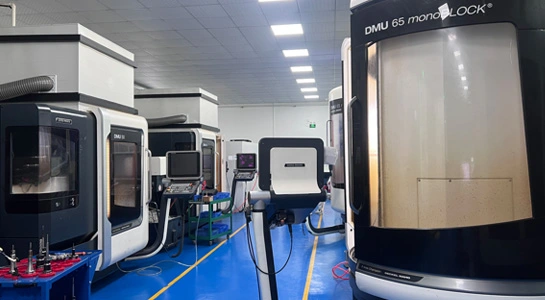
The Future of Smart Manufacturing: AI, Automation, and Hyper-Efficient Factories
The future of smart manufacturing is not a distant vision—it's unfolding right now across factory floors worldwide. As production demands accelerate and customization becomes the norm, manufacturers are turning to AI-driven automation and intelligent systems to remain competitive. Smart manufacturing services integrate digital technologies, robotics, and real-time data analytics to create hyper-efficient production environments that deliver unprecedented speed, precision, and adaptability. These innovations enable OEMs, Tier-1 suppliers, medical device developers, and aerospace engineers to transform how they bring concepts from design to functional prototypes, then to full production. This convergence of advanced technologies is reshaping industries by reducing waste, improving quality control, and shortening time-to-market cycles.
Understanding Smart Manufacturing and Its Core Components
What Defines Smart Manufacturing Today
The process of smart manufacturing combines digital intelligence with physical production. Smart facilities use interconnected sensors, machine learning algorithms, and cloud-based platforms to keep an eye on every part of the production process. This is different from traditional factories, which rely heavily on human oversight. The National Institute of Standards and Technology found that predictive maintenance procedures in smart manufacturing systems can cut down on unplanned downtime by up to 50%. These systems get information from the equipment, look for trends in performance, and change processes on their own to keep things running as efficiently as possible.
The Role of Custom Manufacturing Solutions
In this ecosystem, custom manufacturing services have changed a lot. Tooling, fittings, and dies that are specifically designed to solve certain production problems are now available from specialised providers. Custom Manufacturing Tools are essential for precise work, especially when standard tools can't handle complicated shapes or close tolerances. These tools, like CNC-machined jigs, fast injection moulds, and specialised end-of-arm tooling, help makers get accuracy down to the micron level while reducing the amount of scrap they have to deal with. We've seen this change happen a lot among EV startups that need prototype battery housings and medical device companies that need biocompatible test samples.
Integration of AI and Automation in Production Workflows
Automation that is driven by AI is now an important part of modern manufacturing services. With computer vision, robotic systems can inspect parts at speeds that humans could never reach and find flaws as small as a micron. Collaborative robots do routine jobs with workers while people solve problems and check the quality of the work. Machine learning models can tell when pieces of equipment will break down before they do, so maintenance can be planned for when the equipment isn't being used. This combination makes it easy to go from a design file to a finished part. This cuts down on mistakes made by humans and speeds up the process without lowering the quality.
Key Trends Shaping the Manufacturing Services Industry in 2024
Digital Twins and Virtual Prototyping
Engineers can make virtual copies of real production processes with digital twin technology. Design teams can model whole production runs, trying things like temperature, pressure, and cycle times, before they buy tools or materials. This feature is very helpful for people who are making aerospace parts and robots and need to be sure of the structure's integrity before testing it physically. The study team from Siemens Digital Industries found that companies that used digital twins cut the time it took to make new products by an average of 30%. This meant that the businesses could get into the market faster and spend less on validation.
Sustainability and Material Innovation
Environmental duty used to be an optional extra, but now it's a condition for buying things. B2B clients now judge suppliers based on their carbon footprint, how well they handle waste, and how sustainable their materials are. In response, advanced manufacturing services offer bio-based polymers, recovered aluminium alloys, and methods that use less energy. When compared to standard subtractive methods, compression moulding techniques help us use less material. Aerospace companies like composite materials that are light and use less fuel, while medical companies look for safe choices that meet FDA rules without harming the environment.
IoT Connectivity and Real-Time Analytics
Internet of Things sensors built into production equipment send continuous streams of data to monitoring systems that are located in one place. Through secure dashboards, procurement managers can keep an eye on the progress of orders, quality measures, and expected finish times. This openness builds trust and makes it easier to talk about changes to the plan or the schedule before they happen. Real-time analytics find bottlenecks as they happen, so they can be fixed right away. This visibility helps AGV developers and system designers organise complicated assemblies with parts from different sources.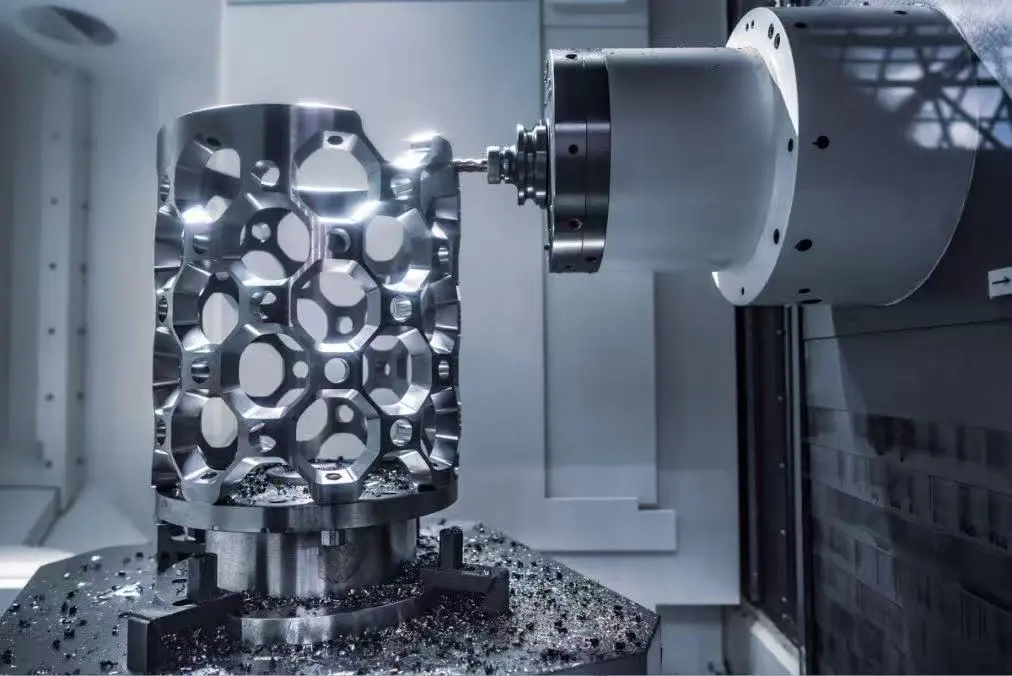
How AI and Automation Enhance Manufacturing Services: A Problem-Solving Approach
Addressing Quality Inconsistency Through Intelligent Inspection
When quality control is done by hand, there is a chance of error. Even experienced checkers miss small problems when they check the same things over and over. Automated visual inspection systems that use neural networks look at all of the parts that are made and compare each one to the CAD specs with accuracy down to the micron level. These systems find flaws in the surface finish, differences in dimensions, and differences in the material that a person could not see. We've set up coordinate measuring machines that are connected to statistical process control software. This creates feedback loops that change the parameters of the machining automatically when trends show that the parameters might be drifting from the specifications.
Reducing Lead Times with Predictive Scheduling
In traditional manufacturing, schedules are based on past experience and often overestimate due dates to account for delays that were not expected. AI-driven scheduling systems look at past production data, the current capacity of machines, and the supply of materials to make the best production schedules. Predictive repair tools make sure that equipment works during important runs. We've been able to consistently meet tight deadlines for drone makers who need prototype iterations every two weeks and for consumer electronics developers who need attractive mockups for investor presentations.
Flexible MOQ Solutions for Diverse Project Scales
The costs of traditional tooling often require minimum order numbers that are higher than what is needed for a sample or pilot production. These days, advanced manufacturing services use a mix of methods, like 3D printing for small or complicated jobs and rapid injection moulding for medium-sized ones. This gives medical device R&D teams the freedom to test ergonomic designs on a wide range of patients, and it also lets industrial equipment makers test performance in a variety of working situations. Custom Manufacturing Tools with modular inserts make it easy to switch between different versions of a part, which removes the cost issues that used to stop small-batch production.
Choosing the Right Smart Manufacturing Service Provider: A Decision Support Guide
Evaluating Technology Capabilities and Material Expertise
When choosing a manufacturing partner, you need to look at how well they know both the technology and the materials. Providers should be skilled in a number of processes, such as CNC machining, vacuum casting, metal pressing, and die casting, so they can suggest the best methods for each job. We are experts in a wide range of materials, from medical-grade PEEK plastics to aerospace-grade aluminium metals. This variety is very important when Tier-1 providers for the car industry need engine parts that can handle high temperatures or when smart home makers need UL-rated enclosures that look good and keep heat in.
When procurement managers look at possible partners, they should ask for case studies that show experience with similar applications. Find out about their quality certifications. ISO 9001:2015 gives you basic peace of mind, while AS9100 shows aerospace-level strictness. Ask about methods for checking dimensions, such as CMM skills and surface profilometry tools. By learning about a supplier's inspection procedures, you can tell how committed they are to sending parts that meet GD&T requirements without needing to be reworked by the customer.
Transparency in Pricing and Lead-Time Commitments
Detailed quotes that break down the prices of materials, tools, and working time are provided by reliable manufacturing services. Avoid service providers who give you rough quotes without knowing enough about the job to do so. When we give prices, we make it clear which costs are one-time expenses in tools and which costs are per unit. This helps clients decide whether to order a prototype or a test run. Lead times should include checking the design, getting materials, production cycles, and making sure the quality is good. Setting realistic deadlines keeps stakeholders trust and avoids costly project delays.
Building Collaborative Partnerships Beyond Transactional Relationships
The best seller partnerships go beyond just placing orders and include working together on long-term goals. Look for partners who can give you feedback on your design-for-manufacturability and suggest changes that will make production more efficient without affecting the usefulness. During the concept phase, we often talk to robotics developers and suggest material swaps that keep structural requirements while lowering weight. This way of working together is good for everyone: clients get better ideas, and makers save time and money by making things easier to make. Setting up these relationships makes you more flexible for when you need to make quick changes or meet tight deadlines.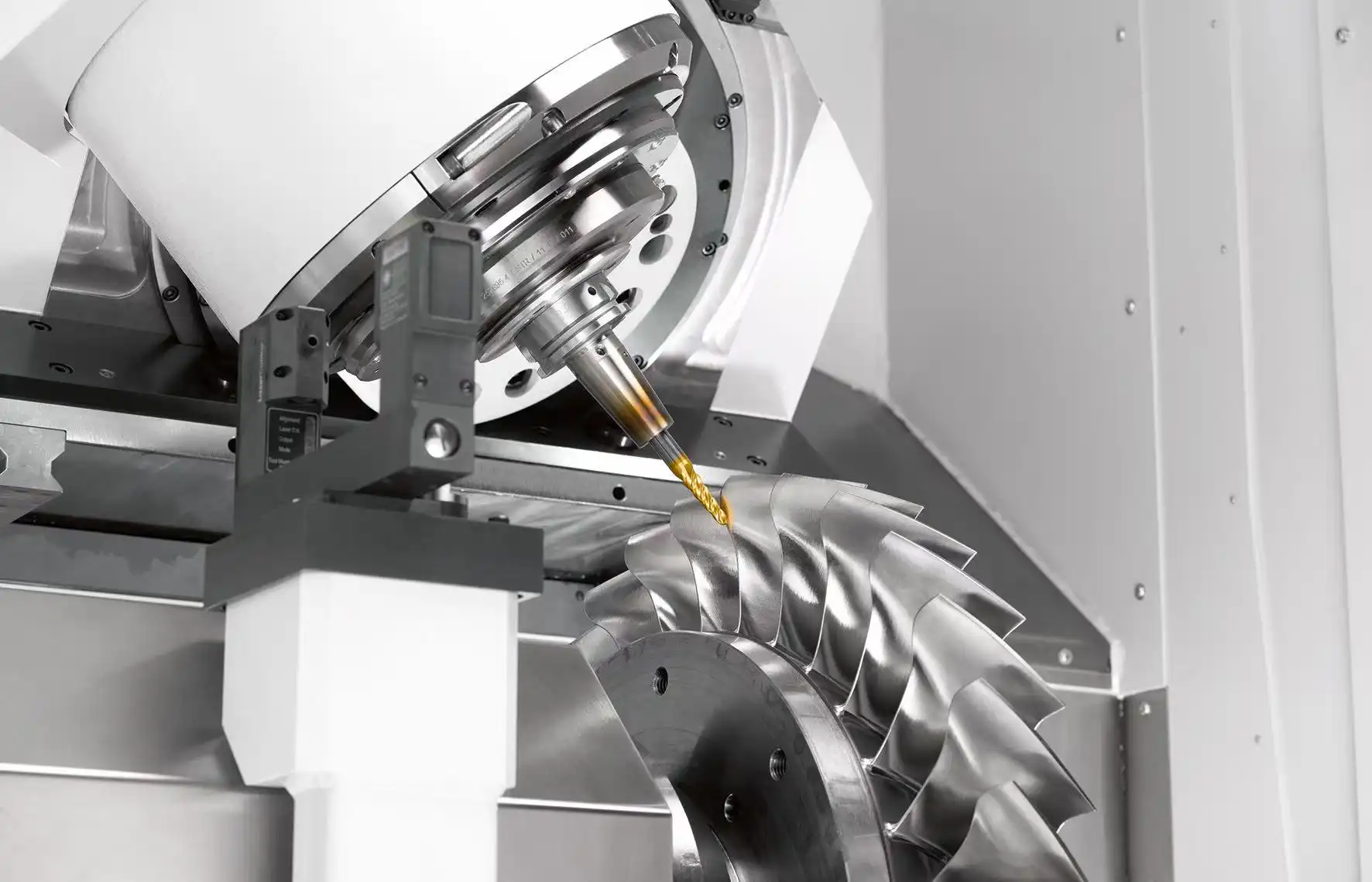
Future-Proofing Your Manufacturing Strategy with AI and Hyper-Efficient Technologies
Integrating Smart Manufacturing into Supply Chain Operations
More and more, a company's competitive edge depends on how flexible its supply system is. AI forecasting tools that look at market trends, available parts, and capacity limits across a manufacturer's supplier network must be added. When problems happen that could delay deliveries, these systems let you know right away so you can make changes to your sources. We've made supplier portals that let clients see real-time updates on the status of work-in-progress, inspection reports, and design changes. This integration cuts down on communication problems that usually make projects take longer than planned.
Investing in Workforce Development and Digital Infrastructure
Adopting new technologies only works when they are backed by skilled workers and strong infrastructure. Manufacturing partners should show that they are continuing to put money into training programs for their employees that cover advanced CAD/CAM software, handling of multi-axis CNC equipment, and understanding of complicated engineering models. Digital infrastructure, such as secure file transfer systems, ERP integration tools, and cloud-based collaboration platforms, makes it easy for design teams and production facilities to share information. These efforts show that a provider wants to stay on the cutting edge of industrial innovation.
Sustainability as a Way to Stand Out from the Competition
Environmental care has changed from following the rules to being a way to stand out in the market. Manufacturers who are on the cutting edge get certifications that show how environmentally friendly they are, including how much energy they use and how much waste they divert. Closed-loop recovery systems have been set up for metal cutting scraps, and toolpaths have been optimised to remove as little material as possible. Aerospace clients really like these practices because reducing the weight of parts helps aircraft use less fuel over their entire operational lives. Manufacturers of medical devices like eco-friendly packing choices that meet sterility standards and have less of an effect on the environment.
Conclusion
Smart manufacturing, which is powered by AI and automation, changes the way we think about production problems in a fundamental way. Digital technologies, new materials, and smart systems in manufacturing services are coming together to let makers offer quality, speed, and customisation that have never been seen before. To be successful in this environment, you need to form smart relationships with service providers who are both technically skilled and willing to work together. As industries continue to change toward shorter development cycles and more complex products, those who adopt highly efficient manufacturing technologies will stay ahead of the competition. The change is already happening; the question is not whether to use these new ideas or not, but how quickly you can work them into your product development plan.
FAQ
How do Custom Manufacturing Tools impact project economics and timelines?
Custom Manufacturing Tools cost more to buy up front than standard tools, but they pay for themselves in large ways by making output more efficient. These special fixtures, dies, and jigs cut cycle times by 30 to 50 percent and drastically lower the amount of scrap. Lead times for complex custom tools are usually between four and twelve weeks, which includes validating the design and doing FEA analysis. When even small amounts are made, the numbers become better because the per-unit cost benefits quickly cover the cost of the tools. We help our clients figure out the best way to use tools based on expected volumes and deadlines.
Can custom tooling integrate with existing factory systems?
Today's custom manufacturing tools are made with sensors built in to keep an eye on the load, temperature, and cycle numbers. This information goes straight into ERP and MES systems, which lets people see what's happening in production in real time. Manufacturers can keep an eye on how well their tools are working, plan preventative maintenance, and find variations in the process before they affect quality by integrating them. Our tooling solutions are set up to work with Industry 4.0 systems, which means that data will move smoothly through your production setting.
What maintenance protocols ensure long-term tool performance?
When handmade dies and fittings need to be kept accurate over long production runs, they need to be serviced on a regular basis. As part of routine maintenance, cutting surfaces are reground on a regular basis, guide pins and moving parts are oiled, and the CMM is re-calibrated to check that the dimensions are correct. We help our clients get the most out of their tools' lifespan while still meeting specifications by giving them detailed maintenance schedules that are based on expected cycle counts and operating conditions. With the right care, these investments will continue to provide value for as long as they are operating.
Ready to Transform Your Product Development with Smart Manufacturing Services?
BOEN Prototype is a leader in smart production. They use advanced technology and a deep understanding of materials to speed up the time it takes to come up with new ideas. We can make precise prototypes and small batches of products for uses in automotive, medical, aircraft, robots, and consumer electronics. These include CNC machining, rapid injection moulding, vacuum casting, and metal pressing. No matter if you need biocompatible test samples, lightweight UAV parts, or functional validation parts, our team can help you with design-for-manufacturability, which improves both performance and production efficiency. Manufacturing services providers who have been in business for a while and know the problems your industry faces. Contact BOEN Prototype at contact@boenrapid.com to talk about how our smart factory method can help you with even the most difficult development tasks.
References
1. National Institute of Standards and Technology. "Smart Manufacturing Systems Design and Analysis." NIST Engineering Laboratory, 2023.
2. Siemens Digital Industries. "Digital Twin Technology in Manufacturing: Impact Assessment and Implementation Strategies." Industrial Automation Research Series, 2024.
3. Society of Manufacturing Engineers. "Advanced Materials and Processing Technologies for Aerospace Applications." SME Technical Papers, 2023.
4. International Journal of Production Research. "Artificial Intelligence Applications in Quality Control and Predictive Maintenance." Volume 62, Issue 8, 2024.
5. Manufacturing Leadership Council. "Sustainability Practices and Procurement Trends in B2B Manufacturing." Annual Industry Report, 2024.
6. Institute of Electrical and Electronics Engineers. "IoT Integration and Real-Time Analytics in Smart Factory Environments." IEEE Industrial Electronics Magazine, 2023.

How Can We Help?

Your Trusted Partner in Rapid Manufacturing.