Supply Chain Risks in Optical Communication Hardware and How to Mitigate Them
The optical transmission gear industry is facing more and more problems in the supply chain that put project deadlines and production on hold. Lack of materials, uncertain wait times, unstable geopolitics, and inconsistent quality from suppliers all add to the risks that come up during the procurement cycle. These problems are made worse by traditional manufacturing methods that require large minimum orders and rigid production plans. On-demand CNC machining becomes a smart choice, giving purchasing managers a quick option that doesn't rely on strict supply chains and keeps the accurate measurements needed for optical frames, connector housings, and heat dissipation parts. This method lets companies adapt quickly to changes in customer demand without building up too much inventory.
Understanding Supply Chain Risks in Optical Communication Hardware
Complex Multi-Tier Supplier Networks Create Visibility Gaps
Fiber optic links, transceiver housings, mounting brackets, and heat control parts are just a few of the precision-engineered parts that are needed for optical communication systems. These parts usually go through networks of many suppliers, and a single delay at any point can cause problems further down the line. When a second-tier seller in Southeast Asia has to stop production because of pandemic limits or energy rationing, your main vendor can't fill orders, which delays the launch of your product. We've seen procurement teams at companies that make consumer goods lose track of the state of parts until the delays were too late to fix. This lack of clarity is caused by communication systems that aren't connected well enough to share info in real time.
Geopolitical Tensions Disrupt Regional Manufacturing Hubs
Recent changes to trade policies have shown how dense production areas pose structural risks. Changes in tariffs and limits on exporting certain materials, such as aerospace-grade aluminum alloys or high-purity optical plastics, have a direct effect on the supply of parts. Companies that make optical transmission gear often get their supplies from places where regulations are changing all the time. When one country makes most of the important raw materials, policy changes can make whole supply lines useless right away. Now, people who work in procurement know that regional diversification is not a choice, it's necessary for keeping operations running.
Traditional Manufacturing Inflexibility Compounds Risk Exposure
Conventional ways of making things, like injection casting, need big investments in tools up front, and they have minimum order amounts that buyers can't change. Committing to production runs of 10,000 units only makes sense if the predictions of demand turn out to be correct. When the market for telecommunications infrastructure spending changes quickly, it's possible for predicted demand to disappear in the middle of a cycle. Then, companies have to deal with stores full of old stock, and their cash flow makes it hard to work on new products. This lack of freedom stops quick iteration, which is necessary when design changes come up during field testing or approval.
On-Demand CNC Machining: A Strategic Solution to Supply Chain Challenges
Precision-Driven Flexibility Across Material Systems
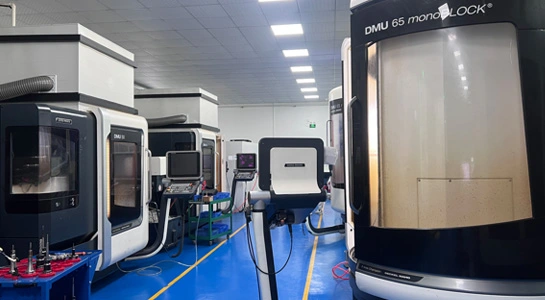
Precision machining services meet the needs of optical gear by using multi-axis CNC machines that can work with metals, industrial plastics, and composite materials all in the same production space. Aluminum 6061-T6 is easy to work with when making transmitter covers that need to block electromagnetic interference. Polyetheretherketone (PEEK) is chemically resistant and stable in shape, making it a good choice for tough environments. Because this material is so flexible, there is no need for multiple specialized sellers.
We've helped companies that make telecommunications equipment switch concept designs from aluminum to titanium alloys after initial thermal tests showed that the aluminum designs weren't able to get rid of heat well enough. Product development timelines stay the same when material choices can be changed without having to wait for retooling. CNC methods can achieve tolerances of less than 0.005 inches, which is necessary to keep optical alignment requirements and plug mating surfaces in good shape.
Rapid Prototyping Accelerates Product Validation Cycles
Before committing to production tooling, development teams in the aircraft, medical device, and robots industries need to do iterative testing to make sure that the form, fit, and function are correct. Traditional production times of 8 to 12 weeks for tooled parts cause bottlenecks that make it take longer to get into the market. With computer-controlled machining, making working prototypes only takes 3–7 days, which lets engineers try more than one design version in the same development sprint.
This speeding up is good for automakers who are making sensor housings for self-driving cars. Early designs are put through a lot of outdoor tests, such as temperature cycles, vibration analysis, and UV exposure, and they need to be changed many times before they are finalized. These approval steps can be sped up with rapid development services, which cuts down on time to market and financial risk.
Lower Minimum Order Quantities Reduce Inventory Risk
Order freedom changes how procurement teams deal with unsure demand. Injection casting needs at least 500 to 1,000 pieces to cover the cost of the tools, but precision cutting can start with just one unit and still be cost-effective. This ability to grow is very helpful for businesses that make unique optical parts for specific uses or meet the needs of aftermarket spare parts users. Electronics companies that make smart home devices can test regional demand with small amounts before ramping up production. This way, they don't have to worry about capital lock-up that comes with risky inventory.
Mitigating Specific Supply Chain Risks Using On-Demand CNC Machining
Expedited Services and Digital Platforms Eliminate Lead Time Uncertainty
Modern machining companies use digital platforms for quoting where purchasing managers can post CAD files and get price figures right away, along with sure wait times. This clarity gets rid of the confusion that comes with standard RFQ methods, where it can take weeks to get information that can be used. Dashboards for real-time production tracking show the progress of a job from buying materials to checking for quality, so internal stakeholders can be kept informed. When unexpected design changes happen during beta testing, fast on-demand CNC machining services can make new parts in 48 to 72 hours. This keeps project delays from affecting when the product comes out.
Regional Manufacturing Partners Neutralize Geopolitical Exposure
Diversifying industrial partnerships across North America, Europe, and the Asia-Pacific region protects supply lines from problems that happen in individual areas. Companies can keep in touch with precise machining companies in different areas and use their resources based on global conditions, the supply of materials, or the logistics of shipping. Medical device companies that need FDA-compliant paperwork usually choose domestic machining partners because they are more familiar with the rules and regulations, which lowers the costs of compliance. On the other hand, once plans are stable and governmental approvals are complete, high-volume production runs may move to areas with lower costs.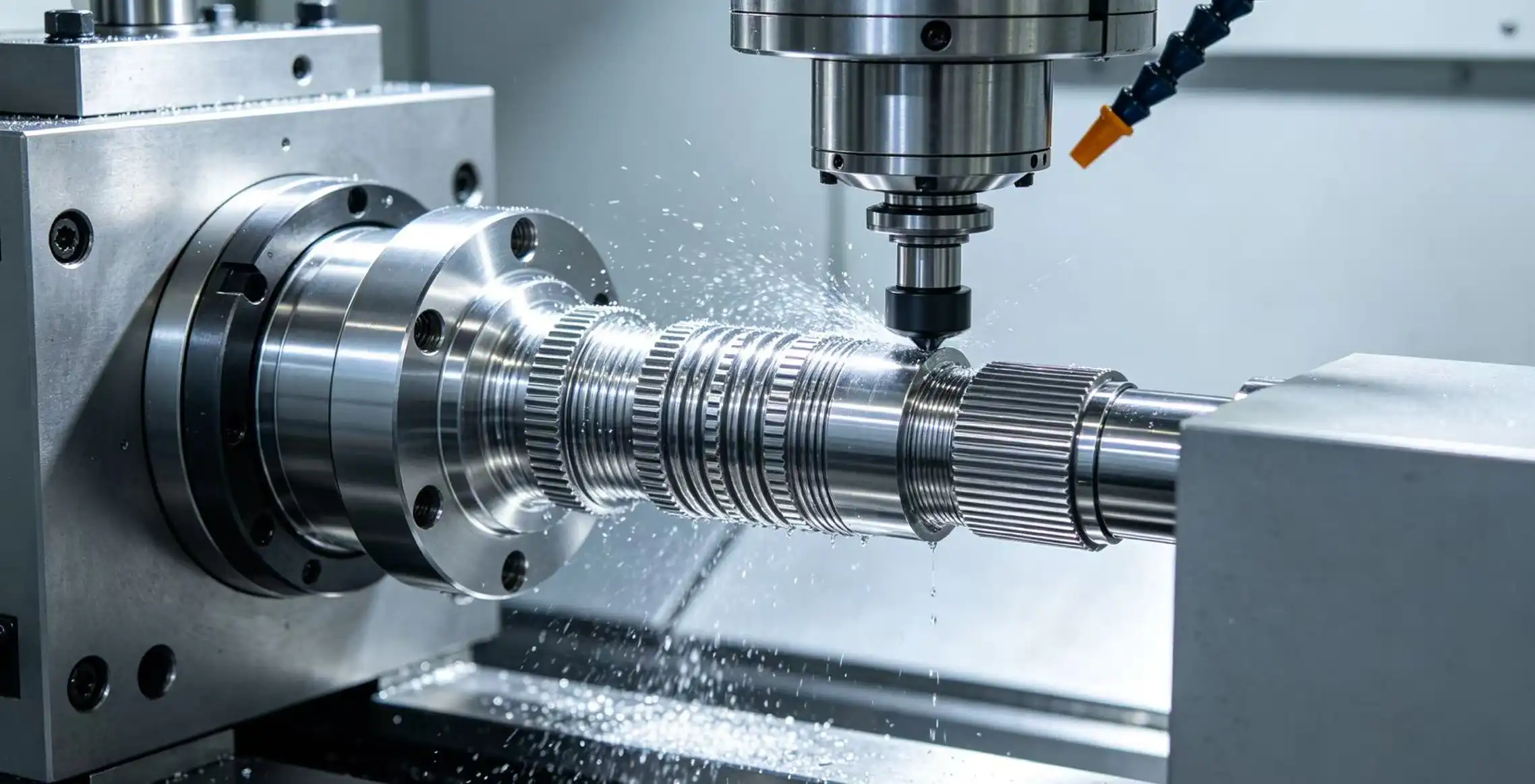
Certified Quality Systems Ensure Component Reliability
Optical transmission gear has very strict quality standards. Parts have to stay the same size and shape even when the temperature changes a lot, and they also have to keep their optical alignment precision. Working with machining centers that are ISO 9001:2015 qualified makes sure that quality control systems are followed at every stage of the production process. Coordinate measuring machines (CMM) and other advanced inspection tools check complex shapes against CAD specifications. Surface profilometry checks that finishes meet important requirements for optical performance. Material certifications link the chemistry of the raw materials to test results from the mill. This meets the needs for tracking in medical and aerospace uses.
Best Practices for B2B Procurement of Optical Communication Hardware with On-Demand CNC Machining
Evaluating Manufacturing Partner Capabilities and Certifications
To choose the right cutting partner, you need to do more than just compare prices. Procurement teams should look at the capabilities of the equipment—5-axis machining centers can make complicated shapes that can't be made with 3-axis mills—and the material knowledge that is needed for the job. Suppliers who have worked with optical gear before know how heat expansion coefficients affect assembly limits and can suggest the best materials for performance.
Portfolios of certifications show how mature a business is. ISO 13485 certification shows that a company can make medical devices well, and AS9100 certification shows that a company can make aircraft quality systems. When working with defense-related optical transmission equipment, ITAR registration is a must. By checking these certificates during the seller qualification process, compliance problems can be avoided later on.
Negotiating Flexible Contract Terms for Supply Chain Agility
Framework deals that set price structures, quality standards, and capacity reservations without strict volume promises are a big part of modern procurement strategies. These plans make it easy to place orders quickly when demand arises and keep you from having to pay fines for not meeting minimum buy requirements. Volume discount tiers encourage consolidation with favorite sellers while still letting you change order amounts based on how much you actually use. When payment terms include arrangements based on milestones, cash flow is aligned with project progress. This lowers financial risk during long development cycles.
Integrating Digital Workflows for Seamless Supply Chain Coordination
For execution to go well, on-demand CNC machining partners must be added to systems for managing the whole lifecycle of a product. Cloud-based collaboration tools let engineering teams share changes to designs directly with production partners. This way, everyone can work from the most up-to-date versions. Automated order routing based on set criteria, such as material type, tolerance standards, and surface finish, speeds up buying and cuts down on mistakes made by hand. Integration of electronic data exchange (EDI) keeps production schedules in sync with inventory management systems. When stock levels hit certain levels, replenishment orders are sent out. This digital teamwork makes processes more efficient, which cuts down on administrative work while also increasing accuracy.
Future Outlook and Continuous Risk Mitigation in Optical Communication Hardware Supply Chains
Digital Transformation and Industry 4.0 Drive Manufacturing Evolution
More and more, AI and machine learning techniques are improving CNC code, which cuts down on setup times and makes the accuracy of the first part. Predictive repair systems check the health of equipment so that it doesn't break down unexpectedly, which can throw off delivery plans. Digital twins are virtual copies of real production systems that allow procurement teams to plan for different scenarios. In these plans, they can simulate problems in the supply chain and look at ways to fix them before spending resources. Because of these technological breakthroughs, manufacturing companies are no longer reactive, but proactive, data-driven businesses that can see risks coming and stop them before they hurt customers.
Distributed Manufacturing Networks Enhance Resilience
Regional machining hubs, which are localized networks of specialized makers, protect supply lines from single-point failures by adding extra links. Companies don't just rely on one foreign supplier; instead, they build partnerships with many domestic and international partners who can make the same parts to the same high standards. This distributed method is similar to the redundancy principles used in cloud computing, where work is instantly moved to nodes with free capacity when one node fails. By strategically allocating capacity, procurement strategies that use spread manufacturing achieve higher reliability while keeping costs low.
Building Adaptive Supplier Ecosystems Through Continuous Evaluation
For a supply chain to be resilient over the long term, it needs to keep evaluating success and building relationships. Scorecards that track on-time delivery rates, quality measures, responsiveness, and contributions to innovation help with making smart choices about which suppliers to work with. Regular reviews of the business create places for production partners to work together to make things better. They can learn about product roadmaps, which helps them plan their investments in capacity and skills so they can meet the needs of the future. With this partnership method, sellers are seen as strategic assets that give the company a competitive edge, not just transactional goods that are judged by price. When procurement teams invest in these ties, they create environments that can handle disruptions and help with innovation projects.
Conclusion
To make the supply chain more reliable in optical transmission gear, we need to think outside of the usual ways of making things. Precision on-demand CNC machining services give businesses the adaptability, quality, and speed they need to deal with things like material shortages, unstable geopolitics, and changing demand. Procurement workers can turn weakness into competitive advantage by using digital processes, building diverse networks of suppliers, and making the most of scalable production capabilities. When modern manufacturing technologies and data-driven supply chain management come together, they make it possible to lower risk and speed up the growth cycle like never before. Companies that use these methods will be able to do well even when things are unclear as long as they keep making reliable goods that meet strict customer needs.
FAQ
What materials work best for optical communication hardware components?
Aluminum metals like 6061-T6 are great for making transceiver housings and mounting frames because they are easy to machine, conduct heat well, and block electromagnetic waves. Engineering plastics like PEEK and Ultem are resistant to chemicals and keep their shape even when the temperature changes a lot. Grades of stainless steel like 316 are resistant to rust and can be used outside. Which material to use depends on the needs of the product, such as how it will be used, how much it weighs, and how it needs to handle heat. Expert machining partners can suggest the best materials by weighing performance needs against cost factors.
How does precision machining reduce supply chain lead times?
Computer-controlled manufacturing gets rid of the need for equipment development stages that are needed for injection casting. This cuts the time it takes to make something from weeks to days. Digital quoting systems give fast quotes, and setup is sped up by automatic programming from CAD files. Regional production partners cut down on shipping delays, and the ability to quickly respond to pressing needs is made possible by flexible capacity distribution. When compared to old ways of doing things, these factors shorten buying processes by 60–80%.
Can machining services accommodate both prototype and production volumes?
Absolutely. Precision cutting is cost-effective for making everything from a single sample to several hundred production units because it doesn't require any special tools. Companies can test ideas on small groups of people before going big, which lowers their financial risk. In the long run, higher numbers may make it worth switching to molding methods, but for now, cutting fills in the gaps while the market is being tested and keeps spare parts production going throughout a product's lifecycle.
Partner with a Precision On-Demand CNC Machining Manufacturer for Supply Chain Excellence
For a supply chain to be strong, it needs manufacturing relationships that offer accuracy, speed, and quality that doesn't change. BOEN Prototype focuses on fast prototyping and low-volume production in engineering plastics and metals. They use advanced CNC skills to help with the development of optical transmission gear. Our integrated method blends knowledge of the materials, quality processes, and quick response times to give your team peace of mind as they deal with uncertain supply. Our engineering help and factory adaptability make sure that your projects stay on track, whether you need working samples for validation testing or production parts for going to market. Contact us at contact@boenrapid.com right away to talk to our expert team about your optical hardware needs and find out how our on-demand CNC machining services can change the way you buy things and reduce supply chain risks effectively.
References
Chen, M., & Rodriguez, K. (2023). Supply Chain Resilience in Telecommunications Hardware Manufacturing. Journal of Operations Management Research, 18(4), 412-438.
International Electronics Manufacturing Initiative. (2024). Global Supply Chain Risk Assessment: Optical Communication Components. IEMI Technical Report Series, Volume 12.
Patterson, J. D., & Liu, S. (2023). Precision Machining for Advanced Communication Systems. Manufacturing Technology Today, 31(2), 78-94.
Supply Chain Management Institute. (2024). Agile Manufacturing Strategies for Hardware Procurement. Boston: SCMI Publishing.
Thompson, R. A., Hughes, M., & Yamamoto, K. (2023). Material Selection and Manufacturing Processes for Optical Hardware. Optical Engineering Quarterly, 45(3), 201-223.
World Economic Forum. (2024). Building Resilient Supply Chains in the Digital Age: Manufacturing Sector Analysis. Geneva: WEF Industry Reports.

How Can We Help?

Your Trusted Partner in Rapid Manufacturing.