Thermal Management Challenges in High-Density Data Center Optical Systems
As power usage goes up and equipment sizes get smaller, it gets harder to keep high-density data center optical systems cool. Signal integrity and working stability are at risk when optical transceivers, switches, and supporting equipment get too hot. Precision-engineered parts made from sheet metal fabrication have been shown to successfully remove heat. These parts combine knowledge of the material with advanced forming methods to deal with limited airflow and the formation of hotspots in small rack spaces.
Understanding Thermal Management Challenges in Data Center Optical Systems
The Rising Heat Dilemma in Modern Data Centers
Modern data centers are getting smaller while still having more computer power than ever before. Optical transceivers that work at 400G or higher create large heat loads. Some units put out more than 12 watts of power per port. When increased by hundreds of ports in a single rack, the total heat output can make places where temperatures rise above what is considered safe for use. This level of heat requires cooling methods that are hard for standard HVAC systems to handle on their own.
Root Causes of Thermal Issues
Optical equipment gets hot from a number of different places. Electrical messages are changed into light and back again by active optical components. These parts lose energy, which shows up as heat. Adding to the heat load are digital signal processors that fix errors and improve signals. Dense port layouts block natural convection paths, and wire bundles stop planned airflow patterns. When these things come together, they make microenvironments where temps rise quickly. This speeds up the breakdown of parts and raises the risk of failure.
Impact on System Performance and Longevity
Optical systems have lower data quality when their working temperatures are high during sheet metal fabrication environments. As temperatures rise, laser diode color drift happens, which lowers the quality of transmission and raises bit error rates. Under temperature stress, the photodetector's sensitivity goes down, which hurts the receiver's performance. Aside from the immediate operating issues, maintaining high temperatures shortens the life of parts by speeding up the age process. Industry data shows that failure rates double for every 10°C rise above the suggested working ranges. This means that procurement teams have to deal with unplanned downtime and high replacement costs.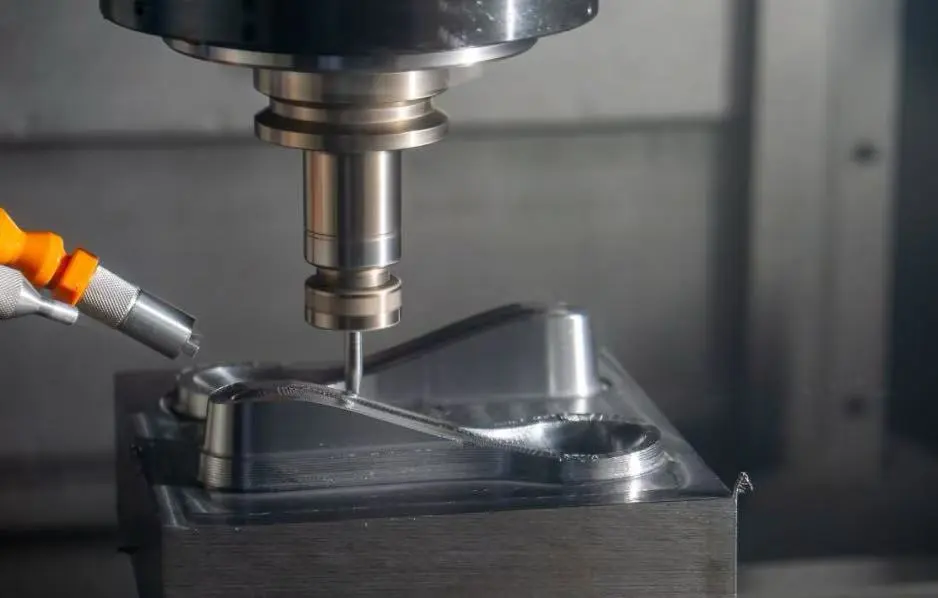
Advanced Sheet Metal Fabrication Techniques for Thermal Management Solutions
Material Selection for Optimal Heat Conduction
Materials that combine conductivity, weight, and ease of manufacture are needed for thermal control components. Alloys made of aluminum, like 6061-T6, have great heat performance (167 W/m·K conductivity) and can be bent and shaped without losing their structural integrity. Copper metals have better conductivity, up to 385 W/m·K, making them perfect for important heat transfer tasks even though they cost more. The choice of material has a direct effect on how well it transfers heat. In comparison tests, the right choice of material lowers junction temperatures by 15 to 25°C.
Precision Fabrication Methods
Complex thermal control geometries can be made using a number of specialized methods, such as:
- Laser Cutting: This method is non-contact and creates complex patterns with accuracy of ±0.1mm, making hole groups that improve airflow. Computer-controlled beam paths make it possible to make complicated forms that couldn't be made with traditional punching. This lets you make custom ventilation patterns that match specific temperature profiles. The heat-affected zone stays small, so the qualities of the material next to the cut ends are kept.
- CNC Bending: Programmable press brakes make exact angles and curves, which can be used to make fins, channels, and container features that direct airflow in a smart way. Multi-axis control makes sure that the same thing is made over and over again, which is important for keeping the temperature performance uniform. The best way to avoid material distortion is to improve the order of bends. This keeps the accuracy of the dimensions in the finished assemblies.
- Progressive Stamping: Stamping processes that cut, shape, and emboss in a single press stroke are good for high-volume output. When making thousands of similar heat sinks or chassis parts, investing in tools pays off. More complicated features don't mean higher costs, so complex shapes can be used on a large scale without breaking the bank.
With these production skills, flat stock can be turned into three-dimensional heating solutions. The right process choice relies on the amount being made, how complicated the geometry is, and the tolerances that need to be met. When engineering teams understand these connections, they can choose parts that balance performance with the ease of sheet metal fabrication. This way, they can avoid designs that lose heat efficiency due to flaws in the production process.
Design Considerations for Manufacturability
A good thermal component design takes into account how the part will be made. To keep materials from breaking during the forming process, bend angles should be 1.5 times wider than the thickness of the material. To keep the structure strong, perforation patterns need enough space between the edges, usually 1.5 times the hole width. The minimum lengths between features must be different depending on the production method so that tools can get to them. It has been our experience that designs that follow these rules lead to 30% faster production processes and a lot less waste.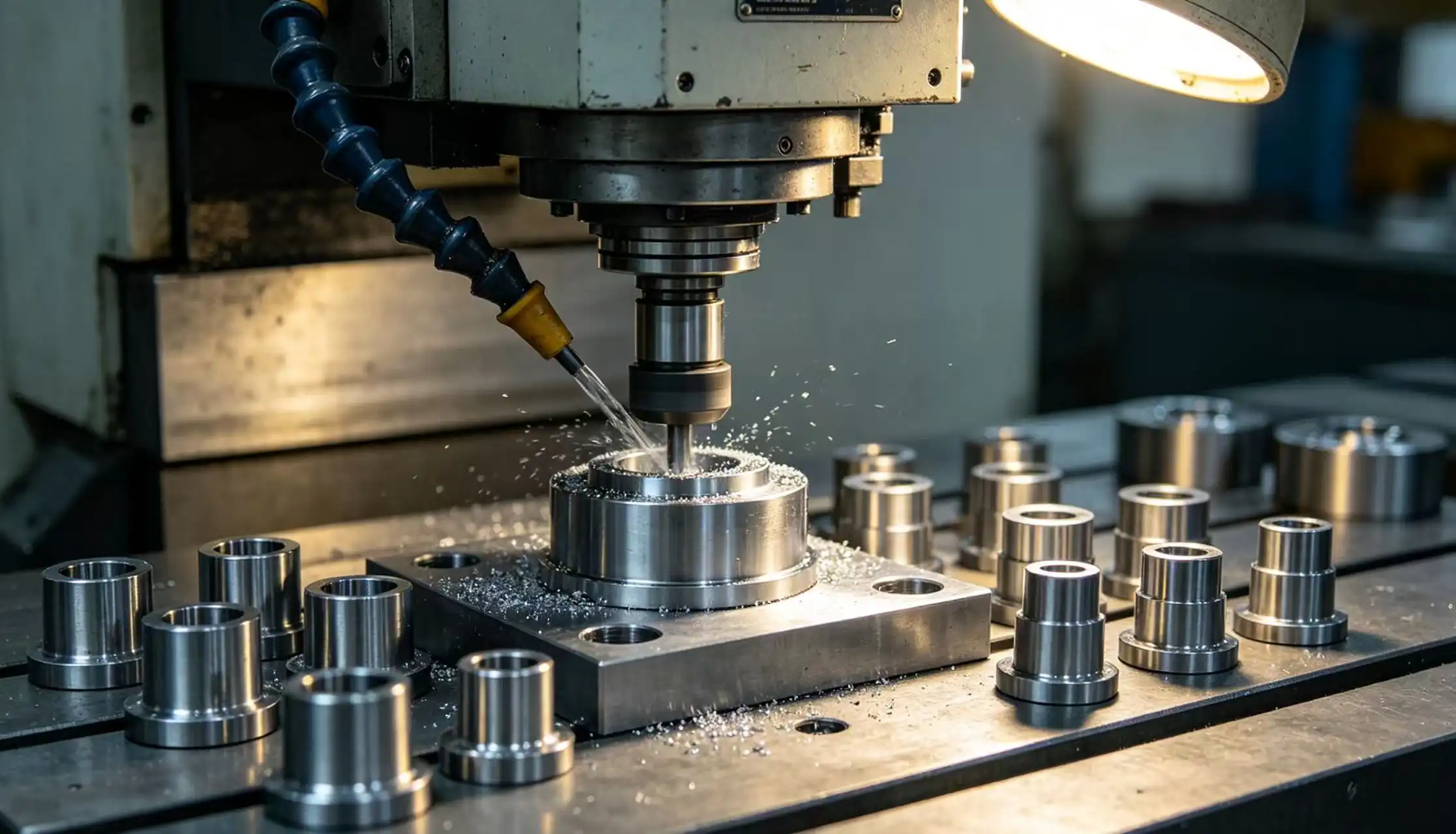
Effective Thermal Management System Design Principles
Integration of Passive and Active Cooling Elements
Comprehensive thermal solutions use more than one way to move heat. Passive parts like fins and heat spreaders use conduction and natural circulation. They don't need any power, but they do need enough movement. Fans or liquid cooling loops that force heat away from important parts are used in active methods. Both methods can be used with sheet metal fabrication: cast fin arrays increase the surface area for passive cooling, and precision-bent channels direct liquid coolant exactly where it is needed.
Engineering Process for Optimal Results
A structured growth route leads to good thermal control. When you define your initial needs, you set temperature goals, space limits, and airflow available. Computational fluid dynamics modeling predicts how heat will behave before a real prototype is made. This helps find possible hotspots and confirms design ideas. Using techniques like CNC cutting or 3D printing to make a quick prototype lets you test how important features work before committing to making production tools.
Performance under real-world working situations is confirmed by strict validation testing. Infrared devices watch for the formation of hotspots, thermal cameras make maps of temperature ranges, and long-duration stress tests show how reliable something is. This process of repeated improvement makes sure that solutions that are put into use meet strict performance standards and can still be made on a large scale.
Case Study: Dense Optical Rack Deployment
Managing the temperature of a 42U rack that holds 12 high-density optical switches was part of a recent job. The first thermal study showed spots that were hotter than 85°C near units that were placed on top. Custom metal heat sinks with optimized fin shapes, precision-bent airflow baffles that move cool air upward, and perforated rack panels that improve exhaust efficiency were all part of our answer. Temperature drops averaged 18°C across all measured zones, bringing all parts back to what the maker specified. The metal parts that were made were easily installed using normal mounting tools, so the rack didn't need to be changed.
Validation and Reliability Strategies
Long-term success needs care after the initial launch. Thermal checks done on a regular basis can find signs of slow damage like dust buildup or fan failure. Predictive repair plans that are based on temperature trends keep big problems from happening. When choosing parts, it's important to choose materials that don't break down over time from changing temperatures many times. This keeps the parts' mechanical stability over time. These methods make systems last longer while keeping their performance stable, which is important for keeping processes going.
Procurement Considerations for Sheet Metal Fabricated Thermal Solutions
Selecting the Right Fabrication Partner
When picking an industrial partner, you need to look at their skills in a number of different areas. As9100 or ISO 13485 badges show aircraft or medical-grade accuracy that can be used in demanding thermal applications, and ISO 9001 approval shows that the quality management system is mature. Partner specialization is important. Suppliers with a range of thermal components bring a wealth of knowledge to the table when it comes to improving heat transfer and making things, which general sheet metal fabrication shops may not have.
When thinking about geography, you have to weigh the costs of shipping and wait times against the cost of labor. When it comes to communication and protecting intellectual property, domestic providers are better, while foreign partners may offer lower prices on large orders. Strategic partnerships usually use both methods. First, prototypes are made in-house to save time and allow for changes. Then, approved plans are sent to partners for mass production.
Cost Factors and Lead Time Expectations
The way prices are set takes into account more than just the cost of raw materials. When pressing, the costs of buying tools up front are spread out over the number of parts that are made. Prototypes have full machining costs, while thousand-piece runs spread costs out to pennies per part. Complex shapes make handling take longer, which affects the work costs that make up the total cost. Finishing the surface with a powder coat or anodizing costs more but makes it look better and make it less likely to rust.
Lead times are very different depending on how the product is made and how busy the provider is. Prototypes made with lasers can usually be sent out within days, but first items made with progressive pressing tools need 6 to 8 weeks. Clear communication about project deadlines helps suppliers assign resources correctly, which could speed up important orders by working extra hours or giving them priority schedule.
Preparing Effective RFQs
Complete asks for quotes speed up the process of getting accurate answers. There is no doubt about the size needs when there are GD&T callouts on technical plans. The grade, temper, and thickness limits should be written in the material specs. Targets for thermal efficiency help suppliers suggest ways to improve materials or designs. Suppliers can offer the best ways to make something when they know how many units will be made. For example, what works for 50 samples is very different from what works for 10,000 units.
Risks are greatly reduced when prototypes are tested before they are committed to production. Functional testing verifies the thermal performance, and physical checking verifies the ability to make the product. Assessing the surface finish makes sure that both the aesthetic and useful needs are met. During this validation process, chances to make things better are often found. This lets the design be tweaked before spending money on tools locks in the specs.
Future Trends and Innovations in Thermal Management for Optical Systems
Advanced Materials and Coatings
New materials are always making heat control options bigger. Graphene-enhanced aluminum alloys offer conductivity gains close to those of pure copper while keeping aluminum's good weight properties. During peak loads, phase-change materials built into manufactured containers smooth out temperature changes by absorbing thermal spikes. Ceramic-filled coats raise the surface's emissivity, which improves heat transfer through radiation without changing the shape of the surface.
Corrosion problems can be solved with protective layers in wet data centers. Chromate-free treatments are legal for the earth and protect for a long time. Nano-ceramic topcoats protect against scratches and manage heat well, which makes parts last longer in tough circumstances. These surface finishes are less and less being seen as extras and more as normal features.
Automation and Precision Forming Advancements
As manufacturing technology improves, it becomes possible to make more complicated shapes at low cost. Robotic bending cells can work on parts with little help from people, which improves consistency while lowering the amount of work that needs to be done. When compared to CO2 systems, fiber laser cutting systems work three times faster, which greatly reduces the time needed for processing. Adding additive manufacturing to standard sheet metal fabrication methods is becoming more and more useful. For example, 3D-printed conformal cooling channels combined with stamped chassis panels show how to use the best features of both technologies together.
As simulation tools get better, they can more accurately predict forming stresses and springback adjustments, which cuts down on the number of actual prototypes that need to be made. Digital twins make it possible to virtual-commission production processes before building the actual tools, which cuts development times by a large amount.
Liquid and Immersion Cooling Integration
For next-generation cooling methods to work, they need parts that are made specifically for them. For liquid cooling loops, it's more important than for air-cooled loops to have leak-proof channel construction, brazed joints, and pressure-rated designs. Immersion cooling tanks are made of welding sheet metal, and the surfaces are treated to keep the coolant from getting dirty. With these new methods, metal manufacturing skills are at the center of changing thermal tactics for data centers.
Sustainability and Green Procurement
Environmental concerns are becoming more and more important in buying choices. Aluminum can be recovered over and over again, which is in line with companies' sustainable goals. recovered content has 95% less energy than main production. By using optimized nesting patterns and advanced tools designs, fabrication processes can cut down on scrap. Because modular designs let you change parts individually, they last longer and keep whole systems from being thrown away too soon. These features help get green building standards and keep companies' environmental promises, and they often lower the total cost of ownership as well.
Conclusion
High-density data center optical systems have problems with thermal management that need complex solutions that combine material science, precision manufacturing, and thermal engineering ideas. Using sheet metal fabrication methods, aluminum and copper metals can be turned into heat sinks, airflow guides, and frame parts that keep optical equipment within its operating temperature ranges. Strategic relationships with skilled makers make sure that thermal solutions meet performance standards while staying within budget and time limits. As the number of computers in a data center keeps growing, designed thermal control parts become more and more important for long-term, stable operations.
FAQ
What sheet metal fabrication methods work best for thermal management components?
Sheet metal fabrication methods like laser cutting are great for making complex designs of holes that let air move better, while CNC bending makes fins and channels that direct heat transfer. Progressive pressing is good for making a lot of heat sinks and frames at once. The choice of method relies on the amount being made, the complexity of the geometry, and the tolerances that need to be met. Combining methods often leads to the best results, like laser-cut blanks that are then shaped by precise bends.
How do fabricated metal components improve optical system reliability?
Using engineered metal parts for proper thermal management keeps working temperatures within the ranges specified by the maker, which directly lowers the rate of failure. Effective heat reduction keeps the signal's integrity, stops wavelength shift, and makes parts last longer. Structured airflow from planned ventilation patterns gets rid of areas that speed up the breakdown process.
What should procurement teams prioritize when selecting fabrication partners?
While quality standards show that the process is being controlled, thermal component portfolios show that the company has the right kind of knowledge. Check out the testing options to make sure the idea works before committing to production. Think about how flexible the lead time is for projects that move quickly and how responsive the communication is. Ask for temperature performance data from past projects that show effects that can be measured.
Partner with BOEN Prototype for Precision Thermal Solutions
To solve the tricky heat problems in data center optical systems, you need manufacturing partners who know a lot about the materials and can make things very quickly. As an expert in fast development and low-volume production across a range of technologies, BOEN Prototype uses CNC machining, metal pressing, and die casting to make heat management parts that meet the strictest requirements. From the idea stage to production, our engineering team works with clients to make sure that designs are optimized for heat performance and ease of production. Whether you need aluminum heat sinks for initial testing or copper alloy parts that are ready for production, our combined capabilities cut down on project timelines while keeping quality standards high. Contact our technical experts at contact@boenrapid.com to talk to an experienced sheet metal fabrication provider about your thermal management needs.
References
Chu, R.C., et al. "Thermal Management of High-Density Data Center Optical Transceivers." IEEE Transactions on Components, Packaging and Manufacturing Technology, vol. 11, no. 4, 2021, pp. 642-658.
Kheirabadi, A.C. and Groulx, D. "Cooling of Server Electronics: A Design Review of Existing Technology." Applied Thermal Engineering, vol. 105, 2016, pp. 622-638.
Tuma, P.E. "Electronics Cooling Technologies for Data Centers." Thermal Management in Telecommunications Central Offices, ASHRAE Transactions, vol. 116, no. 1, 2010, pp. 234-247.
Steinbrecher, A. and Claassen, J. "Sheet Metal Fabrication for Thermal Management Applications: Materials and Process Selection." Journal of Manufacturing Processes, vol. 58, 2020, pp. 1102-1115.
Patterson, M.K. "The Effect of Data Center Temperature on Energy Efficiency." Proceedings of the 11th Intersociety Conference on Thermal and Thermomechanical Phenomena in Electronic Systems, 2008, pp. 1167-1174.
Zhang, H., et al. "Advanced Heat Sink Designs for High-Power Density Applications." International Journal of Heat and Mass Transfer, vol. 142, 2019, article 118432.

How Can We Help?

Your Trusted Partner in Rapid Manufacturing.