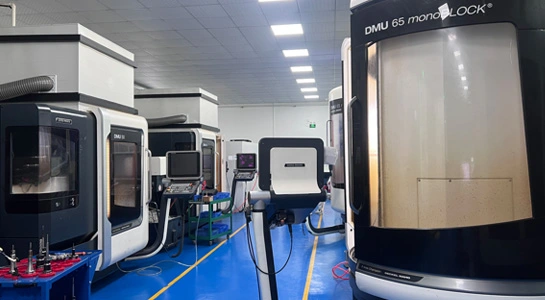
Understanding the Process of Sheet Metal Fabrication
Sheet metal fabrication is a versatile manufacturing process that transforms flat metal sheets into functional parts and products. This intricate process involves various techniques such as cutting, bending, punching, and welding to create custom components for industries ranging from automotive to aerospace. By understanding the intricacies of sheet metal fabrication, manufacturers can harness its potential to produce durable, cost-effective, and precise parts. From selecting the right materials to applying finishing touches, each step in the fabrication process plays a crucial role in delivering high-quality results that meet specific industry requirements.
The Fundamentals of Sheet Metal Fabrication
Material Selection and Properties
Choosing the right material is paramount in sheet metal fabrication. Common materials include aluminum, steel, stainless steel, copper, and brass. Each metal offers unique properties such as corrosion resistance, strength-to-weight ratio, and formability. For instance, aluminum is lightweight and resistant to corrosion, making it ideal for aerospace applications. Stainless steel, on the other hand, offers excellent durability and heat resistance, perfect for kitchen appliances and medical devices.
Cutting Techniques in Sheet Metal Fabrication
Cutting is often the first step in the sheet metal fabrication process. Modern fabricators employ various cutting methods, each suited for different materials and project requirements. Laser cutting provides precision and is excellent for intricate designs. Plasma cutting works well for thicker materials and offers high-speed cutting. Water jet cutting is versatile and can cut through multiple layers of material without creating heat-affected zones. The choice of cutting technique significantly impacts the quality and efficiency of the fabrication process.

Forming and Shaping Methods
After cutting, sheet metal parts often require forming or shaping. Bending is a common technique that creates angles and curves in the metal. Press brakes are frequently used for bending operations, allowing for precise control over angles and radii. For more complex shapes, techniques like roll forming or deep drawing might be employed. These forming methods require careful planning to ensure the metal maintains its structural integrity while achieving the desired shape.
Advanced Techniques in Sheet Metal Fabrication
Welding and Joining Processes
Welding plays a crucial role in sheet metal fabrication, allowing separate pieces to be joined into complex assemblies. TIG (Tungsten Inert Gas) welding is often used for thin materials and precision work, while MIG (Metal Inert Gas) welding is suitable for thicker materials and faster production. Spot welding is another technique commonly used in sheet metal fabrication, especially in the automotive industry. Beyond welding, other joining methods like riveting or adhesive bonding may be used depending on the application and material properties.
Finishing Options for Sheet Metal Parts
The finishing process in sheet metal fabrication is vital for both aesthetics and functionality. Powder coating offers a durable and attractive finish, available in various colors and textures. Anodizing is popular for aluminum parts, providing corrosion resistance and the ability to dye the surface. For improved wear resistance, techniques like case hardening or nitriding might be applied. Surface treatments such as passivation for stainless steel or zinc plating for carbon steel enhance corrosion resistance and longevity.

Quality Control and Precision Measurements
Maintaining high quality throughout the fabrication process is essential. Modern fabricators use sophisticated quality control systems, including 3D scanning and coordinate measuring machines (CMMs) to ensure parts meet exact specifications. Non-destructive testing methods like ultrasonic testing or X-ray inspection can be used to check for internal defects in welds or material integrity. Implementing robust quality control measures not only ensures customer satisfaction but also reduces waste and improves overall efficiency in the fabrication process.
Innovations and Future Trends in Sheet Metal Fabrication
Automation and Robotics in Fabrication
The integration of robotics and automation is revolutionizing sheet metal fabrication. Robotic welding systems increase productivity and consistency in joining operations. Automated material handling systems streamline the movement of parts through different fabrication stages. These advancements not only improve efficiency but also enhance safety by reducing human exposure to hazardous tasks. As technology continues to evolve, we can expect even more sophisticated automation solutions in sheet metal fabrication.
Sustainable Practices in Metal Fabrication
Sustainability is becoming increasingly important in manufacturing, and sheet metal fabrication is no exception. Fabricators are adopting eco-friendly practices such as using recycled metals, implementing energy-efficient machinery, and optimizing material usage to reduce waste. Water-based coolants and lubricants are replacing traditional oil-based products, reducing environmental impact. Additionally, the development of new alloys and materials with improved recyclability and lower environmental footprint is an ongoing area of research in the industry.

Digital Twin Technology in Fabrication
Digital twin technology is emerging as a powerful tool in sheet metal fabrication. By creating a virtual replica of the fabrication process, manufacturers can simulate and optimize production before physical implementation. This technology allows for better prediction of material behavior, identification of potential issues, and optimization of process parameters. Digital twins also facilitate remote monitoring and predictive maintenance, further enhancing the efficiency and reliability of fabrication operations.
Conclusion
Sheet metal fabrication is a dynamic field that combines traditional craftsmanship with cutting-edge technology. From material selection to finishing processes, each step requires careful consideration and expertise. As the industry continues to evolve, embracing innovations like automation, sustainable practices, and digital technologies will be key to staying competitive. Understanding these processes and trends is crucial for manufacturers, designers, and engineers looking to leverage the full potential of sheet metal fabrication in their projects.
FAQs
What is the typical thickness range for sheet metal fabrication?
Sheet metal typically ranges from 0.1mm to 6mm in thickness.
Can sheet metal fabrication be used for prototyping?
Yes, sheet metal fabrication is excellent for creating both functional prototypes and end-use parts.
What industries commonly use sheet metal fabrication?
Automotive, aerospace, medical devices, robotics, and consumer products industries frequently use sheet metal fabrication.
Expert Sheet Metal Fabrication Services | BOEN
At BOEN, we specialize in high-quality sheet metal fabrication for prototypes and low-volume production. Our ISO9001:2015 certified facility offers a comprehensive range of services, from precision cutting to advanced finishing techniques. With our experienced team and state-of-the-art equipment, we deliver custom sheet metal solutions tailored to your specific needs. Contact us at contact@boenrapid.com to start your project with a trusted sheet metal fabrication partner.
References
1. Smith, J. (2022). Advanced Techniques in Sheet Metal Fabrication. Journal of Manufacturing Engineering, 45(3), 112-125.
2. Johnson, L. & Brown, T. (2021). Sustainable Practices in Metal Manufacturing. Green Technology Review, 18(2), 78-92.
3. Rodriguez, M. (2023). The Impact of Automation on Sheet Metal Fabrication. Robotics and Automation Magazine, 30(1), 45-58.
4. Chen, Y. et al. (2022). Digital Twin Applications in Metal Fabrication: A Comprehensive Review. Journal of Intelligent Manufacturing, 33(4), 601-618.
5. Thompson, R. (2021). Material Selection for Sheet Metal Fabrication: A Practical Guide. Materials Science and Engineering, 40(2), 189-204.
6. Wilson, K. & Davis, E. (2023). Quality Control Innovations in Modern Metal Fabrication. International Journal of Quality & Reliability Management, 40(3), 312-328.

How Can We Help?

Your Trusted Partner in Rapid Manufacturing.