What Defines Precision Machining Tolerances?
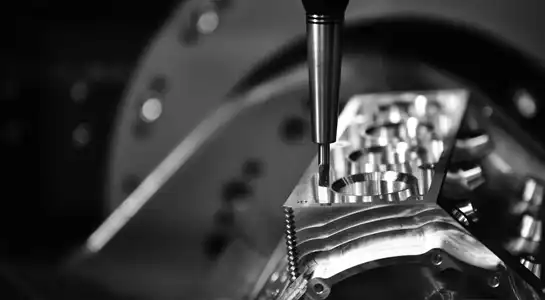
Precision machining tolerances set the limits for the largest and smallest changes in size and shape that are allowed for parts that have been made. These limits say how far a part can be off from its official size without losing its ability to fit, work, and perform well in complex systems. Most of the time, margins in precision machining are between ±0.005mm and ±0.05mm, but more modern CNC systems can get even tighter limits. When procurement workers understand these important factors, they can make smart choices about manufacturing methods, cost effects, and supplier selection based on the needs of their unique projects.
Understanding Precision Machining Tolerances
For component manufacturing to go well, you need to understand the basics of tolerances and how they affect how parts work. During the production process, tolerance standards send important data between design teams, procurement pros, and manufacturing partners.
Key Terminology and Standards
Tolerance definitions and interpretations are governed by international norms in all global production networks. Through ISO 2768, the International Organization for Standardization (ISO) gives detailed rules for general limits. The American Society of Mechanical Engineers (ASME), on the other hand, sets standards that are especially useful for North American markets. These models spell out the symbols, measurement rules, and allowable error ranges for geometric dimensioning and tolerancing (GD&T).
Tolerance language includes a number of important ideas that buying teams come across on a daily basis. When compared to the standard measurements, bilateral tolerances allow changes in both positive and negative directions. Unilateral tolerances, on the other hand, only allow changes in one direction. Even when measurement tolerances are met, geometric tolerances make sure that the parts fit together correctly by controlling things like smoothness, roundness, and perpendicularity.
CNC Machining Processes and Tolerance Achievement
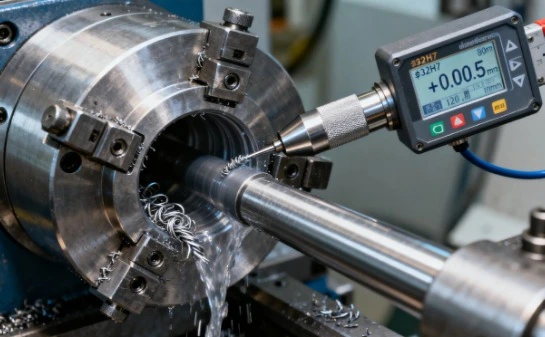
Modern CNC machining centers have very good control over dimensions thanks to their complex gear systems, high-resolution encoders, and cutting-edge tools technologies. For normal jobs, milling margins are usually between ±0.01mm and ±0.03mm. On the other hand, precision turning can get as close as ±0.005mm in ideal conditions. When it comes to bearing surfaces and important fit measurements, grinding is often the last step needed to get the tightest tolerances.
Adding computer-aided manufacturing (CAM) software makes it possible to finetune the cutting parameters and optimize the tool path. These systems take into account tool wear, temperature changes, and machine movement automatically, so the dimensions stay accurate throughout production runs.
Material Selection Impact on Tolerance Capability
When they are machined, different materials react in different ways and have different physical stability properties. Aluminum alloys are usually easy to work with and keep their shapes, which makes them good for tasks that need reasonable standards and need to be cost-effective. Different types of stainless steel are harder to machine, but they are better at resisting rust for medical and aircraft uses.
Engineering plastics, like PEEK and POM, keep their shape very well and are being used more and more for accurate parts in the electronics and car industries. To get the required tolerance levels and avoid heat damage during machining, these materials often need special cutting tools and settings that have been fine-tuned.
Core Factors That Define and Influence Machining Tolerances
In precision manufacturing, the end tolerance is set by a number of factors that are all related to each other. By knowing these things, buying workers can judge the skills of suppliers and set reasonable goals for the project.
Engineering Drawing Quality and Design Communication
For tolerance achievement to go smoothly, there must be thorough engineering paperwork. When you have clear measurement callouts, correctly applied GD&T symbols, and thorough material specs, there is no room for confusion, which can cause costly mistakes during production. When designing, teams have to weigh the needs of functionality against the ease of production, keeping in mind that tolerance stackup can impact the speed of an assembly.
For suppliers to be able to communicate effectively, they need thorough models that list important features, surface finish standards, and inspection procedures. When there is missing information or unclear specs, it can cause production delays, higher costs, and quality problems that could have been avoided by carefully reviewing the paperwork, especially when it comes to precision machining requirements.
Equipment Capabilities and Technology Comparison
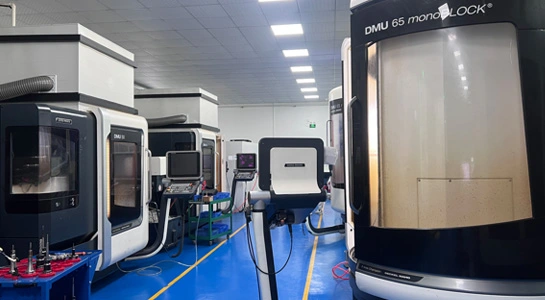
Machine centers that are more advanced and have linear scales, thermal adjustment systems, and high-speed frames can hold better tolerances than older machines. Five-axis machining centers make it possible to make things with complicated shapes while keeping the same level of accuracy across many areas and features.
Electrical discharge machining (EDM) is a great way to control tolerances for harder materials and internal features that are too complicated for regular cutting tools to reach. Wire EDM can regularly achieve ±0.002mm tolerances on complex geometries. This technology is important for making precision tools and aircraft parts.
Laser cutting systems can quickly work with sheets of material, but they can usually get better standards than milling. Knowing these differences in capabilities helps buying teams choose the right manufacturing methods based on the amount of production and the tolerances that need to be met.
Quality Control Systems and Process Consistency
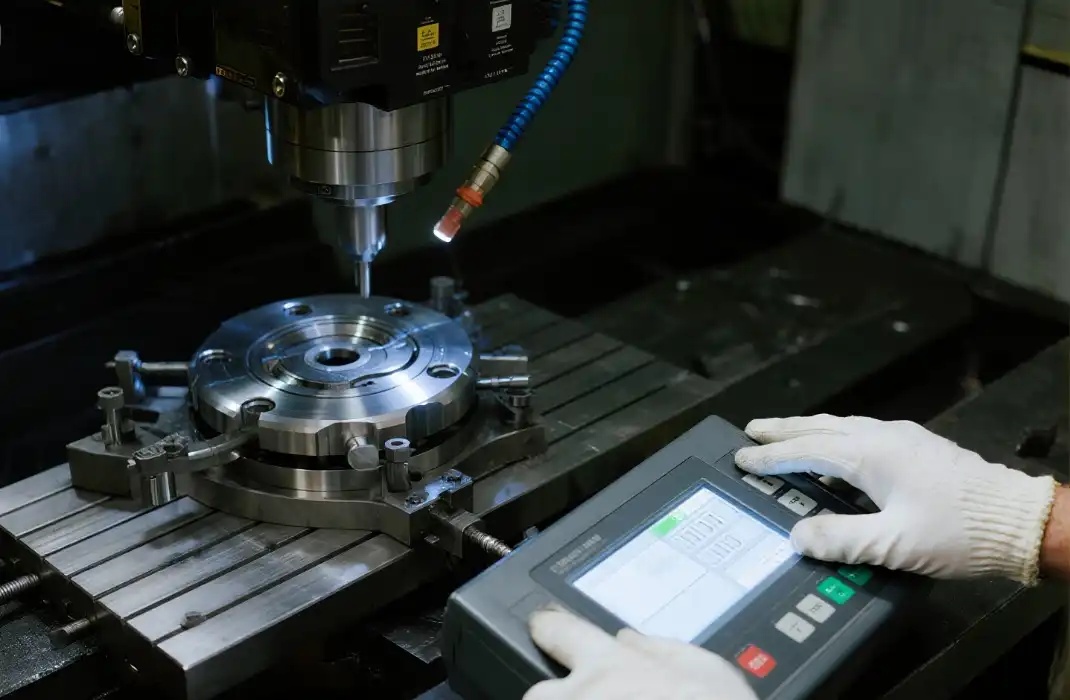
Tough quality control rules make sure that tolerances are always met throughout production runs. Coordinate measuring machines (CMMs) check the sizes of things accurately, and statistical process control (SPC) finds patterns that could change the tolerance range before any broken parts are made.
Temperature-controlled checking areas get rid of the effects of heat expansion that can change the accuracy of measurements. For important tasks, calibrated measuring tools with approval that can be tracked down guarantee accurate data and follow the rules.
Comparing Precision Machining Tolerances to Other Manufacturing Processes
Knowing the range of tolerances that can be used with different production methods helps you choose the best process for your project based on its needs and limitations.
Tolerance Comparison Analysis
With traditional cutting methods, you can get very accurate measurements, usually to within ±0.01mm for very important uses. Machining is necessary for parts in spacecraft, medical devices, and precision tools where tight standards have a direct effect on how well they work and how safe they are.
Additive manufacturing technologies keep getting better, but these days they can handle larger errors, anywhere from ±0.1mm to ±0.3mm, based on the material and the method. While 3D printing is great at making complicated shapes that can't be made with traditional machines, it often needs extra steps after the fact to get the exact tolerances it needs.
For normal uses, tolerances are usually kept between ±0.05mm and ±0.15mm, and injection molding is a cost-effective way to make a lot of parts. Tolerance levels in made parts can be affected by the quality of the tool, the choice of material, and the efficiency of the process.
Cost and Lead Time Considerations
Tighter standards usually mean more working time, more specialized tools, and stricter quality control measures, all of which add to the cost of making something. When procurement professionals understand this connection, they can make requirements more useful by only using tight tolerances when they are technically necessary.
Different manufacturing methods have very different lead time effects. For work with tight tolerances, precision machining may need longer setup times. Casting and molding, on the other hand, have longer equipment development times but faster per-part cycle times for mass production.
Prototyping Versus Production Tolerance Management
During prototype development, functional proof is often more important than meeting production tolerances. This lets for larger differences in dimensions during design verification. This method lets you make changes quickly and keep costs low during the early stages of growth.
As designs get better and assembly requirements are set in stone, production tolerance requirements tend to get tighter. When going from a pilot to production specs, it's important to think carefully about how to make the changes and how much they will cost in large quantities.
Practical Applications and Benefits of Controlled Machining Tolerances
Precision tolerance control has measurable benefits in many fields, allowing for better product performance and making sure that important apps follow the rules.
Industry-Specific Requirements
For aerospace uses, parts that affect flying safety and performance must have very tight tolerances. To make sure they work right in harsh situations, engine parts, structural fittings, and flying control systems often need tolerances that are higher than ±0.01mm. Because of these strict standards, manufacturing skills must be very advanced, and there must be a lot of quality paperwork.
The people who make medical devices are closely watched by regulators who make sure that safety standards are always met for patients. Surgical tools, implantable medical devices, and monitoring equipment parts must be made to exact measurements and meet strict biocompatibility and cleanliness standards.
Precision engine parts that need to be made with tight tolerances for performance and pollution control are used in the automotive industry, as well as internal trim pieces where accuracy in size affects both how well they look and how quickly they can be put together. Electric car parts are hard to package because they have to meet both standard automobile requirements and modern electronics packing requirements.
Repeatability and Scalability Advantages
These days, CNC cutting systems can be used over and over again, so the tolerances can be met regularly across production runs, no matter how big or small the batches are. Precision machining is great for jobs that need to be done in small quantities but with a high level of accuracy, but where standard production methods might not be cost-effective.
When ideas go from prototypes to mass production, scalability benefits show up. Established cutting techniques and the ability to work with tight tolerances lower the risk of manufacturing while letting capacity be changed quickly in response to changes in demand.
Quality Investment Return Analysis
Putting money into precision spec control can save you money in the long run because it cuts down on assembly time, guarantee claims, and bad product performance. When parts are made to the right spec levels, they don't need to be fitted, which can be expensive, and there are fewer mistakes during the assembly process.
Precision tolerance control can help goods stand out in competitive markets by making them perform better. Better stability, more useful features, and better looks all support higher prices and help build a brand's reputation for engineering success.
How to Choose the Right Precision Machining Partner for Tolerance-Critical Projects
To find the best manufacturing partner, you need to carefully look at their technical skills, quality processes, and willingness to work together to make sure the project goes well and the relationship lasts.
Certification and Quality System Evaluation
Getting ISO 9001 certification shows that you are dedicated to quality management concepts and practices for continuous growth, which are necessary to consistently meet tolerances. Aerospace companies often keep their AS9100 approval, which means they have better quality control systems that are good for important jobs.
Medical device makers need both ISO 13485 approval and FDA registration for parts that are used in medical devices. These approvals show that the quality systems are complete and can meet the needs of legal compliance and traceability.
When you look over quality paperwork, you should look at measurement system analysis (MSA) studies, capability studies (Cpk values), and proof that statistical process control was used. These papers show logical ways to reach tolerances and keep an eye on the process all the time.
Technical Capability Assessment
Evaluating equipment includes checking the precision of the machine tools, the abilities of the measuring systems, and the external controls that affect the security of the dimensions. Modern machining machines with high-resolution feedback systems, thermal adjustment, and vibration separation can hold better tolerances.
Tolerance success is greatly affected by the skill of the toolmaker, especially when working with difficult materials or complicated shapes. Suppliers who know a lot about tools and how to optimize cutting parameters get more regular results while keeping production costs low.
The ability to create a process lets it be optimized for specific tolerance needs and mixtures of materials. Suppliers who offer design for manufacturability advice can help find possible tolerance problems before production starts. This lowers the risk of development and speeds up the process.
Communication and Collaboration Excellence
Misunderstandings about tolerance levels can cause projects to be late or have quality problems, so clear communication about these limits is important. Suppliers should give thorough descriptions of their capabilities, which should include the widest and narrowest tolerances that can be used for various materials and shapes.
Collaborative methods to fixing problems allow for ongoing growth and cost savings across the whole relationship. Suppliers who are ready to share process knowledge and suggest changes to designs show that they care about both parties' success, not just making deals.
Conclusion
In many business settings, the accuracy of the cutting lines determines the quality of a system, a part, or a finished product. When people who work in buying learn about tolerance basics, the things that affect tolerance, and how to make things, they can make choices that are good for both technology and cost. Quality management that works well needs to be able to meet with qualified service providers who can show they know what they're doing, have a good quality system in place, and are dedicated to always getting better. It is clear that investing in precision tolerance control and precision machining pays off: better product performance, lower assembly costs, and happy customers in today's global markets.
FAQ
What tolerance ranges can precision CNC machines typically achieve?
For most jobs, modern CNC tools can consistently keep margins between ±0.005mm and ±0.02mm. In ideal situations, advanced machining centers with high-resolution feedback systems and heat adjustments can keep limits of ±0.002mm. The ability to hold a certain tolerance relies on the shape of the part, the qualities of the material, and the choice of machining method.
How do different materials affect tolerance stability and achievement?
The qualities of a material have a big effect on its ability to accept and stay stable in its dimensions. Aluminum metals usually keep their shapes well and are easy to machine, which makes it possible to get tight specs at a low cost. Stainless steels need special tools and conditions to work, but they are very stable in terms of tolerances. Engineering plastics like PEEK are easy to control in terms of size, but they need to be carefully managed when they are being machined because they get hot.
Can tight tolerances be guaranteed for low-volume production runs?
Precision cutting is great at keeping standards the same no matter how much is being made. Modern CNC systems are very good at repeating themselves, which means that tight tolerances can be met for both prototypes and full production runs. Statistical process control and detailed quality documents make sure that all volume levels have the same tolerances.
What documentation should suppliers provide for tolerance-critical projects?
Suppliers who are qualified should give statements about their abilities that list the acceptable ranges of deviation for various products and methods. Documentation about the quality system, such as ISO approvals, measurement system analysis studies, and process capability studies, shows how to reach tolerances analytically. Inspection records with detailed calibration and statistical process control plots show that tolerances are being kept up to date.
Partner with BOEN Prototype for Superior Precision Machining Excellence
BOEN Prototype offers top-notch precision machining services backed by cutting-edge CNC technology, thorough quality systems, and a wealth of industry knowledge in the electronics, medical devices, aircraft, and automobile industries. Our ISO-certified center uses cutting-edge coordinate measuring machines, temperature-controlled checking areas, and strict statistical process control methods to keep tolerances very tight. As a reliable precision machining provider, we combine the speed of quick prototyping with the quality of production to meet your strictest tolerance needs. We do this while keeping our wait times low and our communication open at all times during the project. Get in touch with our engineering team at contact@boenrapid.com to talk about your uses that need to be very precise and find out how our precision manufacturing solutions can help you make better products.
References
Smith, J.R. "Advanced Tolerance Control in Modern Manufacturing Systems." Journal of Precision Engineering, Vol. 45, 2023.
Chen, L.M. "Statistical Process Control Applications for Tight Tolerance Machining Operations." International Manufacturing Review, Issue 3, 2023.
Rodriguez, A.P. "Material Selection Impact on Dimensional Stability in Precision Components." Aerospace Manufacturing Quarterly, Spring 2023.
Thompson, K.W. "Quality Management Systems for Critical Tolerance Applications." Industrial Quality Standards, Vol. 28, 2023.
Williams, D.S. "Cost-Benefit Analysis of Precision Manufacturing Investments." Manufacturing Economics Today, Fall 2023.
Anderson, M.J. "Geometric Dimensioning and Tolerancing Best Practices for Global Supply Chains." Production Management International, Vol. 15, 2023.

How Can We Help?

Your Trusted Partner in Rapid Manufacturing.