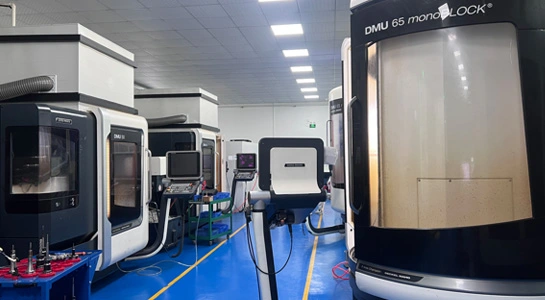
Can One Manufacturer Handle Prototyping and Production
Yes, one maker can handle both the testing and production stages of making a new product. Modern manufacturing services have changed over time to offer full solutions that cover everything from testing the original idea to mass production. This unified method gets rid of the hassle of handling many providers and makes sure that the changes between development stages go smoothly. Single-source providers are being used more and more by companies in the automotive, electronics, medical devices, aircraft, and robots industries to shorten the time it takes to create new products and keep quality standards high throughout the whole manufacturing process.
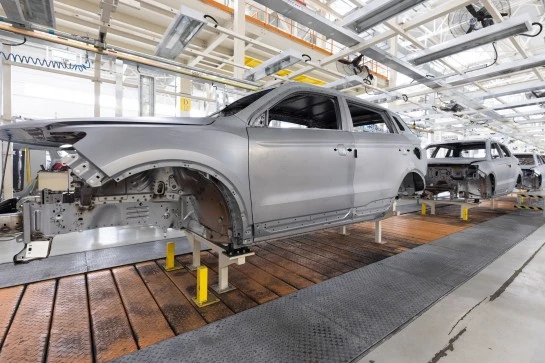
Understanding Prototyping and Production in Manufacturing Services
There are two separate but linked stages in the manufacturing landscape that make product creation work. By understanding these stages, procurement managers and engineering teams can make smart choices about which vendors to hire and how to handle projects.
The Role of Prototyping in Product Development
Prototyping is the first step in making sure that design ideas and functional needs are sound. During this important step, engineers make first models to test the shape, fit, and function of the product before committing to making production tools. Today, advanced technologies like CNC machining, 3D printing, vacuum casting, and rapid injection molding are used in development to make working samples that look a lot like the final production parts.
Iterative design improvements can be made during the testing phase, which keeps changes to the production phase to a minimum. Through detailed testing procedures, engineering teams can check the qualities of materials, look at ergonomic issues, and confirm performance traits. This method works especially well in fields like medical devices, aircraft, and automobiles, where strict validation processes are needed to meet safety standards and follow the rules.
Production Phase Characteristics and Requirements
Production manufacturing is all about making end goods that are uniform, can be scaled up, and meet strict quality standards. To meet delivery promises, this part needs strong quality control systems, standardized processes, and plans for capacity. Production processes usually involve making more of something, using special tools, and using automatic systems that are meant to be as efficient and cost-effective as possible.
When you go from prototyping to production, there are some unique problems you have to deal with, like making sure that the manufacturing processes are scalable, that the measurements stay accurate, and that the material stays the same across bigger amounts. For production operations to be successful, they need to have detailed records, process control measures, and quality assurance methods that make sure the same results are achieved every time.
Benefits of Integrated Manufacturing Approaches
Product development teams can get a lot out of having testing and manufacturing services from the same company. When moving from one seller to another, knowledge gaps are often filled by streamlined communication. This lowers the risk of misinterpreting specifications or making changes to the design during the handoff process.
Cost savings happen when vendors are managed by a single company, buying costs are cut, and methods for getting materials are optimized. Single-source providers can use economies of scale in both the development and production stages, and they can keep prices the same throughout the duration of a product.
Can One Manufacturer Effectively Handle Both Prototyping and Production?
It takes advanced infrastructure, a wide range of technical skills, and adaptable operating systems to be able to handle both development and production. Some manufacturing services don't have the tools to do well in both, so it's important to carefully evaluate vendors for relationships to work.
Resource and Capacity Considerations
Managing two different skills requires a lot of money to be spent on tools, technology, and people. When prototyping, you need equipment that is flexible, can be used quickly, and can work with a variety of materials and shapes. For production to run smoothly, they need specialized, high-volume systems that are designed to work quickly and consistently. Manufacturers have to find a way to meet both of these needs while still making money in both business areas.
Planning for capacity is especially hard when you have to manage the change from making prototypes to ramping up production. Successful providers use complex scheduling systems that allow for iterations of fast prototyping while keeping production plans on track. To achieve this balance, you need project management teams with a lot of experience who can coordinate complicated processes across a number of different manufacturing technologies.
Technical Requirements and Quality Standards
Effective dual-capability providers keep full quality management systems that follow industry standards like AS9100 for aircraft applications, ISO 13485 for medical products, and ISO 9001 for other applications. These licenses show that an organization is mature enough to handle complicated projects with multiple stages while keeping quality standards high.
Modern industrial technologies make it easy to move from the testing phase to the production phase. Companies that have CNC machining machines, injection molding, metal production systems, and additive manufacturing technologies can keep the purity of the design while the product is being developed. This range of technologies makes sure that prototype proof correctly shows the features of the production part.
Success Factors for Integrated Manufacturing Services
Integrated providers that work well together have a few key traits that make dual-phase management work well. Strong project management tools make it easy for the testing and production teams to talk to each other and keep detailed records during the whole development process. These systems keep track of changes to the design, the specs for materials, and the quality standards so that the transfers between phases go smoothly.
The ability to provide engineering help is what sets special providers apart from basic manufacturing services. With in-house design for manufacturing knowledge, improvement suggestions can be made that make things more scalable while still staying true to the design purpose. This way of working together helps clients escape having to make expensive changes to the design when they move from testing to production.
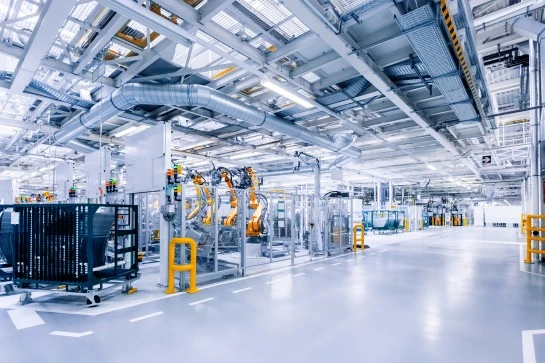
How to Choose the Right Manufacturing Partner for Prototyping and Production
To find the right industrial partner, you need to carefully look at their professional skills, how they run their business, and how well their culture fits with yours. This choice has a big effect on project timelines, cost structures, and the success of product creation as a whole.
Defining Project Requirements and Scope
A thorough project description that includes technical specs, volume needs, expected completion dates, and quality standards is the first step to choosing the right provider. Different industries have very different needs when it comes to custom manufacturing. For example, medical devices need safe materials and lots of paperwork, while consumer gadgets need a nice finish and the best prices possible.
The expected volume affects the choice of production technology and the planning needs for capacity. Rapid tooling methods can help with low-volume production runs because they lower the initial investment while keeping piece costs at a reasonable level. For higher volume uses, standard tooling methods that lower costs per piece by making production more efficient are usually needed.
Critical Decision Criteria for Vendor Selection
Quality standards are an objective way to show that a company is mature and can control its processes. Manufacturers who have earned ISO certification use organized methods to keep quality high, make improvements all the time, and make sure customers are happy. Industry-specific certifications, like ISO 13485 for medical products or AS9100 for aircraft uses, show that the company has the right kind of experience working in controlled settings.
When evaluating technical skills, it's important to look at both the current ability and the room for growth to meet future needs. Providers that use a variety of manufacturing technologies can adapt to changes in design and find the best ways to make things based on cost goals and number needs. This adaptability is especially helpful when moving from the testing phase to the production phase.
Evaluation Framework for Supplier Assessment
A structured review framework helps procurement teams compare different providers based on a number of factors while staying objective during the whole process. As part of technical assessments, manufacturing skills, quality systems, capacity availability, and engineering support tools should all be looked at. Financial stability analysis protects against supply chain breakdowns and makes sure that the relationship will last for a long time.
You can find out more about a supplier's real success than just what they say in their marketing by checking their image with customer references and industry recognition. Site trips let you see for yourself how the buildings, equipment, and organizational culture affect the project's success. This all-around method lowers the risks of the decision process and finds vendors who can help with long-term growth goals.
Trends Shaping Manufacturing Services in 2026 and Beyond
As new technologies change the way things are made and what customers expect, the industrial scene is also changing quickly. When procurement workers know about these trends, they can choose partners who are forward-thinking and can adapt to changing market needs.
Emerging Technologies Transforming Manufacturing
Digital twin models change the way products are made by letting virtual testing happen before physical prototyping. This cuts down on development time and wasteful materials. With these advanced modeling tools, engineering teams can make plans that are easier to make and predict how they will work in different environments.
In addition to testing, additive manufacturing technologies can also be used to make production tools and parts that will be used in real life. New materials have made it possible for 3D printing to make useful parts that meet strict performance standards and give designers more freedom than is possible with traditional manufacturing methods.
Impact on Supplier Selection and Partnership Strategies
Customers want quicker development processes and faster time-to-market delivery, and technology is making that happen faster. Partners in manufacturing must show they can quickly adapt to new technologies while still meeting quality standards and delivering on time. To keep this balance, you have to keep spending money on new tools and training your employees.
As customers want to know more about how products are made, where materials come from, and how they affect the world, supply chain transparency standards rise. Companies that use digital tracking systems and environmental programs can stay ahead of the competition and meet changing standards for corporate responsibility.
Future-Ready Manufacturing Capabilities
Manufacturing services that are successful invest in systems that are flexible and scalable so they can react to shifting market demands and technological requirements. This includes modular equipment sets that can be quickly changed to fit different goods and production numbers.
Workforce development programs make sure that expert teams stay up to date on new tools and the best ways to do things in their field. Providers that stress ongoing learning and licensing programs show that they are dedicated to keeping their professional skills high while also changing to changes in the industry.
Maximizing the Benefits of Single-Manufacturer Service for Product Development
To get the most out of combined manufacturing services, you need to plan ahead and work with other people in ways that make the most of the strengths of single-source providers. In addition to saving money, these perks include shorter development times and better product quality.
Best Practices for Collaborative Project Management
Setting up clear communication rules that allow for regular project updates and quick problem solving is the first step to working together effectively. Integrated project management tools let you see the state of the project at any time, during both the development and production stages, and keep full records of all design changes and quality standards.
Continuous quality tracking during the development process makes sure that problems are found early and that the design stays the same from one step to the next. This proactive method keeps expensive fixes from having to be made during the ramp-up of production and boosts confidence in the performance of the end product.
Optimizing Cost and Inventory Control
Single-source relationships let you use advanced cost-cutting techniques that take advantage of economies of scale across multiple stages of a project. Material sourcing optimization cuts down on the costs of buying things and makes sure that the qualities of materials stay the same during development and production. This method reduces the chance of variation while improving cost structures.
Coordinating inventory management between the testing and production stages cuts down on waste and makes sure that materials are available for important project goals. Just-in-time delivery methods are used by experienced providers to keep project schedule promises and improve cash flow.
Long-term Partnership Development
Building effective relationships with manufacturing services that can do the job gives you a competitive edge by making communication and technical teamwork more efficient. Long-term relationships let service providers really understand what the customer wants and what the business needs. This lets them make proactive suggestions and find the best answers.
Access to engineering help throughout the lifetime of a product creates useful design optimization opportunities that make the product easier to make and lower the cost of production. This joint method encourages new ideas while keeping things realistic for mass production.
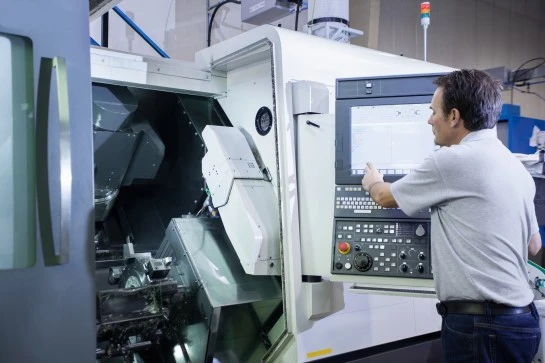
Conclusion
Companies that want to speed up product development while keeping quality standards high and costs low should look into single-source manufacturing services. Having one service handle both development and production cuts down on communication problems, lowers the cost of managing vendors, and speeds up delivery to market. But to be successful, you need to carefully choose your vendors by looking at their technical skills, quality processes, and operating maturity. When businesses form strategic relationships with qualified integrated providers, they gain access to specialized knowledge, flexible capacity, and joint engineering support that encourages new ideas while ensuring that the products can be made in the real world. Manufacturing is always changing, which means that new technologies and better ways of integrating processes are always opening up new ways to improve partnerships.
FAQ
What industries benefit most from integrated prototyping and production services?
Integrated manufacturing services are very helpful for the aircraft, automotive, medical devices, consumer goods, and robotics businesses. In these areas, it's important to have short iteration cycles, strict quality standards, and a smooth shift from working prototypes to large-scale production. Because of the complicated rules and performance standards that are popular in these fields, single-source partnerships are very helpful for making sure that the design stays true and follows the rules during the whole development process.
How do manufacturers manage capacity between prototyping and production demands?
To be successful, integrated makers use complex scheduling systems that combine the need for quick prototypes with on-time production deliveries. They keep their tools set up in a way that lets them work on a wide range of projects, while also setting aside some capacity for large-scale production runs. Modern project management tools let you optimize capacity in real time and make sure that customer promises can still be kept in both service areas.
What quality certifications should I look for in an integrated manufacturing provider?
Certifications like ISO 9001 show that a quality management system is mature, while certifications for specific industries, like ISO 13485 for medical products, AS9100 for aerospace, or IATF 16949 for car applications, show that the company has specialized knowledge. These certificates show organized ways of controlling processes, keeping records, and always making things better, which are necessary for handling complicated projects through many development stages.
Ready to Streamline Your Product Development with Integrated Manufacturing Services?
As part of its full manufacturing services, BOEN Prototype offers both development and production services for both metal and plastic materials. Our state-of-the-art building has low-volume production systems, rapid injection molding, CNC machining, and 3D printing technologies to help you with every step of the product creation process. We get rid of the hassle of managing vendors and speed up your time-to-market goals by using ISO-certified quality standards and our deep knowledge of cars, medical devices, aircraft, electronics, and robotics applications. Enjoy the benefits of manufacturing services from a single source, backed by technical support and flexible planning of capacity. Get in touch with our team at contact@boenrapid.com to talk about your project needs and find out how our unified approach can help you make your product development strategy better.
References
Smith, M.R., and Chen, L.K. "Integrated Manufacturing Strategies: Optimizing Prototyping and Production Workflows for Competitive Advantage." Journal of Manufacturing Excellence, Vol. 28, No. 3, 2023, pp. 45-62.
Anderson, P.J., et al. "Quality Management Systems in Dual-Phase Manufacturing: Best Practices for Seamless Transitions." International Manufacturing Review, Vol. 15, No. 2, 2024, pp. 123-140.
Williams, S.A., and Rodriguez, C.M. "Technology Integration in Modern Manufacturing Services: Enabling Single-Source Solutions." Advanced Manufacturing Quarterly, Vol. 12, No. 4, 2023, pp. 78-95.
Thompson, K.L. "Supply Chain Optimization Through Integrated Manufacturing Partnerships." Manufacturing Strategy Today, Vol. 31, No. 1, 2024, pp. 22-38.
Davis, R.H., and Zhang, W. "Emerging Trends in Manufacturing Services: Digital Transformation and Customer Expectations." Industrial Manufacturing Focus, Vol. 19, No. 3, 2023, pp. 56-71.
Miller, J.S., et al. "Cost-Benefit Analysis of Single-Source vs. Multi-Vendor Manufacturing Strategies." Manufacturing Economics Review, Vol. 25, No. 2, 2024, pp. 89-106.

How Can We Help?

Your Trusted Partner in Rapid Manufacturing.