How to Choose a Reliable CNC Machining Supplier?
Choosing a reliable CNC machining supplier requires careful evaluation of technical capabilities, quality certifications, and production capacity. The right partner combines advanced manufacturing technologies with consistent quality control, competitive pricing, and responsive communication. Successful supplier selection depends on aligning their expertise with your specific requirements—whether for rapid prototyping, production-grade materials, or specialized applications. A thorough assessment of their equipment, certifications, and track record ensures your projects benefit from precision manufacturing and reliable delivery schedules that support your business objectives.
Understanding the Decision Scenario: Why Choosing the Right CNC Machining Supplier Matters
Finding the right CNC machining provider is the key to running a great production business in a number of different fields. Using automatic milling, turning, and drilling tasks, computer numerical control technology makes it possible to make complicated parts with great accuracy. With these subtractive manufacturing methods, you can make parts for cars, medical devices, spacecraft, and consumer goods with tight standards and high-quality surface finishes.

The Impact of Poor Supplier Selection
When your providers aren't stable, they can stop production, which has effects all the way through your supply chain. Inconsistencies in quality cause expensive rework, late product launches, and safety issues that hurt the brand's image. When procurement teams and suppliers can't talk to each other clearly, standards don't match up, specs are wrong, and deliveries are late, which impacts project timelines.
Strategic Advantages of Proper Supplier Selection
Companies that take the time to carefully evaluate their suppliers have big benefits over their competitors. Partners you can count on consistently perform high-quality work, stick to tight deadlines, and offer scientific knowledge that helps with product development. Strong ties with suppliers help with managing costs, working together on new ideas, and making sure the supply chain is ready for changes in the market or in demand that come up out of the blue.
Establishing Core Metrics to Evaluate CNC Machining Suppliers
To properly evaluate providers, you need to follow a set of steps and use things that can be measured and have a direct impact on how well your manufacturing goes. People are mostly judged on their quality assurance skills, along with their professional skills and any signs of success in the workplace, especially when it comes to CNC machining.
Quality Standards and Certifications
Industry-recognized qualifications show that a provider is capable and dedicated to doing a great job. ISO 9001 certification shows that you follow quality management systems, and AS9100 certification shows that you follow the rules for the aircraft business. Manufacturers of medical devices should give priority to suppliers who are ISO 13485 certified. This ensures biocompatibility and legal compliance for healthcare uses.
Quality control processes include more than just getting certified. They also include inspections, calibrating measuring tools, and putting statistical process control into action. Supply companies should keep detailed records that can be tracked from raw materials to final parts. This will help with quality checks and meeting government rules.
Technical Capabilities Assessment
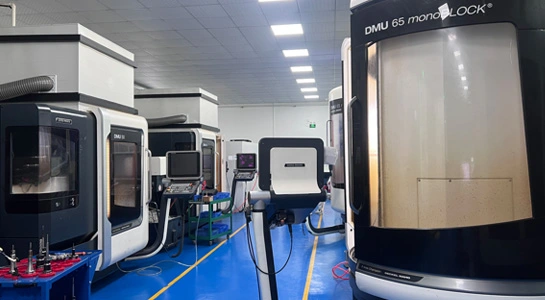
The complexity and accuracy of the parts that providers can make are closely related to the machines they have access to. Multi-axis machining centers are used in modern CNC operations. Five-axis tools are especially useful for working with complex shapes. Suppliers should show that they know how to work with a wide range of materials, such as alloys made of aluminum, stainless steel, titanium, industrial plastics, and unique alloys that are needed for certain tasks.
For complicated parts that need advanced tooling techniques and the best cutting settings, programming skills become very important. Through efficient cutting processes, suppliers with experienced programming teams can cut down on production time, improve surface finishes, and lower tool wear.
Communication and Technical Support
Misunderstandings that cause mistakes in production and project delays can be avoided by having clear lines of communication. Suppliers should offer specialized project management resources, expert help for improving designs, and regular reports on progress during production cycles. Design for manufacturability (DFM) feedback during the bidding process shows how knowledgeable and dedicated the provider is to the success of the project.
The standards for technical paperwork show how professional and careful the provider is with details. Quotes that are complete should include thorough drawings, lists of materials, tolerances, and details of the production process. This way, you can accurately compare and evaluate projects.
Matching Supplier Capabilities to Specific Business Needs
Different projects need different strengths from suppliers, so potential matching is important for getting the best results. Fast and flexible prototyping is needed for rapid prototyping, but stability and scaling are more important for production runs.
Prototyping Requirements
For rapid prototyping to work, providers need to have efficient processes that cut down on wait times without lowering quality. With quick-turn skills, design changes can be made more quickly, testing can be done more quickly, and new goods can be on the market faster. Suppliers that focus on prototype work usually offer smaller batch sizes, variable timing, and faster processing choices to meet tight development deadlines.
Engineers need a lot of different materials to test the qualities and efficiency of different materials. This is very important for making prototypes. Supply companies should have a lot of different kinds of materials on hand, such as plastics, metal alloys, different types of steel, and special materials that can be used for production, especially for CNC machining.
Production Volume Considerations
Consistency, scalability, and lowering costs are more important than speed when it comes to production needs. Suppliers must show that they can plan their capacity, keep quality consistent across big batches, and handle the supply chain in a way that makes sure materials are always available. Implementing statistical process control is necessary to keep limits tight and variation low in high-volume output.
Value engineering services, hardware suggestions, and process changes that lower part costs while keeping quality standards are all examples of cost optimization strategies. Production makers with a lot of experience can often make changes to designs that make them easier to make, waste less material, and work more efficiently when they are machined.
Industry-Specific Requirements
Different businesses have their own rules that affect how suppliers are chosen. High-volume production, strict quality control, and adherence to IATF 16949 standards are needed for automotive uses. Biocompatible materials, safe facilities, and following FDA rules are needed to make medical devices.
For aerospace and military uses, you need to know a lot about materials, have security clearance, and follow ITAR rules. Consumer gadgets need to be able to be put together precisely, look good, and be able to adapt quickly to changes in the design as the product is being developed.

Comparing Supplier Options and Making the Final Decision
Structured comparison methods get rid of emotional bias and let you evaluate suppliers objectively based on set criteria. Weighted score systems make things clear and make sure that everyone on the review team is following the same rules.
Creating Evaluation Scorecards
Scorecards that are complete include both numeric and qualitative factors that affect how well a provider does their job. Objective factors are used to give numbers to technical skills, quality systems, delivery performance, and price competitiveness. Based on the needs of the project, weighting factors show how important different assessment areas are.
As needed, building audits, capability surveys, reference checks, and supplier questionnaires are all types of documentation that must be kept. Site visits give you useful information about the state of the tools, how the building is set up, how quality control is carried out, and how professional the operation is as a whole.
Financial Stability Assessment
The long-term success of a relationship and the continuity of a project depend on how stable the supplier's finances are. You can find out about a supplier's stability and growth path by looking at their credit records, financial statements, and study on their name in the industry. Diverse customer bases lower the risk of becoming dependent on one customer, and investing in new equipment shows a dedication to technology progress.
Insurance coverage and checks to make sure that laws are being followed protect against possible claims and ensure that business practices are professional. Suppliers should make sure they have the right amount of general liability, product liability, and expert indemnity insurance for each job.
Contract Negotiation Strategies
The terms of a good contract make it clear to both parties what is expected of them while still leaving room for changes in needs. Standards must be set and agreed upon by both parties for quality, delivery times, price, and protecting intellectual property. hidden plans and technical data that people share when they work together are kept safe by agreements to keep hidden. This is especially true in CNC machining.
Performance measurements and corrective action processes make it possible to fix problems that come up during production. Regular reviews of performance allow for ongoing growth and relationship efficiency over the course of long-term partnerships.
Ensuring Long-Term Satisfaction and Partnership Growth
For business partnerships to work, they need to be managed on a regular basis and there should be ongoing efforts to make things better for everyone. Performance tracking tools look for patterns and ways to improve things while keeping quality standards high.
Performance Monitoring Systems
Key performance factors, such as quality indicators, delivery performance, communication efficiency, and cost competitiveness, are tracked through regular performance reviews. Statistical study of inspection data finds differences in the process and ways to make it better, which improves the total performance of manufacturing.
Supplier growth programs offer group efforts to make things better, which boosts skills and lowers costs. Technical problems are solved in joint problem-solving meetings, which also help engineering teams work together better.
Innovation and Technology Advancement
Leading providers help with innovation by using new technologies for manufacturing, making processes better, and suggesting ways to make designs work better. Investing in new hardware, software, and training for employees shows a dedication to technology progress and staying ahead of the competition.
Talks about the technology plan make sure that suppliers' skills match up with what the project needs in the future and with industry trends. Working together to create new methods, products, or uses is good for everyone and makes long-term relationships stronger.
Scalability and Growth Planning
Partnerships that work well can adapt to changing market needs, regional growth, and adding new products to the line. Suppliers should show that they can plan for capacity, offer building expansion choices, and make sure that the supply chain can grow as needed to support the growth goals of the business.
Talking about strategic planning helps providers figure out what will be needed in the future and where to put their money to support growth for both parties. Regular business reviews look at how well the partnership is working and find ways to improve teamwork and create more value.
Conclusion
To find a trustworthy CNC machining provider, you need to carefully look at their technical skills, quality control systems, and overall operating excellence. When evaluating suppliers, it's important to make sure that their skills match the needs of the project, whether it's for fast prototyping, mass production, or specialized uses. Quality certifications, the ability of the tools, and how well communication works are the main things that are looked at. Stability financially and the chance of a long-term relationship also play a role in the final choice. For supplier partnerships to work, success must be constantly tracked, people must work together to make things better, and both parties must be involved in strategic planning that supports their growth goals.
FAQ
What certifications should I look for in a CNC machining supplier?
ISO 9001 approval shows that a quality management system is being followed, and it should be required for most uses. AS9100 certification shows knowledge of the aerospace business, while ISO 13485 approval is needed to make medical devices. IATF 16949 certification shows that a company is compliant with the rules for the car industry, and Nadcap certification shows that a company can handle specific processes for important uses.
How important are machining tolerances for final product performance?
Machining standards have a direct effect on how well a part works, how well it fits together, and how well the whole product works. Tighter specifications make sure that things fit and work right, but they also make making more expensive and difficult. Suppliers should show that they can handle a statistical process and give measurement reports that show that tolerances are being met throughout production runs.
What are typical lead times for custom CNC machining projects?
Lead times depend a lot on how complicated the job is, how readily available materials are, and how busy the provider is. It usually takes 3–7 days for easy geometries and 1–3 weeks for complicated ones to make a prototype part. Depending on the number and technical needs, production runs may take anywhere from two to six weeks. Rush services can cut down on wait times, but they usually cost more.
Partner with BOEN Prototype for Exceptional CNC Machining Excellence
Through advanced manufacturing technologies and strict quality control, BOEN Prototype provides precise CNC machining services that go above and beyond what the industry requires. We can use 3-axis to 5-axis machining centers to make things with complicated shapes and close tolerances that are needed in medical, aircraft, automobile, and consumer electronics industries. We keep our ISO certifications up to date and use statistical process control in all of our work to make sure that the quality is the same for both prototypes and full production runs. Get in touch with our knowledgeable staff at contact@boenrapid.com right away for technical advice and cheap quotes that show how dedicated we are to manufacturing quality and customer satisfaction.
References
Smith, J.R. & Anderson, M.K. "Strategic Supplier Selection in Modern Manufacturing: A Comprehensive Framework for CNC Machining Partners." Journal of Manufacturing Excellence, 2023.
Williams, D.L. "Quality Assurance in Precision Machining: Certification Standards and Performance Metrics." International Manufacturing Review, 2023.
Thompson, R.A. "Supply Chain Risk Management: Evaluating Manufacturing Partner Capabilities and Financial Stability." Industrial Engineering Quarterly, 2022.
Chen, L.M. "Advanced CNC Technologies: Multi-Axis Machining Capabilities and Material Expertise Requirements." Manufacturing Technology Today, 2023.
Rodriguez, C.P. "Cost Optimization Strategies in CNC Manufacturing: Balancing Quality, Delivery, and Pricing Competitiveness." Procurement Management Journal, 2022.
Brown, K.S. "Long-term Partnership Development in Manufacturing Supply Chains: Performance Monitoring and Continuous Improvement." Strategic Manufacturing Review, 2023.

How Can We Help?

Your Trusted Partner in Rapid Manufacturing.