What Is Contract Manufacturing in Mechanical Components
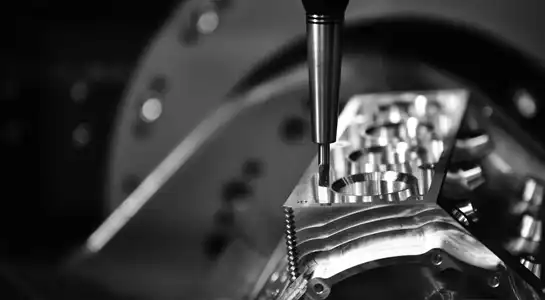
A company hires a specialized third-party maker to make certain mechanical parts or assemblies as part of a planned business deal called "contract manufacturing in mechanical components." Businesses can use outside knowledge, advanced manufacturing skills, and low-cost production methods with this plan, instead of investing in their own manufacturing facilities. The contract manufacturer is in charge of turning designs and specifications into finished mechanical parts. They do this by using different production methods, such as CNC machining, additive manufacturing, and precision molding, to make sure that the parts are of high quality and meet all industry standards and specifications.
Understanding Contract Manufacturing in Mechanical Components
Manufacturing has changed a lot in the last few decades, and now contract manufacturing is an important part of many businesses' efficient output plans. Original equipment makers (OEMs), newbies, and established businesses can all use this business model to form a relationship and get access to specialized manufacturing skills without having to spend a lot of money on building their own production facilities.
The Core Workflow of Mechanical Component Manufacturing
The first step in contract manufacturing is for the client and the manufacturing partner to work together on the plan. During this phase, engineers from both groups work together to make plans as easy to make as possible while still meeting useful needs. The process moves from choosing materials to planning production, following quality control rules, and coordinating the final delivery.
In this ecosystem, procurement teams are very important because they find qualified makers, negotiate terms, and keep ties with suppliers. Their knowledge makes sure that projects stay within their budgets and meet quality standards and delivery dates. When contract makers, original equipment manufacturers (OEMs), and procurement professionals work together, they create a dynamic setting where new ideas can grow thanks to shared knowledge and specialized skills.
Benefits That Drive Business Success
The main benefit of contract manufacturing for mechanical parts is that it saves money. Companies can get access to cutting-edge tools and knowledge without having to buy expensive machines, hire skilled workers, or keep up with building upkeep. This plan changes set costs into variable costs, which makes managing cash flow easier and lowers financial risk.
Businesses can quickly meet the needs of the market without having to worry about capacity issues when they have scalable production capabilities. Contract makers can change the amount of work they do based on the seasons, the stage of a product's lifecycle, or market possibilities. This freedom is very helpful for businesses that are putting out new goods or growing quickly.
Professional contract makers often use better quality control measures than smaller businesses can do on their own. Certifications are kept up to date, strict testing methods are followed, and quality assurance experts are hired to make sure that output is always the same. This makes the product more reliable and cuts down on guarantee claims.
Common Applications in Industrial Manufacturing
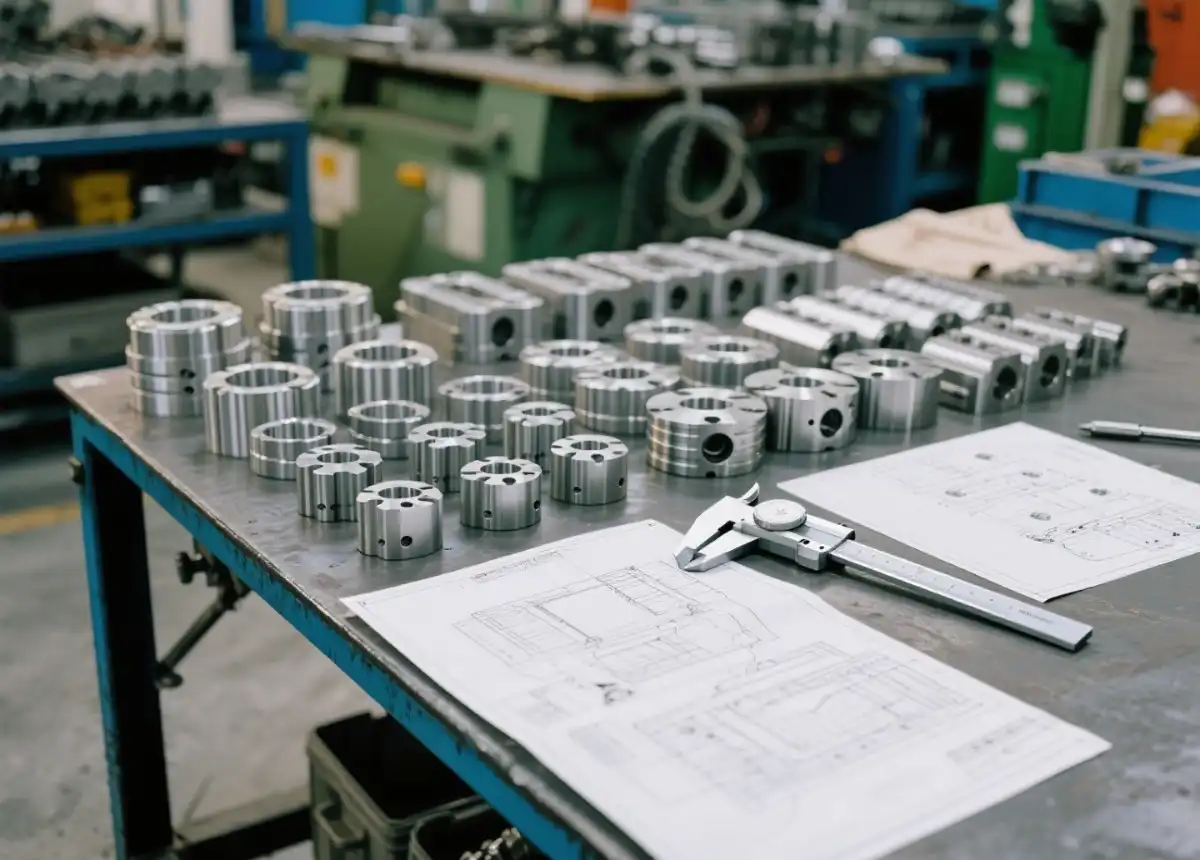
A big part of contract manufacturing work is making precision machined parts like shafts, brackets, housings, and special fittings. These parts need to be made with very precise measurements and special tools that many businesses can't afford to keep up in-house. Experienced contract makers make it easier to coordinate the production of complicated systems with many parts.
Rapid manufacturing services are becoming more important as the time it takes to make a product shortens. Because they have 3D printing, CNC, and rapid tooling tools, contract makers can make samples that work in days instead of weeks. Because of this speed, design approval, market testing, and product launches can all happen more quickly.
Key Factors to Consider When Choosing a Contract Manufacturer for Mechanical Components
To find the right industrial partner, you need to carefully consider a number of factors that will have a direct effect on the success of the project and the longevity of the business relationship. Technical evaluations, financial factors, and strategic agreement between groups are all parts of the decision-making process.
Quality Standards and Certifications
International quality standards, such as ISO 9001, give us a way to judge how well something is made and how consistent the process is. These certificates show that a company cares about quality management systems, constant growth, and making sure customers are happy. More certificates that are specific to the industry, like ISO 13485 for medical equipment or AS9100 for aircraft uses, show that the company has a lot of experience in controlled markets.
When making parts for specific businesses or foreign markets, product compliance and regulatory certifications become very important. Manufacturers need to know and follow the rules for tracking materials, following testing procedures, and keeping records in a certain way. This knowledge keeps clients from having to deal with compliance issues and makes sure that final goods are accepted by the market.
Technical Capacity Assessment
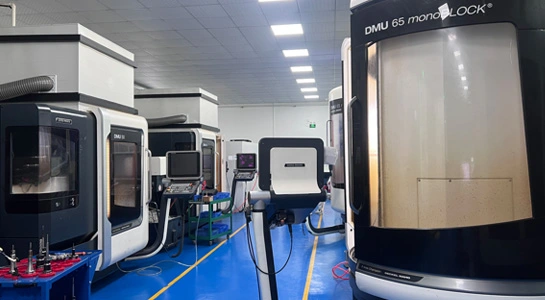
When you evaluate technical skills, you look at the tools you have access to, the ways you make things, and the engineering support services you can use. Advanced CNC machine centers, additive manufacturing systems, and accurate measuring tools show that a company can handle difficult jobs. The fact that there are engineers working for the company says that they can improve designs and solve problems during production.
Capabilities for production output must match the needs of the project and growing expectations. Some makers are great at making a lot of things, while others are great at making few things that are very complicated. Figuring out these skills helps projects find the right suppliers and keeps standards for prices and delivery times in check.
Communication and Collaboration Framework
Manufacturing relationships that work well depend on being able to talk to each other clearly. Clear procedures and responsive staff are needed for regular project reports, technical talks, and problem settlement. Communication problems like language obstacles, different time zones, and cultural issues should be taken into account when choosing a provider.
Being close to each other geographically has benefits like lower shipping costs, easier site trips, and better culture fit. But technology tools for contact have made partnerships across longer distances possible. Setting clear goals and keeping in touch regularly throughout the lifecycle of a project are key.
Contract Manufacturing Process Explained: From RFQ to Fulfillment
A organized approach to contract manufacturing starts with careful planning and continues through final delivery, with many quality checks and checkpoints along the way. Knowing how this process works helps procurement workers run projects well and build good relationships with suppliers.
Request for Quotation Development
To make good RFQs, you need to include clear technical details, quality standards, and delivery deadlines. The specs for a mechanical part should include any special processing needs, material requirements, surface finish standards, and any allowed deviations in size. Clear paperwork cuts down on misunderstandings and lets possible providers give accurate prices.
As part of the RFQ process, review factors other than price must be set. These can include technical skills, quality certifications, shipping reliability, and financial security. This all-around method makes sure that when choosing a seller, all of the important factors for the project's success are taken into account, not just the cost.
Contract Negotiation and Production Planning
When people negotiate contracts, they talk about things like protecting intellectual property, quality standards, delivery dates, and performance measures. These are the building blocks for good manufacturing relationships. Well-structured deals include ways to handle changes to the design, changes in the amount, and disagreements.
Getting materials and making tools is the first step in planning production. Validating the process and putting in place a quality system come next. Tracking milestones lets everyone see how things are going and fix any problems that might come up before they affect delivery dates. During this time, regular contact builds trust and makes it possible to solve problems before they happen.
Quality Control and Delivery Coordination
Quality control checks are done at many points in the manufacturing process, from making sure the raw materials are correct when they arrive to testing the finished product. Statistical process control methods help find patterns and stop quality problems before they happen on a lot of parts. Recording inspection results makes them easier to find and helps with efforts to keep getting better.
In order to meet customer needs, logistics coordination includes designing packing, choosing shipping methods, and planning arrival times. Professional contract makers know how important it is to keep goods from getting damaged during shipping and take the right precautions. Post-delivery help includes fixing any problems with the quality and keeping technical records for future use.
Comparing Contract Manufacturing with Other Production Models
You can choose between contract manufacturing and other ways to make things depending on your strategy goals, the amount of work you need to do, the level of technical difficulty, and the amount of money you have available. There are pros and cons to each plan that must be considered in the context of the unique needs of the business.
Contract Manufacturing vs. In-House Production
When you make things in-house, you have full control over the production process, quality standards, and the safety of your intellectual property. If a company has enough scale and technical know-how, this method might be both cost-effective and good for their business. But the money needed to buy tools, build buildings, and hire staff can be very high, which can make it harder to adapt to changes in the market.
Contract manufacturing lets companies use specialized tools and experts without having to spend a lot of money on them. This lets them focus on their main tasks, like marketing or research and development. This plan gives you more control over the amount you manage and lowers your fixed costs, but you have to be careful with your suppliers and may lose some control over the process.
Private Labeling and OEM Partnerships
Private labeling means that a company buys finished goods from makers and sells them under its own brand name. This method reduces the amount of technical work and money needed, but it also makes it harder to make products stand out and gives you less power over product specs.
In traditional OEM agreements, both companies work together on creation and agree to produce more products over a longer period of time. These arrangements can save you money and let you work together on technology, but they may limit your freedom and take a lot of work to handle your relationships.
Case Study Applications in Mechanical Components
Companies that make parts for cars often use contract manufacturing to make unique parts that need expensive tools or specialized knowledge. As an example, a Tier-1 supplier might hire an expert to make precise gears while keeping assembly work in-house. This method improves quality and transportation performance while lowering costs.
For biocompatible parts that need specialized understanding of materials and regulatory skills, medical device companies frequently use contract manufacturing. When it comes to low-volume goods, the technical skills and compliance knowledge that qualified contract makers offer are often better than what device companies can build themselves.
Emerging Trends and Future Outlook of Contract Manufacturing in Mechanical Components
The world of contract manufacturing is changing quickly because of new technologies, efforts to be more environmentally friendly, and shifting global economic conditions. Procurement professionals can make better choices and get ready for new challenges and possibilities if they know about these trends.
Industry 4.0 Integration and Smart Manufacturing
Automation technologies are changing contract manufacturing by making them more efficient, consistent, and open to data. Robotic systems are better at doing repeated jobs accurately and reliably than people, and sensor networks let you keep an eye on production factors in real time. These features make it easier to plan for deliveries and respond more quickly to quality problems.
Adding the Internet of Things (IoT) to industrial environments makes them more connected so that the quality of products, the performance of tools, and the conditions of the surroundings can all be constantly checked. This openness helps both makers and their customers because it lets them see how production is going and plans for preventative repair.
Sustainability and Environmental Responsibility
As companies try to meet regulatory standards and meet customer demands, environmental factors are becoming more and more important in their supplier selection decisions. Some examples of sustainable practices used by contract makers are equipment that uses less energy, programs that cut down on trash, and renewable energy sources. These projects can save money and help companies reach their environmental goals at the same time.
Material choice and disposal programs help the earth while still meeting the performance needs of products. Companies that want to lower their environmental impact can get a competitive edge from manufacturers who know how to use alternative materials and eco-friendly methods.
Global Supply Chain Adaptation
Supply chain problems and geopolitical issues have shown how important it is to have a variety of suppliers and a plan for managing risks. Contract manufacturers with various sites and flexible supply lines are better able to handle problems that come up out of the blue. This geographical spread also makes it possible to find the best ways to cut down on shipping costs and times.
In strategic buying methods, risk assessment is now used along with cost and quality analysis. How suppliers are evaluated and chosen is affected by things like political security, trade ties, and the dependability of infrastructure. These things help make sure that there is a steady supply and that costs will stay the same over time.
Conclusion
Contract manufacturing for mechanical parts is a business strategy that lets companies get access to specific skills while keeping costs low and keeping their freedom. For this model to work, it's important to carefully choose suppliers, communicate clearly, and handle projects well during the whole manufacturing process. As technology keeps getting better and global markets change, relationships for contract manufacturing will become more important in many businesses as a way to stay competitive.
FAQ
What types of mechanical components are commonly produced through contract manufacturing?
Most of the time, contract makers make complicated assemblies, precision machined parts, cast components, stamped metal parts, and parts made from injection-molded plastics. Some common examples are frames for cars, housings for electronics, parts for medical devices, pieces for spacecraft, and parts for industrial machinery. Modern production equipment is very flexible, so contract makers can work with a lot of different materials and levels of complexity.
How do I ensure quality control when working with a contract manufacturer?
To start ensuring quality, choose makers that have the right certifications and a history of success in your business. Include clear quality requirements in contracts, ask for frequent inspection reports, and check up on production facilities on a regular basis. A lot of partnerships that work well have rules for inbound inspections and statistical process control methods to make sure things stay the same over time.
What are typical lead times for contract manufacturing of mechanical components?
Lead times change a lot depending on how complicated the parts are, what production processes are needed, and how much capacity is being used at the moment. It might only take one to two weeks to finish simple machined parts, but it could take weeks or months to finish complicated systems or parts that need special materials. When you use a prototyping service, you can usually get things done faster—sometimes within days for important jobs.
How does intellectual property protection work in contract manufacturing relationships?
Protecting intellectual property usually includes non-disclosure agreements, thorough contracts that spell out who owns what, and picking reliable manufacturers with clear IP security policies. Many businesses only give makers the information they need to make the product, and they keep all the design documents and specs for their own use.
Partner With BOEN Prototype for Your Contract Manufacturing Needs
For reliable contract manufacturing services for mechanical parts used in automobile, medical, aerospace, and consumer electronics businesses, BOEN Prototype is the company to go to. Some of the advanced technologies we use are CNC machining, rapid injection casting, 3D printing, and precise metal manufacturing. This means we can handle even the most difficult project needs. We offer the dependability and technical excellence you need for successful product creation thanks to our dedication to quality, quick return times, and deep knowledge of a wide range of materials. Our team at contact@boenrapid.com is ready to take your ideas and turn them into high-quality mechanical parts that meet the strictest industry standards, whether you need rapid development, low-volume production, or complex systems.
References
Thompson, Michael R. "Strategic Outsourcing in Manufacturing: A Guide to Contract Manufacturing Success." Industrial Management Review, 2023.
Chen, Sarah L. and Rodriguez, Carlos M. "Quality Management Systems in Contract Manufacturing: Best Practices and Implementation Strategies." Manufacturing Excellence Quarterly, 2024.
Peterson, David K. "Global Supply Chain Management: Trends and Strategies for Contract Manufacturing." International Business Journal, 2023.
Williams, Jennifer A. "Technology Integration in Modern Contract Manufacturing: Industry 4.0 Applications and Benefits." Advanced Manufacturing Today, 2024.
Brown, Robert J. and Kumar, Priya S. "Cost Analysis and ROI Optimization in Contract Manufacturing Partnerships." Business Strategy and Operations, 2023.
Anderson, Lisa M. "Regulatory Compliance and Quality Standards in Contract Manufacturing for Regulated Industries." Compliance and Quality Management Review, 2024.

How Can We Help?

Your Trusted Partner in Rapid Manufacturing.