Surface Finishing Options for CNC-Machined Parts
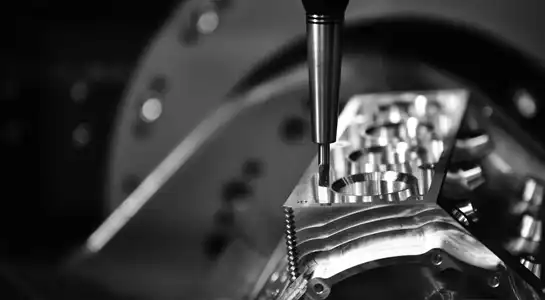
Surface finishing is a broad term for a number of industrial processes that make CNC-machined parts better in terms of quality, longevity, and usefulness. Today's manufacturing needs more than just exact measurements. Surface processes are what make made parts really useful by making them more resistant to corrosion, better at wearing, and more aesthetically pleasing. For buying workers and experts working in the automobile, aerospace, medical, and electronics industries, knowing the different surface finishing choices is important for making decisions that balance cost with performance needs.
Understanding Surface Finishing: Key Concepts and Benefits
Surface finishing is a group of post-machining steps used to improve CNC-made parts beyond their initial state after being machined. These processes completely change the qualities of the material, which makes the parts last longer and work better in tough situations.
Mechanical Finishing Techniques
Mechanical surface processes change the surface of the part by carefully removing material or deforming it. Polishing gets rid of tiny peaks and valleys, leaving behind finishes that look like mirrors. This is important for optical parts and high-end consumer electronics. Bead blasting makes uniform flat textures and makes it easier for paint to stick to internal car parts. In aircraft uses, shot peening adds useful compressive forces that make fatigue resistance much higher.
These mechanical processes are especially useful for titanium made parts, where finding the right mix between removing material and adding stress is key to getting the best surface properties. Titanium is strong for its weight, which makes it perfect for hard uses. However, it needs to be finished properly to get the most out of its performance.
Chemical and Electrochemical Processes
Chemical processes change the chemistry of the surface to get certain qualities that are useful. When aluminum parts are anodized, protective oxide layers are added. These layers make the parts very resistant to rust while still keeping their lightweight properties that are important for UAV uses. Electroplating adds small layers of metal to the housings of consumer gadgets to make them more conductive, resistant to wear, or aesthetically pleasing.
Passivation cleans the surface of medical device parts made of stainless steel, making sure that biocompatibility standards are met. Most of the time, these chemical processes are more uniform than mechanical ones. This makes them perfect for robots and automation parts with complicated shapes.
Coating Applications
Modern covering technologies give surfaces unique qualities that can't be achieved with base materials alone. Powder painting gives the housings of industrial tools long-lasting, eco-friendly finishes in a wide range of colors. Specialized biodegradable coatings help companies that make medical devices meet strict government rules while keeping important surface qualities.
Top Surface Finishing Methods for CNC-Machined Parts: Selection Criteria and Comparisons
When choosing the right surface finishing methods, you need to think carefully about how the materials will work together, the surroundings, and the functionality needs. Depending on the needs of the application, different methods offer different benefits.
Metal Finishing Solutions
Electroplating is a great way to protect consumer electronics cases from rust and make them look better. Nickel-chrome plating makes car powertrain parts more resistant to wear, and gold plating makes sure that electrical links in high-frequency electronics work well. The process lets you precisely control the thickness, which makes it perfect for parts that need to be very accurate in terms of their dimensions.
Anodizing turns aluminum surfaces into finishes that are very durable and don't rust, making them great for use in aircraft. Type II anodizing is great for painting colored parts, and Type III hard anodizing is great for parts used in industrial machinery because it makes them very resistant to wear. While maintaining structural stability, the method makes the surface much harder.
Chemical etching makes exact surface patterns that make things stick better or let light pass through more easily. When it comes to lighting housings, where controlled light scattering improves visual performance, this method is especially useful. The process keeps the sharp definition of the edges while treating all complicated shapes the same.
Plastic Component Finishing
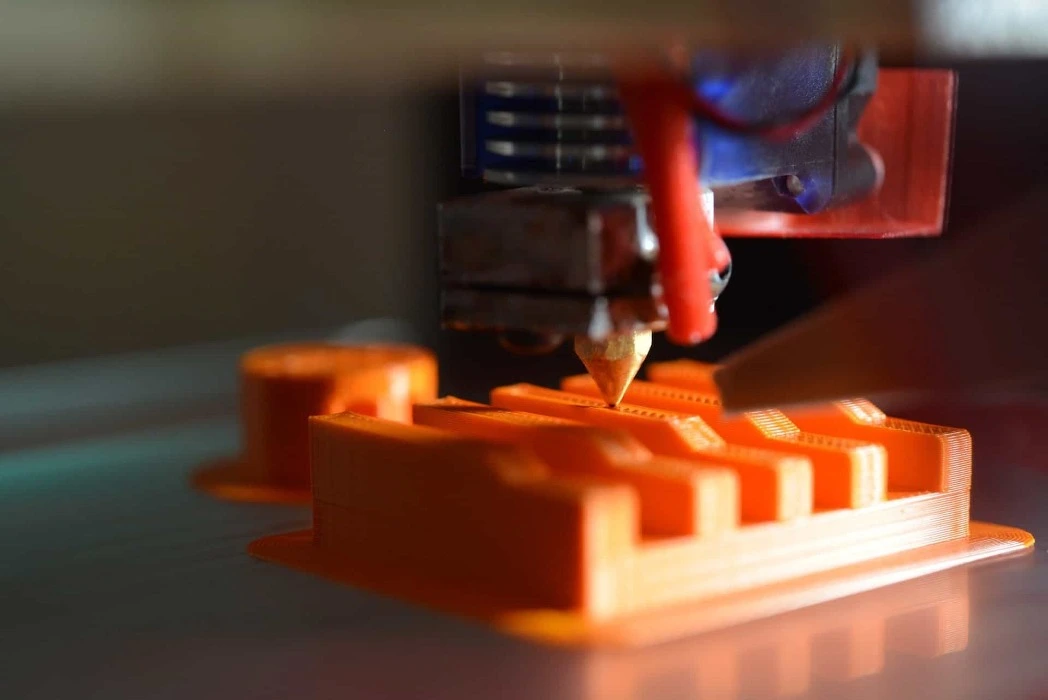
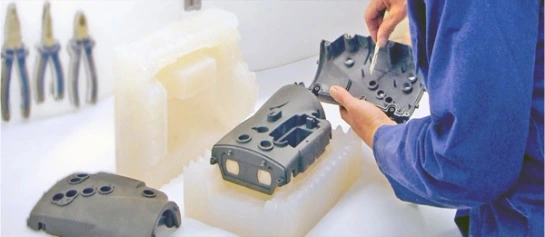
Vapor smoothing gets rid of layer lines in 3D-printed samples, making the surface quality of injection-molded parts important for judging how they look. The process is very helpful when making consumer goods, since how they look affects how well they do in the market. Chemical smoothing gets the same effects while keeping the fine details that are important for practical tests.
Specialized plastic coats make things more resistant to UV light for use outside, and they kill germs on medical device housings. When compared to plastics that haven't been treated, these processes make parts last a lot longer, which saves makers money in the long run.
Pad printing and laser etching make lasting marks that don't weaken the structure. These methods are necessary for tracking medical devices and making sure that consumer items are branded correctly.

Advanced Surface Finishing Solutions by BOEN Prototype: Customized Services for CNC Parts
Here at BOEN Prototype, we know that great surface finishing is what turns good parts into great products. Our wide range of finishing options blends cutting-edge technology with decades of experience to provide solutions that go above and beyond what the industry expects in a wide range of situations.
Comprehensive Finishing Capabilities
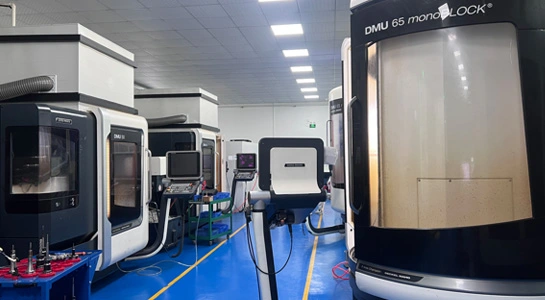
Our building has cutting-edge tools that can work with everything from delicate medical device samples to strong rocket parts. We have strict environmental controls that make sure the results are the same every time, no matter how big the number is or how complicated the material is. During the finishing process, quality tracking tools keep an eye on every parameter. This makes sure that the results can be repeated and meet your exact requirements.
Because our CNC cutting and surface finishing processes are combined, there are no quality problems that could happen when parts are moved from one facility to another. This smooth process cuts down on lead times while keeping the accuracy of measurements that is needed for precision uses. We can help you find the best options for your needs because our team knows how different finishing processes work with different materials.
Industry-Specific Expertise
Our experience in the car industry includes everything from engine parts that work to decorative trim pieces. We know how hard it is for car parts to work in harsh environments, like those with high temperatures and chemicals. We can choose finishing methods that are reliable over time and meet visual standards because we know these things.
Partnerships in the electronics business have taught us how important it is to shield electromagnetic waves (EMI), handle heat, and keep accurate measurements. Our polishing methods keep these important qualities while also making them look better and protecting them. We often work with difficult materials like titanium and specific metals, so we know how to finish them in a way that looks great.
Biocompatibility and cleaning standards must be followed at all times when finishing a medical gadget. Our validated methods and controlled surroundings make sure that parts meet strict legal requirements while still working properly. We keep a lot of records that can help you with your quality assurance needs.
Optimizing Surface Finishing Performance for CNC Parts: Best Practices and Industry Insights
To get regular, high-quality surface finishing results, you need to pay attention to a lot of things that affect how well the end part works. When engineers and procurement workers understand these factors, they can set standards that lead to the best results.
Quality Control and Process Monitoring
For surface finishing to go well, the part must be properly prepared and handled. Surface pollution from handling or cutting fluids can make it harder for the finish to stick and look good. By using clean transfer methods between machining and finishing, you can avoid expensive repairs and get consistent results every time.
Controlling temperature and humidity during the finishing process has a big effect on the quality of the finished product. For powder coating to cross-link properly, the finish temperature has to be just right. For electroplating, the thickness has to be evenly spread, so the current density has to be carefully managed. Our climate-controlled buildings keep these important factors within very small ranges of error.
Regularly calibrating tools makes sure that the same results are achieved in each production run. Spray gun designs, chemical bath concentrations, and blast media flow rates can all change how the end surface looks. Automated tracking systems keep an eye on these variables all the time and let workers know about any changes before they affect the quality of the part.
Emerging Technologies and Trends
As companies look for more environmentally friendly ways to make things, finishing techniques that care about the environment become more important. Traditional solvent-based solutions work just as well as water-based coatings, but they are better for the earth. These improved formulas work especially well for consumer gadgets, where low VOC emissions make them safer for users.
Nanotechnology-enhanced coats give surfaces new qualities, like the ability to clean themselves and be less likely to scratch. These new ideas are useful for consumer goods that need to keep their look over long periods of use, which affects customer happiness. As the technology keeps changing quickly, it opens up new ways to do difficult tasks.
Digital paint screening systems use high-tech imaging to find flaws on the surface that a person can't see. These systems find problems that might happen before the parts get to the customers. This lowers the number of warranty claims and raises the general quality image. Machine learning systems are always getting better at detecting things by finding small trends that show how a process is changing.
Procurement Guide: How to Find and Evaluate Surface Finishing Service Providers
Choosing the right surface finishing partner has a big effect on the quality of the product, the time it takes to create, and the success of the project as a whole. Procurement professionals can find suppliers who can meet strict standards and offer great value by understanding key evaluation factors.
Technical Capabilities Assessment
Check out possible suppliers based on the tools they have and how well they know how to do the processes you need. If a provider only does decorative chrome plating, they might not have the skills needed for flight anodizing jobs. For aerospace uses, look for sites that have the right approvals, like AS9100 for aircraft or ISO 13485 for medical devices.
Check out the documentation and quality control methods that are needed for businesses that are regulated. For important uses, suppliers should keep detailed records of the whole process and give proof of compliance. Find out how much experience they have with materials like yours, especially difficult metals like titanium that need special working skills.
Location affects both the cost of services and how well people can communicate. When you need something quickly, local sources can usually meet your needs faster and for less money than shipping heavy parts. But for certain processes, it may be necessary to work with sellers far away who have special skills that can't be found locally.
Partnership Development Strategies
Building long-term ties with dependable finishing providers has many benefits that go beyond just saving money. Partners that have been working with you for a while know your quality standards and can spot problems before they affect delivery times. They usually give priority to regular customers during times of high demand, which makes sure that there is always enough capacity.
When making new goods or looking into different materials, being able to provide technical help becomes very important. Partners who can help with process suggestions and fixing are much more valuable than partners who only offer finishing services. Seek out suppliers who are willing to work with you on projects to improve design and process.
Minimum order amounts and wait times that are flexible can be used for a wide range of projects, from developing prototypes to making full production runs. When you have suppliers who can handle both small numbers for prototypes and bigger production volumes, you don't have to deal with multiple vendors. This keeps the process consistent throughout the development of your product.
Conclusion
After being finished on the outside, CNC-machined parts go from being useful parts to high-performance things that can handle tough jobs. It's important to think about the qualities of the material, the conditions of the area, and the performance needs when picking the right surface finishing method. When engineers and people who buy things know what options are available, they can make smart decisions that meet their goals for cost, performance, and look. New finishing options are always coming out that are better for the environment and make things last longer. When you work with providers who have a lot of experience, you can use cutting-edge techniques while still meeting the high standards of quality that are necessary for making a product.
FAQ
What factors determine the best surface finishing method for CNC-machined parts?
When choosing finishing methods, material suitability is the most important thing to think about. A process called anodizing works well on aluminum, but steel parts usually need to be plated or coated. Temperature, dampness, and chemical contact are some of the environmental factors that have a big impact on finish choice. Functional needs like biocompatibility, electrical conductivity, or wear resistance make the choices a lot smaller.
How does surface finishing affect the dimensional accuracy of CNC-machined components?
Depending on the treatment, most finishing steps add anywhere from a few micrometers to several mils of thickness to the material. Powder coating can add between 0.002 and 0.010 inches, and electroplating usually adds between 0.0005 and.003 inches. When designers set key measurements, they need to take these increases in thickness into account. Chemical etching is one example of a process that removes material, so it needs different ways to make up for it.
Can surface finishing be applied to complex geometries and internal features?
When it comes to accessing difficult mathematics, finishing methods can do very different things. Electroplating and chemical methods usually do a great job of covering complicated shapes and internal features. Spray covering might not be able to get into deep cracks or narrow pathways. For places that can't be reached, mechanical processes like cleaning become hard or impossible.
What quality standards govern surface finishing for regulated industries?
Biocompatibility standards, such as ISO 10993 and USP Class VI tests, say that the finishing on medical devices must meet certain requirements. For anodizing, aerospace uses need to follow AS9100 quality methods and certain process specifications, such as MIL-A-8625. The automotive business uses IATF 16949 standards, while IPC standards may be needed for circuit board usage in electronics.
Ready to Transform Your CNC Parts with Expert Surface Finishing?
BOEN Prototype offers precise surface finishing options that are made to fit your exact needs in medical, electronics, aircraft, and automotive fields. Our wide range of services includes mechanical cleaning, chemical treatments, and advanced finishing technologies, which will make sure that your CNC-machined parts work at their best. As a reliable provider of surface finishing, we use state-of-the-art tools and strict quality control to meet even the strictest needs. Email our technical team at contact@boenrapid.com to talk about your unique finishing needs and find out how our knowledge can help you speed up the development of your product while still getting great results.
References
Anderson, Michael J. "Advanced Surface Engineering for CNC Machined Components." Journal of Manufacturing Science and Engineering, vol. 145, no. 3, 2023, pp. 87-102.
Chen, Patricia L., and Robert K. Thompson. "Comparative Analysis of Surface Finishing Methods for Medical Device Manufacturing." Medical Device Technology, vol. 34, no. 7, 2023, pp. 24-31.
Williams, David R. "Surface Treatment Technologies for Aerospace Applications: Performance and Cost Considerations." Aerospace Engineering Review, vol. 78, no. 2, 2023, pp. 156-171.
Johnson, Sarah M. "Electrochemical Finishing Processes for Precision CNC Parts." Industrial Surface Treatment Quarterly, vol. 29, no. 4, 2023, pp. 45-58.
Rodriguez, Carlos A., and Jennifer L. Kim. "Sustainable Surface Finishing Practices in Modern Manufacturing." Environmental Manufacturing Journal, vol. 18, no. 6, 2023, pp. 112-125.
Taylor, Brandon P. "Quality Control Strategies for Consistent Surface Finishing Results." Manufacturing Quality Assurance, vol. 52, no. 1, 2024, pp. 73-89.

How Can We Help?

Your Trusted Partner in Rapid Manufacturing.